
How Long Does It Take To Charge an Electric Car? (2026 Update)
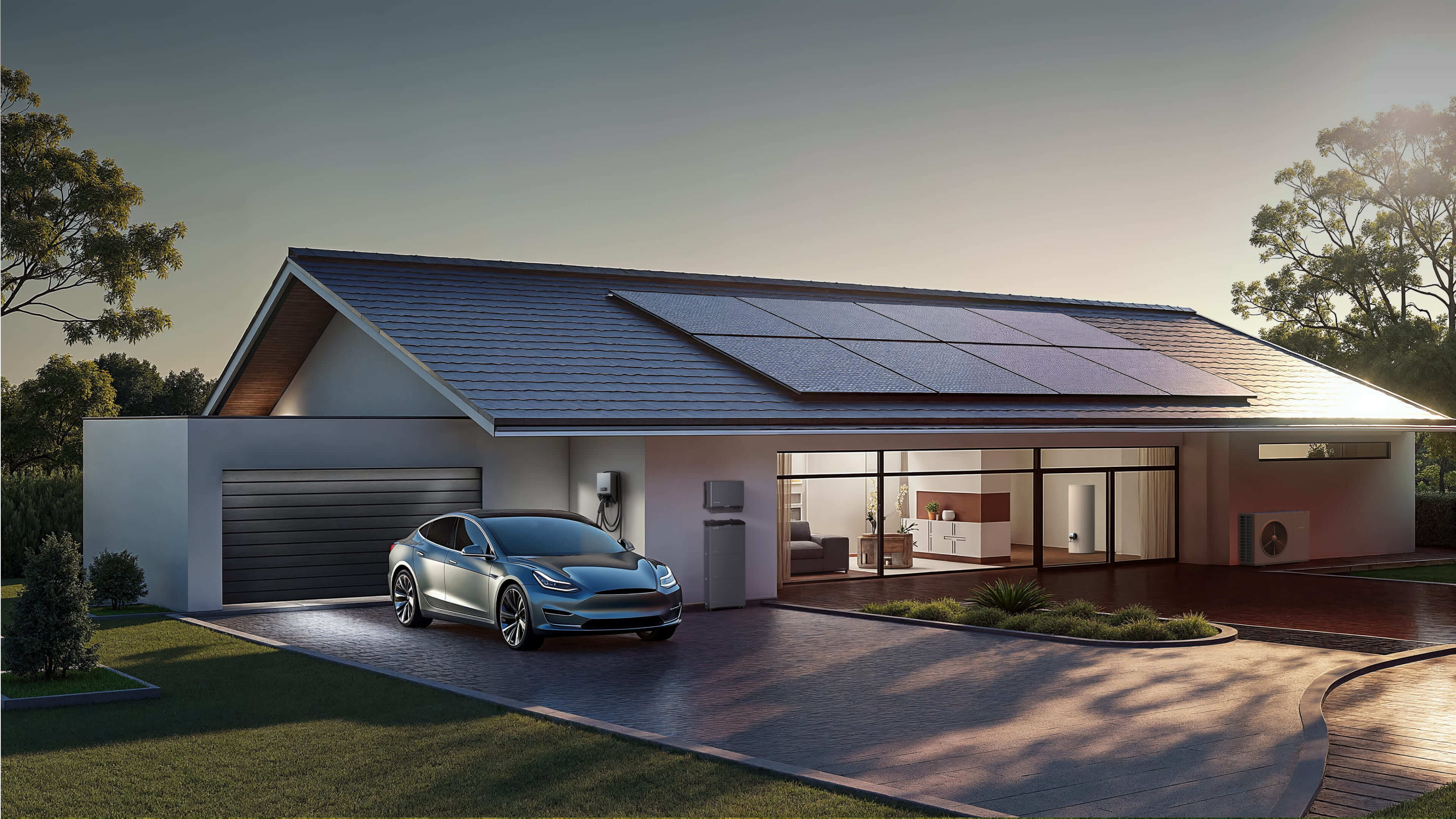
Eco-friendly and cheaper to maintain electric vehicles (EVs) are proving a smart choice for UK drivers. You can even maximise EcoFlow efficiency and usage with it. But how long does it take to charge an electric car? From fast EV charging speeds to home setups, understanding electric car recharge time is vital. Use the EV car charging time calculator method below to ensure cheaper, faster travel throughout 2026.
How To Calculate EV Charging Time and Understand Charging Speeds
Electric vehicles charge at varying rates depending on the vehicle model, battery size, and charger type. While exact EV charging speeds differ, you can use a simple formula to estimate your electric car recharge time:
Time (in hours) = Unit’s full battery capacity (in kW) ÷ charger power (in kW)
For example, consider a Tesla Model 3 with a 75kW battery. Using an 11kW home charger, the 75kW charging time would be approximately 75 kW ÷ 11 kW = 6.8 hours. This 11kW charging time example shows why many EV owners opt for overnight home charging, especially when considering how much does it cost to charge car at home. If you are looking for portable electric car chargers for travel or backup use, a portable unit can also be estimated using this same formula.
Level 1: Slow chargers with power ranging from 2.3 to 3.6 kilowatts. Best for charging electric vehicles at home. While similar in output to a standard portable power station outlet, these are dedicated units for vehicle use. They take a longer time to fully charge an EV, but are sufficient for most users who drive shorter distances.
Level 2: Fast chargers with power ranging from 7 to 22 kilowatts. Best installed in locations like workplaces, shopping centres, and other public areas where users may need a quicker top-up while they go about their activities.
Level 3: Level 3: DC ultra-rapid chargers with power ranging from 50 to 350 kW. Whether comparing a 100kW vs 350kW charger, these units can provide an 80% charge for long-distance travel in as little as 15 to 30 minutes.
Estimated Electric Car Recharge Time by Charger Type
In this section, we estimate the EV charging time of various EV charging power values.
Slow EV Charging Speeds: 2.3 to 3.6kW
EV charging is considered "slow" if the charger delivers around 2.3 to 3.6 kW of power. With a 2.3kW residential socket, you can fully charge a 50kW EV battery in roughly 20 to 30 hours. Due to this long duration, slow EV chargers are rarely used for daily driving and serve mostly as emergency backups, even in 2026.
Fast EV Charging: 7kW to 22kW Charger Performance and 11kW Charging Time
A 7-kW wallbox can charge a 50 kW battery in 5 to 8 hours, making these fast EV chargers perfect for overnight home charging. For many homeowners, however, an 11kW charger offers a perfect balance between speed and installation cost. While the 11 kW charger price varies depending on the brand and installation complexities, it is often a more cost-effective solution than upgrading to ultra-rapid industrial units.
If you raise the charging power to 22kW, you can fully charge a battery in as little as 3 to 4 hours.
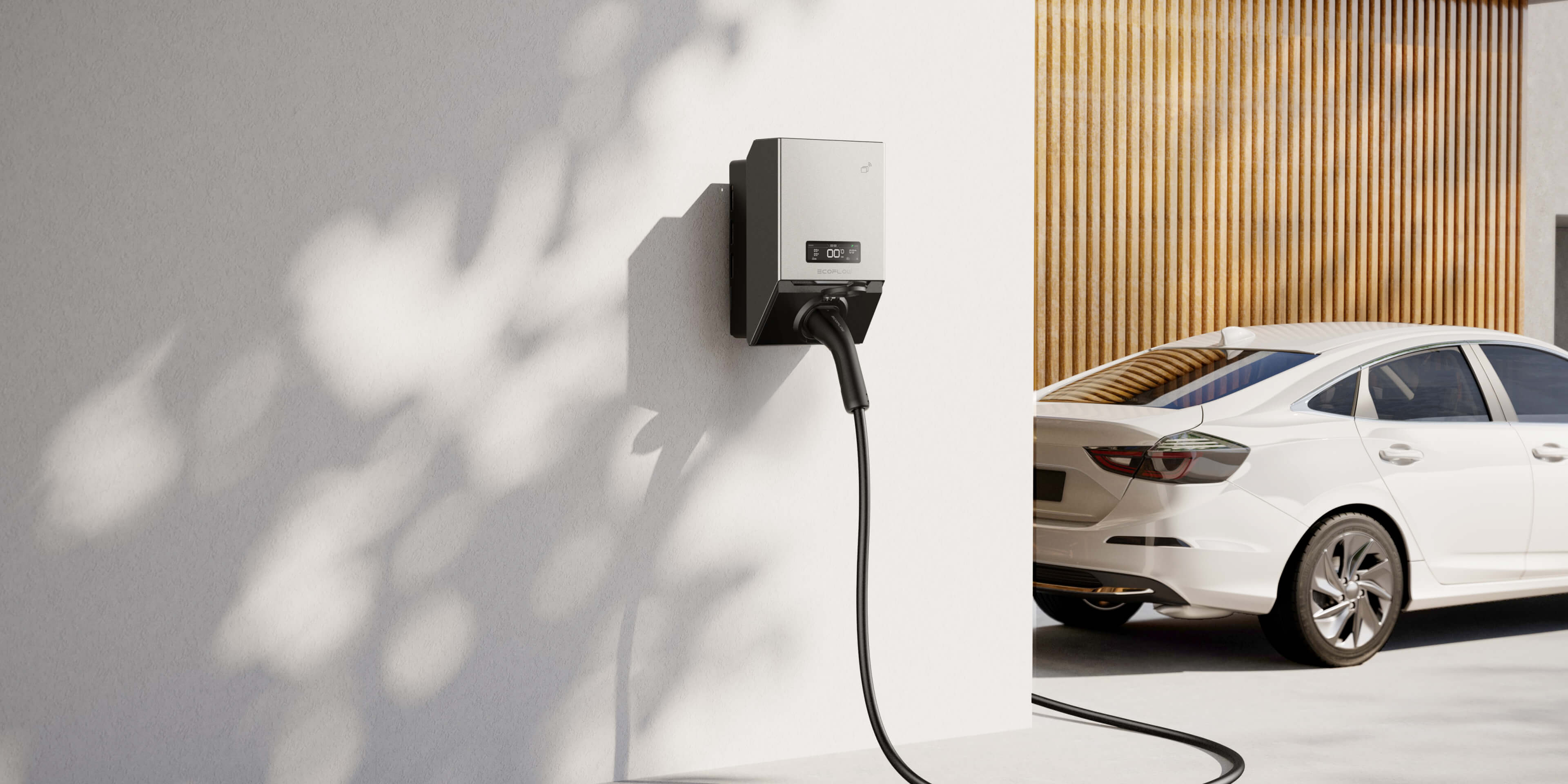
With EcoFlow PowerPulse 2, you aren't limited to a single power source. You can charge your EV using grid electricity or integrate it with a solar generator system, offering distinct modes like Solar Mode to prioritise renewable energy or Fast Mode for rapid top-ups. You can also use the EcoFlow app to schedule charging during off-peak hours, ensuring you maximise low electricity rates while keeping your EV ready to go, and understanding what is octopus energy standing charge.
This kind of integrated setup is part of a broader smart home energy saving system. By combining solar charging, battery storage, and intelligent scheduling, you can create a complete system that minimises costs while keeping your EV charged and ready.
Rapid and Ultra-Rapid EV Charging: 50kW to 350kW
Rapid chargers deliver around 50kW of power, which can charge a 50kW battery to 80% in 30 to 60 minutes. At this rate, your EV gains roughly 100 to 150 miles of range. Meanwhile, ultra-rapid chargers rated at 150 to 350kW can charge EVs in as little as 15 to 30 minutes. These high-powered charging stations need substantial storage electricity capacity or dedicated grid connections for efficient operation.
EV Charging Time for Popular Electric Car Models (2026 Data)
Below are estimated EV charging times for popular electric car models in the UK. These figures show how long it takes to charge an electric car at different power levels, from 7kW fast chargers to 50kW rapid units.
| Electric Car Model | EV Size and Battery Capacity | EV Charging Time |
|---|---|---|
| Fiat 500 | 24 kWh | With a fast EV charger (7 kW): 3 to 4 hours With a rapid EV charger (50 kW): 20 to 30 minutes |
| Nissan Leaf | 40 kWh | With a fast EV charger (7 kW): 5 to 6 hours With a rapid EV charger (50 kW): 30 to 40 minutes |
| Tesla Model 3 | 75 kWh | With a fast EV charger (7 kWh): 7 to 11 hours With rapid EV charger (50 kWh): 20 to 30 minutes |
| Mitsubishi Outlander | 14 kWh | With a fast EV charger (7 kWh): At least 4 hours With a rapid EV charger (50 kWh): At least 40 minutes in a limited DC setup |
What Affects Electric Car Recharge Time?
Aside from charging power, your electric car recharge time is influenced by several factors, including:
Battery Size: A larger battery requires a longer time to fill, just like how a larger water tank takes more time to fill up. Note also that charging at relatively low levels, such as from 10% to 80% is much faster than charging at relatively high levels, such as from 80% to 100%. This process, known as “tapering”, protects your battery from excessive power inflow.
Unit Charging Speed Cap: Every EV has a maximum charging rate. For instance, even if you use a 150kW charger, your unit may only accept 100kW, so it will not charge any faster than that.
Temperature: Cold weather can significantly slow EV charging speeds. A cold battery may charge up to 50% slower than one at optimal temperature. This means your EV could take noticeably longer to charge during winter months.
Charger Output: If several units are using a charging station, the charger’s output that reaches your car is also lower. This makes the charger slower than if you are the only one using the station.
Schedule Your Free Consultation Today!
What kind of product or solution are you interested in?
Tips for Faster EV Charging and Smarter Energy Use
Decide what charger you will install. A smart choice is to invest in a solar-powered EV charger like PowerPulse 2. It is a high-performing solar-powered EV charger solution that is ready for outdoor installation (with its weather-resistant design) and supports continuous, overload-free charging.
For safe and effective EV charging, you also need a reliable solar battery systems uk setup. For instance, EcoFlow PowerOcean can store up to 45kWh of solar energy for later use. Powered by LFP battery, PowerOcean can perform optimally for up to 6,000 charging cycles. It is also equipped with fire prevention modules that detect and respond to thermal anomalies to ensure your home’s safety. Understanding the cost of solar panels with battery storage uk can help you budget effectively for this kind of setup.
If you need further assistance to achieve a quick and safe EV charging solution, reach out to energy professionals. You can schedule a consultation to get expert advice tailored to your specific needs.
FAQs
Can I leave my EV plugged into Level 1 overnight?
Yes, this is common with Level 1 chargers, as they take a lot of time to charge an electric vehicle battery. Modern EV chargers already have systems that monitor charging times to prevent overcharging. You don’t even have to check on them constantly.
Can I sit in my EV while it is charging?
Yes, most present-day EVs are engineered with multiple safety systems that safeguard occupants from electric hazards while it is charging. Modern-day EVs also have smart charging features that observe possible overheats.
Will an EV stop charging when full?
When the EV battery is full, the charging process usually stops or shifts into trickle charging mode. However, charging to a full 100% is not recommended for everyday use. For better long-term battery performance, keep your charge level between 20% and 80%.
How long does it take to charge an EV at home?
It depends on the battery size and charger power. With a 7kW home charger, many EVs can be charged overnight in around 5 to 11 hours, while larger batteries may take longer.
Is rapid charging bad for EV batteries?
Not necessarily, but frequent rapid charging may increase battery wear over time. For everyday use, many drivers combine slower home charging with occasional rapid top-ups when needed.

