
Do Solar Panels Need Direct Sunlight in the UK? What You Need to Know
Solar panels don’t need direct sunlight to generate electricity. They can still work on cloudy days because PV cells can use diffuse daylight, although output will generally be lower than under clear skies.
This guide covers how much solar panels can generate in typical UK weather, how winter and cloud cover affect output, and what you can do to get more value from your system.
Key Takeaways
It's light, not heat: PV cells generate electricity from sunlight, including diffuse light that passes through cloud cover. Very high temperatures can also reduce panel efficiency, depending on the module's temperature coefficient.
Winter output drops naturally: Shorter days and the lower sun angle can significantly reduce solar generation compared with summer, although PV systems can still generate electricity during winter.
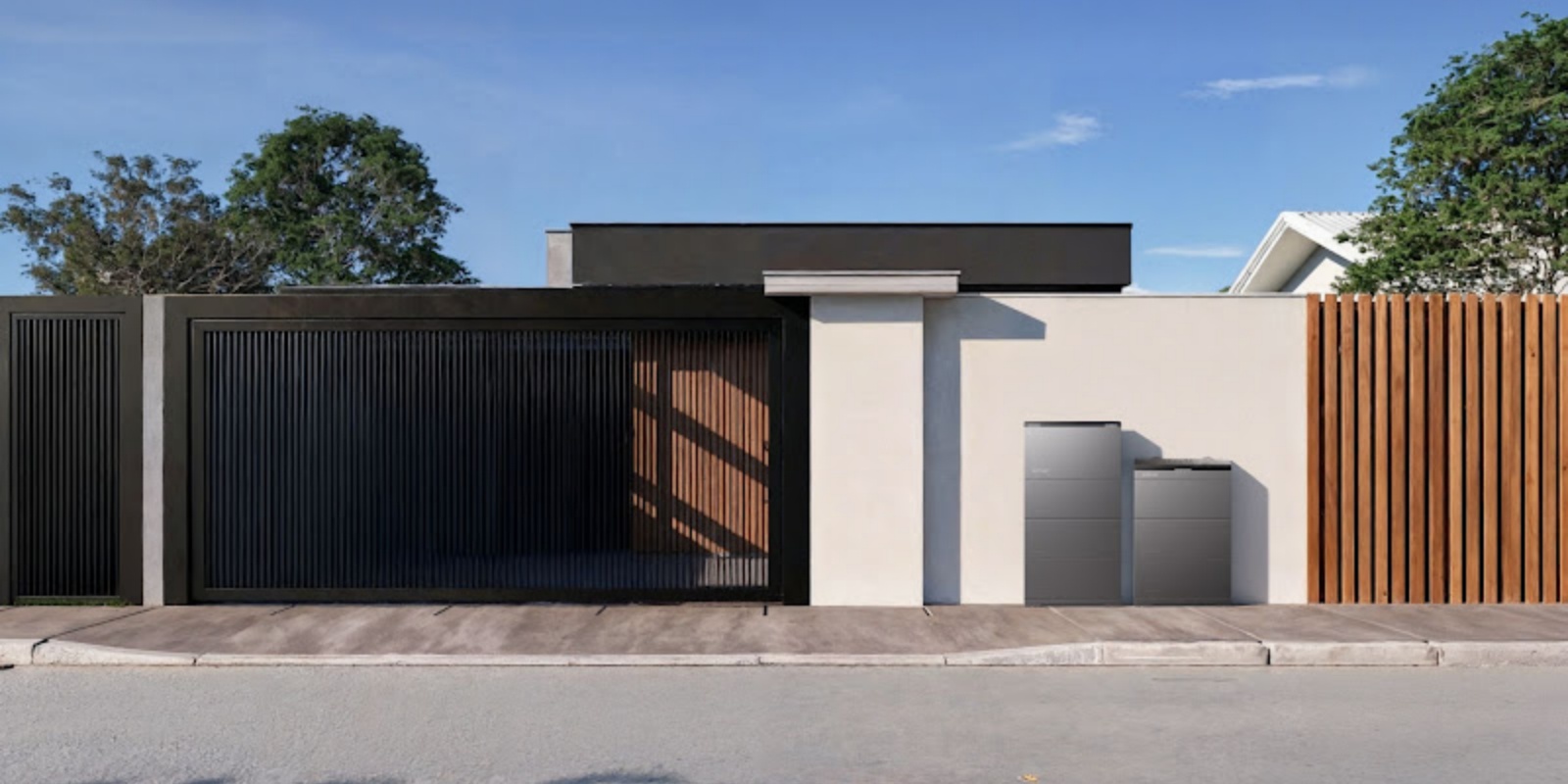
Storage helps address the timing mismatch: Solar generation often peaks during the day, while household electricity demand can be higher in the evening. Pairing your panels with a home battery like the EcoFlow OCEAN 2 Plus can help shift surplus solar generation to later in the day.
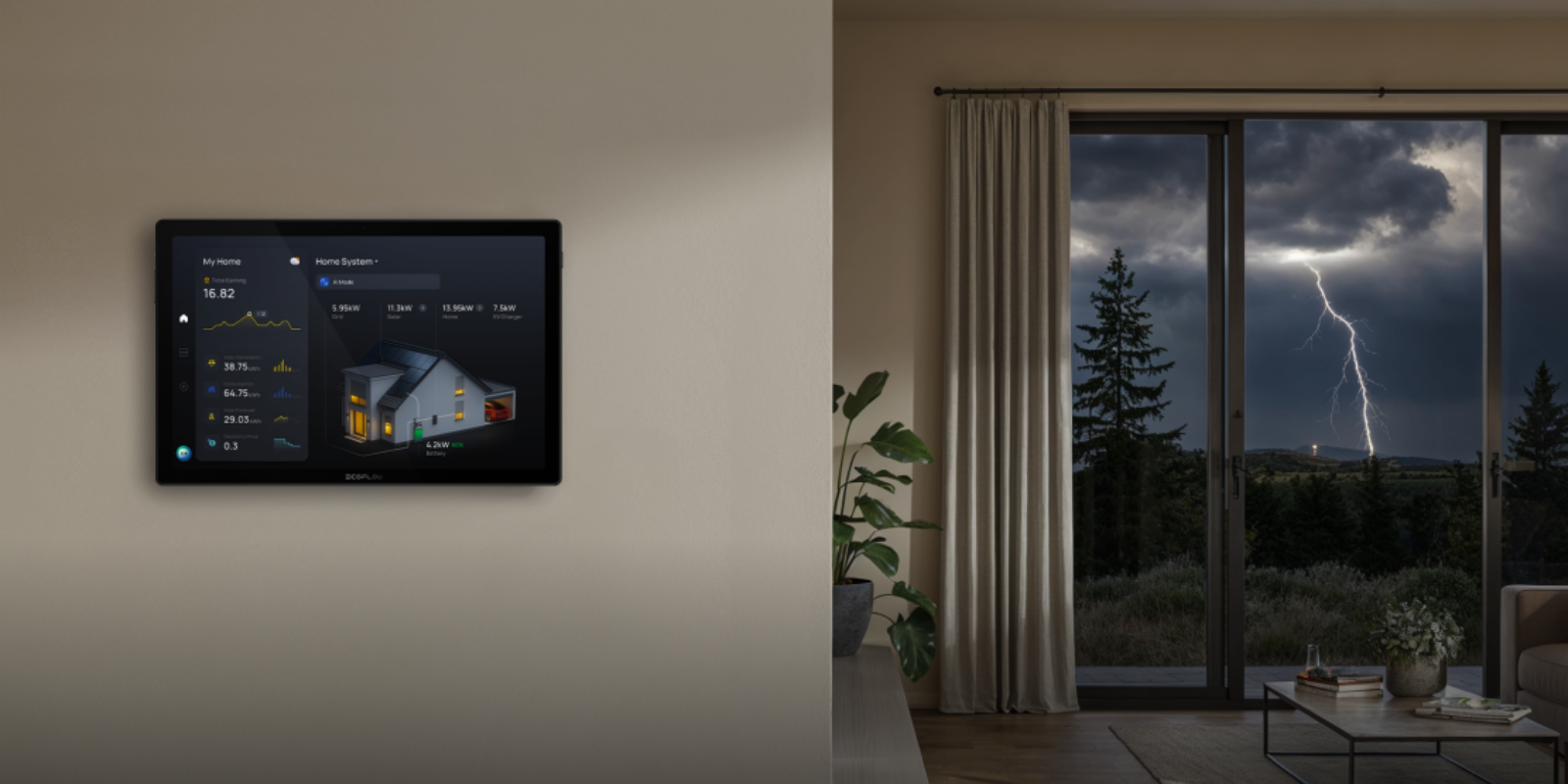
Monitoring can help you use solar more effectively: Real-time monitoring like the EcoFlow PowerInsight 2 lets you track generation and household consumption, helping you time flexible loads for periods of higher solar output or lower electricity prices.
Do Solar Panels Need Direct Sunlight to Generate Electricity?
No. Solar panels can generate electricity from both direct and diffuse daylight, so they continue working when the sky is cloudy. Pairing panels with solar battery storage also lets you keep surplus daytime generation for later use.
Direct Sunlight vs. Diffuse Sunlight
Daylight reaches your roof as a combination of direct and diffuse solar radiation.
Direct sunlight travels from the sun to the panel with relatively little scattering, providing higher irradiance and generally higher power output.
Diffuse sunlight has been scattered by clouds, atmospheric particles, and other elements before reaching the panel.
Silicon PV cells can use both types of solar radiation. Direct sunlight generally provides the highest output, but diffuse light can still generate electricity when the sky is cloudy.
Can Solar Panels Work on Cloudy Days?
Solar panels can still generate electricity on cloudy and rainy days because diffuse daylight continues to reach them. Thick cloud reduces irradiance and therefore lowers output, but it does not necessarily stop generation altogether. The amount of electricity produced depends on the intensity of the available daylight and the system’s design.
How Much Energy Can Solar Panels Produce Without Direct Sunlight in the UK?
Solar panels generally produce less electricity when direct sunlight is reduced, but actual output depends on cloud cover, daylight levels, panel orientation, shading, system design, and the time of year.
Typical Output on Overcast & Rainy Days
On heavily overcast days, solar PV output can fall substantially below the system’s rated peak capacity. A 10% to 25% range can be used as a rough illustration for some conditions, but actual output varies considerably with cloud thickness, daylight intensity, panel orientation, shading, and system design.
| Weather Condition | Daylight Quality | Illustrative Output Range | Example for a 4 kWp Array |
|---|---|---|---|
| Bright, clear conditions | Mostly direct sunlight | 80% – 100% | 3.2 kW – 4.0 kW |
| Hazy sunshine / thin high cloud | Mixed direct and diffuse light | 50% – 75% | 2.0 kW – 3.0 kW |
| Overcast conditions | Mostly diffuse light | 10%–25%* | 0.4–1.0 kW |
| Very dark cloud / heavy rain | Low diffuse light | 5%–10%* | 0.2–0.4 kW |
*These figures are illustrative rather than guaranteed output levels. Actual PV output varies with irradiance, panel orientation, shading, temperature, inverter limits, and system design.
Solar Panel Performance in UK Winters
Britain’s seasonal variation is significant. Between November and February, shorter days and the lower sun angle generally mean that solar systems generate considerably less electricity than during the longer summer days.
A large share of annual solar generation typically occurs between spring and early autumn, while winter contributes a smaller share because of shorter daylight hours and lower solar elevation. Winter does not stop PV generation altogether, but it can significantly reduce daily and monthly output.
Does Temperature Affect Solar Panel Output?
A bit counterintuitive, but intense heat actually drags solar panel efficiency down. PV modules are commonly rated under standard test conditions at a cell temperature of 25°C. As cell temperature rises above that reference point, electrical efficiency generally falls, with the exact temperature coefficient depending on the module.
As a result, a cool, sunny day can sometimes provide better module efficiency than a much hotter day with similar sunlight conditions, although actual energy generation also depends on irradiance, daylight hours, and other system factors.
What Affects Solar Panel Performance in the UK?
Solar output also depends on your roof orientation, shading, panel efficiency, system design, and location.
Roof Orientation and Tilt
In the UK, an unshaded south-facing roof is generally considered favourable for maximising annual solar generation, with roof pitch also affecting performance.
That said, east-west layouts can also work well. An east-facing array catches the morning sun right as the kettle goes on, while west-facing panels pick up the late-afternoon rays when cooking and household demand ramp up. North-facing roofs generally receive less solar radiation and may produce lower annual yields, so they are often less suitable for residential PV.
Shading
Even partial shading can reduce PV output, particularly when multiple panels in the same string are affected. A shadow from a neighbouring chimney, an overhanging oak, or a dormer window will knock back the output across that section of panels. Modern systems can reduce the impact of partial shading by using technologies such as microinverters or DC optimisers, depending on the system design.
Panel Efficiency and System Design
Many modern residential monocrystalline panels offer conversion efficiencies of around 20% to 22%, although the exact figure varies by model. Pairing the panels with an appropriately sized inverter can help manage peak generation and system performance across different conditions. Check solar panel dimensions against usable roof space before finalising the layout.
Location Across the UK
Sunshine levels vary considerably across the UK, although solar generation depends on more than sunshine hours alone. Local irradiance, shading, roof orientation, and system design also affect annual generation.
In general, southern parts of the UK tend to receive more sunshine than many northern areas, while Scotland and Northern Ireland can have lower annual sunshine levels in many locations.
Solar potential therefore varies by location, but PV can still be a practical option in many parts of the UK when roof conditions, installation costs, electricity use, and expected generation are favourable.
How Can You Get More Solar Energy in the UK?
You can get more from your solar system by choosing the right system size, reducing shading, storing surplus electricity, and using more solar power at home.
Choose the Right Solar Panel System Size
Don’t size your system only around what you use at midday. Consider your available roof space, annual electricity consumption, expected solar generation, and future loads such as an EV or heat pump. A larger system can provide more generation during lower-irradiance conditions, although the appropriate system size should still be based on roof space, expected annual generation, electricity demand, and installation economics.
Reduce Shading and Optimise Panel Placement
Managing nearby vegetation can help reduce avoidable shading over time. And get your installer to position the panels clear of soil vent pipes, satellite dishes, and parapet walls, anything that’ll throw long winter shadows across the roof. Regular solar panel cleaning can also help prevent dirt from blocking incoming light.
Use a Home Battery to Store Excess Solar Power
Solar usually peaks during the day, while household demand tends to climb in the evening. A home battery like the EcoFlow OCEAN 2 Plus Single Phase lets you store that surplus daytime solar for later, so you’re buying less from the grid. In winter, when solar generation is lower, a compatible battery system may also be charged during cheaper off-peak periods and used when electricity prices are higher, depending on the tariff and system configuration.
Monitor Your Solar Generation and Energy Use
Getting the kit installed is only half the job. Knowing where those kilowatt-hours actually end up is what turns a passive setup into a home energy system that’s actually pulling its weight.
Without decent data, you’ve got no way of telling whether running the tumble dryer at 2pm is soaking up free solar or quietly pulling from the grid because a cloudy front just rolled in. An energy management monitor like the EcoFlow PowerInsight 2 fills in that missing bit.
It lets you monitor solar generation, household consumption, and battery charge in real time, helping you schedule flexible loads such as a washing machine, EV charger, or heat pump when solar output is higher and potentially reduce unnecessary grid consumption.
Are Solar Panels Worth It in the UK Without Constant Direct Sunlight?
Solar panels can still be worth it in the UK, even without constant direct sunlight. Whether they make sense for your home depends on your roof, electricity use, installation cost, expected generation, and how much solar electricity you can use yourself or export.
Solar Panels Can Still Make Sense If You Have:
Solar panels may be particularly suitable if your roof is relatively unshaded and faces south, south-east, south-west, east, or west, especially if you can use a meaningful share of the electricity during the day. They can be particularly useful for homes with higher electricity demand from an EV, immersion heater, heat pump, or similar loads. If you are eligible for a SEG tariff, you may also receive payments for eligible surplus electricity exported to the grid. An EcoFlow Solar Battery can help you use more of that daytime generation after sunset.
When Solar Panels May Be Less Suitable
Solar may be less suitable if your roof is heavily shaded by trees or nearby buildings, or if it is due for major repairs soon. Stick panels up just before you replace an ageing roof and you’re forking out for removal, scaffolding, and refitting on top. If you are considering moving within the next few years, it is also worth considering whether the expected energy savings and property value benefits justify the upfront cost over your expected ownership period.
What to Check Before Installing Solar Panels
Before installing panels, check that the roof is structurally sound and in suitable condition to support the system over its expected service life. It is also worth considering insulation and draught-proofing improvements, which can help reduce overall household energy demand. When arranging the installation, consider using an MCS-certified installer, particularly if you plan to apply for a Smart Export Guarantee (SEG) tariff.
Schedule Your Free Consultation Today!
What kind of product or solution are you interested in?


Conclusion
Solar panels don’t need direct, cloud-free sunlight to generate electricity. Cloudy days and winter conditions can reduce output, but PV systems can continue generating electricity when daylight is available.
Before installing a system, consider your roof orientation, shading, expected annual generation, and how much of that electricity you are likely to use yourself. A battery lets you shift the surplus daytime solar into the evening, and a bit of monitoring makes it easy to see how your usage lines up with what the panels are putting out.
Disclaimer: This article provides general information about solar panels, battery storage and energy use in the UK. Solar generation, savings and system performance vary by property, weather, system design, electricity tariffs and other factors. Planning requirements, export schemes and other regulations may change, so check the latest guidance from the relevant authorities or a qualified installer before making installation or financial decisions.
FAQs
Do solar panels work in the rain in the UK?
Yes. Solar panels can still generate electricity in rainy weather because some daylight continues to reach the PV cells. Rain may also help wash away some surface dirt, although it should not be relied on as a substitute for appropriate panel maintenance.
Can solar panels power a heat pump during a UK winter?
Solar panels can contribute to the electricity needed by a heat pump during winter, but generation is generally lower because of shorter days and lower solar elevation. Whether solar can cover a significant share of the heat pump’s demand depends on the PV system size, weather, heat pump efficiency, and household energy use. A home battery and an appropriate electricity tariff may help shift energy use to lower-cost periods.
Do I need planning permission for solar panels in England and Wales?
In many cases, household roof-mounted solar panels can be installed under permitted development rights in England and under similar rules in Wales, but the rules and conditions differ between the two nations. Listed buildings, protected areas, Article 4 directions, and installations that do not meet the relevant limits may require planning permission or additional consent. In England, for example, roof-mounted panels generally need to comply with specific permitted development conditions, including limits on projection from the roof surface.
Do solar panels generate electricity at night?
Solar panels generally do not generate meaningful electricity at night because there is no usable sunlight. Once the sun has set, a home with solar may rely on the grid or stored battery energy to meet its electricity demand.

