
Photovoltaic Panel Dimensions in the UK: Standard Sizes and Roof Planning Guide
Thinking about fitting solar panels to your home is a bit like buying a new sofa—you might love the look, but the first thing you need to do is get the measuring tape out. In the UK, our housing stock ranges from sprawling detached homes to snug Victorian terraces, meaning roof real estate is often at a premium.
This guide runs through standard solar panel dimensions, how to calculate your usable roof area within UK building regulations, and how to pick a system that gives you the most for your money, even if your roof’s a bit of a squeeze.
What Are Standard Solar Panel Sizes in the UK?
Before you get the ladders out, it helps to know what’s standard across the industry. Sizes vary a bit between brands, but most domestic panels stick to a similar footprint – one that’s built around typical UK rafter spacing.
Common Panel Dimensions for UK Homes
The standard residential solar panel usually measures approximately 1.7m to 1.8m in height and 1.0m to 1.15m in width. Most installers budget for a footprint of roughly 1.8–2.0 square metres (m2) per panel to account for the small gaps required for mounting clamps.
Average Depth of a Modern Solar Frame
They’re not as bulky as they used to be. Most frames come in at 30–40mm thick. That slim look matters; it keeps the panels close to the roof, so they don’t act like a sail when a storm blows in off the coast.
Load-Bearing Weight of Solar Modules
A typical solar panel weighs between 18kg and 22kg. While that sounds heavy, the weight is distributed across the mounting rail system. Most UK roofs built to modern standards (or traditional slate/tile roofs in good repair) can comfortably handle this “dead load” without extra reinforcement.
Total Area Covered by One Standard Module
To keep your maths simple, here is a quick reference table for a typical 10-panel system:
| Feature | Per Panel (Approx.) | 10-Panel System (4kW - 4.5kW) |
|---|---|---|
| Surface Area | 1.85 m2 | ~19–20 m2 |
| Weight | 20 kg | 200 kg |
| Typical Output | 400W – 450W | 4.0kW – 4.5kW |
How Much Roof Space Do You Need?
Working out how many panels you can fit comes down to usable space. Once you factor in the chimney and the shadow from next door’s gable, the real area is often smaller than you’d think.
Calculate Usable Roof Surface Area
Start by measuring the length and width of your roof slope. You can do this safely from ground level by counting the tiles and multiplying by their dimensions, or you can use satellite imaging tools.
Account for Chimneys and Obstructions
In UK homes, chimneys, vent pipes, and skylights take up valuable space. You cannot install panels directly over them, and you need to leave a gap around each for maintenance and to prevent shading.
Standard Solar Panel Setback Requirements
Under MCS guidelines and UK building regulations, you should leave a 30cm to 50cm gap from the roof edges, including the ridge, eaves, and valleys. This helps protect the panels from wind uplift and ensures rainwater drains properly into the gutters.
Consider Roof Angle and Orientation
Angle isn’t a physical size, but it affects how panels are spaced. On flat roofs, panels are usually tilted on A-frames. That means you need more room between rows – otherwise the one in front casts a shadow over the next.
How Shading Affects Usable Space
If a large oak tree or a nearby chimney shades a portion of your roof for most of the afternoon, that space is effectively “dead” for traditional string inverter systems. You’ll want to keep your panels in the “Goldilocks zone” of consistent sunlight.
How Many Solar Panels Does Your Home Need?
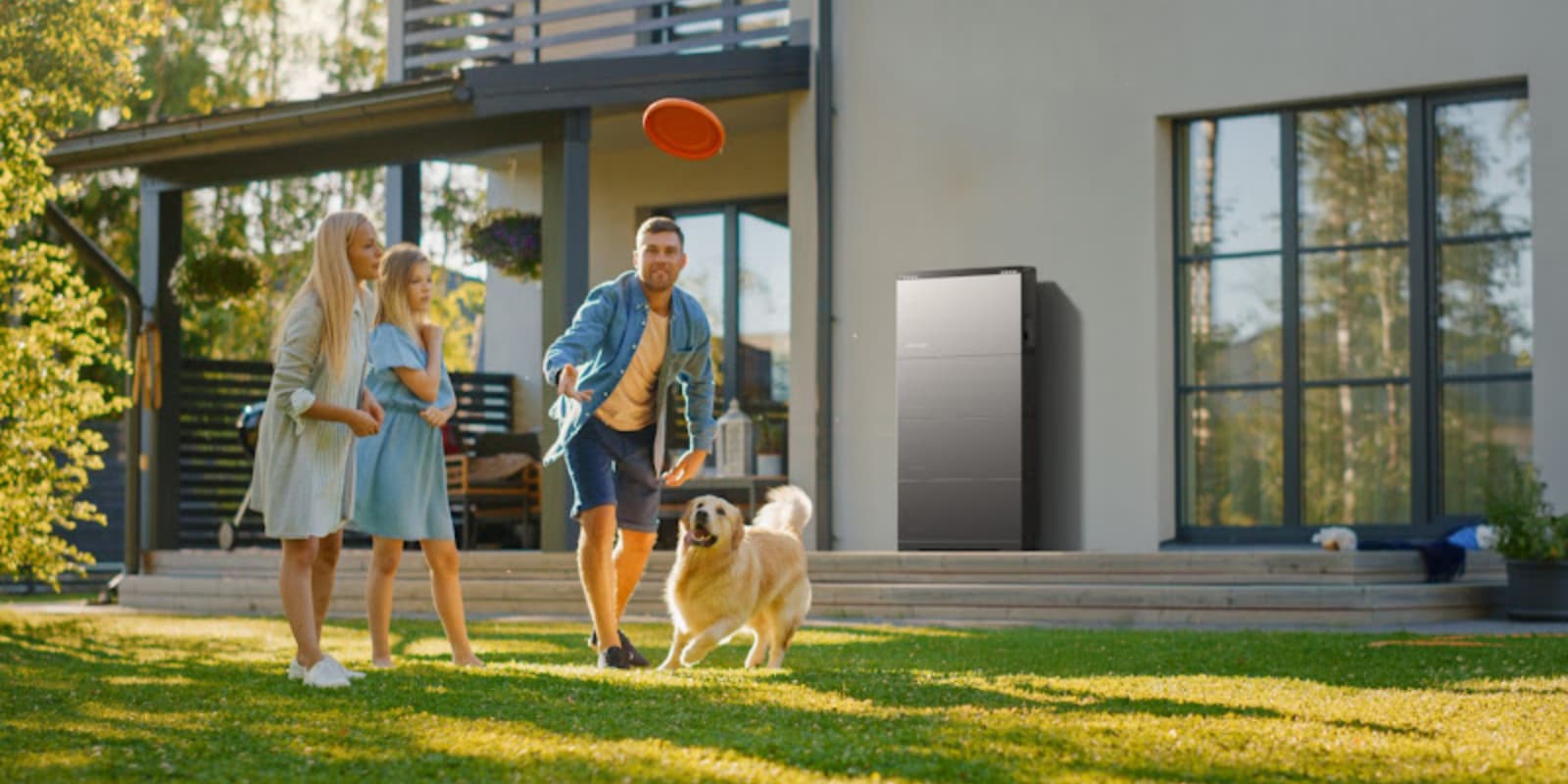
Sizing your system is a balance between your roof’s physical limits and your family’s energy appetite.
Assess Annual Energy Consumption: To understand how solar panels work with your electric bill, start by checking your annual usage; an average UK home consumes about 2,700kWh to 3,500kWh per year.
Determine System Size: A 4kW system (roughly 10 panels) is the “sweet spot” for many UK households, typically generating enough to cover a significant portion of daytime use.
Optimise Panel Density: If you have a small roof, look for “N-Type” or “TOPCon” cells, which offer higher efficiency, giving you more Watts per square metre.
Benefits of High-Wattage Panels: Using 450W+ panels instead of older 300W models means you need fewer physical units to hit your target output, saving space.
Why Storage Affects System Sizing
In the UK, we often generate the most power when we are out of the house. Without a battery, that excess green energy is exported to the grid for a few pence. If you’ve asked yourself, “How much does a home solar panel battery cost?” consider that the investment often pays for itself by maximising your self-consumption. Adding storage allows you to “oversize” your solar array slightly, ensuring you can fill a battery to power your home through the evening.
What Setup Works Best for Small or Awkward Roofs?
In a typical British semi-detached or mid-terrace house, the roof often has an irregular shape that limits how many panels you can fit.
Maximise Yield on Compact Roofs
In the UK, many semi-detached or terraced houses have limited and irregular roof space, meaning every square metre must be used efficiently. Choosing high-power-density monocrystalline modules can help reduce the total number of panels required, but smaller or split roof layouts often suffer from inconsistent solar generation due to multiple orientations and shading.
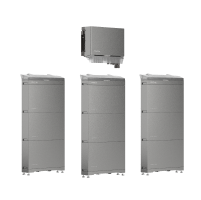
This is where the EcoFlow OCEAN 2 Plus Single-Phase system becomes particularly effective. Designed for complex roof environments, it features three independent MPPT channels, allowing it to optimise energy harvest from multiple roof directions separately. This ensures more stable and efficient energy capture even when different sections of the roof receive varying sunlight throughout the day.
With its modular architecture and compact installation design, OCEAN 2 Plus is well suited to space-constrained UK homes where garage or garden space is limited. Combined with robust weather protection and long-term system durability, it provides a reliable foundation for maximising solar output in unpredictable British conditions.
Optimise Storage with Smart Energy Monitoring
On roofs with limited layouts or multiple orientations (East-West splits), precisely controlling energy flow is the key to achieving reliable backup power. As the “visual hub” of your home energy system, the EcoFlow PowerInsight 2 features an 11-inch HD touchscreen, allowing you to track the generation and destination of every kilowatt-hour in real-time.
Against the backdrop of fluctuating UK energy prices, it intelligently coordinates the PowerOcean storage system to take advantage of dynamic tariffs (like Octopus Energy’s Agile). It can charge during low-price periods and discharge when prices spike, maximising your savings. With support for the Matter 1.4 protocol, it provides one-stop control for smart thermostats and lights, ensuring that even on gloomy winter days, every bit of roof energy is directed to the appliances that need it most.
Use Microinverters for Multi-facing Roof Sections
If your roof faces multiple directions, a string inverter might struggle. Microinverters allow each panel to operate independently, improving performance in shaded or multi-orientation setups. Any excess energy generated is then managed by the battery system’s charge controller, which efficiently stores available solar energy for later use.
Install Compact Mounting Rails for Tight Corners
Bespoke mounting solutions can help tuck panels into “awkward” corners of a hipped roof, ensuring no usable space goes to waste. Integrating a home battery storage unit into these tight layouts ensures that no surplus energy goes to waste during peak production hours.
Scale Capacity with Modular Battery Systems
Don’t feel pressured to buy a massive system on day one. Modular batteries allow you to start small (e.g., 5kWh) and add more “slabs” of storage as your budget or energy needs grow.
.png)
What Should You Do Before Installing Solar Panels?
Before the scaffolding goes up, run through a few standard checks.
Check the roof structure: Make sure your rafters aren’t rotting or sagging.
Look into planning rules: Most solar installations fall under Permitted Development. But if you live in a Listed Building or an Area of Outstanding Natural Beauty (AONB), you’ll probably need planning permission.
Get an MCS-certified survey: Only an MCS-certified installer can make sure your system qualifies for the Smart Export Guarantee (SEG).
Sort out the grid connection: Your installer needs to notify the District Network Operator (DNO). For larger systems (over a certain threshold – G99), you’ll need approval before installation.
Plan your future energy goals: Consider how a comprehensive home energy management system can integrate with your panels to provide long-term oversight of your household’s consumption and savings.
Schedule Your Free Consultation Today!
What kind of product or solution are you interested in?
Conclusion
Planning solar for a UK home comes down to getting the measurements right. Once you know a standard panel is roughly 1.7m by 1.1m, you can start to see how a system might fit your roof. Whether you’ve got a large detached house or a compact terrace, pairing efficient panels with smart storage like the EcoFlow PowerOcean means even a small roof can still deliver serious savings.
FAQ
1. How Far Should Solar Panels Be from the Edge of the Roof in the UK?
You should generally keep panels at least 30cm to 50cm away from the roof edges. This is to comply with building regulations regarding wind uplift and to ensure that rainwater flows correctly into your guttering system rather than overshooting it.
2. Can I Put Solar Panels on My Roof in a Conservation Area?
Yes, but you usually need to seek planning permission first. While solar is often “Permitted Development,” Conservation Areas have stricter rules regarding the visual impact on the local heritage, and you may be required to use “in-roof” panels or place them on a less visible elevation.
3. Will Solar Panels Be Too Heavy for My Roof?
Most modern UK roofs are more than capable of supporting solar panels without extra reinforcement. A standard array adds about 12-15kg per square metre, which is well within the load-bearing capacity of a healthy, tiled roof.
4. Can You Put Solar Panels on a Flat Roof Extension?
Yes, solar panels are commonly installed on flat roofs using angled mounting frames. These frames tilt the panels (usually at 10-30 degrees) to catch the sun, though they require more spacing between rows to avoid self-shading.
5. Can Solar Panels Overhang a Roof?
No, solar panels should never overhang the edge of a roof. Overhanging panels are highly susceptible to wind damage and usually violate UK building regulations and planning permissions, which state panels must not exceed the highest part of the roofline.

