
Why an Air Source System is Often Better than a Ground Source Heat Pump for UK Homes
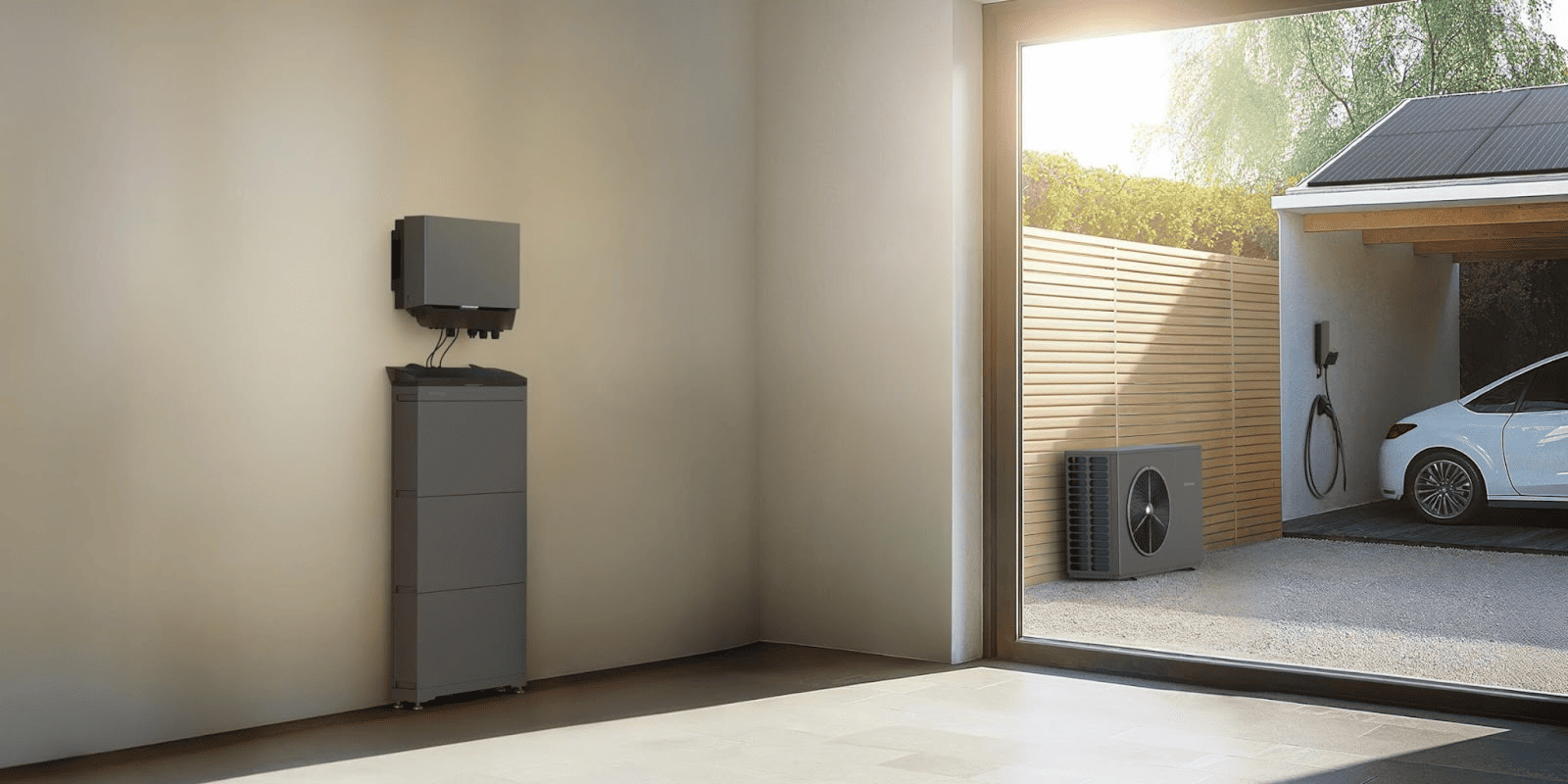
In line with the UK’s net-zero goals and 2026 Future Homes Standard, heat pumps are gaining interest as the eco-friendly, more economical alternative to traditional gas boilers. While homeowners have various options, understanding how heat pumps work is the first step in seeing why an air source model might be more beneficial for your property over a ground source heat pump.
Ground source vs air source heat pump: Cost advantages and grant support
Both the installation of air and ground source heat pumps are eligible for the Boiler Upgrade Scheme (BUS), a financial grant worth £7,500 for homeowners living in England and Wales. However, there is a great divide between their upfront costs, making the ground source heat pump more expensive, even despite the grant.
While an air source heat pump costs around £11,000, a ground source heat pump costs around £29,000. This cost difference lies mainly in the complexity of their installation, with the air-source heat pump needing just a well-ventilated outdoor space and larger radiators or underfloor heating to work. Meanwhile, ground-source heat pumps require significant groundworks, like laying down underground pipes.
Taking these capital expenditures and similar grants into context, it is safe to say that air source heat pumps pose a stronger payback compared to ground source heat pumps. Ultimately, investing in an air source heat pump is not just about heating; it is about transitioning your property into a modern renewable energy system that provides long-term financial stability.
Installation timelines for air and ground source heat pump systems
Not all residential properties can install a ground source heat pump. Interested homeowners must have the extra outdoor space (like a garden) for the underground pipes, which need to be drilled into the ground 2 meters deep through horizontal trenches, or even deeper if opting for vertical boreholes.
Either of these processes is expensive and disruptive, and would take weeks to complete.
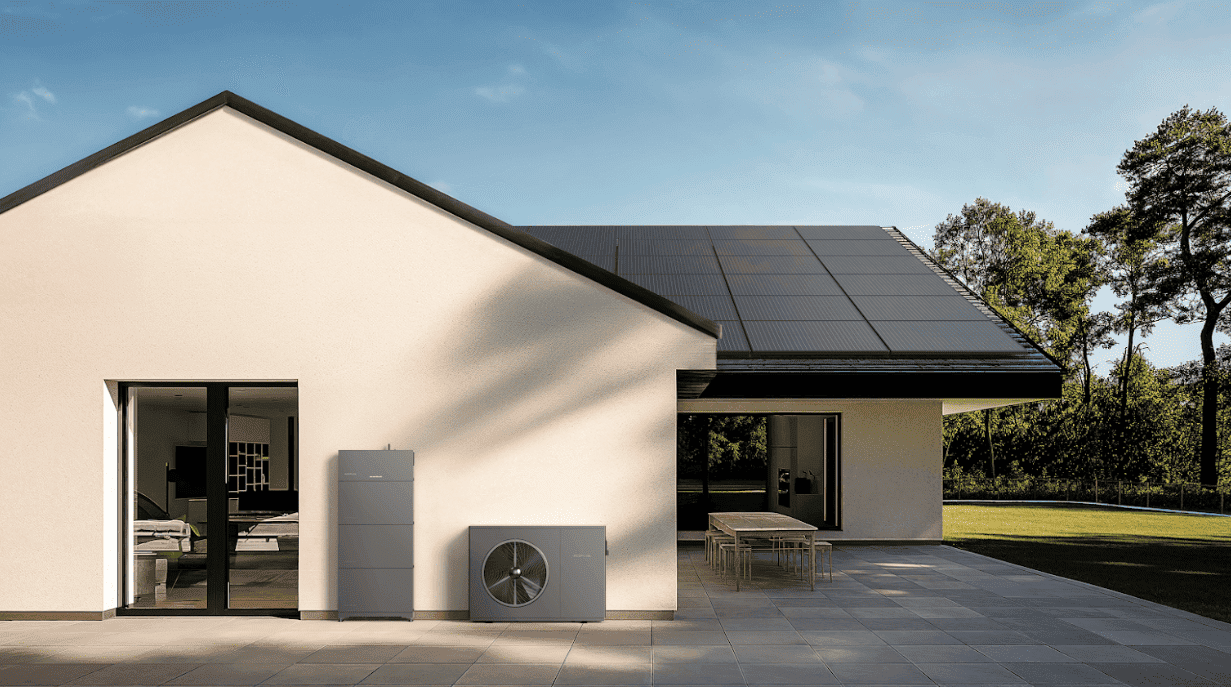
This is a huge contrast to air source heat pump systems like EcoFlow PowerHeat. As one of the leading home energy storage companies, EcoFlow has designed PowerHeat to be easily added to a house—even a flat or an apartment—as long as you have a compact outdoor space. What could only extend its completion to a few days: the upgrades to larger radiators or the addition of underfloor heating.
Spatial requirements for a geothermal heat pump system
Considering the groundworks they require, ground source heat pumps are better suited to large gardens, rural plots, or shared ground loops. On the other hand, air source heat pumps suit small plots, terraces, and urban homes, more so following the permitted development changes in England effective May 2025.
Before, homeowners needed to be mindful of the one-meter boundary between neighbors when installing an air source heat pump. But now, the government has given homeowners permission to install a heat pump even if it will be placed less than one meter from a neighbor, a bid to further encourage more people to shift to heat pumps.
Also included in these changes are the consent to use larger unit sizes and install up to two units on detached homes.
Schedule Your Free Consultation Today!
What kind of product or solution are you interested in?
Efficiency and performance of a ground source heat pump UK
In winter, ground source heat pumps become a steady, reliable source of heat, since the ground provides stable heat throughout the year, unlike outdoor air which cools with the weather. For instance, while air temperatures may plummet to freezing, the ground remains at a relatively mild 8°C to 12°C. Because of this, this heat pump achieves a higher Seasonal Performance Factor (SPF) or Seasonal Coefficient of Performance (SCOP).
But in mild weather, say spring or autumn, an air source heat pump can become more efficient than its ground-based counterpart. Primarily, because the ground is still at its relatively cool, stable temperature, and the ground source heat pump must still expend energy to circulate fluid through its ground loop, which the air source heat pump does not require because of its straightforward process.
While the efficiency of a geothermal heat pump system is high, the overall performance of any heat pump system is decided by a well-designed setup. This includes matching the system's capacity to the property's heat loss, ensuring the emitter area (e.g., radiators or underfloor heating) is large enough to operate at a low temperature, and correctly setting the heating curve to provide just enough heat for the home's needs.
Comparing air source and ground source heat pump heating for retrofit ease
If you have no plans for a total property upgrade, then the air-source heat pump systems like EcoFlow PowerHeat is the more ideal option.
No extensive groundworks involved, just upgrading of radiators or installing underfloor heating on top of fixing your compact outdoor unit in a space with sufficient airflow. This makes it ideal for existing properties, including terraced houses with limited outdoor space.
But if you are building a property anew or are in the middle of a major property overhaul, then it would not be too demanding to have a ground source heat pump installed. Since either horizontal trenches or vertical boreholes are required for its installation, see to it that you are ready for the costs, the disruptive process, and the timeframe.
Maximising comfort with air and ground source heat pump heating
When considering seasonal performance, it is important to note that the advantages of ground source heat pumps include their ability to maintain higher efficiency in extreme cold by drawing from stable underground temperatures. However, air source models are often considered more practical for most typical UK households due to their significantly lower entry barrier.
Whether you choose an air source heat pump or a ground source heat pump, you have the flexibility to pick your indoor heating system. Either you upgrade your existing radiators to larger versions, which better cater to the low-temperature water generated by your heat pump, or you retrofit your home with underfloor heating, which is designed to operate at these low temperatures while providing an even, consistent warmth across a large surface area.
In terms of household comfort, PowerHeat also has an integrated inverter technology (backed by a comprehensive inverter warranty), which allows your heating system to ensure constant temperature throughout your home. You can also have full visibility and control of your home heating through the EcoFlow app. From scheduled heating/cooling to your heating energy data, the app lets you manage and monitor your home energy storage and household consumption efficiently.
How a ground source heat pump UK supports net-zero goals
Beyond personal household benefits in the form of long-term savings and household resilience, especially when paired with solar battery storage, switching from gas boilers to heat pumps supports a larger cause.
For one, the use of electricity instead of gas to generate heat aligns with European climate goals, such as those outlined in the REPowerEU plan. The plan ultimately aims at reducing reliance on fossil fuels, as well as upholding the UK’s goal of grid decarbonisation.
While both air and ground source heat pumps are beneficial in their own ways, the former is more accessible to UK homeowners, since it requires less space and smaller upfront costs, especially with financial grants from the government.
Why air source systems top ground heat pump units in most UK homes.
While ground source heat pumps offer impressive efficiency, the spatial and financial realities of UK housing make air source systems the clear winner for the majority of homeowners. Air source units provide a compact, cost-effective, and high-performance alternative that avoids the disruption of major excavation.
Unless you have an expansive plot of land and a significantly higher upfront budget, choosing an air source system paired with residential battery storage is the fastest path to a lower carbon footprint and significantly reduced reliance on fossil fuels..
To know which system is best for your home and how it integrates with modern eco battery solutions, you can schedule a consultation with a professional and consider your options.
FAQ
Which is better, an air or ground source heat pump?
Ground source heat pumps are more efficient in cold weather, but they’re expensive and complex to install. Air source models are cheaper and easier to install and work best in mild climates. The choice depends on personal situation and preference.
Do heat pumps work in cold weather?
Yes, they do. Heat pumps don't create heat; they move it from one place to another. There's always thermal energy to extract, even at freezing temperatures. Modern heat pumps are designed to operate effectively in temperatures as low as -25°C.
How often should you service a heat pump?
Having your heat pump checked by a professional once a year is a good start. However, some professionals recommend a twice-yearly service. Once in the spring to prep for the cooling season and again in the fall for the heating season.
Can I install an air source heat pump in a small home?
Yes. Air source heat pumps suit small plots, terraced homes, flats, and many urban properties, as long as there is a compact outdoor space with good airflow.
Is a ground source heat pump worth the higher cost?
It can be for larger properties with enough land and long-term plans, but for most UK homes, the lower upfront cost of air source systems gives a faster payback.

