
EcoFlow PowerHeat: The High-Efficiency Alternative To a Heat Pump for Geothermal System
Rising energy bills are pushing UK homeowners to reconsider how they heat their homes. Many are exploring a heat pump for geothermal system installations, alongside alternatives such as air-to-water heat pumps paired with solar panels. Both options offer long-term savings, but they come with very different costs and installation requirements.
What Is a Heat Pump for Geothermal System?
A heat pump for geothermal system is a type of heat pump that draws on the stable temperature beneath the ground to move heat from one place to another. Ground source heat pumps (GSHPs) are well regarded for their efficiency and long-term savings. They work best for new builds with available land or retrofits with substantial budgets.
GSHPs produce heat consistently and achieve high seasonal efficiency ratings. That said, land access is required for drilling or trenching, upfront costs are significant, and installation typically causes considerable disruption to the property.
Ground Source Heat Pump Cost and Installation Challenges
High Upfront Investment
The ground source heat pump cost for UK residents typically ranges from £18,000 to £45,000. This covers drilling or trenching, the heat pump unit, tanks, and labour. Additional engineering and survey fees can push the total higher. A long payback period is also a key factor to weigh up before committing.
Installation Disruption and Timelines
Installation of a ground source heating system involves groundwork services and heavy machinery. Coordinating with utility providers is often required. The temporary site disturbance can make it difficult to remain in the property during the process.
Additional Home Upgrades Often Required
Installing a GSHP often requires wider home upgrades. These can include radiator replacements or underfloor heating, insulation work, and electrical upgrades. Each adds to the total ground source heat pump installer cost.
Ground Source Heating Cost: Maintenance and Repair Considerations
Ongoing ground source heating costs extend beyond installation. Buried ground loops are difficult to access and expensive to repair. Specialist servicing is required when problems arise, adding complexity despite the system's long lifespan.
Why High-Efficiency Air-to-Water Heat Pumps Make More Sense
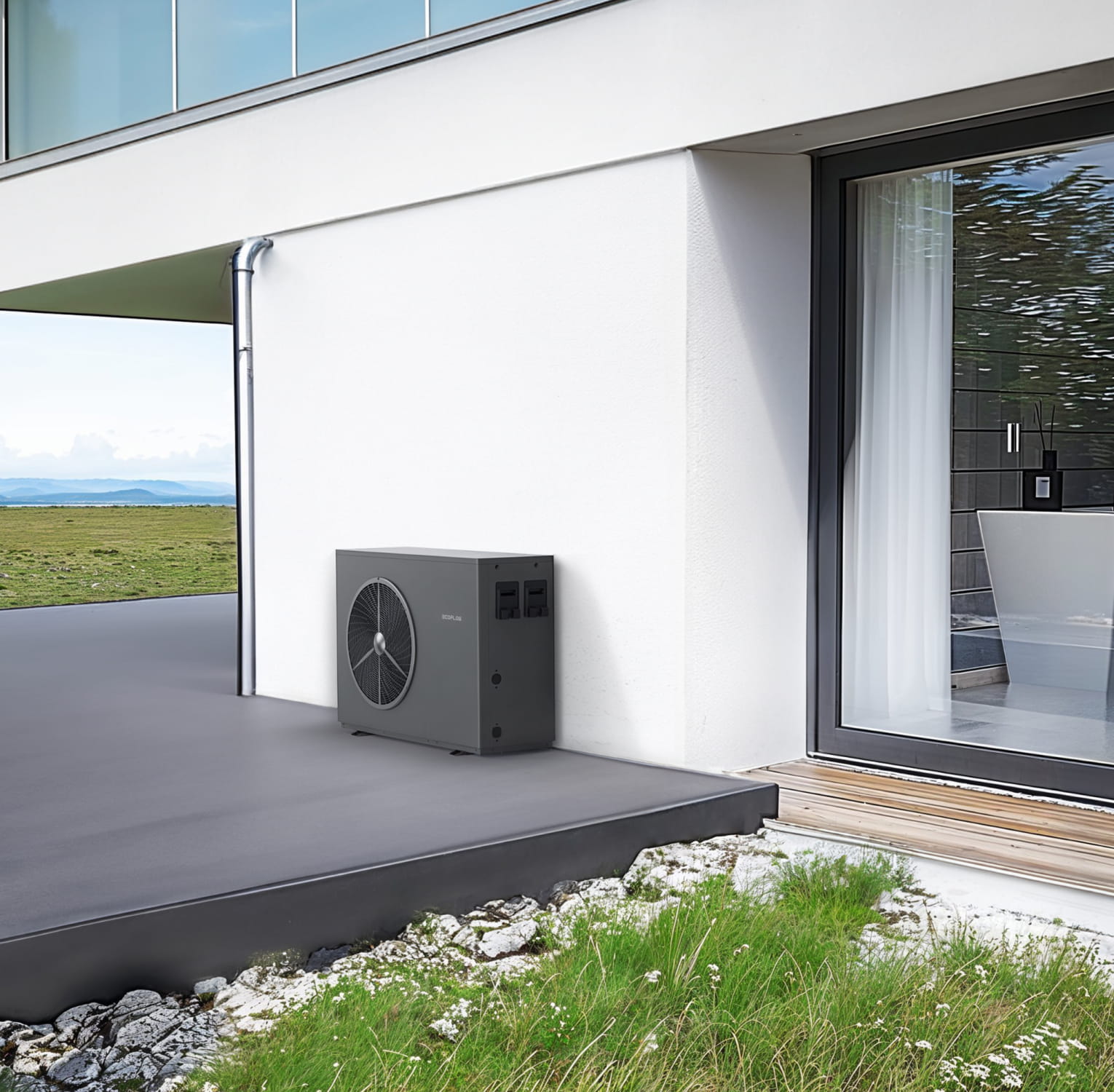
Unlike ground source systems that rely on underground loops, an air to water heat pump UK model like EcoFlow PowerHeat draws on ambient air, which requires no groundwork. Installation is simpler and faster. AWHPs suit the majority of UK homes that do not have large outdoor land areas. Modern inverter-driven systems now match the COP and seasonal performance of GSHPs.
Schedule Your Free Consultation Today!
What kind of product or solution are you interested in?
EcoFlow PowerHeat: A Practical Alternative for UK Homes
High Seasonal Performance With Inverter Control
PowerHeat is a smart heat pump system with an integrated inverter control that delivers high seasonal performance. A variable-speed inverter maintains a stable temperature and avoids the cycling losses seen in lower-spec systems. This mirrors the operating principle of premium GSHPs. It delivers a high COP across seasons and is suited to the UK climate.
Designed for Solar-Powered Heating
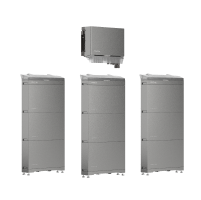
PowerHeat is compatible with solar and battery storage systems. It integrates directly with EcoFlow PowerOcean, a home energy storage solution. Pairing solar generation with battery storage maximises self-consumption, cuts electricity costs, and reduces reliance on volatile grid prices.
R290 Natural Refrigerant for Higher Efficiency and Low GWP (Global Warming Potential)
Refrigerant choice directly affects how efficiently your heat pump runs. PowerHeat uses R290 refrigerant, which delivers superior thermodynamic performance in low-temperature heating. GSHPs benefit from stable underground temperatures, and R290 narrows that efficiency gap for air-to-water systems. This refrigerant carries an ultra-low GWP of under 20 compared to legacy alternatives. It contributes to an A+++ energy rating and supports UK environmental goals around refrigerant regulation.
Comfort Optimized: Constant System Temperature
Precise modulation prevents temperature fluctuations during seasonal transitions, maintaining consistent comfort throughout the year. PowerHeat's quiet operation makes it a strong choice for dense urban settings. It also delivers a smooth heating curve performance, keeping your home warm without the noise of traditional systems.
Fast Installation With Existing Home Compatibility
Unlike GSHPs, PowerHeat requires no excavations or boreholes. It works with existing radiator infrastructure and causes minimal home disruption compared to week-long GSHP groundworks. A single-phase option suits standard domestic supply, and a three-phase option is available for higher output.
Smart Energy Management and Whole-Home Visibility
PowerHeat integrates into a single ecosystem covering solar, battery, and app-based controls. EcoFlow's HEMS provides real-time heat output and energy consumption data. PowerInsight 2 enables temperature zoning and programmable schedules, with remote adjustments and automation built in. A standard GSHP does not offer this level of unified control.
Designed for Future-Ready Home Energy Systems
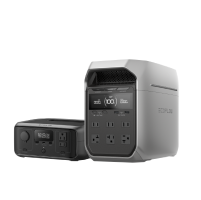
PowerHeat works with decarbonised, electric-first home strategies and scales to your evolving energy needs. This includes pairing it with the best energy storage solutions or an EV charger like PowerPulse 2. It is also compatible with a smart immersion heater for hot water efficiency.
Cost Comparison: Ground Source Heat Pumps vs PowerHeat
Here is a cost comparison between ground source heat pumps vs. the PowerHeat.
| Category | Ground Source Heat Pump | EcoFlow PowerHeat |
|---|---|---|
| Typical upfront cost | £18,000 to £45,000+ | Significantly lower installation cost |
| Installation time | Weeks / major ground works | Faster, minimal disruption |
| Space needed | Large outdoor land | Compact, no trenching |
| Best for | New builds, large plots | Most UK homes, including retrofits |
| Efficiency | Very high | Comparable with solar + inverter tech |
Air-source heat pumps are more residential-ready than ground source heat pumps
EcoFlow PowerHeat offers clear advantages over GSHPs: lower installation costs, fewer land requirements, and integrated smart system compatibility. It aligns with UK decarbonisation and affordability goals. Request a consultation with EcoFlow to find out if it is right for your home.
FAQ
Is a heat pump a geothermal system?
Yes, geothermal heat pumps are a specific type of heat pump that use the stable temperature beneath the ground as their energy source. This is how they produce consistent heat, regardless of outdoor air temperature.
What are the benefits of a geothermal heat pump?
Geothermal heat pumps provide consistent heating, quieter operation than many alternatives, and lower maintenance requirements over the system's lifespan. Their efficiency comes from the stable ground temperature they draw on, rather than variable outdoor air conditions.
What are the downsides of a ground source heat pump?
A ground source heat pump can be costly to install due to drilling, unit costs, labour, and permit fees. It also requires sufficient outdoor land for the ground loop. These factors make it less practical for most urban and suburban UK homes.
Are all heat pumps geothermal?
No, not all heat pumps are geothermal. Geothermal heat pumps use underground loops to extract stored ground heat, while air source heat pumps draw warmth from outdoor air. Both are heat pump types, but they differ significantly in installation requirements, cost, and property suitability.
What is the alternative to a heat pump for a geothermal system?
An air source heat pump is the most common alternative to a ground source geothermal system for UK homes. Air-to-water models like EcoFlow PowerHeat require no groundwork, cost significantly less to install, and can be paired with solar panels and battery storage to cut running costs. For most residential properties, this makes them the more practical choice.

