Why Is My Energy Bill So High in Australia? Understanding Reasons and Solutions
Power bills have been a real stress across Australia, and it is not just because someone left the air conditioner on. The ABS says electricity costs jumped 37.0% in the year to February 2026, mostly as government rebates ran out. So, when you search "why is my electric bill so high", the answer usually starts before your meter.
Still, home habits matter. Summer cooling, winter heating, an old fridge, poor insulation, standby switches, and peak-hour use can quietly lift the total. This guide breaks down the common causes, so you can spot where the extra money goes.
Why Electricity Bills Are High in Australia - 8 Reasons To Know
Many households ask why their power bill is so high. Focus on usage first. That matters, but the bill itself is also being pushed by network charges, tariff settings, weather, and equipment inside the home. The reasons below usually stack on top of each other rather than appearing on their own:
Rising Energy Prices and Network Charges: External factors drive bills up. Network costs make up 33% to 48% of typical bills, while wholesale costs account for 31% to 45%. In 2025–26, benchmark bills rose by up to 9.1% in NSW and over 3% in QLD and SA.
Heavy Use of Air Conditioning and Heating: Climate control is often the biggest internal expense, accounting for 20% to 50% of home energy use. Every extra degree on your thermostat can increase consumption by 5% to 10%.
Old and Inefficient Appliances: Appliances represent about 30% of home energy use. Older fridges, dryers, and dishwashers often "chew" through power quietly. Use the Energy Rating system to compare running costs before you buy.
Standby Power and Hidden Loads: "Hidden" loads from home entertainment and idle electronics account for at least 5% of your bill. Devices like game consoles, chargers, and microwaves add up to a steady background load throughout the week.
Peak-Time Usage and Tariff Structures: Using energy at the wrong time can spike your costs. On time-of-use tariffs, evening rates are highest. Off-peak rates usually apply overnight (often 10 pm to 7 am) and on weekends, depending on your retailer.
Poor Insulation and Home Design: A "leaky" home costs more to run. Good insulation keeps warmth inside during winter and outside in summer. Poor window performance alone can cause up to 40% of a home's heating loss.
Hot Water Use: Water heating is the second largest energy expense in Australia (15% to 27%). Long showers and high thermostat settings on older storage systems are common reasons bills creep up.
Pool Pumps and Outdoor Equipment: For 1.1 million Australian homes, a pool pump can be the single largest electricity user. It often accounts for 18%, and in some cases up to 30%, of the total household energy bill.
Simple Everyday Ways to Reduce Your Electricity Bill
If you still catch yourself asking why my power bill is so high, start with changes you can make this week. Small actions will not solve every pricing problem, but they do cut waste and make larger upgrades easier to judge. The best approach is to trim the background load, then target the biggest users.
Turn Off Unused Devices and Manage Standby Power
Switch devices off at the wall when they are not needed. Focus on TVs, consoles, chargers, speakers, and kitchen appliances with display lights. That will not fix a whole bill on its own, but it does remove avoidable background use from rooms where power is being drawn for no real benefit.
Use Energy-Efficient Appliances and Settings
When replacing appliances, check the Energy Rating Label to find energy efficient appliances rather than buying based on sticker price alone. Moreover, review the settings you already use every day. Raising the aircon set point slightly in summer, or lowering heating a little in winter, can make a real difference because every degree affects energy use.
Shift Usage to Off-Peak Hours
Run the dishwasher, washing machine, dryer, electric hot water, or pool pump outside peak windows where possible. Smart appliances can help here because many now let you schedule operations from your phone. This matters most on time-of-use tariffs, where moving heavy loads to cheaper periods can noticeably reduce the bill.
Switch to LED Lighting and Smart Controls
Lighting now takes a smaller share of bills than it once did, but it still accounts for around 5% to 10% of the average household electricity budget. LEDs, motion sensors, timers, and simple smart controls make this one of the easiest low-cost fixes. Smart home systems can also automate lights and appliances so they do not stay on longer than needed.
Improve Home Insulation and Temperature Control
Insulation, draught sealing, curtains, shading, and better window use can reduce how hard heating and cooling systems need to work. In practice, that means blocking the hot sun in summer, holding warmth in during winter, and using fans before air conditioning when conditions allow. A high electricity bill often comes from comfort systems working harder because the house itself is not helping.
Long-Term Solutions: Solar Panels and Home Batteries
Once quick savings are done, the next step is to look at how the home uses electricity throughout the full day. If you are still asking why my electric bill is so high, assess solar. Battery storage is also worth reviewing, especially in Australia's rooftop-solar market.
How Solar Can Offset Daytime Electricity Use
Rooftop solar can reduce grid consumption by supplying part of the home's daytime electricity needs from power generated on site. That means less electricity needs to be bought from the grid while the system is producing. Homes that use more power during the day often benefit most, especially when appliances are run during solar generation hours.
This setup can improve self-consumption and make daytime electricity more efficient. It can also reduce exposure to rising grid prices, although the result still depends on system size, household demand, roof conditions, and local sunlight patterns.
Why Add a Home Battery System
A home battery changes when solar power can be used. Instead of sending all surplus solar back to the grid during the day, some of that energy can be stored and used later. This helps cover evening demand, supports greater solar self-consumption, and may also provide backup support depending on the system design.
One example of this type of residential setup is the EcoFlow PowerOcean Single-Phase Battery for home solar and storage. EcoFlow presents it as a single-phase residential battery and inverter system designed to support self-consumption, improve energy stability, and reduce reliance on grid imports.
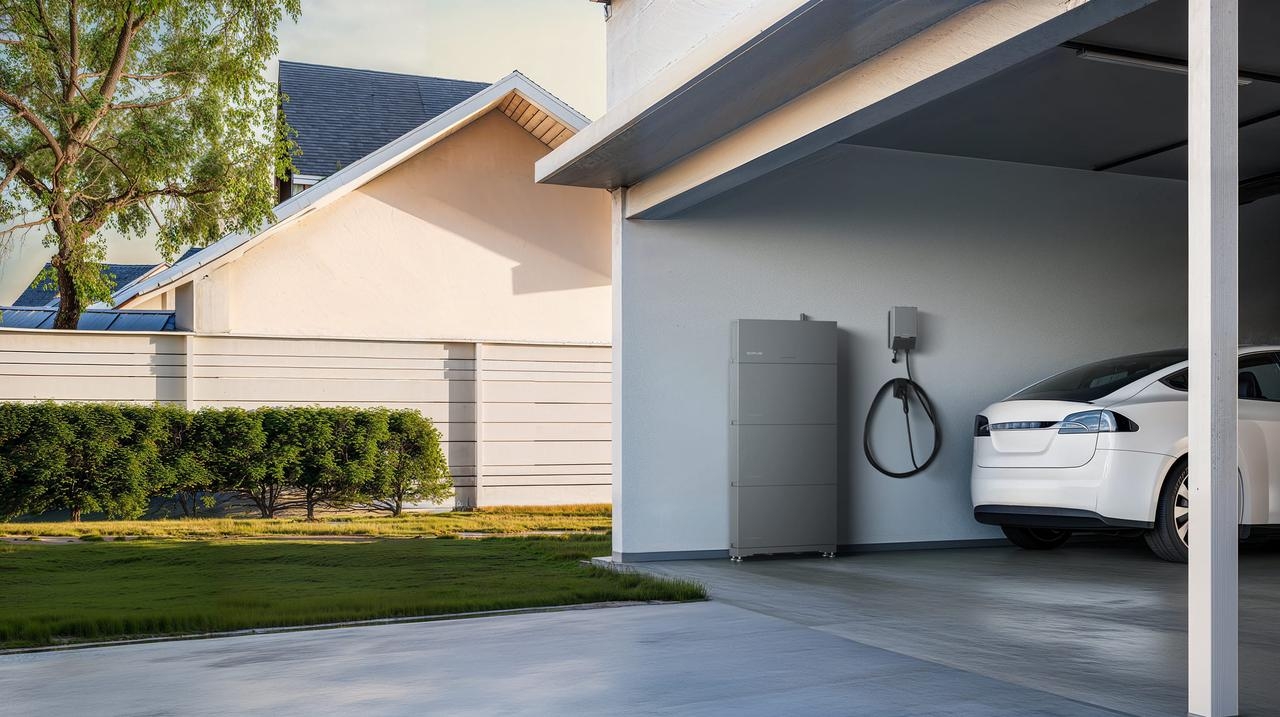
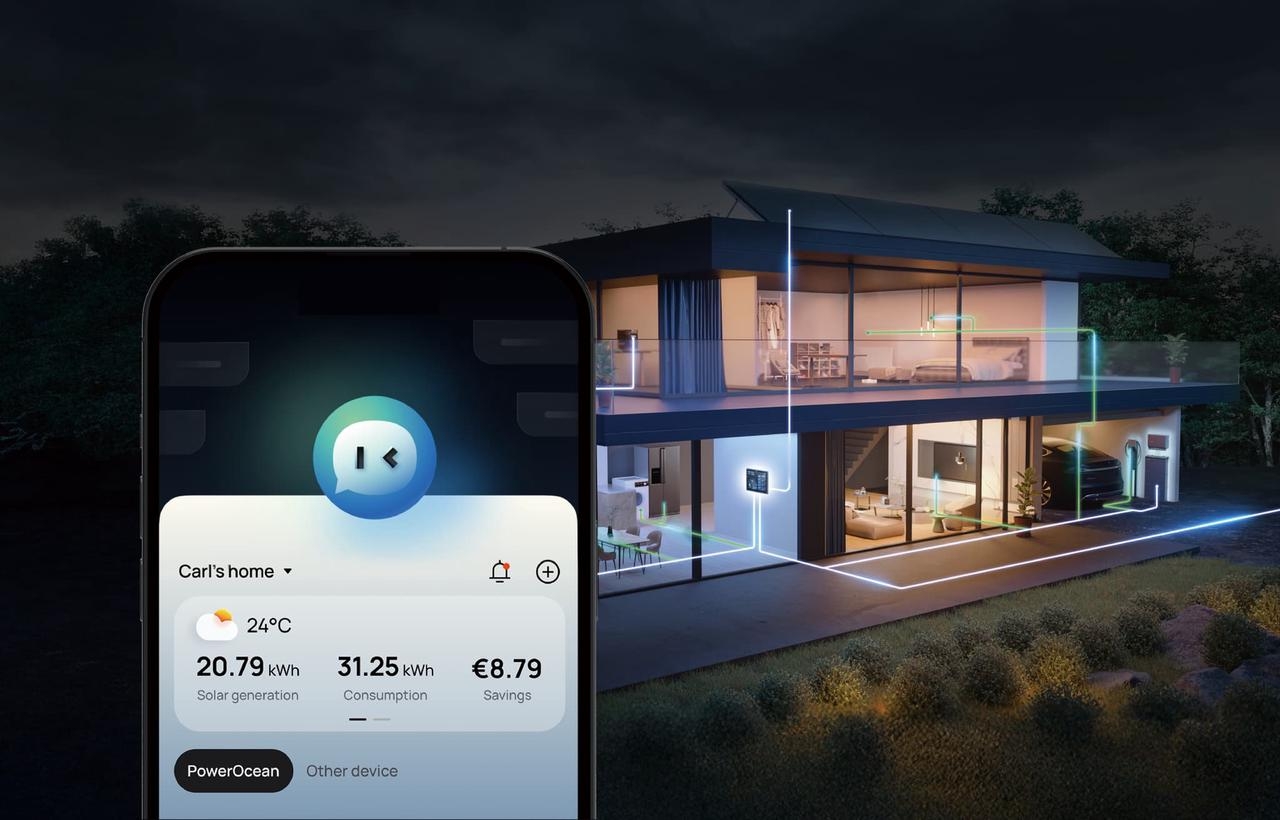
Alongside the battery, an EcoFlow Home Energy Management System helps coordinate the full setup. It can manage appliance timing, battery charge and discharge behavior, and the use of off-peak tariff periods. That makes the system more practical for households still asking why their power bill is so high and looking for better control over daily energy use.
Ready to take control of your energy savings? Contact the EcoFlow expert today to get a solar battery quote for your home system.
Schedule Your Free Consultation Today!
What kind of product or solution are you interested in?
Putting It All Together: A Step-by-Step Action Plan
If why is my energy bill so high keeps coming up, review tariffs. Then check the major loads before deciding whether efficiency upgrades or hardware changes are the right fit.
Step 1: Review Bills and Understand Tariffs.
Check whether you are on a flat-rate or time-of-use plan. Look at when peak, shoulder, and off-peak periods apply, and compare the current deal with other available offers.
Step 2: Identify Major Loads and Quick Wins.
Start by checking heating, cooling, hot water, pool pumps, and older appliances. They usually have a bigger impact on the bill than phone chargers or a forgotten light.
Step 3: Improve Efficiency.
Tighten up thermostat settings, use fans first where possible, switch to LEDs, reduce standby power, and improve insulation or draught sealing. These changes lower waste before you spend money on bigger systems.
Step 4: Assess Suitability for Solar and Battery.
Look at the roof direction, available sunny roof area, shading, budget, and when your household uses most of its electricity. North-facing roofs usually generate the most over the day, while east- and west-facing arrays can better match morning or late-afternoon demand.
Conclusion
To conclude, high power bills in Australia usually come from a mix of rising prices, heavy heating or cooling, inefficient appliances, and poor timing. If you still wonder why my electric bill is so high, start with usage patterns, then assess smarter upgrades. For households planning long-term savings, the EcoFlow Home Energy Ecosystem is worth considering.
FAQs
Is electricity cheaper at night?
Sometimes, yes. On time-of-use plans, off-peak rates are often lowest overnight. Peak prices usually apply on weekday evenings. Flat-rate plans do not change by time of day. EcoFlow HEMS can help households shift flexible usage into cheaper periods easily.
What month is electricity cheapest?
There is no single cheapest month across Australia. Tariffs often stay the same throughout the year. Bills usually fall in milder months because heating and cooling are easier. EcoFlow HEMS may help households manage seasonal demand with more control.
How much is a normal electricity bill in Australia?
If you keep asking why your electric bill is so high, compare your usage with benchmarks. There is no single normal bill. Usage, tariff, state rules, and network area all change the total. The average can vary widely between homes.
Is it cheaper to run a fan or an air conditioner?
In most cases, a fan is cheaper to run than air conditioning. Fans use far less electricity and work well for comfort. Air conditioning may still be needed in hotter weather, but using both together can reduce cooling demand and costs.
Which state has the most expensive electricity in Australia?
There is no simple state-wide answer. Bills are shaped by tariff type, network area, and usage patterns. Current benchmarks show residential costs in parts of New South Wales. EcoFlow solar battery systems may help reduce grid reliance where suitable.