Upgrading to Energy Efficient Home Appliances in Australia for 2026
The cost of living and energy prices in Australia are soaring in 2026, making it essential to cut daily power usage. Switching to energy efficient home appliances is a great step, but navigating confusing labels and technical terms can be difficult.
This guide simplifies everything. We will show you how to read Australian energy rating labels and share expert buying tips to avoid common mistakes. You'll also learn how to maximize savings by pairing these appliances with solar power and a home battery setup to protect your wallet for years to come.
Why energy efficiency matters in AU
Australia has some of the highest grid electricity prices in the world. Depending on your state, you might be paying very high rates during the evening peak hours. Because of this, upgrading to energy efficient house appliances is no longer just a nice choice for the environment. It is a strict financial necessity for the modern family.
Think about the old appliances sitting in your house right now. That fifteen-year-old fridge in the garage or that old plasma TV in the spare room are acting like "energy vampires." They consume massive amounts of excess power. They draw electricity all day and night, even when you are not actively using them.
Modernizing your home fixes this problem. New appliances use advanced technology to do the same job with half the power. Yes, a highly rated appliance might cost a little more at the store. However, the return on investment is huge. Over the ten or fifteen years you own the machine, the savings on your power bill will often pay for the appliance itself. To get the absolute best financial results, many Aussies are combining these smart appliances with smart home battery storage. This creates a smart ecosystem that keeps your running costs incredibly low.
Understanding Australian energy ratings
When you walk into an electronics store in Australia, you will see a bright red and yellow sticker on almost every appliance. This is the government's Energy Rating Label system. You must understand how to read this label before you spend your money. It is the best tool you have to check home appliance energy efficiency.
The Star Rating: More stars mean higher efficiency. Always aim for the highest star rating within your budget to ensure the appliance uses less power.
The Energy Consumption Number: This shows the estimated annual kilowatt-hours (kWh). Multiply this number by your electricity rate to calculate the exact yearly running cost before you buy it.
Considerations when choosing appliances
Knowing how to read the label is a great start. But you also need to look at how your family actually lives. Here is a practical checklist for homeowners shopping for energy efficient household appliances.
Size and Capacity
The biggest mistake people make is buying an oversized appliance. You might find a massive 700-liter fridge with a great 5-star rating. However, if you only have two people in your house, you do not need a fridge that big. A smaller 400-liter fridge with a 4-star rating will still use less total energy than the massive 5-star one. The same goes for washing machines. A 10kg washer uses more water and power to spin than a 7kg model. Always buy the size that fits your actual household needs.
Running Costs vs. Upfront Price
Sometimes, a highly efficient unit costs a bit more upfront. Do not let this scare you away. You are paying for better insulation, smarter motors, and better technology. If you buy a cheap, low-star appliance, the running costs will drain your wallet every single month. Paying a slightly higher purchase price today will often pay for itself within three to four years.
Smart picks for the kitchen and laundry
The kitchen and the laundry room use the most electricity in a standard Australian home. If you want to see a fast drop in your power bill, you need to focus on these two areas.
The Kitchen
The kitchen is the heart of the home, but it is also a massive energy drain. When looking for energy efficient kitchen appliances, you should strongly consider induction cooktops. Old electric coils or gas stoves waste a lot of heat into the air. Induction cooktops use magnets to heat the pot directly. They boil water much faster and waste very little energy.
You should also look at energy efficient fridges with optimized cooling zones. These fridges let you turn off sections you are not using. When comparing ovens, make sure the kitchen appliances energy efficient features include thick door insulation and fan-forced convection. Convection ovens cook food faster at lower temperatures, saving you a lot of power.
The Laundry
Your washing machine and dryer are heavy lifters. When shopping, always choose a front-load washing machine over a top-loader. Front-loaders use significantly less water and electricity to get clothes clean. Additionally, washing your clothes in cold water instead of warm water is a completely free way to instantly boost your appliances energy efficiency.
If you need a dryer, avoid the old vented styles. Instead, look for a heat-pump dryer. These are incredible machines that recycle hot air instead of blowing it out the window. They take a little longer to dry clothes, but they use less than half the power of a standard dryer.
Monitoring real-time energy usage
Buying 5-star machines is only half the battle. How you use them matters just as much. Even the best equipment can be expensive to run if you use it carelessly during peak tariff periods. Monitoring your home helps solve three very common Australian problems.
First, it helps eliminate "Energy Vampires." Many items consume power even when they are turned off. Things like gaming consoles, microwaves, and older TVs stay in standby mode. This standby power can drain up to 10% of your total quarterly bill.
Second, it helps with smart timing. In states like New South Wales and Victoria, electricity is very expensive between 4 PM and 9 PM. If you can see your power usage, you can shift heavy loads to off-peak hours. You can delay running the dishwasher until 10 PM.
Third, monitoring helps check appliance health. If an old freezer starts working too hard because the door seal is broken, you will see a massive spike in power. This tells you it is time to replace it.
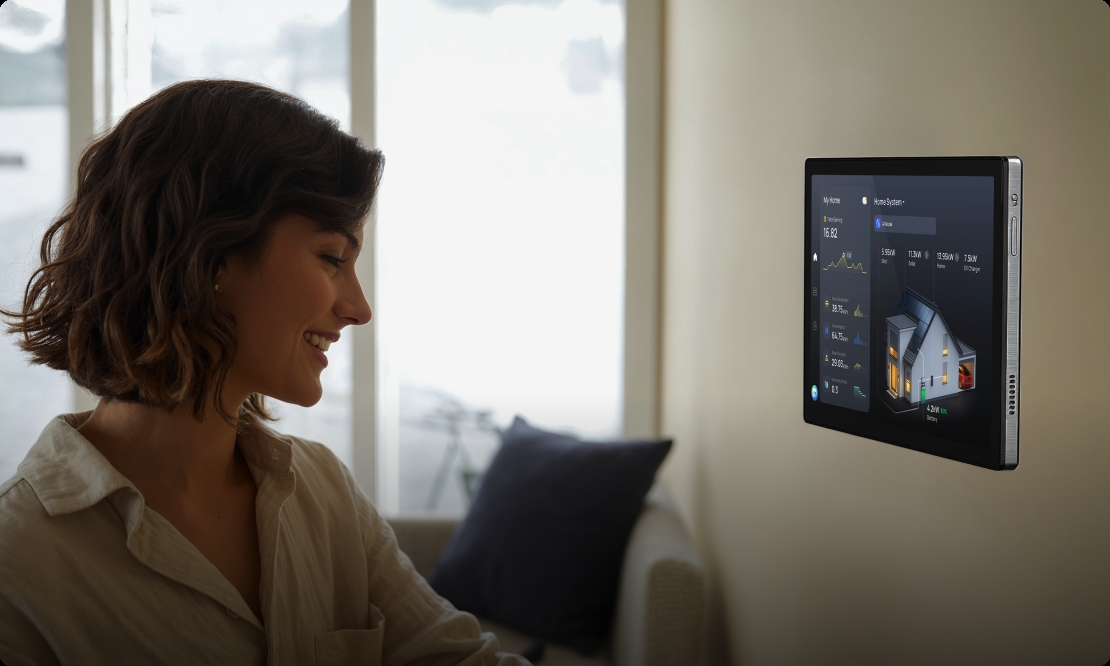
Identifying these daily patterns is much simpler with a smart home energy monitor, such as EcoFlow PowerInsight 2. It provides a clear, real-time screen to track the exact energy efficiency of appliances running in your house. By seeing the data live, you can easily change your habits and stop wasting money.
Maximize savings with a solar system
Upgrading your home appliances is a brilliant move. However, the ultimate energy-saving strategy is to stop buying power from the grid altogether. You can do this by powering your energy efficient appliances with your own generated solar energy.
If you have solar panels on your roof, you should practice "load shifting." This means running your heaviest appliances during the middle of the day. Set your washing machine and dishwasher to run at noon when the sun is shining brightest. Your panels will power these machines for free.
However, there is a catch. Most families do their heavy lifting in the evening. You come home from work, turn on the air conditioner, cook dinner on the electric stove, and turn on the TV. The sun has gone down, so your solar panels stop working. Suddenly, you are pulling expensive power from the grid right during the Time-of-Use peak rates.

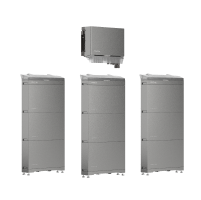
To fix this, you need a reliable home battery. A battery stores all the extra solar power your roof makes during the day. When the sun goes down, the battery takes over. By utilizing a scalable storage setup, such as the EcoFlow PowerOcean Single-Phase Battery, homeowners can safely hold onto daytime solar. You can then use it to power your kitchen and laundry tasks all night long. It uses a smart modular design. You can expand it from 5kWh to 15kWh in one inverter.
If you are unsure how much you could save on your quarterly bills by optimizing your home's energy setup, you can easily get help. Feel free to contact EcoFlow professional energy consultants to request a consultation.
Schedule Your Free Consultation Today!
What kind of product or solution are you interested in?

Conclusion
Taking control of your power bills in 2026 does not have to be stressful. It all starts with making smart choices at the store by choosing energy efficient appliances. Always check the government energy rating label and do math on the annual running costs. Make sure you size the product correctly for your family, so you are not paying to cool empty space. Pay close attention to standby power and wash your clothes in cold water whenever possible.
Once your home is running lean and green, take the final step. Combining your highly efficient household items with a robust solar battery storage system provides ultimate protection. You will capture your own clean energy, use it when you need it most, and shield your family from Australia's rising grid costs for decades to come.
FAQs
What runs up the electric bill the most?
Heating and cooling systems usually run up the bill the most. Ducted AC, hot water systems, and pool pumps draw a massive amount of electricity. You can offset these heavy loads by storing daytime solar in a system like the EcoFlow home battery.
What are the most energy efficient appliances for a home?
The most efficient items include heat-pump clothes dryers, induction cooktops, and front-loading washing machines. You should always look for models carrying a 5-star or 6-star Energy Rating Label to ensure the lowest possible running costs.
What appliance should you unplug every night?
You should unplug devices that use "standby power." This includes gaming consoles, desktop computers, older televisions, and microwave ovens. Unplugging these can save you up to 10% on your total quarterly electricity bill.
How much money do energy efficient appliances save?
They can save you hundreds of dollars a year. For example, replacing an old 2-star fridge with a modern 5-star fridge can save over $100 annually. Over a ten-year lifespan, the energy savings often cover the initial purchase price of the unit.
Is it cheaper to do the washing after 6 pm?
It depends on your electricity plan. On a Time-of-Use tariff, 6 PM is the most expensive peak time. It is cheaper to wash during the day with solar or run appliances at night using stored power from a system like the EcoFlow home battery.
How can I test my appliances' energy efficiency at home?
You can test them using a smart energy monitor or a simple plug-in power meter. These devices show you exactly how many watts an appliance is drawing in real-time. This helps you find old, faulty machines that are silently wasting your money.