How to Choose an Energy Efficient Fridge in Australia: 2026 Edition
Electricity prices across Australia remain highly unpredictable in 2026. To fight rising costs, families are looking closely at their appliances. Your refrigerator is unique because it runs 24 hours a day, 7 days a week. This constant running consumes a massive chunk of your daily power.
Finding a great energy efficient fridge easily lowers your quarterly bills without sacrificing food storage. In this guide, we cover everything you need to make a smart purchase. We will show you how to spot an inefficient fridge, understand star ratings, and compare different types. By making smart choices, you can protect your wallet. To maximize your savings, pairing your energy-efficient fridge with a solar and home battery allows you to power your appliances with free, stored sunshine.
Signs your current fridge is wasting power
Many homes keep old refrigerators for far too long. A fridge might keep food cold, but it could cost you a fortune. Older models lack modern power-saving technology. Here are clear signs your appliance is driving up your bills.
Constant motor running and excess heat
The main motor is called a compressor. It pumps gas through the cooling system. In a healthy fridge, this motor turns on and off in steady cycles. It stops completely to save power once the target temperature is reached. If your compressor never stops humming, you have a problem. The fridge is working too hard to maintain its internal chill. This constant running wastes electricity. Also, if the back of the unit feels very hot, it is struggling to release heat.
Rapid ice build-up and condensation
Look at the outside of your fridge. Do you see water drops on the doors? Now check your freezer. Is there a thick layer of frost inside? These are signs of failing door seals. Rubber gaskets lock the cold air inside. When they dry up or crack, cold air escapes into your kitchen. Your fridge then draws extra power to replace that lost cold air.
Unexplained spikes in electricity bills
Sometimes, an aging fridge quietly drains power without making strange noises. You simply notice your bills getting higher each quarter. If your habits have not changed, a failing appliance is likely the cause. You might want to see exactly how much power your old fridge pulls compared to modern energy efficient refrigerators. Using a smart tracker, such as the EcoFlow PowerInsight 2 Monitor, helps solve this mystery. By utilizing its Intelligent Mode, it tracks real-time appliance consumption. This lets you spot power-hungry devices easily.

Types of energy efficient fridges
Appliance stores are packed with dozens of different fridge models. The actual shape you end up choosing plays a huge role in your future electricity costs. Here is a quick look at the most common designs found across Australia right now.
Top Mount and Bottom Mount
These are the classic fridge styles. They feature one door for the fridge and one for the freezer. These are traditionally the most power efficient fridge designs on the market. They are ideal for small to medium households. Because heat rises and cold air sinks, these layouts require less cooling effort. They usually run on a single, highly optimized compressor. A top or bottom mount model is your safest bet for lower bills.
French Door and Side-by-Side
These models are very popular in modern kitchens. They feature large double doors and offer massive storage space. However, they require significantly more energy to cool down all that volume. Every time you open those heavy doors, cold air escapes. If you need an energy efficient fridge and freezer combo in this style, be careful. Look for models that use inverter compressor technology. This technology adjusts motor speed based on cooling demand, saving energy.
Integrated Models
Integrated fridges are built directly into your kitchen cabinetry. They blend seamlessly with your wooden cupboards. Because they are surrounded by heavy wood, they often benefit from great natural insulation. This helps keep cold air locked tightly inside. However, they are usually more expensive upfront. It is smart to research how appliance choices impact your average power bill over time.
Understanding the refrigerator energy rating
You have likely seen bright red and yellow stickers on appliances. This is the Australian Energy Rating Label system. It helps consumers make smart choices. You need to read it correctly to find truly energy efficient fridges.
First, look at the star rating at the top. More stars equal higher efficiency. A four-star fridge costs much less to run than a two-star fridge. However, the star rating is only accurate when comparing models of a similar size.
Second, look for the bold number in the middle. This is the annual energy consumption number. It is measured in kilowatt-hours (kWh) per year. This tells you how much electricity the appliance uses over 12 months. When comparing a refrigerator's energy rating, this number is vital. A lower number always means lower running costs. Keep this fridge's energy rating in mind while shopping.
How much does it cost to run a fridge?
Understanding the sticker is great, but calculating real dollars is better. You can easily find your typical running costs before buying. You just need the annual kWh number from the label and a recent electricity bill.
Take the annual kWh number from the sticker. Next, check your bill to find your local electricity usage rate. This is listed as cents per kWh. In 2026, many Australians pay around 30 to 40 cents per kWh. Simply multiply the appliance's annual kWh by your electricity rate.
For example, if a fridge uses 300 kWh a year, and your rate is 35 cents, your math is 300 x $0.35. That equals $105 a year. The best energy efficient fridges Australia offers cost just $50 to $80 a year to run. An old model might cost $300 annually. Researching how to save electricity in Australia can help offset these costs entirely.
How to reduce fridge energy consumption
Buying a new appliance is a great start. But your daily household habits play a massive role in your bills. You can take actionable steps to cut costs further. Here is how to keep your kitchen running efficiently.
Optimal temperature settings and maintenance
Your fridge works too hard if the thermostat is too low. The ideal temperature is 3°C to 4°C for the fridge compartment. The freezer temperature should sit at -18°C. Setting temperatures lower than this simply wastes electricity. Maintenance is also important. Every six months, pull the fridge away from the wall. Vacuum the dusty coils on the back. Dust traps heat and forces the motor to run longer. Wipe down the rubber door seals with a warm cloth to ensure a tight grip.
Smart usage habits and fridge placement
Location matters a great deal in the kitchen. Never place your fridge next to a hot oven or in direct sunlight. External heat forces the fridge to constantly battle its environment. Keep it in a cool, shaded corner. Additionally, try to minimize the time the doors are left open. Every second the door is open, cold air spills out. This prevents the compressor from having to fire up repeatedly.
Powering your kitchen with solar storage
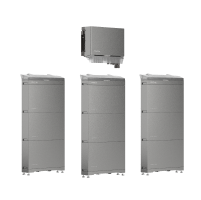
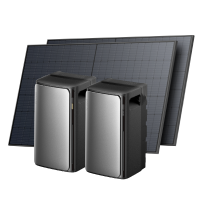
The most effective way to beat grid prices is to use renewable energy. You can power your kitchen appliances for free. Homeowners can easily install a solar system with smart modular storage, such as the EcoFlow PowerOcean Single-Phase Battery. By utilizing robust 5kWh battery modules, this system stores free daytime solar energy. A professional electrician handles the installation for a seamless setup. This allows families to power their energy efficient fridges for up to 24 hours a day without grid power.

Ready to maximize your household savings and protect your home from rising grid costs? Contact EcoFlow professional energy consultants to request a consultation today.
Schedule Your Free Consultation Today!
What kind of product or solution are you interested in?
Considerations before buying a new fridge
Walking into a store and picking the best-looking fridge is a very common mistake. You really need to look at a few practical details before handing over your cash. Picking the wrong setup can completely destroy your plans to save energy.
Size and Capacity
It is tempting to buy the biggest fridge available. However, cooling empty space is a huge waste of electricity. A fridge operates best when it is reasonably full. Cold food helps maintain the internal temperature. Warn your family against buying a fridge that is too big. A standard family of four usually does well with a 400 to 500-litre capacity. If you overbuy, you pay to cool thin air.
Ventilation Space
Fridges desperately need room to breathe. They pull heat out of the inside and release it out the back. If you shove a large fridge into a tight cabinet, the heat gets trapped. Without proper airflow, even an energy efficient fridge freezer will start to work overtime. Always leave a gap of at least 5 centimetres around the sides and top. Planning proper appliance ventilation fits perfectly into building a highly efficient EcoFlow Home Energy Ecosystem.
Features vs. Efficiency
We all love fancy features like plumbed ice makers and chilled water dispensers. But these features come with an ongoing cost. They require internal heating elements to stop water pipes from freezing. This reduces overall appliance efficiency and increases the purchase price. Keep your choices simple for the lowest power bill.
Conclusion
Taking control of your electricity bills does not have to be difficult. Upgrading to an energy efficient fridge is a smart first step for any Australian family. By reading energy labels, choosing the right physical style, and maintaining the appliance, you can cut daily energy waste. However, the real secret to beating 2026 energy prices goes beyond the kitchen. Combining highly rated appliances with smart household solar energy management is the ultimate way forward. This modern approach helps you achieve true energy independence and locks in reliable savings for your entire home.
FAQs
Is it worth getting a more energy-efficient fridge?
Yes, upgrading saves hundreds on power bills annually. Older models consume huge amounts of energy. For example, using a smart tracker like the EcoFlow PowerInsight 2 Monitor can show exactly how much your new fridge lowers your daily consumption.
What is a good energy rating for a fridge?
In Australia, aim for a rating of 4 stars or higher. Always check the annual energy consumption number (kWh). For a standard family-sized fridge, choosing a model that uses under 350 kWh per year ensures the absolute best long-term running costs.
Is it worth upgrading a 10-year-old fridge?
Yes. A 10-year-old fridge likely has degraded seals and an inefficient compressor. Upgrading lowers daily power usage. To further offset these costs, many families power their appliances completely off-grid using solar and battery storage (such as the EcoFlow Home Battery) safely.
Where is not to put a freezer?
Never place your freezer next to high-heat sources like an oven, stove, or an uninsulated wall baking in the afternoon sun. Extreme external heat forces the compressor motor to run constantly, which wastes power and shortens the appliance's life.
Which is better, an inverter freezer or a normal freezer?
An inverter freezer is vastly superior. A normal motor simply turns on at full speed and shuts off. An inverter adjusts its speed smoothly based on exact cooling demands. This smart technology uses significantly less power and keeps food fresher.