Save Electricity Masterclass: Proven Strategies to Decrease Electric Bills in Australia
Electricity prices across Australia seem only to go one way—up. It's leaving plenty of households feeling the pinch the moment that email notification lands in their inbox. It doesn't matter if you're in a city unit or a big house in the 'burbs. We all want the same thing. You want to decrease electric bill costs, but you shouldn't have to freeze in winter or sit in the dark just to make it happen.
The good news? Reducing your usage doesn't require drastic sacrifices. It's really about working smarter, not harder. It requires a mix of sharper daily habits, a clearer understanding of how your energy retailer charges you, and implementing the right technology to take control back from the grid.
This guide is your masterclass on exactly how to save electricity effectively. We're going to look at exactly where your money is leaking, the simple tweaks you can make this afternoon, and how investing in smart solar storage can secure your family's financial future.
Why is My Bill So High? Understanding Usage
Before you can effectively reduce electric bill expenses, you need to play detective. You need to figure out what is actually draining your power, because you can't fix what you don't measure. For the typical Aussie household, heating and cooling (HVAC) are the absolute biggest culprits. In fact, climate control often accounts for up to 40% of total energy use. When you consider our harsh summers and often poorly insulated homes, it makes sense.
Following closely behind are hot water systems and swimming pool pumps. These silent energy gusslers can chug away for hours in the background without you even noticing. If you have an electric storage hot water system, it is heating hundreds of litres of water every single day, regardless of whether you use it or not.
The "Time of Use" Trap
Another major factor that trips people up is the "Time of Use" (ToU) tariff. Many energy providers charge vastly different rates depending on the specific time of day you use power. Understanding this is crucial if you want to lower power billcosts.
Peak Rates: These usually kick in late afternoon to evening (e.g., 2 pm – 8 pm). This is the absolute most expensive time to switch on appliances. Everyone comes home, turns on the TV, starts cooking, and blasts the AC. The grid is under stress, so they charge you more.
Shoulder Rates: A moderate cost, usually applying during the day when demand is steady but not crazy.
Off-Peak Rates: The cheapest time to use power is typically overnight or early morning.
If you are running your pool pump or throwing a load of washing on during those peak hours, you are paying a premium for no reason. You are essentially volunteering to pay double. Simply shifting these heavy tasks to off-peak times is one of the easiest, no-cost ways to save energy.
Simple Daily Habits to Reduce Power Bill
You don't always need to rip out walls, install double glazing, or buy expensive new gadgets to see an energy bills reduction. Small, consistent behavioural changes add up faster than you might think. It is about building new muscle memory for your home habits.
Mastering Heating and Cooling
To reduce power bill costs during a scorching Aussie summer or a chilly winter, try sticking to the "24°C/20°C rule." Set your air conditioner to 24°C in summer and 20°C in winter. It might sound minor, but every single degree lower in summer or higher in winter can add roughly 10% to your running costs. This is widely considered one of the most effective tips to save energy when it comes to climate control.
Also, think about "zoning." If you are only using the living room, close the doors to the bedrooms. There is no point paying to cool the hallway or an empty guest room.
Eliminating "Vampire Power"
Learning how to conserve electrical energy at home also involves tackling standby power. We often assume "off" means "off," but for modern electronics, that isn't true. Devices like TVs, gaming consoles, microwaves, and even coffee machines continue to draw power even when they look like they're turned off. They are waiting for a remote signal or keeping a clock display running.
This "vampire power" can account for up to 10% of household electricity use. That is 10% of your bill paid for absolutely nothing. Using smart power boards or simply flicking the switch at the wall helps minimize electric bill creep that happens while you sleep.
Efficient Appliance Use
Your appliances can work a lot harder for you if you manage them well. Try to run washing machines and dishwashers only when they are completely full. A half-load uses almost the same amount of energy as a full load. If you use a dryer, clean the lint filter every single time. A clogged filter restricts airflow, forcing the machine to run longer and hotter to dry your clothes. These are basic energy-saving suggestions, but consistency is the secret source to actually seeing results on your statement.
How to Save Electricity with Solar & Storage
Solar panels have become a standard feature on Australian roofs. We have one of the highest uptakes of rooftop solar in the world. But if you have panels, you might have noticed something frustrating: panels alone often aren't enough to significantly reduce current bill amounts.
The problem is the "night-time usage gap," often called the "duck curve." Your panels generate heaps of clean energy during the day—often when you're at work, kids are at school, and the house is empty. You aren't there to use it. So, you end up feeding that free power back to the grid for a small feed-in tariff (peanuts, really).
Then, you come home at night. The sun sets, your solar stops working, and your usage spikes. You have to buy electricity back from the grid, usually at a much higher rate than what you sold it for.
To truly save the energy you generate, you need a home battery. By storing excess solar power during the day, you can self-consume that free energy at night, drastically reducing your reliance on the grid. This is the key to achieving real energy independence and helps to reduce power bills effectively.
Smart Home Energy Tips: Maximise Savings with EcoFlow Storage
If you are serious about long-term energy saving, integrating a smart battery system is the ultimate solution. This is where EcoFlow Home Battery Solutions come in. They are designed to bridge the gap between your solar generation and your nightly needs. The goal is simple: ensure you use every kilowatt your roof produces.
Here is how EcoFlow's range caters to different Australian homes:
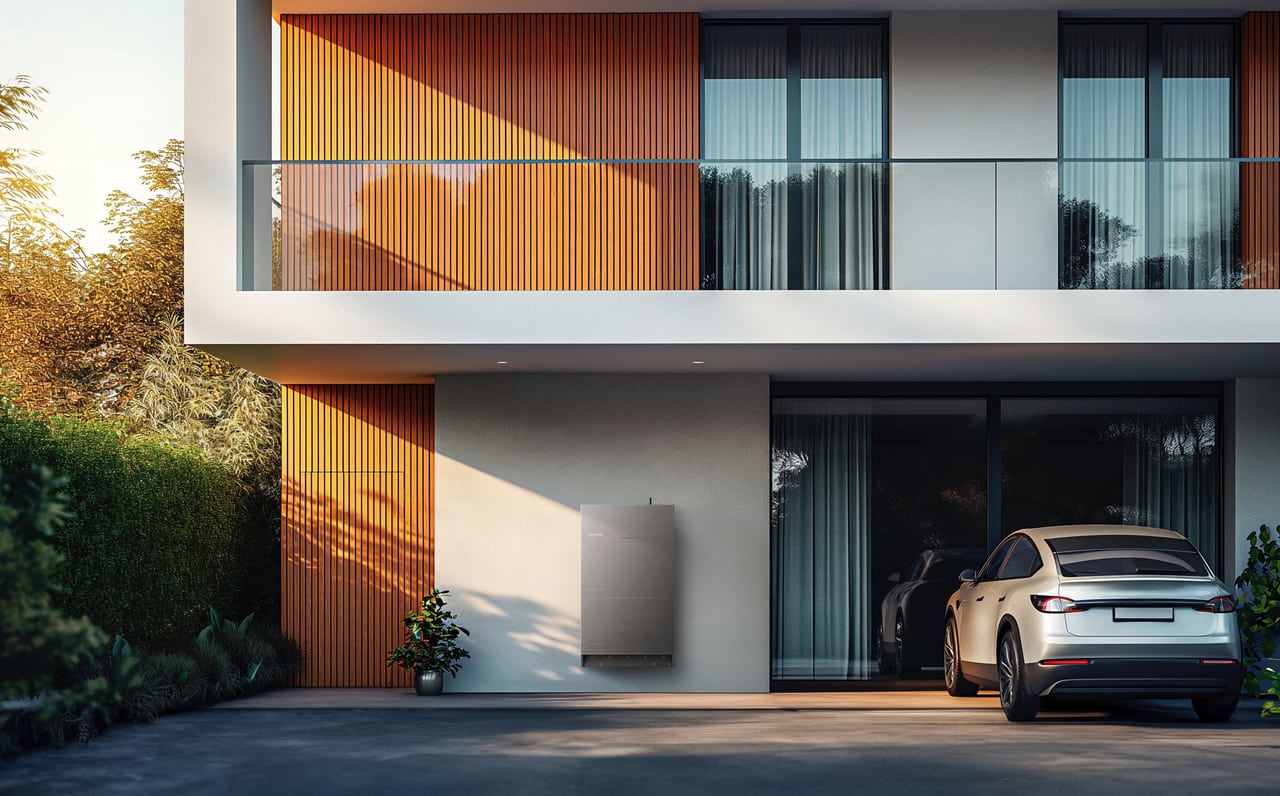
1.EcoFlow PowerOcean Single-Phase Battery
This system is the go-to choice for standard residential homes looking to future-proof their energy setup.
Key Aspects:
Advanced Safety & Design: The EcoFlow PowerOcean home energy storage system is setting a new benchmark. It combines stable LFP battery technology with a built-in fire prevention system. Plus, it is tough enough to live outside. The unit meets IP65 standards. That makes it tough enough for outdoor installation. Rain, hail, or shine, it stays protected.
Long-Term Reliability: It comes with a 15-year warranty, providing peace of mind for the long haul.
Powerful Off-Grid Support: With a 5 kWh storage module, it offers batteries expandable up to 15 kWh (or extend up to 45kWh using three hybrid inverters). The advanced inverter is built for the worst-case scenario. It pushes out up to 6kW of continuous off-grid power. This keeps your home running smoothly. You won't be left in the dark during an outage.
What It Can Power: It keeps your essential household circuits running smoothly. We're talking about the basics, like your fridge and lighting. It simply ensures your life carries on without a pause.
2.EcoFlow PowerOcean Home Battery (Three-Phase)
For larger homes with three-phase power, you need something with a bit more muscle. This solution offers robust scalability.

Key Aspects:
Flexible Scalability: You can start building your net-zero home from only one battery of 5kWh. It features a stackable design to achieve battery capacity expansion at ease, up to 45kWh.
Independent Operation: It features a built-in DC-DC converter in each battery pack. That's a massive plus. It allows each 800V high-voltage pack to work independently. If one pack has an issue, it doesn't drag the rest of the system down. This means if one module has an issue, it doesn't hinder the rest.
High Power Output: With a rated backup power output of 10kW (peaking at 12kW for 60 seconds), it can handle heavy loads.
What It Can Power: It handles heavy loads and helps manage appliances with high startup currents (provided they stay within the 12kW limit).
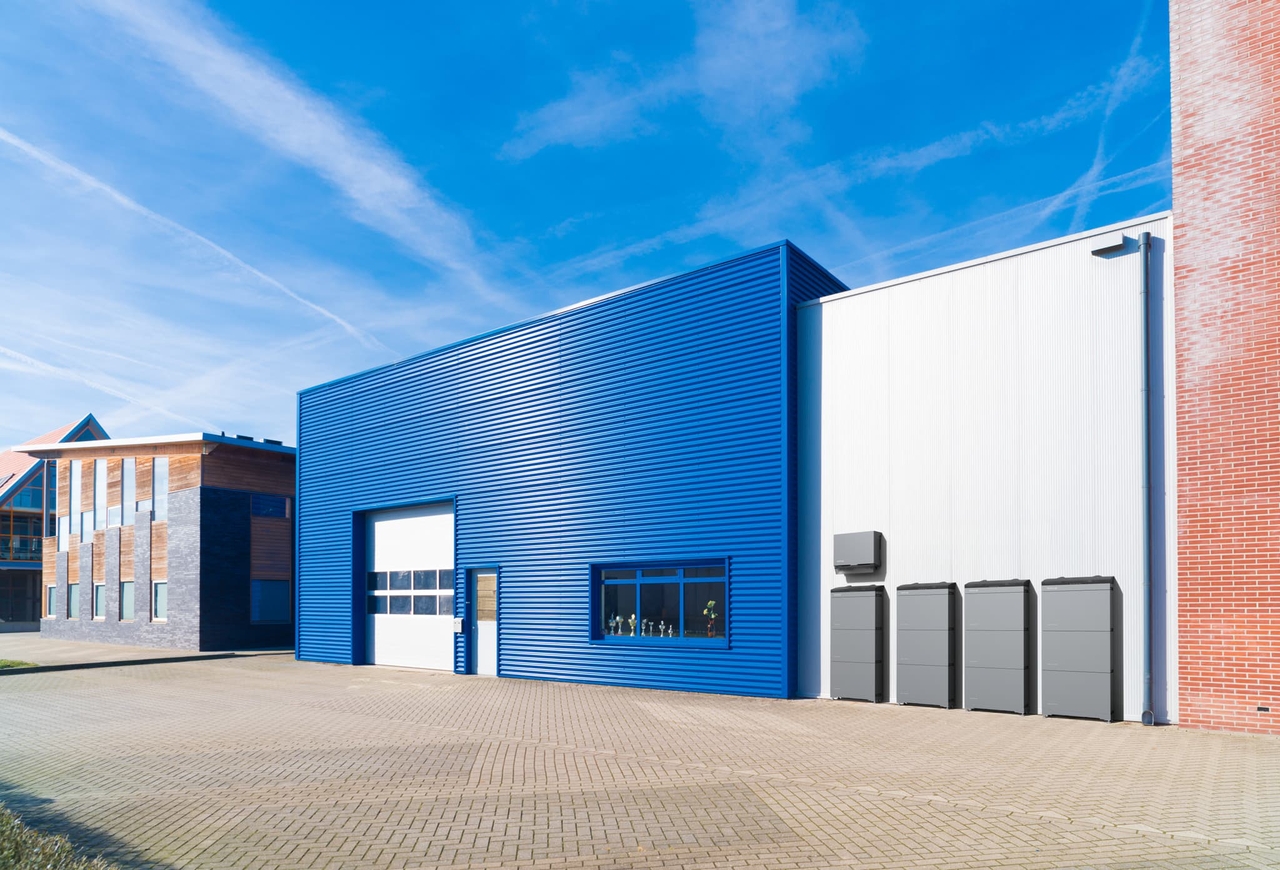
3.EcoFlow PowerOcean Plus Solar Battery (Three-Phase)
This is designed for complex roofs. It handles high-demand users, too. It is the best choice if you want to minimize electric bills aggressively.
Key Aspects:
Massive Input/Output: This system is designed to truly optimise solar power. It handles a huge 40kW solar input. On top of that, it delivers a serious 29.9kW AC output.
Smart Savings: It is built to handle dynamic tariffs. This lets you buy energy when the rates are low. Then, you can sell it back when prices peak. It is a simple way to lock in maximum financial savings.
Extreme Expansion: We use smart parallel connection tech. You can kick things off with a simple 5kWh pack and easily expand all the way up to 180kWh.
What It Can Power: It powers all your household appliances. This solution is perfect for large properties and works just as well for small businesses, too.
Intelligent Management System
When asking "How can we save electricity most effectively?", visibility plays a vital role. You can't manage what you can't see. The EcoFlow HEMS (Home Energy Management System) puts control right in your hands. Through the app, you can monitor usage in real-time and optimise your system's performance.
Use Smart Management Systems for Better Energy Control
Battery storage works best when energy use is managed properly at home. EcoFlow Intelligent HEMS helps manage electricity use at home by putting control right in your pocket. You can see power being used right now, which is the first step to stopping waste. It can be applied to saving power during hot days or on busy days when electricity rates are high. Get Solar Battery Quote and talk to EcoFlow energy consultants to know the most appropriate setup for your household.
Schedule Your Free Consultation Today!
What kind of product or solution are you interested in?

Designed for Australian Energy Needs
Beyond smart controls, you need hardware that survives the local climate. These systems are built with robust blackout protection to keep your essentials running when the grid goes down—a must-have during storm season. Plus, with reliable local warranty support, you have peace of mind knowing that help is close by if you ever need it.
Structural Changes: Home Improvements for Energy Saving
Beyond habits and batteries, making structural improvements to your house is a powerful way to save energy. These are often "set and forget" solutions—once done, they save you money every day without you having to think about it.
Insulation and Draft Proofing
Think of your home like an esky. If the lid is open or the sides are thin, the ice melts immediately. A well-insulated roof and sealed windows stop heat from escaping in winter and entering in summer. Simple weather strips (snakes) under doors or silicone seals around window frames can make a massive difference. This reduces the load on your air conditioner, directly helping to lower power bill costs.
Switching to LED Lighting
If you haven't already, replace old halogen bulbs with LEDs. It's an old tip, but a gold one. They use up to 80% less energy and last significantly longer. If you have 20 downlights in your home running for 4 hours a day, the switch to LED can save hundreds of dollars a year.
Window Coverings
Glass is a terrible insulator. Heat pours through it in summer. Use heavy curtains, pelmets, or honeycomb blinds to passively control temperature. Just shut your blinds during a hot summer day. This blocks the heat from getting in. It means your cooling system won't have to work nearly as hard. It's a classic example of how to save energy without spending a cent on electricity.
Conclusion
Learning how to save electricity is a journey that combines awareness, habit changes, and smart technology. It isn't just about one big fix; it's about the accumulation of many small wins. First, get a handle on your usage. Adopt efficient daily routines. Then, store your solar power with a system like the EcoFlow PowerOcean. That is how you protect your home from rising costs.
You might be looking to decrease electric bill stress. You might even want total freedom from the grid. It doesn't matter. The right strategy is what counts, and it makes all the difference. The power is literally in your hands.
FAQs
1.What appliances use the most electricity in an Australian home?
Heating and cooling systems are generally the biggest energy users, followed by hot water systems, pool pumps, and refrigeration. Managing these withenergy-saving suggestions, like using timers, smart thermostats, or simply closing doors to unused rooms, is critical for lowering costs.
2. How much money can solar batteries actually save?
Savings depend on your usage and local tariff rates. However, by storing free solar energy for use during peak pricing periods, a home battery storage system can significantly reduce current bills, sometimes by up to 70-90% for optimised households. It essentially removes the need to buy power when it is most expensive.
3. What is the fastest way to reduce my electricity bill?
The immediate fix is behavioural: switch off standby appliances, wash clothes in cold water, and stick to the 24°C cooling rule. Solar panels are a start, but a battery finishes the job. It captures your energy so you can use it later. If you want to permanently minimize electric bill costs, this is the way to do it.
4. Who is the cheapest electricity provider in Australia?
This changes frequently and varies by state. It is best to compare "Time of Use" rates. However, the cheapest energy is the energy you generate yourself. Using an EcoFlow system to reduce reliance on the grid often beats switching providers because you are becoming your own power plant.
5. Which is cheaper, gas or electric?
Gas used to be the budget-friendly winner. However, the market has shifted. We are seeing rising gas prices across the board. At the same time, electric appliances like heat pumps are far more efficient than they used to be. Combine those modern appliances with your own solar power, and electricity becomes the clear winner for any Aussie looking to save electricity.