The Complete Australian Guide to the Temperature of the Freezer
Let's be honest about living in Australia in 2026. Grocery prices are very high. At the same time, our quarterly energy bills keep going up. Every time you throw away spoiled meat, it hurts your budget. Paying a massive electricity bill hurts even more. Because of this, making sure your kitchen appliances run perfectly is very important. One of the easiest ways to protect your expensive groceries is simple. You just need to know the proper freezer temperature. It sounds like a basic thing. However, a huge number of households get it wrong.
In this complete guide, we will break down the exact numbers you need for safe food storage. We will explain how to actually measure your appliance accurately. Most importantly, we will show you how modern smart energy setups can offset the heavy 24/7 running costs of your biggest kitchen appliances. By the end of this article, you will know exactly how to manage your cold storage. You will learn how to save both food and money.
What is the ideal temperature of the freezer?
Many people are confused about their kitchen appliances. If you are wondering what the temperature of the freezer should be, the answer is very clear. According to Australian food safety experts, the best freezer temperature is exactly 0°F (-18°C).
At this specific level, food freezes completely solid. This extreme cold stops harmful bacteria from growing. It also keeps your frozen family meals, meats, and veggies safe to eat for many months. You might have been guessing what temperature the freezer should be. You can stop guessing now.
Setting your appliance to 0°F (-18°C) is the absolute golden rule. It keeps your food totally safe. It also does this without forcing your compressor motor to work harder than it needs to. When you know exactly what is the temperature a freezer should be at, you take control of your kitchen.
Fridge vs. freezer temp: What's the difference?
Most Australian homes use a combined fridge and freezer unit. Because they are in the same box, people often get confused about how to set them. You really need to treat them as two totally different zones.
The temperature for the freezer needs to stay at a freezing 0°F (-18°C). However, your fridge section should sit gently between 37°F (3°C) and 39°F (4°C). If your fridge gets too cold, your fresh lettuce and tomatoes will turn to ice. If your freezer gets too warm, your expensive steaks will start to thaw and spoil. Keeping a close eye on both sides of the appliance gives you a complete, healthy kitchen setup. Because these heavy appliances run all day and night, relying on solar with home battery storage is a very smart way to manage the constant energy load without paying huge electricity bills.
Why the optimum temperature for a freezer matters
You might think that as long as your food feels hard and cold, everything is fine. But this is not true. Maintaining the exact correct temp for freezer units does much more than just make ice cubes. It directly impacts your health, your food quality, and your bank account. Here is why finding that sweet spot is so vital for every home.
Ensures Food Safety and Health
Keeping the right temperature for freezer storage locks in the nutritional value of your groceries. When food is frozen quickly, the essential vitamins and minerals stay inside the food. When the appliance stays at a highly stable temperature, these nutrients are preserved. This means your frozen meals stay just as healthy as the day you first cooked them.
Also, stable temperatures stop freezer burn. Freezer burn happens when moisture leaves the food. This moisture turns into ice crystals on the surface of your meat. This leaves your food looking gray and tasting like dry cardboard.
Prevents High Energy Bills
Here is a simple fact that many homeowners miss completely. If your freezer temp is set too cold, it simply wastes power. It does not add any extra food safety at all. For example, chilling your food down to -13°F (-25°C) will not make it last any longer.
This inefficiency forces the compressor motor to run constantly. This heavy running can severely spike your quarterly energy bill. By setting the optimum temperature for a freezer, you protect your wallet. You also extend the overall lifespan of your appliance because the motor gets a much-needed chance to rest.
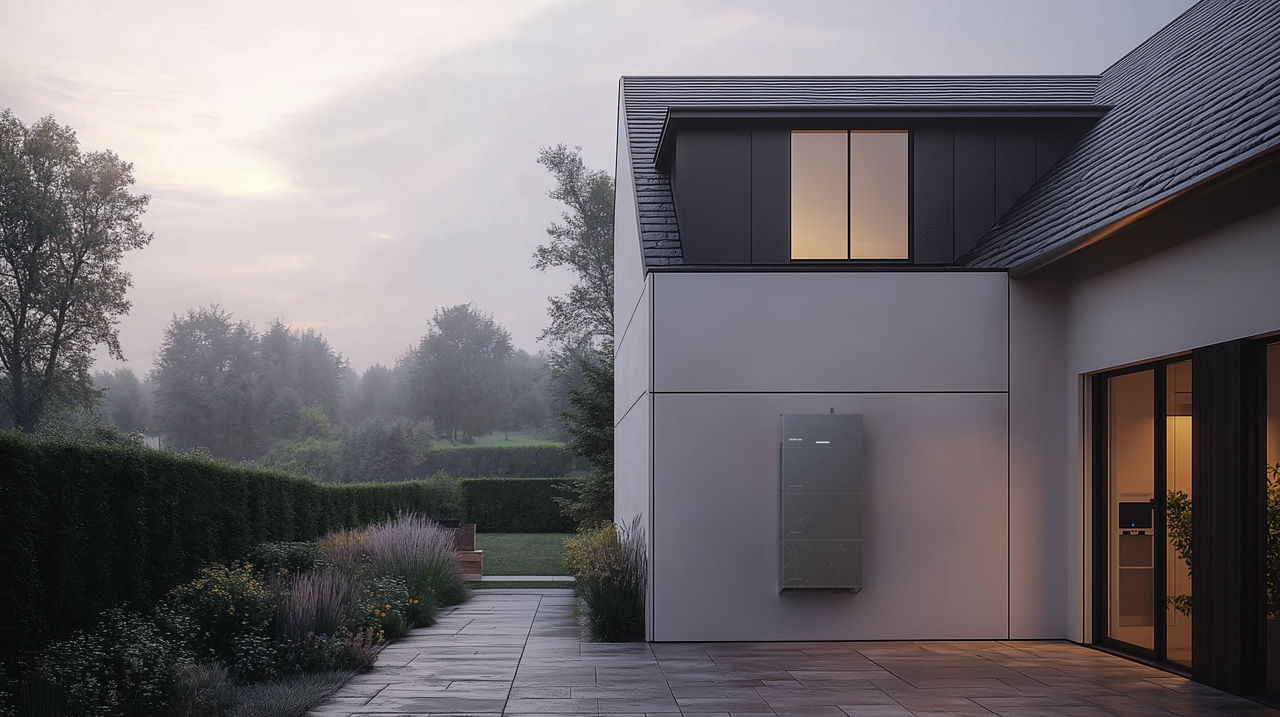
Because these appliances run 24 hours a day, 7 days a week, using them in conjunction with a home solar power solution further reduces your electricity bills. For example, installing a solar system with a home battery, like EcoFlow PowerOcean Single-Phase Battery, allows you to store daytime solar energy. You can then use that stored energy to run your heavy kitchen appliances all night for free, buffering your household against Australia's rising electricity rates.
Curious about how much you could save on your daily appliance running costs? Get a solar battery quote to speak with professional energy consultants about the right setup for your home.
Schedule Your Free Consultation Today!
What kind of product or solution are you interested in?

How to check the correct freezer temperature
Now that you know the target number, how do you actually measure it? Built-in appliance dials are notoriously bad at telling the truth. Many older units just have a simple plastic dial numbered from 1 to 5. A setting of "3" does not tell you if you have reached the normal freezer temp.
To find out exactly what the temperature of the freezer should be internally, you need to buy a basic appliance thermometer. You can find these at any local hardware store or supermarket for just a few dollars.
Place the thermometer right in the middle of your frozen goods. Close the door. Leave it there for a full 24 hours without opening the appliance. This will give you a totally accurate reading of the current climate inside. This is the only way to know the true temperature of the freezer.
How to change the proper freezer temperature
If your reading comes back too warm or too cold, you need to make an adjustment. First, locate the thermostat dial or the digital control panel. If you have a digital screen, simply type in the new target to reach the ideal freezer temperature.
If you have a manual dial, adjust it slightly. Do not turn it all the way to maximum cold right away. Change it by just one number or a tiny fraction of a turn. Then, wait another 24 hours. This wait ensures the normal freezer temperature safely stabilizes. If you turn it too high too fast, the unit will over-correct. This draws a massive amount of unnecessary electricity. Slow and steady is the best way to hit the target.
Track your freezer's optimum temperature costs
As appliances get older, their internal motors become much less efficient. Sometimes, an old freezer has to pull double the electricity from the wall just to maintain the best freezer temperature. If you cannot see what power is used in your home, you simply cannot fix it.
For example, you can easily do this using the power consumption measurement function of the EcoFlow PowerInsight 2 Monitor. This brilliant smart screen shows you exactly how much energy your home is using in real-time. It acts as a dashboard for your entire household's power usage.

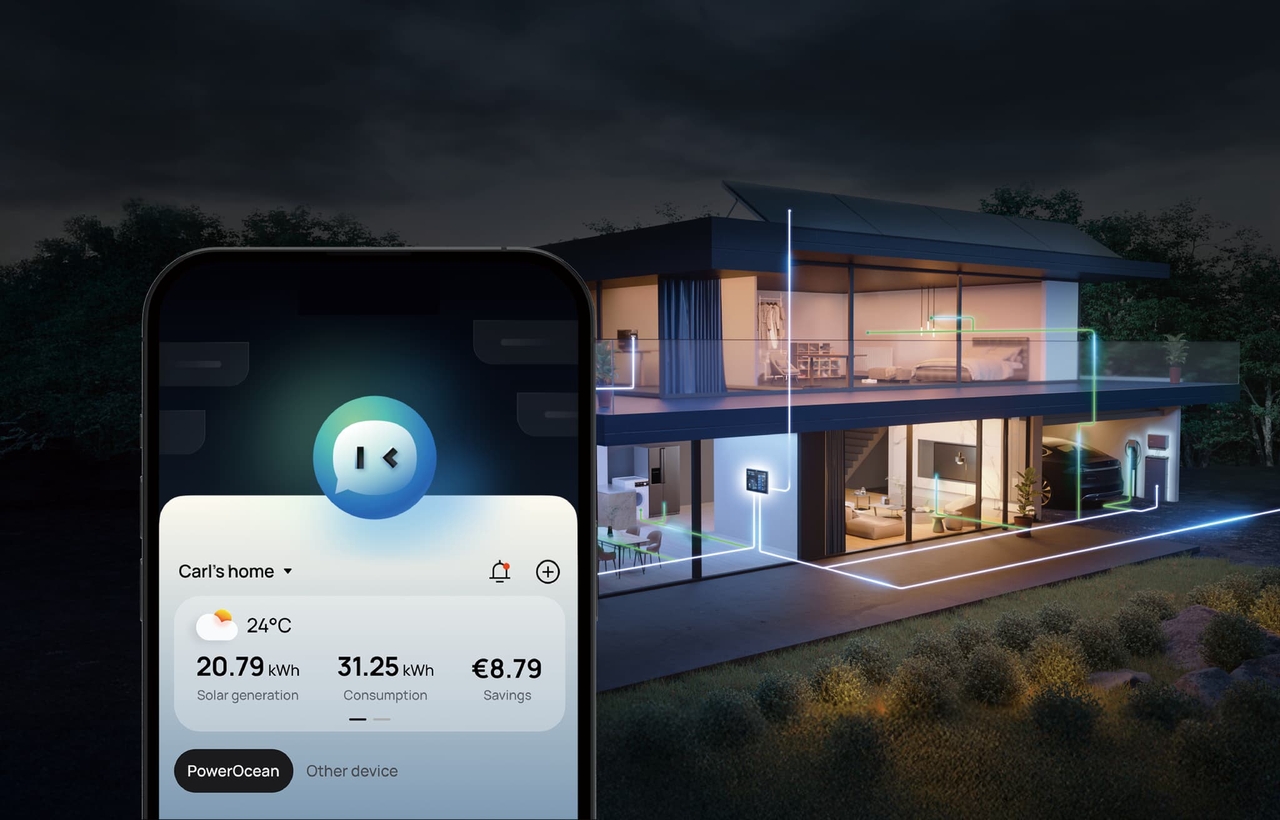
Another way to track this is by connecting your home setup to the EcoFlow app to review your entire energy history on your phone. You can see the exact wattage your kitchen appliances draw over weeks and months to maintain that freezer's optimum temperature. This intelligent tracking allows you to easily spot if an inefficient freezer is the hidden reason behind a massive electricity bill. When you have the data right on your phone, you are completely in control.
Tips to maintain a normal freezer temperature
Reaching the perfect setting is only half the battle. Keeping it there is the real challenge. This is especially true during a brutal Australian heatwave. When the ambient room gets hot, your appliance has to fight hard to stay cold.
Here are a few highly practical tips for Aussie households. These tips will help your appliance run efficiently without overworking the compressor motor. They will help you easily hold the correct temperature of freezer storage.
Check and clean your door seals
The thick rubber gaskets around the edge of your door are called seals. Over time, these seals can get dirty, cracked, or loose. When this happens, warm room air silently seeps inside. This forces the motor to work overtime just to maintain a normal freezer temperature.
You can test your seals using a simple "paper test." Open the door. Place a regular piece of paper against the frame. Close the door on the paper. Now, try to slowly pull the paper out. If it slides out easily with no resistance, your seal is weak. It likely needs replacing. Also, make it a habit to wipe down the rubber seals with warm, soapy water every few months. This keeps them sticking perfectly.
Cool hot food before freezing
We all love saving leftovers for a rainy day. However, placing a hot container of soup directly into the unit is a very bad idea. Doing this releases a massive amount of heat into the enclosed space.
This temporarily ruins the internal climate. It can easily jeopardize the right temperature for freezer storage. Worse yet, that sudden heat can cause the surrounding frozen items to partially thaw out and refreeze. This leads to bad textures and severe freezer burn. Always let your hot leftovers sit on the kitchen bench. Wait until they reach normal room temperature before putting them away.
Keep it well-stocked (but not overpacked)
An empty freezer actually uses more energy than a full one. Why? Because the frozen food acts like a block of ice. It provides "thermal mass." When you open the door to look for ice cream, heavy, frozen food helps hold the ideal temperature of a freezer steady. If the unit is empty, all the cold air just spills out onto your feet. Then, warm air rushes in to replace it.
So, a reasonably full unit is a highly efficient unit. However, you must be careful not to overpack it. If you cram boxes tightly against the walls, you might block the interior air vents. Cold air needs room to circulate properly. Restricted airflow completely prevents the unit from maintaining the proper freezer temperature.
Ensure proper exterior ventilation
This is a tip that many Australians forget. It is very important to put a spare freezer out in a hot tin garage. Appliances generate heat while they work to create the cold. The black coils on the back of the unit need to release this heat into the surrounding air.
If you shove the appliance tightly against a back wall, that heat gets trapped. Ambient room heat severely affects appliance performance. Leaving an adequate gap of about 2 inches (5 cm) around the back and sides of the unit is crucial. This prevents the motor from overheating during hot summer days. This simple breathing room ensures the compressor can effortlessly sustain the appropriate freezer temperature all year round.
Conclusion
At the end of the day, managing your kitchen appliances does not have to be difficult. Setting the correct freezer temperature to 0°F (-18°C) is a remarkably simple but highly effective step. It guarantees strict food safety. It stops wasteful spoilage. It also helps prolong the life of your expensive appliances.
Remember, managing the high energy costs of appliances that run 24 hours a day is much easier when you take complete control. By combining the best temperature for the freezer with modern solar storage and smart energy monitors, you win. You can keep your food perfectly chilled without ever worrying about the next electricity bill.
FAQs
1. What should be the temperature of the freezer in summer?
The freezer should be at what temperature during the hot summer months? The answer is exactly 0°F (-18°C). The target setting never changes with the seasons. However, the appliance motor might have to run a little longer and work harder during an Australian summer heatwave to maintain this steady level.
2. Is -15°C a normal freezer temperature?
While -15°C will definitely freeze your food solid, it is slightly above the strict freezer optimum temperature of -18°C. Keeping food at -15°C presents slight risks to long-term storage safety. It can also cause meat to degrade faster over several months. Always aim for -18°C.
3. Does a full freezer use less electricity?
Yes. Frozen items retain the ideal freezer temperature better than empty air, so the motor works less when the door opens. You can actually see this drop in daily electricity usage by checking a smart tracker, like the EcoFlow PowerInsight 2.
4. How long does a freezer stay cold without power?
If the power goes out, a full unit holds its correct freezer temperature for about 48 hours if the door stays shut. However, keeping food safe in your fridge during power outage events can be a bigger challenge. For longer blackouts, many homes keep appliances running using solar batteries, such as the EcoFlow PowerOcean.
5. What temperature for the freezer causes freezer burn?
Freezer burn is mostly caused by air exposure and constantly fluctuating temperatures. It is not just caused by the temperature for the freezer itself. To avoid it, wrap your food tightly in airtight packaging. Also, keep the appliance constantly stable at the recommended 0°F (-18°C).