What Is Energy Efficiency? A Guide to Save Power, Money & Resources
Have you had a look at your latest electricity bill lately? It's enough to make anyone want to switch everything off and sit in the dark. But with prices going up, it's not just about turning things off; it's about using them better. Learning what energy efficiency is, honestly, is one of the quickest ways to stop wasting money. It's just about getting the same comfort at home while using way less power. If we all get a bit smarter about how we use energy, we can keep our bills down and help Australia move toward a cleaner, cheaper energy system for everyone.
What is energy efficiency?
Energy efficiency means keeping your house cool in summer and warm in winter without spending a lot. That is basically what energy efficiency is all about. It's just finding a way to get the exact same result while using less power. You aren't doing any less or living differently; you are just stopping the waste.
Think about a new LED light compared to an old bulb. They both light up your room perfectly. The difference is that the old one wastes heaps of electricity by turning it into heat. The LED does the job without the waste. It's the same story with better insulation or a modern fridge; they just do their jobs without burning through extra power. By using gear that works smarter, you drop your bills and help the planet at the same time. It's the fastest way to save money.
Why is energy efficiency important?
It's easy to think that saving a bit of power here and there doesn't matter, but it actually makes a huge difference to your home and the planet. Here's why it's worth the effort:
Lower energy consumption: It's beneficial to use less energy. It takes some of the stress off the grid, which stops overloads. In turn, this implies that we are not wasting resources to keep fundamental services running.
Reduced electricity bills: This one is pretty simple; when you stop wasting power, you stop throwing money away. You get the same comfort as before, just for a much lower price at the end of the month. Over a year, those small savings really start to add up in your bank account.
Environmental benefits: Using less energy means we don't need to burn as many fossil fuels to generate electricity. It is a really simple way to lower your carbon footprint and do your bit for your country, Australia, and the planet as a whole. It's one of the easiest ways to live a bit greener without making big sacrifices.
Better energy security: A house that holds onto its heat or cool air doesn't need to rely on the power grid as much. That means you are better protected when the power system is under strain or during those unexpected blackouts. You stay comfy while others might be struggling with a failing grid.
Improved home comfort: A home that doesn't leak air stays at a steady temperature year-round. It is way nicer to live in a house that doesn't feel like a freezer in winter or an oven in summer. You'll notice the difference in how much better you sleep and how relaxing your home feels.
Practical energy efficiency solutions in Australia
You don't have to renovate your entire home to start seeing a difference. Often, it's just about picking the right gear that does heavy lifting for you. Here are a few ways to get your home working smarter, not harder:
Energy-efficient appliances: When your old fridge, washing machine, or heater finally gives up the ghost, don't just grab the cheapest one. Look for those energy rating star labels; the more stars, the cheaper it is to run. It might cost a little extra upfront, but it pays for itself by slashing your power bill over the years.
LED lighting: This is honestly the quickest win for any Aussie household. LEDs use a tiny fraction of the power of old-school bulbs, and they don't pump out that annoying extra heat. They last for years, so you'll stop wasting time on the ladder changing globes every few months.
Smart thermostats and controls: Instead of manually fiddling with your air conditioning, a smart thermostat learns your routine and adjusts the temperature automatically. It makes sure you aren't cooling or heating an empty house. It's a set-and-forget way to keep your home comfy while keeping costs low.
Efficient heating and cooling systems: If you're still using old electric heaters or gas heaters, it's worth considering a modern reverse-cycle air conditioner. They are incredibly efficient at both heating and cooling our often unpredictable Australian weather. They move heat rather than creating it, which is way easier on your power usage.
Home insulation improvements: Think of insulation as a woolly jumper for your house. It keeps the heat inside during a chilly winter and blocks out the harsh sun in summer. Good ceiling and wall insulation stops your expensive "conditioned" air from leaking out. It's the secret to staying comfy without needing the heater or AC on full blast.
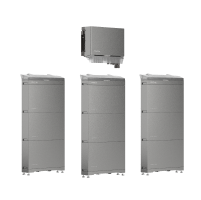
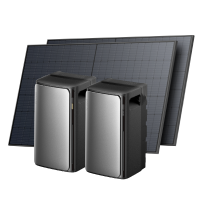
Smart energy storage and monitoring: This is the ultimate upgrade for an Aussie home. By pairing your solar panels with a home battery system like the EcoFlow PowerOcean Single-phase Battery, you can store the extra daytime sunlight for use when the sun goes down. This system offers a scalable capacity from 5kWh to 15kWh in one inverter and up to 6kW output to meet your home's energy needs.
If you want to better understand how energy storage and smart monitoring can improve your home's efficiency, you can explore EcoFlow home energy solutions or contact a consultant to find a system that fits your household.
Schedule Your Free Consultation Today!
What kind of product or solution are you interested in?

Everyday tips to live more energy efficient
Making your home run a bit smarter doesn't mean you have to change your whole life overnight. It's mostly about small, simple tweaks to your daily routine that really add up over time. Here are a few easy ways to save:
Adjust your thermostat strategically: In the Aussie climate, aiming for about 24°C in summer and 20°C in winter is the sweet spot. Every degree you shift your thermostat makes your air conditioner work way harder than it needs to. Try using a ceiling fan instead of cranking the AC, as it costs next to nothing to run and still keeps you feeling fresh.
Use natural light and ventilation: Instead of keeping the lights on all day, make the most of the sun by opening up your curtains. When the breeze picks up in the evening, throw the windows open to naturally cool your home down after a hot day. It's a great way to flush out the heat trapped inside without ever touching the power switch.
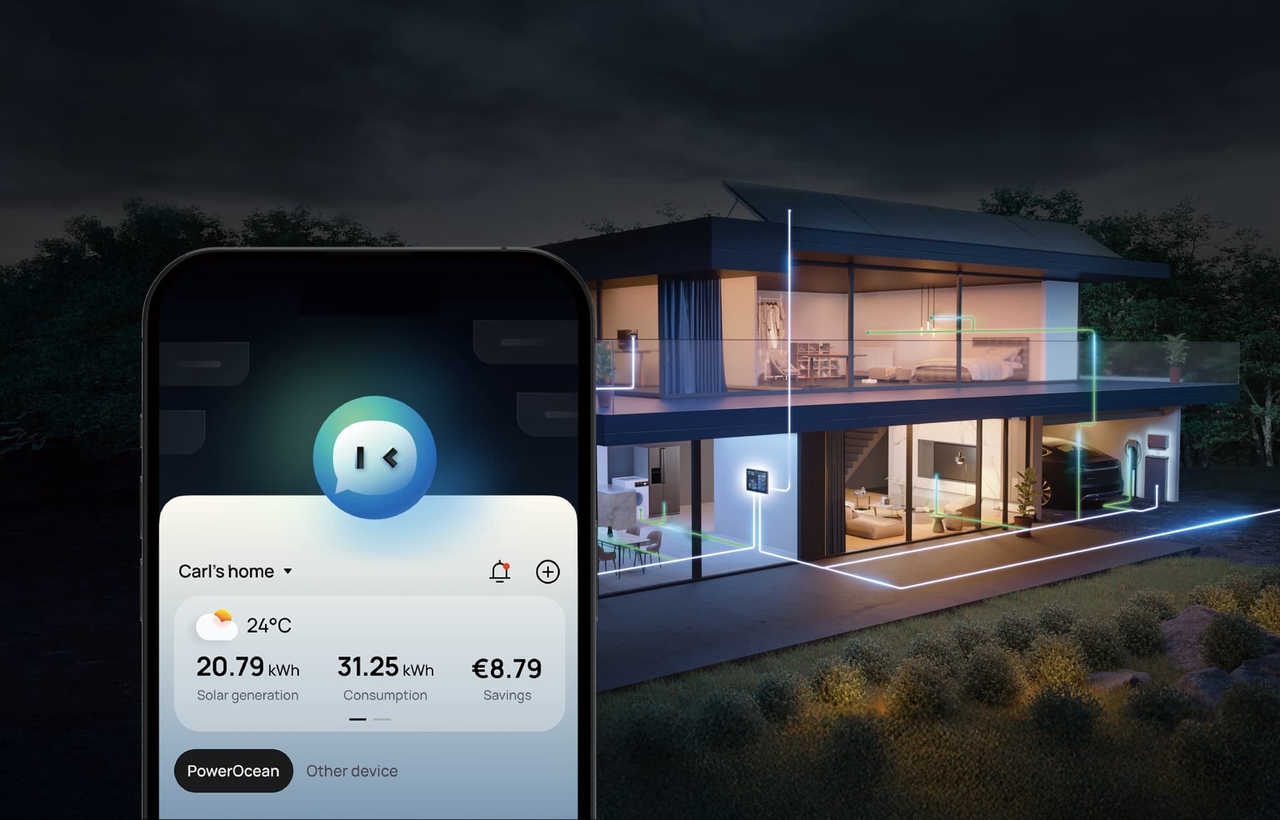
Schedule high-energy tasks smartly: If you have solar panels on your roof, try to run big appliances like the dishwasher or clothes dryer during the middle of the day. This is when your system is producing the most power, so you're effectively using "free" energy from the sun. If you want to take this even further, a solar battery like EcoFlow Powerocean can store that extra solar power for you to use in the evening. You can also track your energy flow and manage everything right from the smart EcoFlow app. This prevents you from pulling expensive grid power once the sun goes down.
Conclusion
When you get down to it, making your home more energy-efficient is the easiest way to keep more money in your pocket while doing your bit for the planet. You don't need to live in the dark or give up your comforts; it's really just about cutting out the waste. By mixing simple daily habits with smart tech, like those smart systems from EcoFlow, you can run your place way more smoothly. It's all about working smarter, not harder, to keep your home cozy year-round and leaving a much smaller footprint on our beautiful Australian environment. It's a win-win for everyone!
FAQs
1. Explain the concept of 100% energy efficiency.
In the real world, 100% efficiency is impossible. Whenever energy is used, some is always lost as waste—usually as heat or sound. Because of the laws of physics, we can get close to being very efficient, but we can never eliminate all losses.
2. Define energy efficiency for kids.
Imagine a toy that needs power to run. Being energy-efficient is like using a super-smart battery that lets your toy play for hours instead of minutes. It's simply using less power to do the exact same fun stuff, without any waste!
3. Does energy efficiency help reduce electricity bills?
Yes, absolutely! When your home uses less power to keep things running, you draw less from the grid. This means lower monthly bills and more money in your pocket, especially if you pair efficient appliances with smart home battery storage systems like EcoFlow.
4. How can households improve energy efficiency?
Start with easy wins: switch to LED bulbs, seal gaps around doors and windows to keep your air inside, and run big appliances during the day. Integrating solar panels and EcoFlow smart storage to further boost your efficiency.
5. What is the most energy-efficient country?
There isn't one single winner, as it depends on how you measure it. However, countries like Denmark are world leaders, thanks to their massive commitment to renewable energy, smart city design, and strict policies to reduce energy waste.