How Is Electricity Made? A Simple Guide to How Electrical Power Is Produced
Almost everything we do every day, from the lights in our homes to the gadgets we use at work and the systems that keep cities running, all run on electricity. But have you ever thought about how electricity is generated in the first place? In this guide, you will be able to learn all about how electricity is made, what kind of energy is used to create it, and how it is delivered to you.
What Is Electricity and Where Does It Come From?
To learn how electricity is made, let's start with the basics.
Electricity is a flow of electrons in a material that is able to conduct electric currents, such as a wire. The flow of electrons in a particular direction constitutes an electric current. The things we use daily, like our phone or computer, work on electric currents.
So where does electrical energy come from? It is what we call a secondary energy source. It cannot be found directly in nature. Instead, it must be created by converting primary energy sources such as fossil fuels, wind, water, and sunlight into electrical power.
This conversion process is how electric energy is made. A power plant takes a primary energy source, uses it to drive a generator, and produces electricity as output. Before reaching your home, it must first be transmitted through the power grid.
The Basic Principle Behind Electricity Generation
For a long time, scientists thought that electromagnetic induction was the main idea behind how electricity was produced. Michael Faraday discovered it in 1831, and it is still used today for making electricity in power plants all over the world.
The concept is easy to understand. If a magnet is inserted into a coil of wire, it makes the electrons move. This is how electric currents are made, and it is the easiest way to make electricity. A generator is a coil of wire tightly wound inside a machine. Magnets turn around these coils very fast. The speed of electric currents depends on how fast the magnets turn.
Most power plants generate electricity by moving things. The objective is the same regardless of the technique we use: burning fuel, harnessing water, utilising wind, and harnessing the sun. The goal is to produce electric current to power our homes, businesses, and lives.
Step-by-Step: How Electricity Is Generated in Power Plants
Despite the fact that energy sources vary from plant to plant, the overall method of how electricity is made is the same. Whether the power plant uses coal, water, or wind, it converts an energy source into useful electricity by the same process.
Here is how that process works, step by step.
Step 1: Producing Energy From a Fuel or Natural Source
A power plant needs a source of energy to start. This is the natural force or energy source that gives the first power needed to start making electricity.
Different plants get their energy from different places. Coal and natural gas are burned to produce heat. Nuclear plants use controlled reactions to generate heat. Water, wind, and sunlight are used directly as natural forces. Each energy source joins the process differently. But they all share the exact same goal. They provide the ultimate starting step for how power is made.
Step 2: Spinning a Turbine
Once energy is made from a fuel or natural source, it is used to move a turbine. Turbines are large machines with blades that spin when you push on them.
This energy can come from steam, flowing water, or wind, depending on the type of power plant. You can make steam by heating water with coal, gas, or nuclear energy. The wind or moving water presses directly on the turbine blades.
That spinning motion does the heavy lifting. It creates mechanical energy. This physical power is then pushed right into the next stage of the process. If you're wondering how electricity is made, this simple turning action is the real secret.
Step 3: Turning a Generator
The generator is directly connected to the turbine. The magnets inside the wire coils of the generator move when the turbine turns. When magnets move through wire coils, they make an electric current. This is how electricity is created.
The turbine and generator work together. The generator can't change anything without the turbine turning. The spinning turbine doesn't make any usable electricity without the generator. Almost all power plants use these two things together to generate electricity.
Step 4: Sending Electricity to the Grid
Then, the produced electricity is sent to a transformer to increase the voltage. If the voltage is increased, then the high-voltage transmission line can transmit the electricity over a long distance efficiently. These power lines carry electricity to substations all over the country. The voltage is lowered to safer levels at each substation. Finally, the local distribution line is used to transmit electricity the last little distance to homes.
This four-step process shows how electricity is made and sent to the places where it is needed every day. For households looking to generate their own power, solar with home battery storage is an increasingly popular way to take part in this process.

Different Ways Electricity Is Produced
Now the question arises, how can you generate electricity? It mostly depends on the natural resources that are available in a certain area.
There are various ways to produce electricity. These methods include fossil fuels and renewable energy. There are power plants that produce electricity using fossil fuels such as coal and gas. There are also plants that produce electricity using renewable energy, such as wind, water, and sunlight.
The various ways of producing electricity all employ the same concept to produce it. However, these ways employ different sources of energy to produce it. Let's take a look at the most common ways of producing it.
Fossil Fuel Power Plants (Coal and Gas)
Around the world, coal and natural gas power most of our electricity. They are burned in large plants to make heat. The heat is used to boil water into steam. The steam turns turbines, which are connected to generators to make electricity.
The method is reliable and can make a lot of electricity whenever it is needed. This is why fossil fuel plants became so popular when economies started to industrialise. But burning coal and gas puts carbon dioxide and other greenhouse gases into the air. This effect on the environment has made the world move towards cleaner and more long-lasting ways to make electricity.
Hydroelectric Power
One of the oldest and most well-known ways to make renewable electricity is by using water power. It makes electricity by using the natural power of moving water. In a hydroelectric power plant, water from a dam or river flows through turbines, making them spin. The turbines turn to make power generators that make electricity. If there is more water and it flows faster, more electricity can be made.
Fossil fuel plants pump out emissions. Hydroelectric plants do the exact opposite. They don't release any direct emissions at all. They just use the sheer force of water. Honestly, it is one of the best ways to see how electricity is created using purely natural sources.
Wind Power
Wind power uses the energy from moving air to make electricity. The blades of a wind turbine turn when the wind blows over them. This spinning motion turns on a generator that turns mechanical energy into electrical current.
Wind energy doesn't need any fuel and doesn't release any emissions while it's being used. This is how electricity is made in a clean and long-lasting way using a resource that is free and available to everyone. Wind energy is one of the fastest-growing sources of renewable electricity in the world. It is becoming more important in how power is made in many countries, including Australia.
Solar Power
Solar power is one of the simplest ways to learn how electricity is made from solar energy. Solar panels are made up of photovoltaic cells. These cells turn sunlight directly into electricity. When sunlight hits these cells, it moves electrons, which makes a direct current that can power homes and businesses.
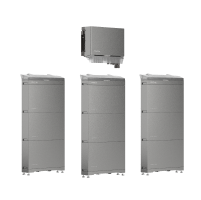
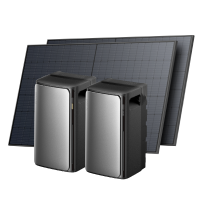
A solar system can provide enough electricity in the day to power a lot of the household's needs. Solar energy, however, can only be produced while the sun shines. This is the time when batteries can be useful in the household. By pairing solar panels with a residential battery system like EcoFlow PowerOcean Single-Phase Battery, households can store excess solar energy generated during the day. This energy can be used when it is dark or when the sun is not shining through the clouds, and hence, the sun's electricity is always available.
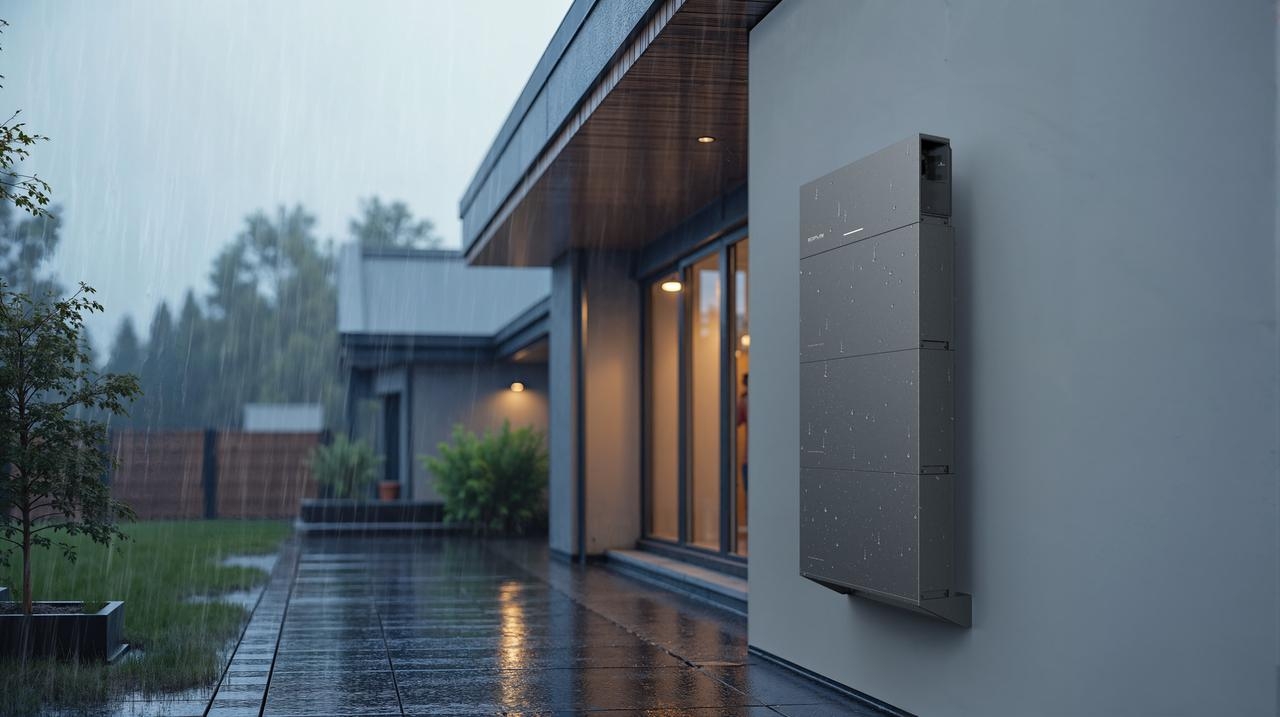
Want to see how home battery storage fits into your lifestyle? Finding the right setup doesn't have to be hard. Chat with EcoFlow experts to sort out the best solution for your home. Simply request a consultation today to get started.
Schedule Your Free Consultation Today!
What kind of product or solution are you interested in?
How Electricity Travels From Power Plants to Your Home
When electricity is generated at the power plant, it must travel a long distance to your home. This is done in steps to move the electricity over a long distance safely and effectively.
Generation: A power plant makes electricity and quickly sends it through a step-up transformer. This increases the voltage to a level that is safe for long-distance travel.
Transmission: High-voltage power lines carry electricity over long distances, linking cities, regions, and states. When the voltage is higher, less energy is lost while travelling, which makes the process more efficient.
Substations: When electricity gets to a substation, transformers lower the voltage to make it safer. Substations are important places for distributing power across the network.
Distribution: From substations, electricity enters local distribution networks. Smaller power lines carry it through neighbourhoods and streets toward its final destination.
Delivery: The transformer outside your house steps down the voltage to a level that is safe for household usage. This is how electricity is made available for your appliances, lights, and gadgets.
How Electricity Generation Is Changing With Renewable Energy
The way electricity is generated is changing rapidly. The transition to renewable energy is already underway around Australia and the world over.
There has been an increase in the use of rooftop solar, which has helped households to generate their own energy. Wind energy is growing quickly and adding more to national power grids every year. Battery storage technologies are getting better, which makes it easier to store and use renewable energy when it is most needed.
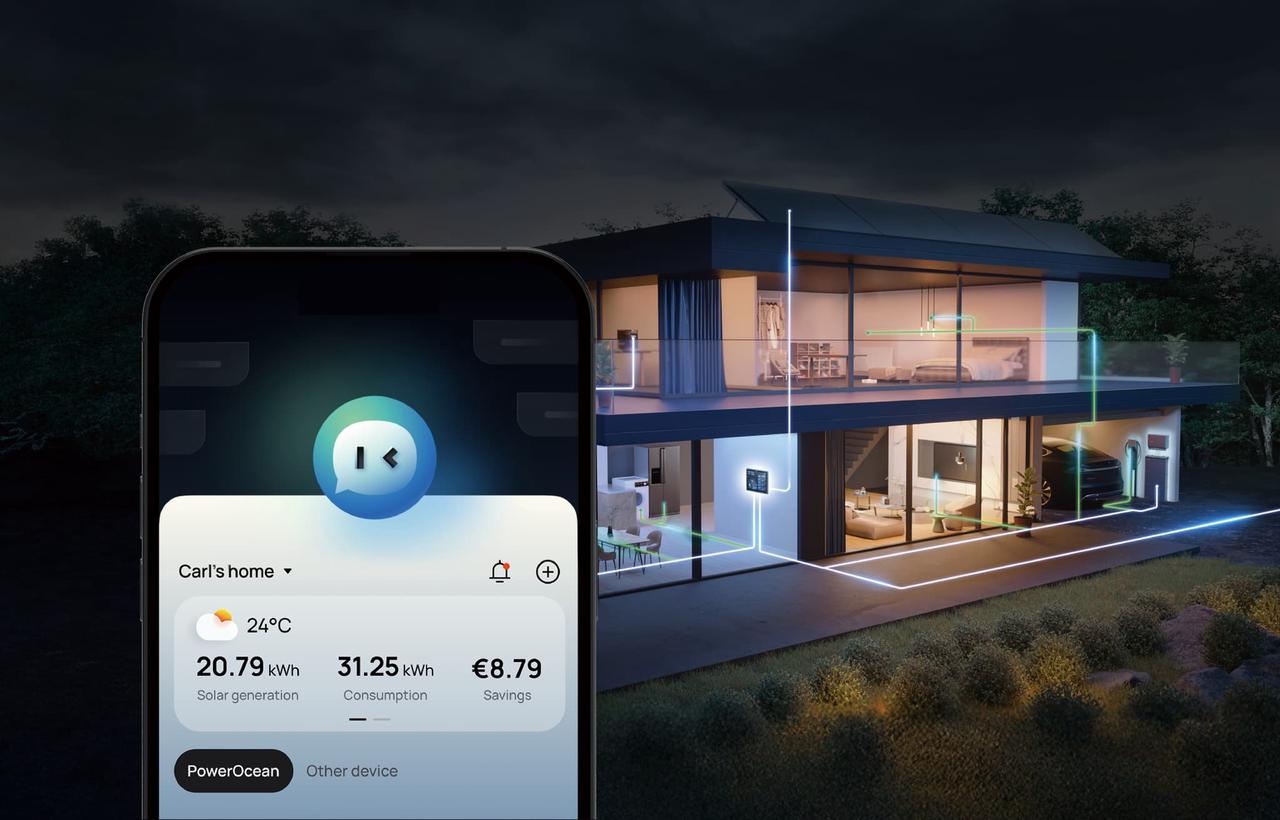
Smart energy management systems are stepping up to the plate. They are becoming incredibly important for Aussie homes. You can finally see how electricity is made and used under your own roof. This helps you optimize your daily power use. Ultimately, it stops you from wasting good energy.
EcoFlow Intelligent HEMS is one example of a system that monitors energy consumption in real time. It takes the guesswork out of your daily power use. You'll know exactly when to rely on your stored battery power. You'll also see the smartest times pulling from the main grid. When you understand how electricity is made and managed, boosting your home's overall energy efficiency is a breeze.
Why Electricity Generation Matters for Energy Systems
Knowing how electricity is made isn't just a fun fact. The way we generate power affects our daily lives in a big way. It decides if our power grid stays reliable. It plays a huge role in the cost of your electricity bills. Plus, it impacts our environment and drives the whole country's economic growth.
Energy Reliability: The reliability of the energy supply can be ensured if the supply of electricity is consistent. The supply of energy has a direct impact on the reliability of the supply of electricity.
Electricity prices: The price of electricity is influenced by the cost of production. Cheaper energy sources, including renewables, can help reduce how to produce power more affordably for households and businesses.
Environmental sustainability: Sustainability is shaped by the fuels used to generate electricity. Shifting toward cleaner sources reduces emissions and supports long-term environmental goals.
Economic development: Development relies on a stable electricity supply. Industries, businesses, and communities all depend on consistent electrical power production to function and grow. Exploring EcoFlow's home energy ecosystem is one way Australian households can become part of this shift.
Conclusion
Power comes from all sorts of places. We burn fuel or let water rush through massive dams. We build tall turbines to catch the wind, and use solar panels to soak up the sun. But no matter how electricity is made, the end goal is always the same. We just want to harness a steady electric current to power our homes, businesses, and cities.
In the future, renewable energy and new ways of managing energy will revolutionise how electricity is created. There are more options than ever before for families to generate and manage their own electricity in Australia's clean energy future.
FAQs
1. How is electricity actually created?
Electricity is produced by changing energy into electric current. Most power plants use steam, water, or wind to turn turbines, which turn generators. This is how they make electricity through electromagnetic induction.
2. What energy sources are used to generate electricity?
Power comes from several different fuels and natural forces. We use coal, natural gas, and nuclear fuel. We also heavily rely on water, wind, and sunshine. These sources all drive turbines and generators. That process creates the power homes and businesses need to function.
3. Is electricity made from renewable energy?
Yes, absolutely. We are relying a lot more on solar, wind, and hydro power these days. They are great for generating clean power across the grid. Best of all, they don't pump out direct emissions when making electricity.
4. How is electricity made from solar energy?
Solar panels use photovoltaic cells to convert sunlight into electricity. This is how electricity is made from solar energy, powering homes directly or storing energy in a solar battery (such as EcoFlow PowerOcean) for later use.
5. Can electricity be generated without turbines?
Yes. Solar panels make electricity directly from sunlight, so they don't need turbines. This is one of the easiest ways to show how electricity is created without any moving parts.