Building a Sustainable House in Australia: 2026 Top Design Tips
Electricity bills and the cost of living are climbing rapidly across Australia in 2026. Because of this, more families want to take control of their power and reduce their carbon footprint. Building a sustainable house is the best way to achieve both goals.
While green buildings were once a luxury, today they are a smart, practical choice. A modern green home works with the tough Australian climate to keep you comfortable year-round. Most importantly, it helps you break free from unpredictable grid prices.
This guide explains the principles of sustainable house designs and how to keep your home comfortable naturally. Finally, we show how adding smart home energy systems and solar battery storage can give you complete energy independence.
What exactly is an eco sustainable house?
Many people think a sustainable house just means having a recycling bin and some solar panels. However, the true definition is much broader. An eco sustainable house is a home built with a complete, holistic approach. It aims to lower its impact on the environment at every single stage. This starts from the day the foundation is poured. It continues for the entire life of the building.
Houses that are eco-friendly focus on several key areas. They use energy very efficiently. They conserve water and reduce daily waste. They also use building materials that are non-toxic and ethically sourced. This approach does more than just protect the planet. It also creates a much healthier living space for you and your family.
In a standard home, you rely heavily on the city grid for power and water. A sustainable home acts more like its own independent system. It generates its own power. It captures its own water. It uses clever design to stay comfortable without running the heater or air conditioner all day long.
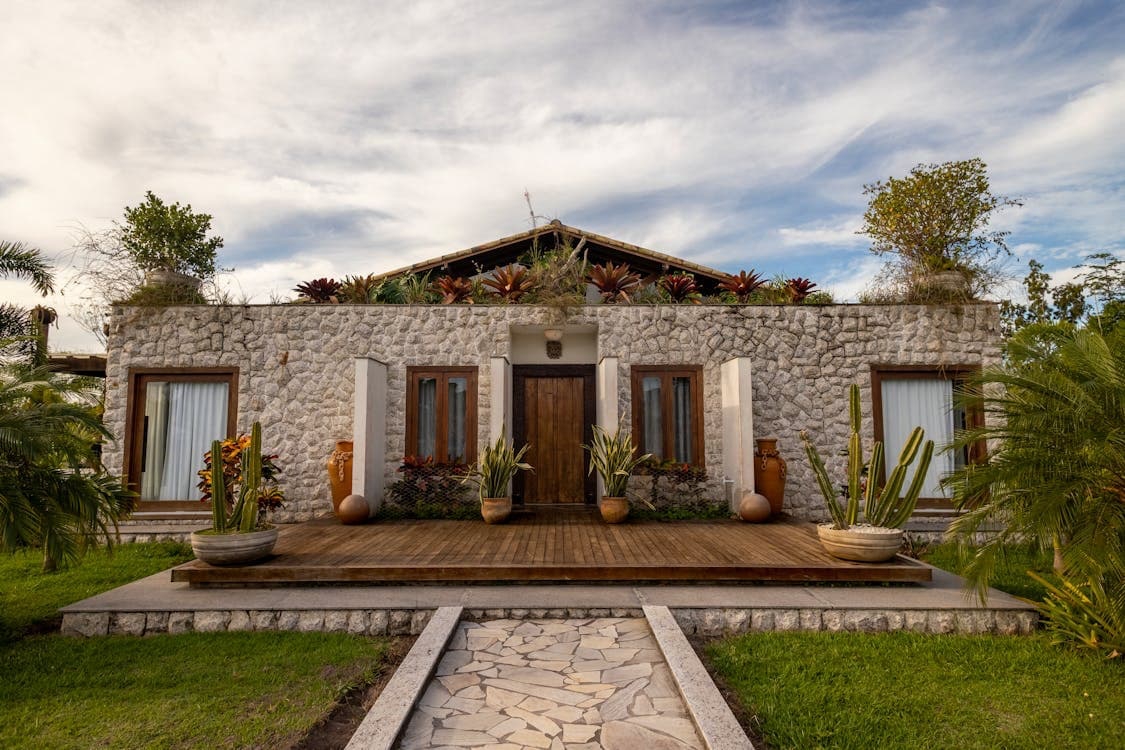
Why build or transition to an eco house in 2026?
There are many strong reasons driving the rise of sustainable houses that Australian homeowners are building today. The benefits go far beyond just feeling good about the environment. They directly impact your wallet and your future security.
First, consider the financial savings. Grid energy costs are rising every year. Feed-in tariffs for solar power are dropping. This means selling your power back to the grid pays very little. Because of this, transitioning to energy-efficient homes is much cheaper in the long run. By generating and storing your own power, your monthly bills drop dramatically, helping you maximize those financial returns over the long term.
Second, you make a real environmental impact. Standard homes release a lot of greenhouse gases. They pull power from coal and gas plants. A sustainable home cuts these emissions down to almost zero.
Finally, consider your home's value. The real estate market is changing. Modern buyers actively look for a green-friendly house. People want homes that are cheap to run and comfortable to live in. Building green will now boost your property's resale value later.
Core elements of sustainable house design
When planning earth-friendly homes, you have to look at the structure itself. You cannot just add green tech to a poorly built house. You need to start with good architectural choices. Here are the core elements of modern sustainable housing.
Passive Design and Orientation
This is the most important step in sustainable house design. Passive design means using the sun and the wind to keep your home comfortable. In Australia, this means facing your main living areas to the north. Northern windows capture the low winter sun to warm your house naturally. In the summer, the sun is higher. You can block this harsh summer heat using simple roof eaves. This simple trick drastically lowers your need for artificial heating and cooling.
High-Quality Insulation
A well-designed home needs to trap the right temperature inside. This is where insulation comes in. You need thick, high-quality insulation in your roof, your walls, and under your floors. You should also use double-glazed windows. Single glass lets heat escape quickly. Double glazing creates a sealed barrier. This maintains a highly stable internal climate all year round.
Water Conservation
Australia is a very dry continent. Sustainable houses must manage water wisely. You should install large rainwater harvesting tanks. This water can be used for your garden or flushing toilets. You can also add greywater systems. These systems clean water from your shower and use it to water the lawn. Always install water-efficient showerheads and taps.
Sustainable Materials
Building a house uses a lot of resources. To reduce this impact, choose sustainable materials. Use recycled timber instead of cutting down new trees. Choose low-VOC (Volatile Organic Compound) paints. These paints do not release toxic chemicals into your air. Try to buy locally sourced bricks and steel. This reduces the carbon emissions caused by shipping heavy materials across the world.
Powering your home: Sustainable energy systems
A great design keeps your energy needs low. However, you still need electricity to run your life. You need to power your fridge, cook your food, and charge your devices. The goal of modern sustainable homes is active energy independence. A truly sustainable home generates its own clean, renewable power.
Solar power generation
Capturing the sun is the first step. Australia has some of the best sunshine in the world. Installing a high-quality solar panel array is essential. During the day, these panels catch the sun and turn it into electricity. This stops you from relying on dirty, fossil-fuel-powered grid electricity.
However, you must size your solar system correctly. You need enough panels to run all your daytime appliances and fully charge a home battery. If your ultimate goal is complete energy independence, designing a robust off-grid solar system ensures your panels are perfectly matched to your daily storage needs without ever needing city power.
Adding a home battery to your solar system
Solar panels are great, but they have one major flaw. They only make power when the sun is shining. Most families use the majority of their power in the evening. You come home, turn on the lights, cook dinner, and watch TV. If you do not have a battery, you have to buy expensive grid power during these evening peak hours.
To get the real benefits of a sustainable design, you must store your extra daytime energy. This is where a modern home battery comes in. The EcoFlow PowerOcean Single-phase Battery is a perfect fit for this job. It uses safe and highly durable LFP (Lithium Iron Phosphate) chemistry. This means it can easily handle hot Australian summers and will last for well over a decade.
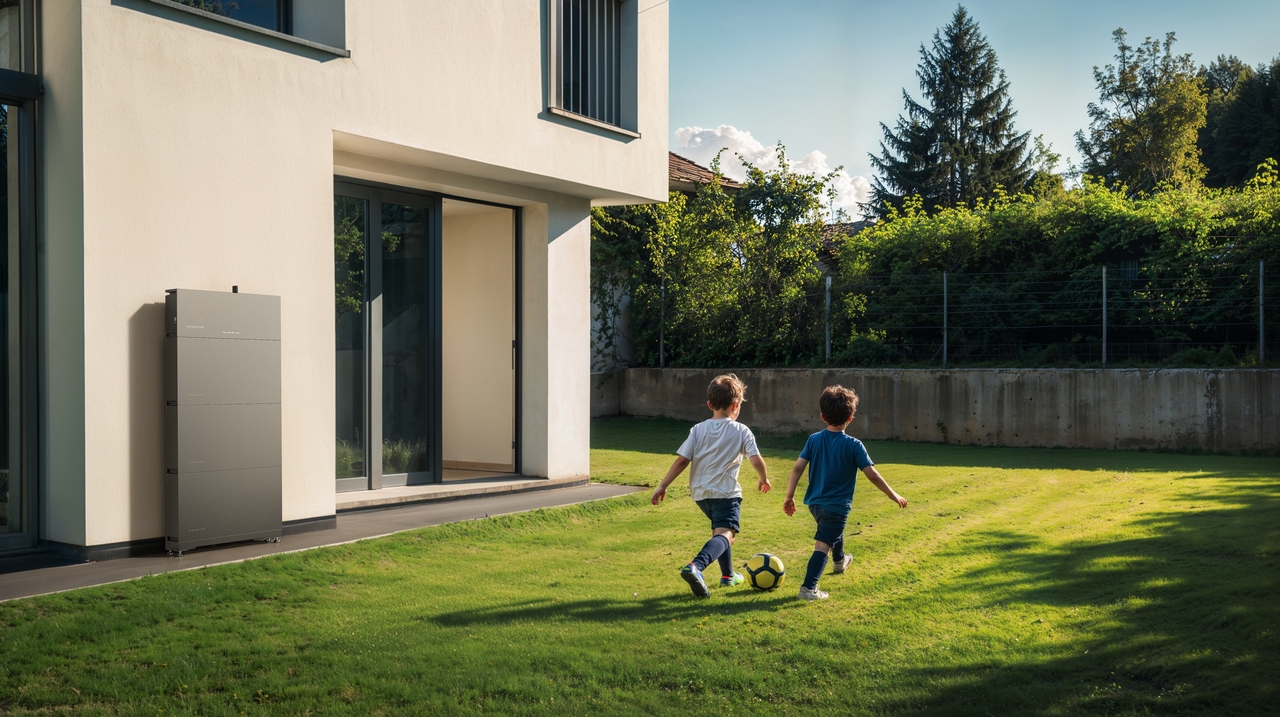
The best part of this system is its modular design. You do not need to buy a massive, expensive battery on day one. You can start with a base capacity of 5kWh. This easily covers basic evening needs. If your family grows or you buy an electric vehicle later, you simply stack another module on top (as it can expand up to 45kWh in three inverters).
Every home uses energy differently. If you are unsure how to balance your solar generation with the right storage capacity for your daily habits, request a consultation to speak with a professional and explore the best setup for your home.
Schedule Your Free Consultation Today!
What kind of product or solution are you interested in?

Smart energy management
Technology plays a massive role in an eco-friendly house. Generating and storing power is only part of the puzzle. You also need to manage it wisely. Monitoring where your power goes helps prevent simple energy waste.
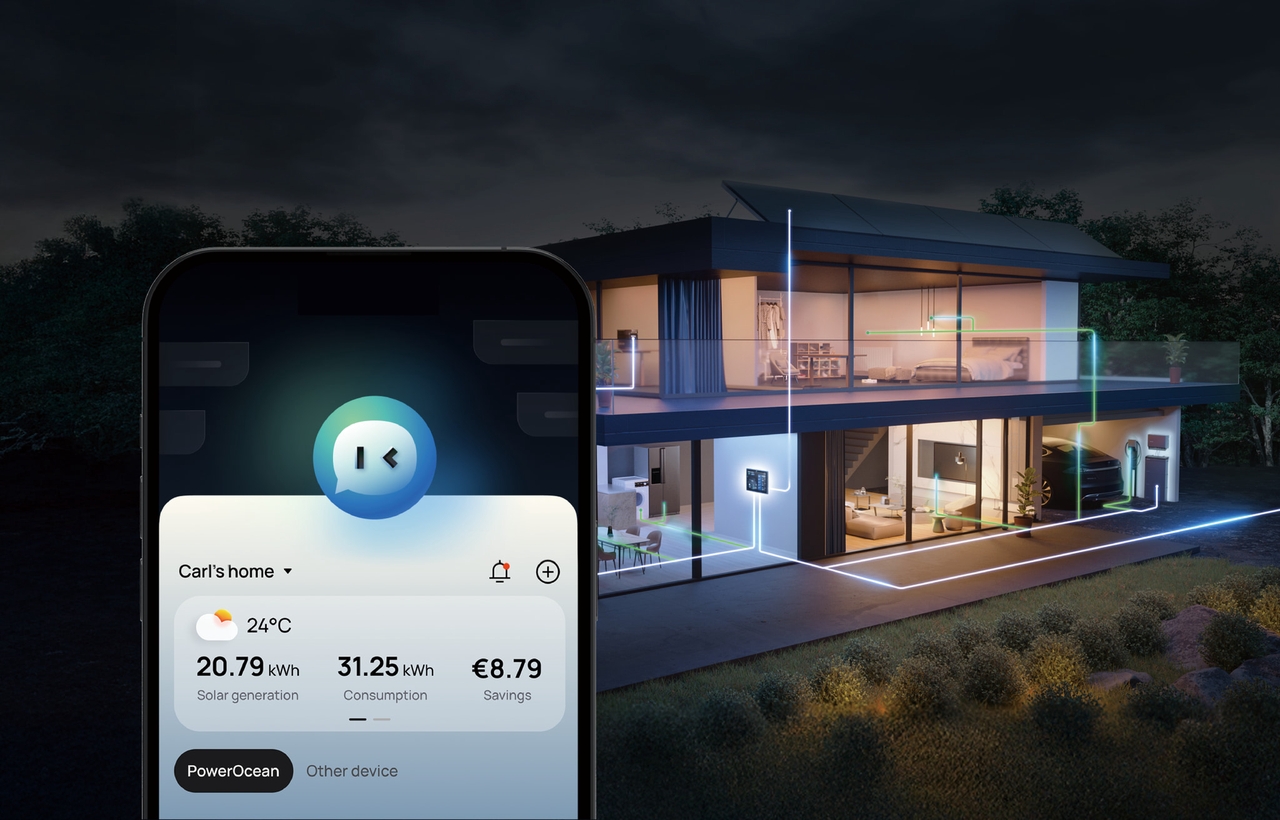
You can automate this process using an advanced setup. A system like the EcoFlow intelligent HEMS (Home Energy Management System) acts as the brain for your entire house. It tracks your local weather patterns. It also learns your family's daily usage habits.
How to start building your sustainable house
Taking the first step can feel overwhelming. The best way to start is by building a great team. You should consult with builders and architects who specialize in sustainable house designs. They will understand exactly how to position your house on your block of land.
In Australia, houses are rated on their energy efficiency. This is called the NatHERS (Nationwide House Energy Rating Scheme) star rating. Recently, the government raised the minimum standard to 7 stars for new builds. A good architect will help you design a home that easily exceeds this minimum standard.
You also need to check with your local council. Different areas have different rules. Some councils offer eco-building grants. Others might have restrictions on where you can place rainwater tanks or solar panels. Doing this research early prevents costly mistakes during the building process.
Conclusion
Creating a sustainable house is not a passing trend. It is a smart balance of good architectural choices, efficient materials, and modern energy technology. You might be building a brand-new home from scratch. You might be upgrading your current property. Either way, the goals remain the same. By combining clever passive design with a robust home battery system setup, you create a home that works for you. It stays comfortable, it costs very little to run, and it protects your family from rising energy prices for decades to come.
FAQs
1. What makes a house sustainable?
A sustainable house uses energy and water very efficiently. It relies heavily on renewable power like solar. It also uses smart passive design to stay warm or cool naturally. Finally, it is built with low-impact, non-toxic materials that protect the environment.
2. Are sustainable houses more expensive to build?
They can cost slightly more upfront due to better insulation and double-glazed windows. However, this extra cost pays off quickly. The massive long-term savings on your water and electricity bills make sustainable homes much cheaper to run over time.
3. What are the 7 principles of sustainable construction?
The seven principles include saving energy, conserving water, reducing waste, using sustainable materials, enhancing indoor air quality, optimizing site potential, and streamlining maintenance. These steps ensure a building remains green throughout its entire lifespan.
4. How can I make my existing home an eco house?
You can retrofit your home easily. Start by adding thicker roof insulation and sealing drafty doors. Upgrade your old appliances to energy-efficient models. Finally, install a solar panel system paired with a smart, modular home battery, such as EcoFlow PowerOcean, to gain energy independence.
5. What is the best material for a sustainable house?
Recycled materials are always the best choice. This includes recycled timber, reclaimed bricks, and recycled steel. You should also look for natural materials like rammed earth or bamboo. Always choose low-VOC paints to keep your indoor air safe and clean.