Energy Efficient Homes: How to Plan a Sustainable Renovation
With electricity prices across the country doing no one any favors lately, there’s never been a better time to rethink how our homes handle the heat and the cold. A well-planned sustainable renovation? It’s about creating a place that’s durable, comfortable, and won’t cost you a fortune to run.
In this guide, we’ll show you why energy efficiency is the holy grail of Aussie renovations, help you pinpoint where your home’s wasting money, and walk you through the smart tech that makes managing your power genuinely simple.
Why Energy Efficiency Matters in Home Renovation
Before you start picking out floorboards or kitchen tiles, it’s worth looking at the bones of your home, but from a sustainability angle. Making your home more efficient pays off in a big way for your everyday life.
1. Rising Energy Costs in Australia
Aussie power bills have been a bit of a shocker recently. Whether you’re in Sydney or Perth, the cost of keeping the lights on is climbing. By prioritizing efficiency during a reno, you’re essentially “future-proofing” your home against further price hikes.
2. Comfort, Health, and Indoor Living Quality
We’ve all lived in that one “Queenslander” or older brick unit that feels like an oven in February and a fridge in July. A sustainable renovation levels out those temperature swings. Better airflow and moisture control also mean a healthier home with less mould and better air quality for the family.
3. Long-Term Savings and Property Value
An energy-efficient home is a hot commodity in the Australian real estate market. Buyers are increasingly savvy about “Star Ratings.” Investing in efficiency now means you save every month on utilities and likely see a much healthier return when it’s time to sell.
How to Assess Home Energy Efficiency
You can’t fix what you don’t measure. Before you start ripping down walls, get a clear picture of how your home actually breathes and uses power.
1. Home Energy Audit Basics
A professional audit is a solid place to start, but you can do plenty of the groundwork yourself. Pick a windy day and walk around—feel for draughts around windows, doors, and floorboards.
2. Identifying Heat Loss and Energy Waste
The trick to working out where your home’s losing energy is figuring out where it’s actually going. Half the time, we’re cooling rooms no one’s in or letting heat sneak out through unsealed gaps. This is where modern tech comes in handy.
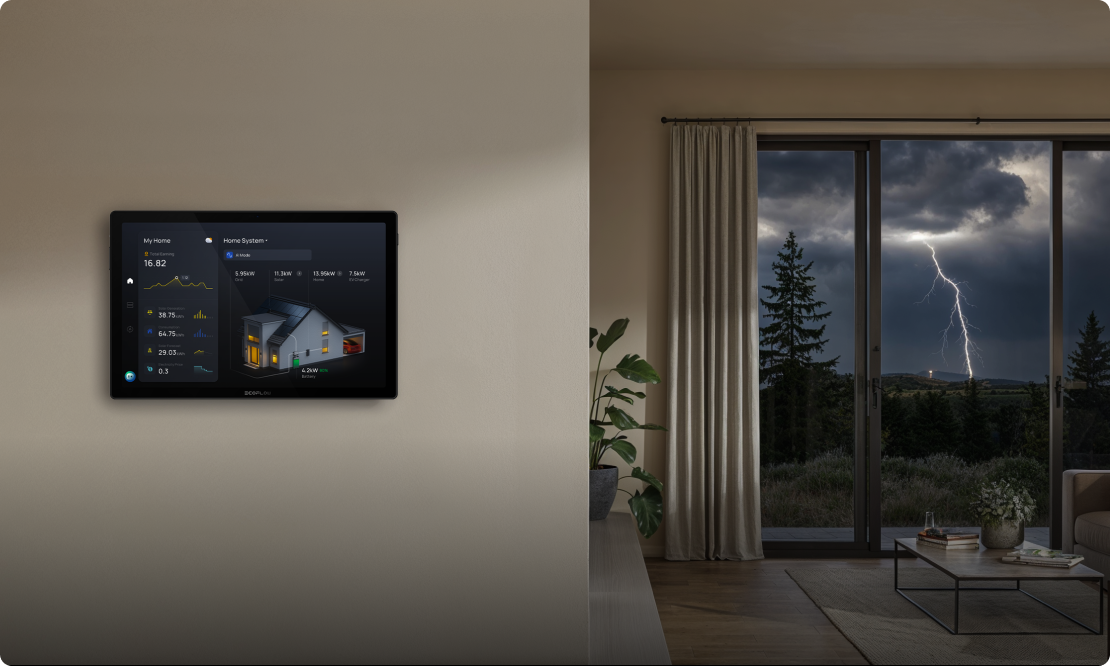
The EcoFlow PowerInsight 2 acts as your home’s brain—it shows you total power generation, usage, and battery levels in real time. Makes spotting energy waste a whole lot easier, especially since it hooks up with smart systems like Google Nest and Tado, so you can manage everything from one screen. There’s also an AI energy assistant that picks up on your habits and suggests better ways to run your appliances. Even if the NBN drops out, it keeps working offline—so your data and your plan stay on track.
3. Understanding Energy Usage
Have a flick through your bills from the past year. Notice a massive spike in January? That’s your aircon working overtime. Spotting these patterns helps you figure out where to put your money—like adding better shading to west-facing windows.
Key Upgrades for an Energy-Efficient Home
Once you know where the leaks are, it’s time for the “meat” of the renovation. These are the upgrades that offer the biggest bang for your buck.
1. Insulation and Sealing Improvements
Insulation is the unsung hero of the Aussie home. Topping up your ceiling batts and sealing gaps around door frames can reduce your heating and cooling costs by up to 25%. According to the Australian Government’s YourHome guide, proper insulation can reduce heating and cooling energy use by up to 40%. This makes it one of the most cost-effective upgrades you can prioritize during a renovation.
2. Energy Efficient Windows and Glazing
Double glazing isn’t just for cold climates anymore. In Australia, good-quality windows actually keep the scorching summer heat out, so you don’t have to run the AC non-stop.
3. Efficient Heating and Cooling Systems
If your aircon unit’s pushing ten years or more, chances are it’s a bit of a power hog. Swapping it out for a high-efficiency reverse-cycle system is usually the most cost-effective way to stay comfortable all year.
4. Smart Appliances and Lighting
Swap out any remaining old globes for LEDs and look for appliances with high star ratings. Smart plugs can also help ensure “vampire” appliances aren’t sucking power while you sleep.
5. Which Upgrade Should You Prioritize?
| Upgrade Type | Cost Level | ROI Speed | Impact Level |
|---|---|---|---|
| Insulation & sealing | Low | Fast | High |
| HVAC upgrade | Medium | Medium | High |
| Solar + battery | High | Long-term | Very High |
| Smart appliances | Low | Medium | Medium |
6. Estimate Your Potential Energy Savings
To understand the real impact of an energy-efficient renovation, you can estimate your potential savings using a simple formula:
Annual Savings ($) = Energy Reduced (kWh) × Electricity Rate ($/kWh)
Here’s a practical example:
| Scenario | Value |
|---|---|
| Energy reduction | 1,500 kWh/year |
| Avg electricity rate | $0.30/kWh |
| Estimated annual savings | $450 |
This quick calculation helps you see how upgrades like insulation, efficient HVAC systems, and solar batteries translate into real financial benefits. By storing excess energy generated during the day, you can further reduce your reliance on the grid.
How to Plan Energy Systems for a Sustainable Renovation
A truly sustainable reno moves beyond just reducing waste—it’s about generating and storing your own clean power.
1. Assess Household Energy Demand
Think about your future needs. Are you planning on adding a pool? Buying an EV? Your energy system needs to handle today’s kettle and tomorrow’s car charger. Integrating robust Solar battery Storage during the planning phase ensures your home remains resilient as your power consumption grows.
2. Design Scalable Solar and Storage Systems
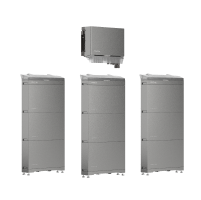
When planning your system, you want something that can grow with you. The EcoFlow PowerOcean (Single-Phase) is a brilliant solution for Aussie households because of its modular design. You can start small and expand up to 45 kWh as your needs change. It maximizes solar energy capture with its advanced 90V MPPT charge controller, ensuring efficient power generation even in variable weather. With LFP battery cells rated for 6,000 cycles and an IP65 weather-resistance rating, it’s built to survive our harsh conditions while keeping your long-term replacement costs down.
3. Integrate Heating, Cooling, and Power Systems
The “holy grail” is a home where your solar panels power your heat pump, which is managed by a smart thermostat. Integrating these systems ensures you’re using your “free” solar energy during the day rather than drawing from the grid at night.
.webp)
Common Mistakes to Avoid in Sustainable Renovation
Even with the best intentions, it’s easy to get distracted by the shiny stuff. Here are a few classic reno traps to watch out for.
1. Overlooking Insulation Before Tech Upgrades
Don’t go blowing your budget on a massive solar system if your place has zero insulation. That’s just pouring water into a leaky bucket. Fix the house envelope first, then worry about the tech.
2. Ignoring Local Climate
What works in Hobart isn’t always going to work in Darwin. Make sure your reno plan actually suits your local conditions—whether that’s dealing with humidity or bracing for extreme heat.
3. Underestimating Long-Term Maintenance
Cheap solar inverters or bargain-bin windows might save you a grand upfront, but you’ll pay three times that in five years when they give out. Stick with reputable brands that come with solid warranties and can handle the Aussie sun.
Conclusion
For an Aussie homeowner, going down the energy-efficient renovation path is one of the smartest moves you can make. Get the insulation right, keep an eye on things with something like the EcoFlow PowerInsight 2, and add scalable storage like the PowerOcean and suddenly you’ve got a home that’s comfortable, sustainable, and a whole lot cheaper to run. It’s about working with the Australian climate, not against it.
Schedule Your Free Consultation Today!
What kind of product or solution are you interested in?

FAQs
1. How can I tell if my home is energy efficient?
You can determine your home’s efficiency by checking for draughts, reviewing your energy bills for seasonal spikes, and using a smart monitor to track real-time power usage. If your home feels significantly hotter or colder than the outside air within minutes of turning off your AC, your efficiency is likely low.
2. How do energy ratings affect energy efficient homes?
Energy ratings, such as the NatHERS star rating, provide a standardized score of your home’s thermal performance. A higher star rating usually indicates lower energy bills and a higher potential resale value for the property.
3. Are there incentives for making energy efficient homes?
Yes, various state and federal Australian government schemes offer rebates for solar installations, battery storage, and energy-efficient heat pumps. It is always worth checking the “Energy Made Easy” website or your local council for current grants.
4. How much does it cost to assess an energy efficient home?
A professional residential energy audit in Australia typically costs between $300 and $800, depending on the detail required. However, many homeowners start with DIY assessments using smart energy management tools.
5. Should I renovate or rebuild to achieve an energy efficient home?
You should renovate if the home’s structure is sound and allows for insulation and glazing upgrades, but rebuilding might be better if the original orientation is poor. Often, a well-planned “deep retrofit” can achieve modern efficiency standards without the cost of a full demolition.