Solar Roof Tiles: Finding The Right Option for Australian Homes
A homeowner noticing their electricity bills have hiked starts thinking about how to make their house smarter. They wish to get it done without changing the clean and modern look of their roof. Solar roof tiles are the new modern technology that combines energy generation with a neat design. Unlike traditional panels, they are built onto the roof itself.
In a country like Australia, where sunlight is strong and sustainable, solar roof tiles turn out to be a good investment. Understanding the available options helps homeowners choose the right system for better savings. This article comes up with a home tile solution that can be added across modern homes.
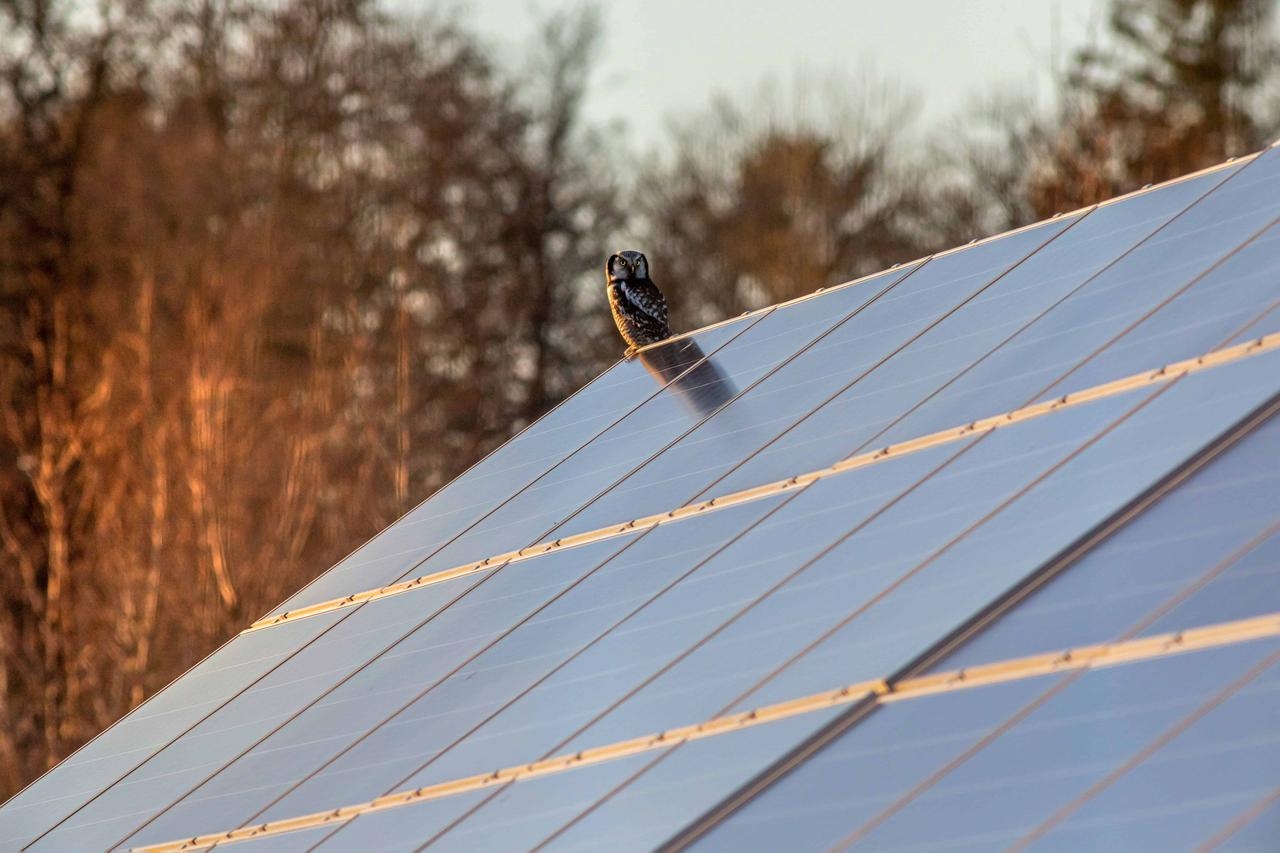
Solar Roof Tiles and Solar Power Tiles in Australia
Most homeowners throughout the country look for something more than basic solar panels. This growing demand for sustainability has brought solar roof tiles and power tiles into focus.
What Are Solar Roof Tiles and Solar Power Roof Tiles?
Solar tiles in Australia and solar power roof tiles are developed to produce electricity and act as an extension of your roof. They are not laid over roofing materials but rather substituted. These tiles are well incorporated into the general structure of a house.
Types of Solar Roof Tiles Used in Australia
The rising interest in clean energy has developed a professional and visual appeal for solar roof tiles in Australia. These modern roofing options come in several types, according to your needs and budget:
Monocrystalline Solar Roof Tiles
These are some of the most effective available options for their manufacturing using a single crystal structure. This provides them with high power output, and they are also effective in a small roof space. The reason why many homeowners prefer these solar tiles in Australia is that they look sleek and are durable over time.
Polycrystalline Solar Roof Tiles
Polycrystalline tiles are a little less efficient and cheaper. They consist of several silicon crystals and are a viable option in bigger roofs where space is not a big constraint. These solar power roof tiles Australia are perfect when one wants to have a compromise in terms of cost and performance.
Thin-Film Solar Roof Tiles
These tiles are light and flexible and can be used on the roofs of modern or uniquely shaped roofs. They are not as efficient as crystalline, but they are more effective in low-light conditions. This makes it a growing choice for solar roof tiles in Australia, especially in areas with better sunlight.
Glass Solar Roof Tiles
Glass tiles are made to resemble more traditional roofing materials, known as slate. They are both durable and pleasing to the eye. These tiles are very weather-resistant and offer a high-quality appearance. A lot of upscale houses are adding these solar tiles in Australia due to their smooth incorporation.
How Solar Roof Tiles Work on Your Home Roof?
As the number of homeowners considering integrated solar battery solutions grows, it is better to know how solar roof tiles work:
Solar roof tiles directly harness sunlight with their photovoltaic cells.
These cells transform sunlight into direct current (DC) electricity.
The electricity flows through wiring to an inverter system.
After that, the inverter converts DC electricity into alternating current (AC) for household use.
Finally, the generated power runs home appliances, and any extra energy can be stored or sent back to the grid.
Solar Roof vs Conventional Solar Panels
When choosing between solar roof tiles and traditional options, homeowners look at more than just output. They also consider other important factors, which are presented with a simple comparison below:
Factor | Solar Roof | Conventional Solar Panels |
Design and Aesthetics | Integrated as solar tiles. The design is sleek, uniform, and almost invisible from street view. | Mounted on top of the existing roof. The panels are visible and may affect curb appeal. |
Performance and Efficiency | Slightly lower efficiency per unit area. The overall energy depends on the roof size. | Higher efficiency options. It can optimize panel placement independently for maximum sunlight. |
Installation | Complex installation, as it requires roof replacement if the roof is not already due | Easier to install on an existing roof. The modular setup allows incremental installation. |
Maintenance and Repair | It can be expensive to repair the damaged tile because each tile needs to be changed individually. The integrated nature makes DIY repairs difficult. | Cleaning and inverter checks are included in maintenance. Damaged panels are replaced individually at a lower cost. |
Cost and Payback Time | High upfront cost (3× conventional panels) The payback time is 10–25 years, depending on incentives. | Lower upfront cost and flexible sizing. The payback time is shorter (5–12 years), depending on energy use and incentives. |
Benefits of a Solar Power Roof (Solar Roof Tiles & Solar Panels)
Switching to a solar power roof with either tiles or panels gives homeowners many benefits. Mentioned below are some of the advantages users can take by installing these in their homes:
Save Money on Energy: Solar roof tiles and solar panels both make renewable energy and cut down on your electricity bills. This can save a lot of money over time in places where electricity is expensive.
Reducing Impact on Environment: Using a solar-powered roof reduces reliance on fossil fuels, lowering the carbon footprint. This makes your air cleaner and the world more sustainable.
Higher Property Value: Homes with solar panels or integrated solar roof tiles are often worth more on the real estate market. The purchasers like features that save money and energy.
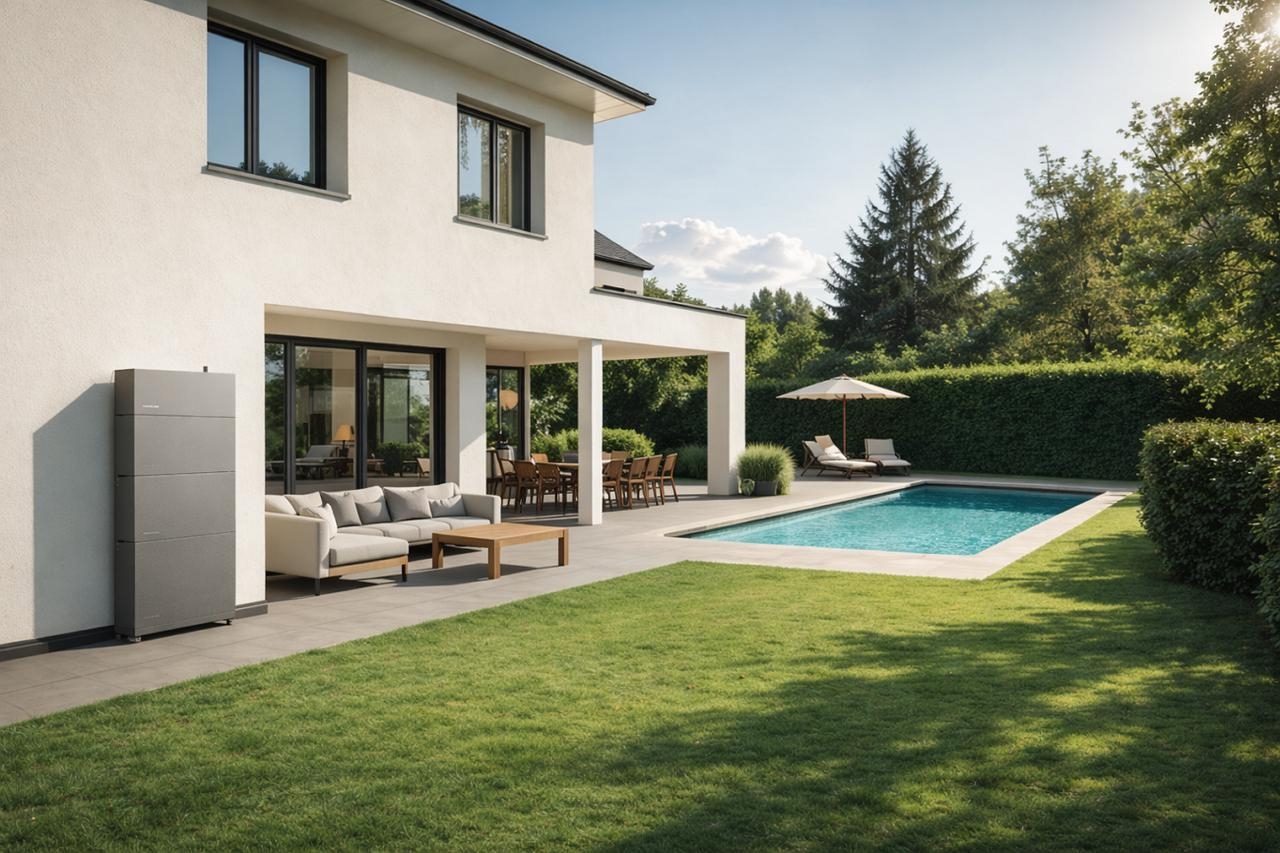
Energy Independence: A solar power roof lets you make your own electricity. You can pair it with a solar battery, such as the EcoFlow PowerOcean Single-Phase Battery, to store extra power during the day. This lets you run your home at night and truly maximize your energy independence.
Long Lasting Roof Protection: Solar roof tiles can safeguard, while regular panels protect parts of your roof from bad weather. Both choices will make your roof last longer in various ways.
5 Key Considerations Before Choosing a Solar Roof in Australia
Homeowners are advised to give serious consideration to a number of factors before they make a decision on solar tiles in Australia. Mentioned below are some of the things you should look for when choosing a solar roof:
Suitability of Roof: Check the shading and size of your roof. The roof that has the best exposure to the sun will give maximum energy production. However, the ones that are shaded or have an uneven shape will make less energy.
Budget and Financing: Think about which finance option will suit you the best. One of the budget-friendly options is to integrate a home battery. This can improve payback time and will save you money.
Energy Needs: Check how much electricity you use to figure out how much solar power you need. You can save the most money by matching the size of the system to the amount of energy used.
Benefits from Government: Find subsidies from the government and the local council. It can save you a large amount on the total cost.
Upkeep: You get the ability to save on the cost in the long run when you know how long the product will last. A system that does not need much maintenance will save you time and money.
The Future of Solar Roof Tiles and Smart Homes in Australia
As Australia shifts toward sustainable living, the combination of solar roof tiles and smart home energy management is transforming how households generate and store electricity. In the future, you might see the following upgrades in terms of energy usage and consumption:
Integrated Solar Roof Tiles: Replacement of conventional roofs while generating electricity, turning it into an energy-producing surface.
Smart Home Energy Management: Users would centralize control of energy production and usage by installing smart energy management tools. Systems like EcoFlow HEMS allow homeowners to monitor and optimize consumption in real time.
Battery Storage Integration: Helps store more energy for use during the night or periods of high demand. Ready to take control of your energy savings? Contact the EcoFlow expert today to get a solar battery quote for your home system.
Schedule Your Free Consultation Today!
What kind of product or solution are you interested in?

Automated Load Optimization: Direct energy to where it's needed most, such as running appliances or charging devices. This will lower costs and waste in the long run.
Dynamic Energy Scheduling: Adjusting energy use based on availability or household priorities. This will ensure efficiency and sustainability.
Conclusion
Overall, solar roof tiles and smart energy systems can help households use more of their own power. For sustainable living, homeowners look for practical solutions. The EcoFlow Home Management system turns out to be a strong option, as it helps manage energy flow and storage. This turns out to be the best way to divert your electricity usage to efficiency and convenience.
FAQs
1. Is a solar cell worth it?
Solar cells will be worth it in Australia since they will save on electricity bills and carbon footprint. Combining them with an intelligent system such as EcoFlow HEMS will maximize self-consumption and save the surplus energy to be used in the future.
2. What is the 20% rule for solar?
This rule recommends that your solar system should not exceed about 20 percent of the roof space so as not to cause shading and efficiency losses. A HEMS can be used to maximize energy consumption, and the system would be efficient within that range.
3. Can I run my AC all day with solar?
You can run AC throughout the day, provided that your solar array and battery are large enough to provide power throughout. For example, you can start with a 5kWh EcoFlow Home Battery and simply stack more modules to expand your capacity as your cooling needs grow.
4. Is a 90% efficient solar panel possible?
The current residential solar panels are about 20-23% efficient, and 90% is not yet a feasible option with modern technology. With smart energy management, it is possible to maximize the available panels by controlling the generated power to areas where it is most required.
5. How to size rooftop solar?
Calculate your system size on the basis of the average daily power consumption, roof area, and the amount of sunshine. The EcoFlow HEMS can also be used to streamline the size of the system by examining real patterns of consumption and controlling the flow of energy.