Solar Panel Installation Cost in Australia: 2026 Pricing Breakdown
Welcome to 2026. Electricity prices across Australia are rising once again. Many families are feeling the pinch of high quarterly bills. Because of this, many homeowners want to take control of their own energy. You might currently be asking about solar energy installation costs today. Getting solar is still a very smart move for your wallet. But you need to understand the true costs first.
This article breaks down the average solar panel installation cost. We will look at typical pricing based on different system sizes. We will also explore the real-world variables that can change your final quote. Finally, we will show you how saving more for the long term with a home solar battery is the smartest financial choice you can make.
Average solar setup cost by system size
When homeowners finally decide to go solar, they usually want to know the baseline numbers right away. The average solar setup cost depends heavily on how many panels you need to power your life. In 2026, most standard Australian homes choose a system between 5kW and 10kW.
Let's look at the average numbers. Keep in mind that these figures represent your final out-of-pocket expenses. They already include the standard federal STC (Small-scale Technology Certificate) discount.
For a smaller home, a 5kW system is a common starting point. The solar panel setup cost for this size usually sits between $4,000 and $5,500. This size works very well for small families with basic daily energy needs.
The most popular choice across the country is the 6.6kW system. This size offers the best value for money because of how federal rebates work. For a 6.6kW setup, the home solar installation cost ranges from $5,000 to $6,500. It produces enough power to run daily appliances for an average-sized house.
Larger homes or big families often need more power. They usually look at 10kW systems. This is especially true if you have a swimming pool, ducted air conditioning, or an electric vehicle. For a 10kW system, the solar energy installation cost generally falls between $8,000 and $10,500.
Remember that your exact location matters. The baseline solar panel installation cost changes slightly from state to state. For example, installing panels in a busy city like Brisbane might cost less than in regional Western Australia. Local competition and transport fees play a big role in pricing.
Picking the right system size is very important. To get the best results, you need a system that closely matches your daily energy habits. Because of this, many homeowners are now exploring a home battery system that Australia relies on to store extra energy safely.
Factors affecting the cost of installing solar panels
You might wonder why two similar houses on the same street get completely different quotes. The truth is, no two roofs are exactly the same. Many variables affect the final cost of fitting solar panels.
The prices we just mentioned above are only averages. Several choices you make will push your cost of installing solar panels up or down. Let's look at the main factors.
Panel and inverter quality
The hardware you choose makes the biggest difference to the price. The market offers a wide range of solar panels and inverters. If you choose premium Tier 1 panels, your initial cost to install solar panels will naturally increase. These premium panels use higher-quality silicon. They also come with longer performance warranties, often lasting up to 25 years.
The same rule applies to your inverter. The inverter is the box that turns raw solar energy into usable home power. High-end string inverters cost more upfront. Microinverters, which sit under each individual panel, are another premium option. They will increase the overall quote for installing solar panels.
However, better equipment yields much higher efficiency. It produces more power during cloudy days and lasts much longer. Cheaper parts might save you money today, but they often break sooner. Replacing a broken inverter after just a few years will wipe out any initial savings you made.
Roof type and accessibility
Your home's physical structure also changes the price tag. Installers must always work safely. If you have a steep, multi-story house, the team will need special safety gear. They might even need to build scaffolding. This extra equipment and time will directly impact how much it costs to install solar panels.
The material of your roof is also a huge factor. Standard tin or Colorbond roofs are the easiest to work on. Installers can fit panels on them very quickly. On the other hand, fragile terracotta tiles require extra care. Workers must step slowly to avoid breaking their roof tiles. Sometimes, they need to buy special mounting brackets just for tiles.
Installers also carry panels up ladders by hand. A standard solar panel measures about 67 inches (170 cm) tall and weighs roughly 44 lbs (20 kg). Moving these heavy panels up a difficult roof requires care and extra time. All this extra labor adds to your final bill. While planning your roof setup, you should also think about adding solar battery storage. The number of panels you install directly impacts how much extra power you can save for the evening.
Savings and payback: Factors affecting your ROI
Paying the upfront bill is just the very first step. You also need to focus heavily on your return on investment (ROI). Many people worry about the large price tag. But you should view this as an investment that literally pays you back.
Even though the cost to install solar panels seems high, it pays off quickly. The average Australian home usually sees a full payback period of three to five years. After that short period, your system makes pure profit for your family.
The fastest way to reach that payback point is through self-consumption. Self-consumption means using your solar power exactly when your panels make it. If you run your washing machine and dishwasher at noon, that power is completely free. Every unit of energy you make yourself is a unit you do not have to buy from the grid. This simple habit saves you roughly 35 to 45 cents per kilowatt-hour.
However, saving more money in the long term requires capturing your excess daytime power. Most families are simply not home during the day. They use the bulk of their electricity at night. The sun goes down, but your family's power demand goes way up.
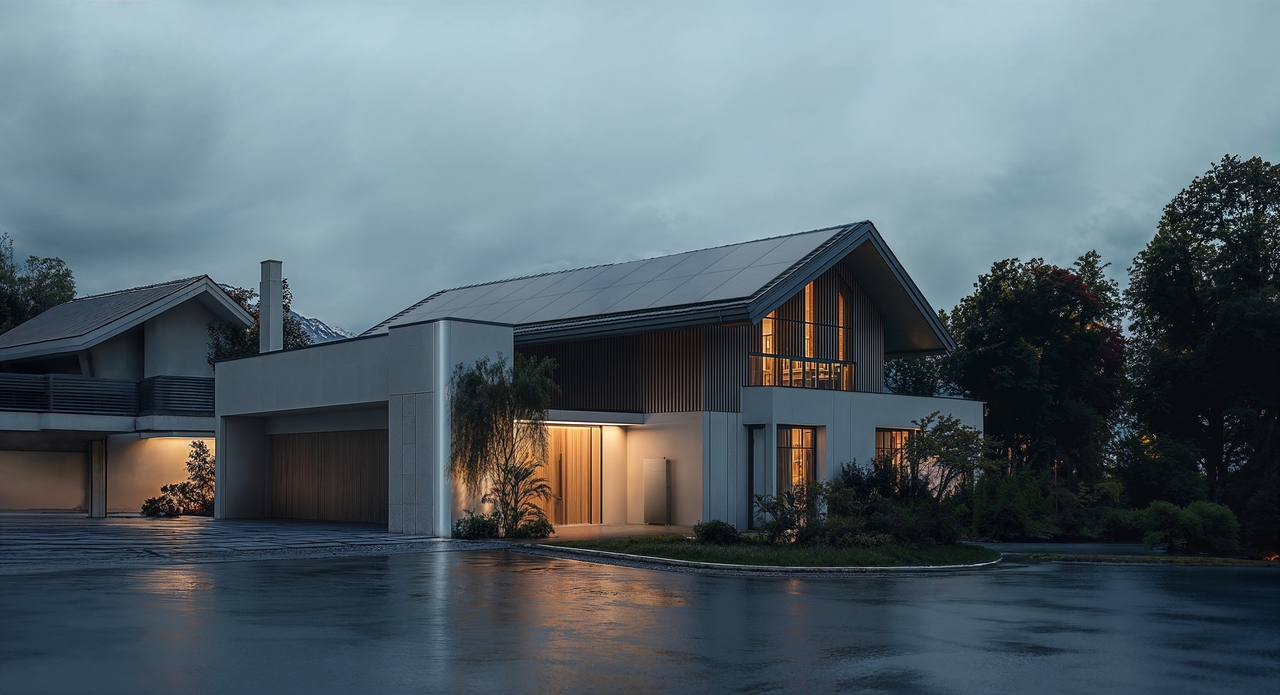
To fix this gap, you must store your extra daytime solar. Adding a reliable storage unit allows you to save that energy for your evening routine. For example, pairing your panels with the EcoFlow PowerOcean Single-Phase Battery lets your family safely store surplus solar during the day. You can then use it to run the lights, oven, and television at night. This simple addition eliminates expensive evening grid reliance. It drastically improves your system's overall payback period.
If you want to understand the potential savings in your electricity bills or calculate the exact payback period for your household's energy usage, contact EcoFlow professional energy consultants for a tailored assessment.
Schedule Your Free Consultation Today!
What kind of product or solution are you interested in?

Government rebates and your solar installation cost
You do not have to pay the full price all by yourself. The Australian government offers generous help. They want more homes to use green energy. Because of this, they offer programs that directly reduce your solar installation cost.
The main program is the federal Small-scale Renewable Energy Scheme. Under this scheme, your new solar system earns Small-scale Technology Certificates (STCs). Think of STCs as a digital currency. The amount of STCs you get depends on your system size and where you live in Australia.
You do not have to claim these STCs yourself. Your local installer handles all the paperwork for you. They apply the cash value of the STCs directly to your final quote. It acts as an upfront point-of-sale discount. It is not a cash rebate that you have to wait months to receive. When you look at an advertised quote online, the STC discount is almost always already taken off.
In addition to the federal STCs, you should check for local state support. Different states occasionally offer extra help for homeowners. For instance, you might find localized incentives or even interest-free loans. These programs can make a huge difference to your budget. Taking advantage of these programs helps you afford the best solar battery Australia has to offer. Using both federal and state programs is the best way to keep your costs down.
Maximize long-term savings with smart energy management
Paying for the hardware is only half the battle. Your daily management strategy decides your true daily profit. In 2026, the Australian energy grid is highly "dynamic." This means grid rules and energy prices change constantly throughout the day. A static, old-school solar system is a wasting asset. You need a modern system that reacts to the environment in real-time.
Stop "accidental" grid imports during cloud cover
In the past, people managed their solar power with simple plug-in timers. They set the dishwasher to run at noon and hoped for sunshine. But the weather is very unpredictable. If a dark cloud passes over your house while a heavy appliance is running, your panels stop making power. Without you even knowing, your home instantly pulls expensive power from the grid to keep the appliance running. This is an "accidental" grid import. It quietly drives up your power bill.
A smart AI-driven system stops this. It watches your solar production second by second. If a cloud rolls in, it can quickly pause a heavy load, like an EV charger. Or, it can instantly pull backup power from your home battery instead of the grid. This keeps the grid from sneaking random charges onto your monthly bill.
Preventing "Export Throttling" by the local grid
Many Australian networks now use flexible export limits. In places managed by big networks, the rules have changed. On very sunny days, the local grid can get overloaded with too much solar power from houses. To fix this, the network might limit your exports. They might even shut your solar panels down completely for a few hours. This is called export throttling.
If your system gets throttled, you lose the chance to make money. A smart management system solves this headache. When it detects that the grid is blocking your exports, it changes direction. It diverts that "blocked" power directly into your home battery. You capture the energy instead of losing it forever.
The All-in-One Energy Brain
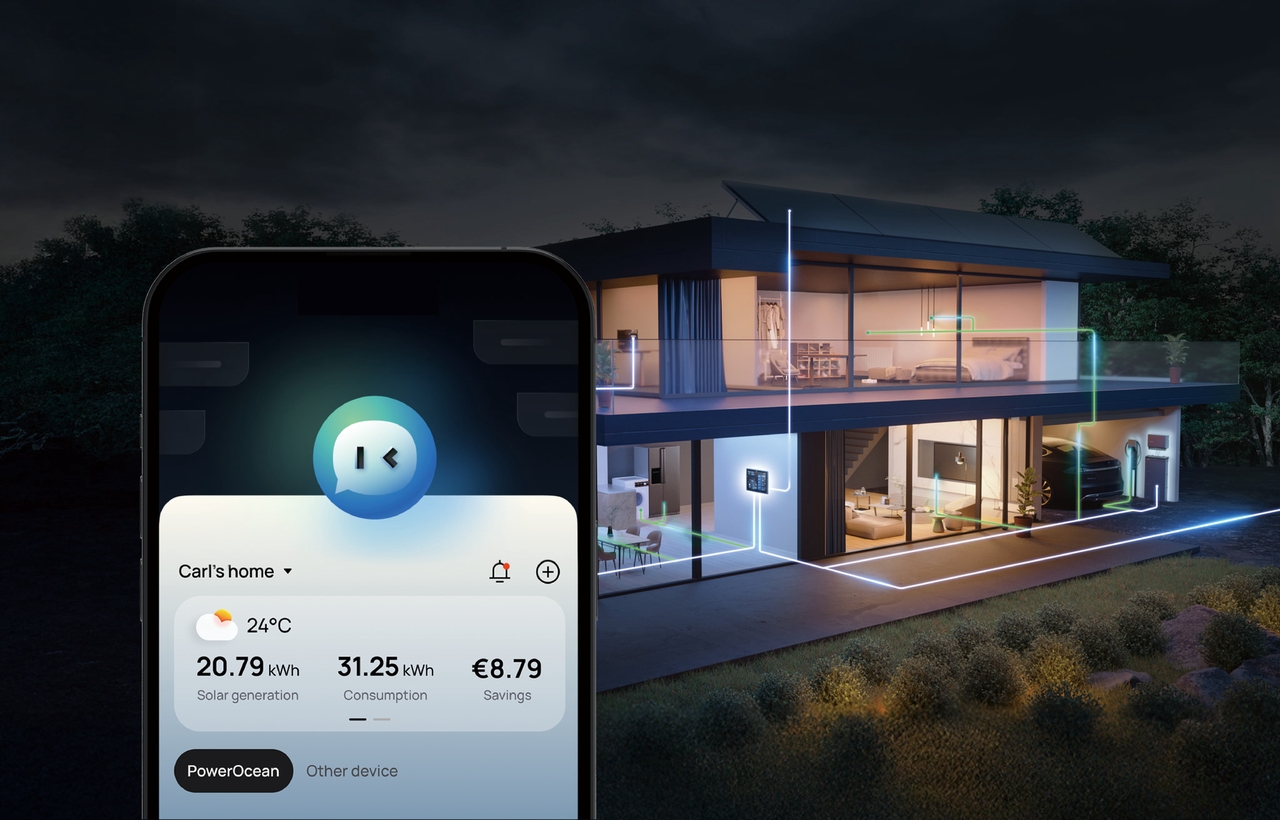
To handle these fast changes, you need a smart central hub. You need smart software that does the heavy thinking for you. For instance, the EcoFlow HEMS acts as an all-in-one energy brain for your house.
This software tracks local weather forecasts and your specific daily habits. It decides the absolute best times to charge your battery or power your home. It also helps you connect to a Virtual Power Plant (VPP). A VPP lets you share your extra stored power with the grid during heatwaves. In return, you earn extra credit bills. The app automates all these complex interactions. You can easily track your VPP earnings from your phone without lifting a finger.
Achieving $0 "Fuel" costs with Solar Soaking
If you drive an electric vehicle, smart management changes everything. You can set your system to perform "Solar Soaking." This means you program your car charger to only use 100% surplus solar power.
The charger actually talks to your solar system. It waits until your house has extra power before it starts charging the car. This ensures you never pull expensive grid power to fill your tank. By using this method, EV owners can drop their weekly transport fuel costs to exactly zero. Turning your home into a free petrol station makes your system pay for itself much faster.
Conclusion
Understanding the full solar panel installation cost means looking at the big picture. You have to carefully consider both the upfront price tag and the long-term utility savings. Quality hardware might cost more today, but it offers much better warranties and higher efficiency over the decades. Investing in a reliable setup, using all available government rebates, and prioritizing self-consumption are the best strategies. Adding smart battery storage and automated software ensures you never waste a single drop of sunshine. Taking these steps is the ultimate way to guarantee lasting energy independence for your home.
FAQs
What is the cheapest way to install solar?
The cheapest way is to choose a standard 5kW or 6.6kW system with entry-level Tier 1 panels. You should also make sure your home qualifies for the federal STC discount. Keep in mind that a single-story home with a standard tin roof will always have the lowest labour costs.
What is the average payback period for solar in Australia?
For most Aussie homes, the payback period is 3 to 5 years. This depends on local electricity rates and how much daytime solar you consume. You can speed this up by storing excess power in a system like the EcoFlow home battery for evening use.
Is 6.6 kW solar enough for a 4-bedroom house?
Yes, a 6.6kW system is generally enough to power a standard four-bedroom house. It provides a great balance of power generation and total value. However, if you have a swimming pool, ducted air conditioning, or an electric car, you might need a larger 10kW setup.
How long do solar panels typically last?
High-quality solar panels are built to last a very long time. Most premium tier 1 panels will function well for 25 to 30 years. They will slowly lose a tiny bit of efficiency each year. A good home inverter usually lasts about 10 to 15 years before needing a replacement.
Why is my bill so high when I have solar panels?
Your bill stays high if you use most of the electricity at night. During the evening, you buy expensive grid power. Fix this by shifting heavy appliance use to daytime hours or adding a unit such as the EcoFlow home battery to store solar for night use