How to Stop Climate Change: Steps That Actually Work Today
Climate change already shows up in life across Australia. Hotter days are lasting longer, fire seasons are stretching across the south and east, and some southern areas are getting drier. National climate records show Australia has warmed by about 1.51°C since 1910. Sea levels and marine heatwaves continue to strain coasts and ecosystems.
That leaves people asking how I can prevent climate change in ways that matter. It begins with practical decisions, improved energy efficiency, and improved solar investments. This will have the potential to reduce waste, reduce emissions, and make homes more resilient.
Understanding the Current Global Climate Crisis
Recent Australian data shows climate pressure is still rising. The Bureau of Meteorology reported 2025 as the fourth warmest year in Australia on record, with temperatures 1.23°C above average. In April 2026, the National Inventory Report also showed net emissions of 466.4 million tonnes of CO2-e for 2023–24. These figures show why climate action remains urgent for communities and ecosystems.
Most climate pollution still comes from how people power homes, run industry, and move goods and passengers. The impact reaches far beyond rising temperatures. They can influence health, food supplies, and the condition of forests, oceans, and wildlife. That is why action on climate change matters in practical ways, both now and in the years ahead.
Preventing a Point of No Return to Climate Change
A climate tipping point is the stage where extra warming pushes part of the planet into serious change. Ice sheets can melt faster, frozen ground can thaw, and forests can begin to die back. Once that process starts, it may keep going for years, even when the temperature rise begins to slow.
Why Urgent Action is Needed Now
Every fraction of warming avoided reduces losses for people, ecosystems, and economies.
Delay raises the risk of tipping points and locks in more serious, costlier damage.
Acting now gives governments, businesses, and households more room to adapt safely.
Thus, to prevent climate change, governments need strong policy, investment, and reliable infrastructure. Businesses should cut emissions across operations, supply chains, and transport. People can help through everyday choices, like using less power, wasting less, and traveling in cleaner ways. Progress becomes stronger when public, private, and household action work together.
Lifestyle Changes That Truly Make a Difference
Real solutions to climate change often begin with daily habits. Small changes at home can cut waste, lower emissions, and support a more practical way to live. Below are a few lifestyle changes that make a difference:
Cut Everyday Power Waste
Power use at home adds up quickly. Turning off unused lights, removing chargers, and using timers in the right places can help cut waste. These simple habits reduce idle power use, cut energy waste, and make your home run more efficiently each day.
Switch to Efficient Appliances
Older appliances often use more electricity than expected, even when they seem to work well. Choosing efficient models can help prevent climate change by lowering power demand over time. They also reduce running costs, support better energy use, and make everyday household tasks more reliable.
Make Food Choices More Sustainable
Food habits shape your carbon footprint more than many people realize. Eating less meat, wasting less food, and buying more local produce can reduce emissions. These choices also support fresher meals and a more thoughtful approach to what comes into your kitchen each week.
Reduce, Reuse, and Recycle More
Waste grows when people throw out items that could still be used. Reusing jars, repairing basics, recycling carefully, and skipping unnecessary purchases can all help. These habits may seem minor, but they can reduce landfill waste and make everyday consumption a bit more sensible.
Investing in Solar Energy with Battery Storage
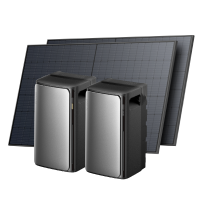
By switching to rooftop solar, households contribute directly to global climate efforts by reducing their carbon footprint and embracing renewable energy. Solar power becomes far more useful when households can keep extra energy for later, not lose it once the sun goes down. Battery storage helps with that. It can lower waste, improve power security, and make homes less dependent on the grid.

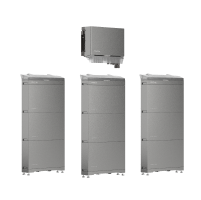
EcoFlow PowerOcean Single-phase Battery is one of the best options. It saves extra solar power for later and can also help during outages. For households, that means more flexibility in how power is used and a bit less pressure to rely on the grid all the time. Below are the key specs to review:
PowerOcean Single-Phase Battery Specs | Details |
Battery Chemistry | LFP battery technology |
Starting Capacity | 5kWh |
Expandable Capacity | Up to 15kWh (in one inverter) |
Battery Lifespan | 6000+ charge cycles |
Protection Rating | IP65 |
Warranty | 15 years |
Backup Output | Up to 6kW continuous off-grid power |
Storage works better when it is paired with smart control. That is where EcoFlow Intelligent HEMS comes in. It tracks home energy use, solar generation, and battery levels, then helps optimize when energy is stored or used. This gives households a clearer view of their power use and helps them make better use of the solar energy they already generate.

Ready to take control of your energy savings and support a greener future? Contact the EcoFlow expert today to get a solar battery quote for your home system.
Schedule Your Free Consultation Today!
What kind of product or solution are you interested in?

Prevent Climate Change: Community and Policy-Level Impact
To avoid climate change, no home or habit can be exempt from action that can be taken. Local action, government policy, and enhanced community engagement are the three components that will work together to achieve the real prevention of climate change.
Support Local Green Projects: Tree planting, cleaner transport, and community solar projects can improve local environmental conditions. They also help cut emissions in practical ways that people can join and support directly.
Back Renewable Incentives: Support for solar, batteries, and efficient systems can make cleaner energy easier to afford. Rebates and tax credits also give more homes and businesses a fairer chance to make the switch.
Join Shared Energy Programs: Green cooperatives and energy-sharing programs provide individuals with increased opportunities to share cleaner power. They also make renewable energy available for those who cannot install whole systems.
Strengthen Education and Advocacy: People respond better when they understand the issue in clear terms. Education and advocacy help communities make better decisions to prevent climate change.
Conclusion
To conclude, climate change will not be solved by one action alone, but steady choices still matter. Better habits, cleaner energy, and stronger community support all help move daily life towards real climate change prevention. For households wanting a practical next step, the EcoFlow Home Energy Ecosystem can be worth considering.
FAQs
Can we reverse climate change?
Not fully, at least not quickly. Some damage is already underway, and the climate does not respond overnight. Even so, cutting emissions now still makes a real difference. It can slow future warming, reduce risks to people and nature, and give communities more chance to cope with what is already changing.
Will the world be livable in 2050?
Probably, yes, but not in the same way everywhere. Some places will face harder heat, floods, food pressure, or water stress than others. Life in 2050 will depend a lot on what countries do now to prevent climate change, strengthen public systems, and protect basic needs. The future is still open, but the window for easier choices is narrowing fast.
What are five signs of climate change?
Five common signs are rising temperatures, stronger heatwaves, heavier rain in some places, longer droughts in others, and rising sea levels. You can also see climate change in melting ice, marine heatwaves, coral damage, and shifting seasons. Together, these signs show that weather patterns and natural systems are changing in ways that affect homes, farming, and wildlife across many regions.
What is a natural solution to climate change?
The first is the natural remedy, which is to re-establish forests, wetlands, and mangroves. Such natural spaces are able to hold carbon, ease heat, handle water more efficiently, and safeguard flora and fauna. Planting trees can help, but their preservation can be even more important. Nature-based work is not the only answer, yet it remains one of the most practical solutions to climate change when done properly and maintained over time, locally too.
How to stop climate change as a homeowner?
Homeowners can do a lot through small changes at home. Use less electricity, replace old appliances, fix drafts, and waste less where you can. Solar with battery storage (such as Ecoflow home battery) can also help cut reliance on the grid. A practical starting point is to focus on habits you can keep up over time, rather than trying to change everything at once.