How Does Solar Energy Work: A Guide to Modern Home Energy Systems
Many Aussie homes have rising power bills, and money is very tight now. People want cheap and clean power, but solar can still feel very confusing. They often ask a basic question like how does solar energy work today. Without clear answers, families do not know if solar is good for them.
Some worry about cloudy days and having enough power during the night. Others just want a short, clear guide that uses normal Aussie words only. This guide helps Aussie households understand and use home solar power in everyday life.
What Is Solar Energy and How Does It Generate Power
Solar energy use began long ago when people used sunlight for warmth and drying. In 1839, French scientist Edmond Becquerel discovered the photovoltaic effect while doing experiments. He found certain materials made electric current when light shone on them in labs. This discovery was the first step toward modern solar cells and solar panels.
Charles Fritts built an early solar cell with selenium in 1883. Governments started supporting solar power more in the 1970s due to global energy problems. Since then, research and support programs have made solar power cheaper and more common.
Step-by-Step Process of Solar Electricity Generation
Solar power follows a clear path from sunlight to electricity. Go through the simple steps below to learn how solar power works:
Step 1. Solar Panels Capture Sunlight
Place solar panels where they get strong sunlight for many hours. Inside the panels, small photovoltaic cells turn sunlight into direct current (DC) electrical power. Good panel position and angle help your solar system make more power each day.
Step 2. Inverter Converts DC to AC
Power from the panels moves through cables and reaches the main inverter unit. The inverter transforms the DC electricity into the AC electricity.
Step 3. Home Appliances Run on Electricity
The AC power is converted into the switchboard of your home. It drives your lights and electronic equipment. The times when you are using electricity, you are using your solar energy.
Step 4. Extra Energy is Stored or Shared
When your system produces more power than you need, there is extra unused electricity. You can send this extra power into a home battery and store it. If your system connects to the grid, you can export extra power and reduce bills.
The Working Principle of Photovoltaic Technology
Now, we will see how photovoltaic panels work in a simple way.
The PV panels are made from small solar cells using semiconductor material. If sunlight hits cells, light energy pushes electrons and starts moving. This movement of electrons creates DC electricity to flow out.
Wires then carry this DC electricity away from the panel towards other system parts. A device called an inverter changes the DC electricity into AC. After conversion, the AC power can run home appliances, charge batteries, or feed the grid.
The energy usually flows like this: Solar panels → charge controller (for off‑grid systems) → battery (optional) → inverter → home appliances.
Key Components of a Home Solar System
After exploring how solar panels create electricity, we will explain each main system part.
Solar Panels, Inverters, and Meters
These 3 parts work together to convert sunlight into usable power. Now, see what each one does in clear language without any confusing details.
Solar Panels
This component faces the sun on the roof and makes direct current electricity. They work better when they get direct sunlight and are set at a good angle.
Inverters
Inverters take DC from panels and convert it to AC. This alternating current is the power that normal home appliances can utilise.
Meters
Energy meters show how much electricity the home takes from solar and from the grid. They also record excess solar sent to the grid to reduce bills.
Role of Solar Batteries in the System
Solar batteries store the extra power your panels make instead of letting it go to waste. They keep this energy to help power your home when the sun is not shining. A smart battery setup stores extra solar energy. This stored power helps you see how solar power works day and night.
The solar battery solution suits typical Australian homes wanting smarter use of their solar energy. EcoFlow PowerOcean Single-Phase Battery is a good example, designed for single-phase households with a 6 kW continuous power output to handle heavy loads. Starting at 5 kWh, its modular design expands to 15 kWh on a single inverter, making it easy to scale. It supports home power during daily use and unexpected grid interruptions.
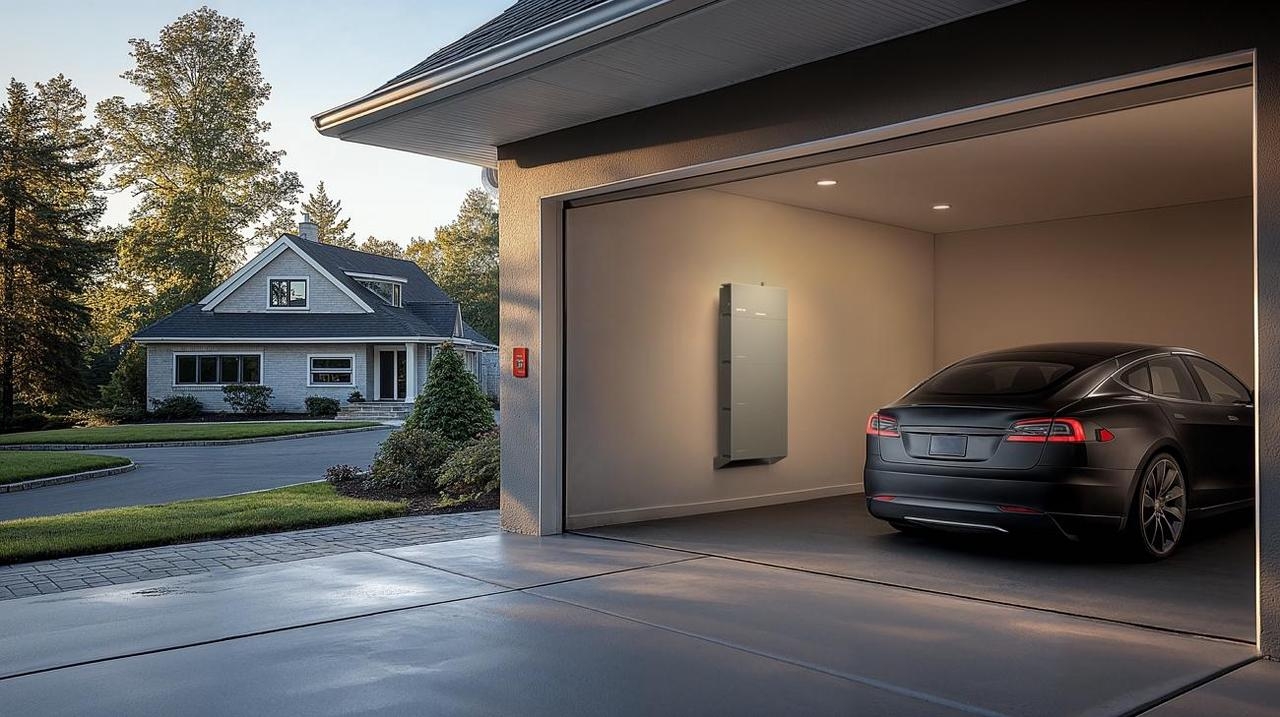
Some families start small and add more panels and battery capacity over time. They learn how solar energy produces electricity and matches systems to their lifestyle. Get a solar battery quote today to explore options for your home.
Schedule Your Free Consultation Today!
What kind of product or solution are you interested in?
Do Solar Panels Work Without Direct Sunlight?
Solar panels can work without direct sunlight, with less power. They utilise daylight when the sky is cloudy. This helps you see how solar electricity works in changing daily conditions.
The weather can make solar power fluctuate throughout the day. Strong sunlight gives the most even and highest solar energy output. A good system setup and a battery help handle these weather changes better.
Solar Panel Performance on Cloudy and Rainy Days
Now we will look at solar panel performance during cloudy and winter days:
Cloudy skies reduce sunlight levels, and panels make less power than on clear days.
The cloud cover still allows light to reach the panels, and some useful energy is generated by the systems.
Rain lowers power output, yet falling water can sometimes help wash dust from panels.
Cold winter air does not stop panels from working and can help them run.
Short winter days and low sun positions lead to lower daily solar energy production.
Grid-Tied vs. Off-Grid vs. Hybrid Solar Systems
Many Aussies feel confused by these three main home solar system options. Each one manages power supply and backup in its own simple, clear way. Look at the table below to quickly see the main differences:
System Type | Main Power Source | Backup in Outage | Battery Use | Typical Grid Connection |
Grid-tied | Solar plus grid | None | Optional, not required | Always connected |
Off-grid | Solar and batteries only | Yes, if the battery is charged | Main source all the time | No grid connection |
Hybrid | Solar, batteries, and grid | Yes, for key circuits | Used daily and for backup | Connected, but less used |
How Each System Handles Power Supply and Backup
Having learned how solar makes energy, let's see how each system manages power.
Grid-tied System: Your home uses solar power first, and the grid supplies any excess demand. This type of system normally shuts down for safety and gives no backup in a blackout.
Off-grid System: Solar panels charge batteries that power your home both during the day and night. A low battery and no sunlight can cause the whole home to lose power.
Hybrid System: This setup combines solar batteries and the grid to keep power more stable. For example, EcoFlow home battery storage stores extra solar and keeps key circuits running.
Modern Energy Management: Smart Way to Control Your Home Energy
Once users learn how solar energy generates power, the next question becomes how to manage it. Modern energy systems help use more solar energy, reduce waste, and lower home power bills. Smart control at home also helps avoid high prices during busy peak power times.
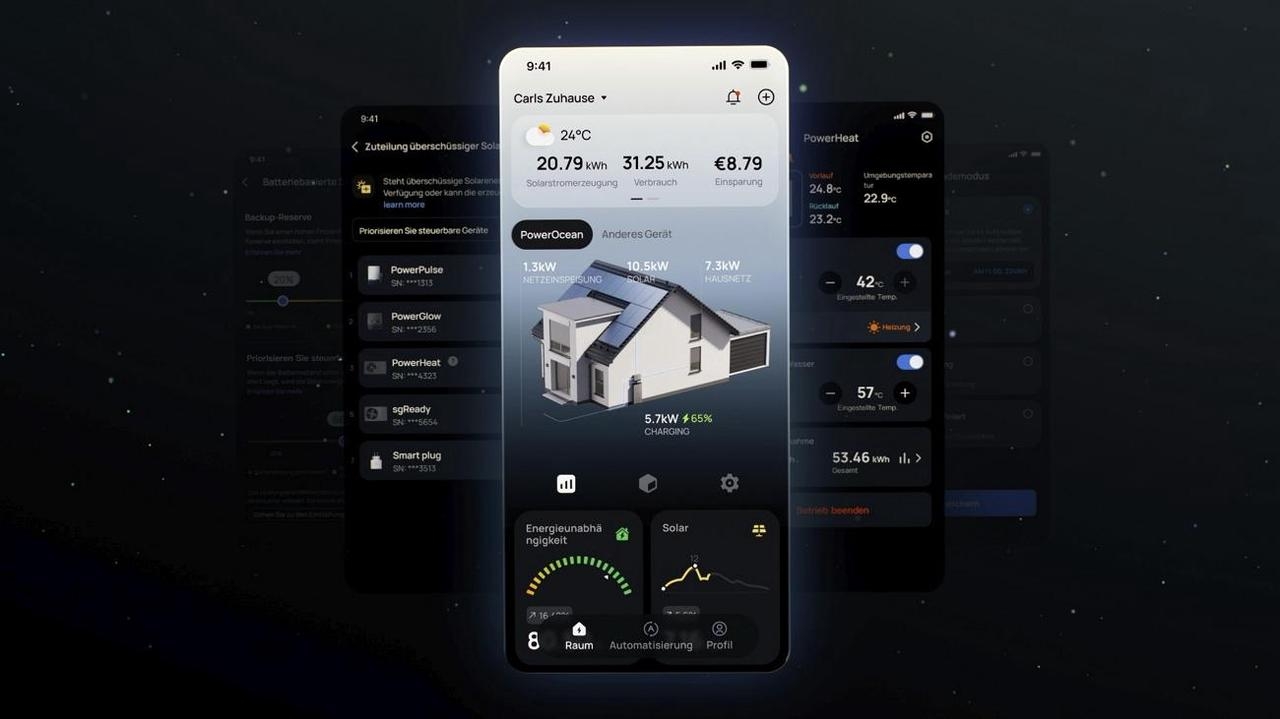
EcoFlow Intelligent HEMS combines grid power and solar batteries into a smart system. The system monitors the energy consumption of the home and schedules each source usage. Users can view live power use and make changes by using the EcoFlow App.
Real-World Examples of Solar + Battery Use at Home
Solar and batteries work best when you see how they help real families. In this part, we will look at everyday ways people actually use them.
Running Home at Night from Solar
During the day, your panels make power and charge the home battery. At night, that stored energy runs the lights, fridge, and devices without using grid power. This makes bills lower and keeps your home using more of its own energy.
Staying Comfortable During Blackouts
When the grid fails, the battery automatically keeps key circuits running safely. Families can keep lights on, charge phones, and run the Wi‑Fi during outages. Some systems also support essentials, such as medical devices or a small heater if needed.
Beating Peak-time Lower Prices
Power often costs more in the evening, when everyone uses electricity simultaneously. Smart systems store cheaper daytime solar energy for use later during high-priced times. This change from grid power to battery helps lower bills with no extra effort.
Conclusion
In the end, understanding solar energy helps Australians make smarter choices about home power use. Knowing how solar energy works makes panels and energy bills feel less confusing. The families can design systems according to their financial potential. With the increased costs of energy, the EcoFlow home battery assists households in storing solar energy and dealing with power cuts.
FAQs
1. Why is my electricity bill so high with solar panels?
Sometimes the system is too small, or panels are shaded during key hours. High evening use can also push you onto expensive grid power more often. A home energy check can show when and where your power is being used.
2. Is 6.6 kW solar enough for a 4-bedroom house?
Yes, a 6.6 kW solar system is the standard choice for a typical 4-bedroom Australian house, as it generally covers the daily energy needs of a medium-sized family. However, it depends on your usage habits, appliances, and how much daytime power you use. Many families pair similar systems with EcoFlow home batteries to cover more evening needs.
3. What is the 20% rule for solar?
The 20% rule usually limits solar size to about 120% of the main breaker rating. It helps keep the system safe by preventing wiring and equipment damage.
4. Can I run my AC all day with solar?
You can if your solar and battery system are sized for that load. Large air conditioners need strong midday sun or EcoFlow solar battery storage to avoid heavy grid use. A designer can size your solar system around your air conditioning hours and seasons.
5. Does a solar panel charge at night?
Solar panels do not generate power or charge batteries at night. They only work when there is light, because that is how solar energy is converted into electricity.