Solar Inverter Australia Guide: How to Choose the Right One for Your Home (2026)
If you’re serious about cutting your power bills in Australia, you’ll know solar panels are only part of the equation. The real workhorse is the inverter. This guide covers what you need to know to pick the right one for Australian conditions. Whether you live in sunny Brisbane or a leafy Melbourne suburb, choosing the right inverter is what makes a system truly pay for itself.
What Is a Solar Inverter and Why It Matters?
Before we get into the technical details, let’s make one thing clear: this box on your wall matters. A lot. Think of it as the brain of your whole solar system.
What Does a Solar Inverter Do?
Simply put, your solar panels soak up DC (Direct Current) electricity from our harsh Aussie sun, but your fridge, TV, and AC run on AC (Alternating Current). The inverter’s main job is to “invert” that DC power into usable AC power for your home.
Why Your Inverter Choice Impacts Performance & Savings
A dodgy inverter won’t just fail early; it’ll waste energy during the conversion process. A high-quality unit ensures you’re squeezing every possible watt out of your panels, which directly impacts how much you save on your quarterly bill.
Types of Solar Inverters in Australia
Depending on how your roof faces and what you’ve got planned down the track, you’ll need to choose the right type of inverter.
1. String Inverters (Most Common & Cost-Effective)
The “old faithful” of the solar world. All your panels are linked together like a string of sausages. It’s the most budget-friendly option, perfect for north-facing roofs with zero shade issues.
2. Microinverters (Panel-Level Optimization)
If you’ve got a big gum tree casting shadows or a complex roof, microinverters are the way to go. These tiny units sit under each individual panel, meaning if one panel is in the shade, the rest keep cranking out power at 100%.
3. Hybrid Inverters (Best for Battery Integration)
Hybrid inverters are the “smart” choice for 2026. They can handle power from your panels and manage solar batteries at the same time. It saves you from buying a second inverter later when you decide to store that midday sun for the evening.
4. Off-Grid Inverters (For Remote Properties)
Living out in the bush or off the grid? You’ll need a heavy-duty off-grid inverter that can run its own mini power system without any help from the local electricity network.
| Feature | String Inverters | Microinverters | Hybrid Inverters | Off-Grid Inverters |
|---|---|---|---|---|
| Best For | Budget-conscious homes with clear north-facing roofs. | Complex roofs with shading (trees/chimneys). | The 2026 Standard: Homes planning for batteries/EVs. | Remote properties with no access to the mains grid. |
| Installation | Wall-mounted (Garage or external wall). | Small units installed under each solar panel. | Wall-mounted (near your battery storage). | Dedicated power room or weatherproof enclosure. |
| Shading Impact | High: One shaded panel drops the whole string's output. | Minimal: Each panel operates independently at 100%. | High (unless used with DC Optimisers). | Varies by system design. |
| Battery Ready? | No (Requires additional AC-coupling later). | No (Requires additional AC-coupling later). | Yes: "Plug & Play" for home batteries. | Mandatory: System relies entirely on batteries. |
| Expected Lifespan | 10–12 Years | 20–25 Years | 10–15 Years | 10–15 Years |
| Relative Cost | $ (Most Affordable) | $$$(Premium Price) | $$ (Mid-Range) | (Specialist Cost) |
| 2026 Verdict | Great for simple setups. | Best for maximum yield. | Top Recommendation | Niche / Specialist. |
Key Factors to Consider When Choosing a Solar Inverter
Choosing an inverter comes down to making sure the specs line up with how you use power and what the Australian grid expects.
1. System Size & Compatibility
Around Australia, it’s pretty standard to oversize the panel array against the inverter. A classic example: 6.6kW of panels running through a 5kW inverter. It helps you capture more energy on overcast days and keeps the system working efficiently across the board.
2. Efficiency Ratings (CEC & Peak Efficiency)
Always check the Clean Energy Council (CEC) approved list. In Australia, only CEC-approved inverters are eligible for government rebates and must comply with national safety standards. According to the Clean Energy Council, approved products ensure safety, performance, and eligibility for incentive programs.
If it’s not on there, you won’t get your government rebates. Look for “Euro Efficiency” ratings, as they provide a more realistic look at performance in real-world conditions.
3. Warranty & Lifespan
While panels can last 25 years, inverters work harder and most solar inverters last between 10–15 years, depending on environmental conditions and usage. This is consistent with guidance from industry bodies such as the Australian Energy Council and solar installers operating under CEC guidelines.
Look for a minimum 10 year warranty from a company that actually has an office in Australia—you don’t want to be chasing a warranty claim overseas.
4. Monitoring & Smart Features
Beyond hardware specs, Aussie homeowners are now prioritising “energy visibility” and smart management. To truly kill those power bills, you need to know exactly when your home is guzzling energy and how your solar is being distributed.
This is where smart energy hubs like the EcoFlow PowerInsight 2 come into play. It acts as the “central brain” of your home, giving you a sleek, real-time dashboard of your solar generation and battery usage. Since many of us are on Time-of-Use (ToU) tariffs, the PowerInsight 2 helps you identify those pricey peak periods, allowing you to automate your energy strategy and stop giving the retailers more money than necessary.
5. Battery Compatibility (Future-Proofing)
With feed-in tariffs (the credit you get for sending power back to the grid) dropping across most states, the focus has shifted from “exporting” to “storing and using.” within a complete Home Energy Ecosystem. If you aren’t getting a battery today, you almost certainly will in a few years.
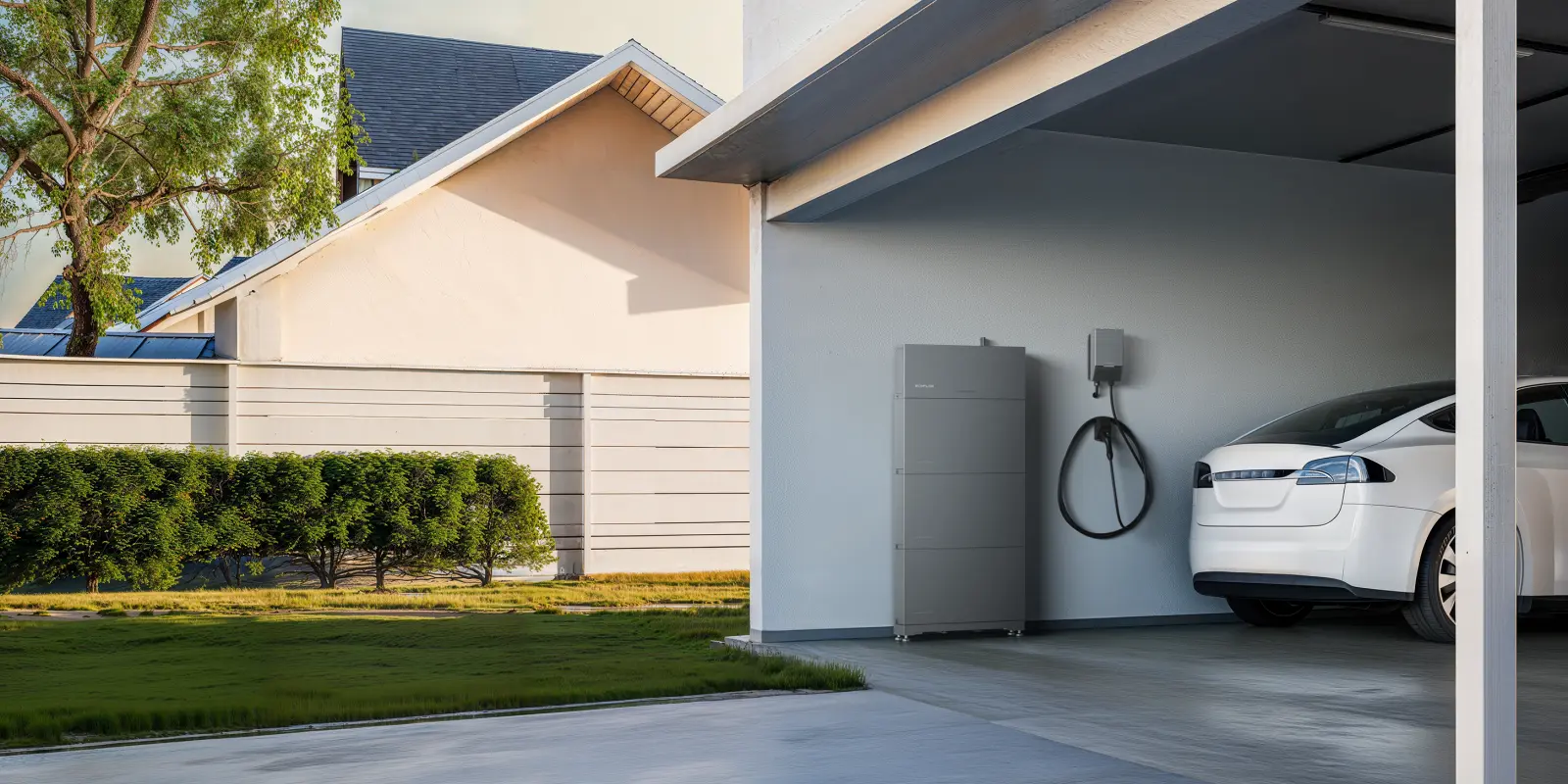
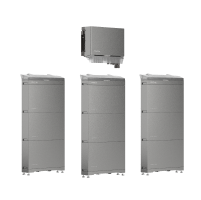
If you’re planning for that future, the EcoFlow PowerOcean(Single-Phase) is a standout choice for the Australian climate. This modular system is a high-durability solution featuring an active self-heating system for frosty mornings and an IP65-rated enclosure to withstand our coastal salt and inland dust. With a flexible 5kWh to 45kWh scalable capacity and an industry-leading 15-year warranty, it offers advanced active fire-extinguishing technology in every module—providing a level of safety and long-term reliability that standard solar setups simply can’t match, ensuring your home remains powered through heatwaves and peak price periods alike.
.png)
Australia-Specific Considerations
The “Sunburnt Country” presents some unique challenges for electronics. Here’s what to keep an eye on locally.
Climate & Environmental Conditions: Our summer heat can cook a cheap inverter. Ensure yours has a high-quality heatsink and is rated for high-temperature operation.
Grid Regulations & CEC Approval: Your installer must use CEC-approved gear, or you’ll miss out on the STC (Small-scale Technology Certificate) “rebate” which can shave thousands off the cost.
Feed-in Tariffs & Export Limits: Many networks (like Ausgrid or Energex) limit how much power you can export. A smart inverter can “limit” exports automatically so you stay compliant.
String vs Micro vs Hybrid Inverters: Which One Is Best for You?
| Feature | String Inverter | Microinverter | Hybrid Inverter |
|---|---|---|---|
| Best For | Simple roofs / Budget | Shaded / Complex roofs | Homes adding batteries |
| Cost | Lowest | Highest | Mid-High |
| Reliability | High (1 unit) | Very High (Redundancy) | High |
| Future Proof? | Low | Medium | High |
Common Mistakes to Avoid When Choosing a Solar Inverter
To make sure your investment doesn’t turn into a lemon within a few years, watch out for these common traps:
1. Choosing based on price alone
A cheap inverter is often a false economy. It might save you a few hundred bucks upfront, but these units frequently fail just after the warranty runs out—leaving you with a dead box on the wall and a hefty replacement bill.
2. Ignoring warranty terms
Make sure yours covers labour and transport costs for the replacement, not just the part itself. Otherwise, you’ll still be out of pocket for the sparky’s call-out fee.
3. Not planning for battery storage
This is the one we hear most often in 2026. Going with a standard non-hybrid inverter might save you a bit today, but it often means replacing the whole unit when you decide to add a battery later on.
4. Installing in poor locations
Even the toughest gear has its limits. Sticking an inverter in direct afternoon sun is asking for trouble, it shortens the lifespan and triggers thermal throttling. Always mount it in the shade or under a cover.
How Much Does a Solar Inverter Cost in Australia?
What’s this going to set you back? Prices have steadied lately, but what you pay still comes down to the smarts inside the box and how tricky the install is. Here’s a rough guide to what you should budget in today’s market.
1. Average price by type
According to market data from Australian solar installers and industry reports, a standard 5kW solar inverter typically costs between AUD $1,200 and $2,500, while hybrid systems can range from $2,500 to $4,500 depending on brand and features. These figures align with estimates from organizations like the Australian Energy Market Operator and local installer pricing trends.
If you want to future-proof, hybrid models usually land between $2,500 and $4,500. For homes with shading issues, a full microinverter setup typically adds about 20% to the total system cost compared to a standard string system.
2. Installation and replacement costs
If you’re doing a fresh install, this usually gets rolled into the overall package. But if you’re replacing an old unit that’s out of warranty, budget $400 to $800 for a qualified, CEC-accredited sparky to do the swap, test the system, and sort out the paperwork with your local network distributor.
Conclusion
Choosing the right solar inverter comes down to balancing what you can spend today with where you want your energy setup to go down the track. A standard string inverter does the job for plenty of homes, but with batteries and smart monitoring becoming the norm, hybrid systems and tools like the EcoFlow PowerInsight 2 are looking like the smarter pick for 2026. Don’t let a solar cowboy talk you into the cheapest option on the shelf—invest in gear built to handle the Australian sun, and you’ll be reaping the rewards for a decade to come.
Schedule Your Free Consultation Today!
What kind of product or solution are you interested in?
FAQ
1. How long do residential solar inverters last?
A quality solar inverter typically lasts between 10 to 15 years, depending on the brand and how well it’s protected from the elements.
2. How often do solar inverters need to be replaced?
You can generally expect to replace your inverter once during the 25-year lifespan of your solar panels.
3. Can I upgrade my inverter later?
Yes, you can upgrade your inverter, but it’s often more cost-effective to choose a hybrid-ready unit from the start to avoid rewiring costs later.
4. Do I need a hybrid inverter for batteries?
Yes, if you want a seamless “all-in-one” system, a hybrid inverter is required to manage both the panels and the battery storage simultaneously.
5. What size inverter do I need in Australia?
For most medium Aussie homes, a 5kW inverter is the standard, though larger homes with high AC usage often opt for 8kW or 10kW systems.
6. Is a 5kW inverter enough for a typical home?
A 5kW inverter is usually plenty for the average family, especially when paired with 6.6kW of panels to maximise generation during the shoulder hours of the day.