Top 8 Energy Saving Tips for Lower Energy and Maximum Efficiency
Energy powers every home and workspace, yet many of us underestimate how much we actually use. Small, practical actions can gradually cut electricity consumption and your bills. Follow these 8 proven energy-saving tips to boost efficiency. With consistent effort, even minor changes, like switching to LED lights, unplugging idle devices, or adjusting heating and cooling settings, can add up to significant savings over time.
Why you should focus on saving energy
Lower electricity bills: Saving energy reduces monthly electricity costs. It improves budget control for households. It removes unnecessary power use in daily life. Small energy changes create steady long-term savings.
Reduced environmental impact: Lower energy use cuts carbon emissions from power generation. It also reduces pollution and environmental stress. Cleaner energy habits support a healthier planet. This helps reduce the impact of climate change.
Conservation of natural resources: Saving energy reduces dependence on fossil fuels. It helps protect natural resources for the future. Efficient use improves resource availability over time. This supports long-term sustainability goals.
Enhanced energy security: Lower energy demand reduces pressure on power systems. It helps maintain a stable energy supply. It improves reliability for homes and communities. It also strengthens energy security.
Long-term cost savings: Energy efficiency reduces total lifetime energy costs. It lowers both bills and maintenance expenses. Savings build up over time. This improves long-term financial stability.
Which appliances take the most of your energy
Heating and cooling systems
Heating and cooling systems account for around 58% of your home's total energy use. It makes them the largest energy consumers in most households. They run for long hours in both hot and cold seasons. Proper insulation and efficient systems reduce heavy loads, which helps in saving energy.
Water heaters
Water heaters account for 13% of home energy usage. They are used for cleaning, bathing, and washing clothes. Higher temperature settings increase the overall energy demand. Energy-efficient heaters help reduce overall consumption.
Refrigerators and freezers
Freezers and refrigerators consume around 4% to 13% of your total energy. They operate day and night continuously. Older models utilize more electricity than modern, efficient ones. Regular maintenance helps in enhancing their performance.
Clothes dryers
Clothes dryers use 3% of your household energy. They need high power in short operating cycles. Frequent use increases electricity costs over time. Air-drying clothes significantly reduces this usage.
Lighting systems
Lighting systems account for about 10% of energy usage. Traditional bulbs consume much more power than LEDs. Leaving lights on leads to unnecessary consumption. Switching to efficient lighting reduces overall energy use.
Cooking appliances
Cooking appliances account for 6% of energy use in homes. These include stoves, ovens, and microwaves. Longer cooking times enhance energy consumption. To reduce electricity waste, you should adopt smart cooking habits. Efficient use of lids and pressure cookers can further decrease energy use.
Electronics and entertainment devices
Electronics and entertainment devices consume around 3% to 10% of energy. This includes TVs and computers. The standby mode draws power even when the device isn't in use. To save energy, turn off devices completely after use.
Top 8 energy-saving tips to lower bills in Australia
Energy costs in Australia continue to rise, making everyday efficiency more important than ever. By adopting simple yet effective energy-saving habits, households can significantly reduce electricity usage and long-term bills.
Switch to LED Lighting
LED lighting uses much less energy than traditional bulbs. It offers the same brightness with lower power consumption. Additionally, LEDs generate less heat, which enhances the overall efficiency. Compared with normal lights, they have a longer lifespan. This decreases replacement and maintenance costs. Overall, it's a great method to save energy bills in Australia.
Unplug Devices When Not in Use (Avoid Standby Power)
Many devices continue to consume power even when they are switched off. This hidden use is known as phantom power or standby power. Unplugging devices is an excellent energy-saving tip, as it prevents unnecessary energy loss. It also decreases the monthly electricity bills. This is an easy habit that enhances efficiency.
Optimize Heating and Cooling Settings
Heating and cooling systems account for a large share of home energy. Some moderate temperatures help reduce unnecessary load. For better efficiency, you should avoid extreme thermostat settings. Use blankets and fans for natural comfort. Regular maintenance also enhances system performance. Following these minor adjustments helps reduce overall energy consumption, making them among the best energy-saving tips.
Use Energy-Efficient Appliances
Energy-efficient appliances are mainly designed to use less electricity. They offer the same performance with lower power consumption. Energy rating labels help identify efficient models. These appliances decrease long-term electricity costs. They also enhance overall household efficiency. Upgrading older devices can also save a lot of energy.
Improve Home Insulation and Seal Air Leaks
Proper insulation helps in maintaining stable indoor temperatures. It decreases the need for constant heating or cooling. Sealing windows and doors is an excellent way to save energy as it prevents air leakage. This enhances the overall energy retention within the home. It also increases comfort year-round.
Wash Clothes in Cold Water
Cold-water washing uses less energy than hot cycles. Most detergents work efficiently at cold temperatures, reducing the load on the washing system. It helps lower electricity consumption. It also protects clothes from damage over time. This simple change results in consistent energy savings.
Use Natural Light During the Day
Natural light decreases the need for using artificial lighting during the daytime. Opening curtains brightens the room with natural sunlight. It enhances visibility without using electricity. This results in a more pleasant and natural environment. It also decreases lighting-related energy consumption. Using daylight is an easy and efficient way to save energy at home.
Use Smart Energy Management Apps
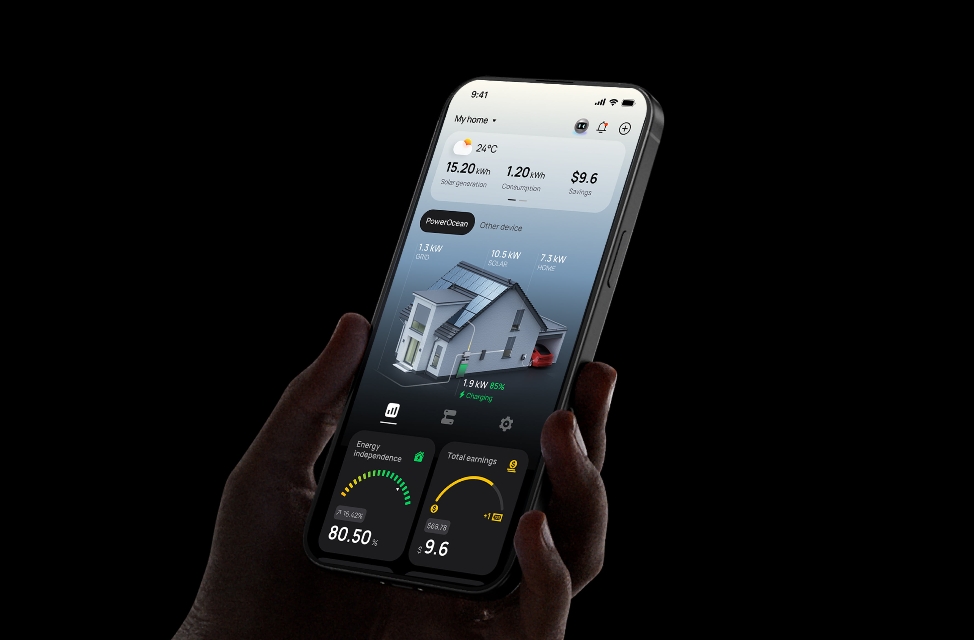
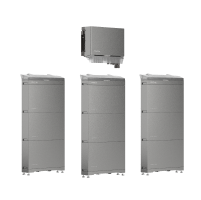
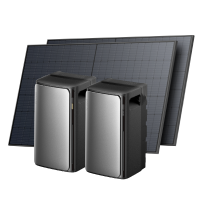
Another practical way to maximize energy savings is by taking control of your electricity usage through technology, especially when paired with a home energy storage system like EcoFlow PowerOcean Single-phase. Smart energy apps are a great energy-saving tip as they help monitor and control electricity usage in real time. The EcoFlow HEMS App offers detailed insight into home energy consumption. It intelligently charges your battery when electricity prices are low and powers your home from stored energy when rates are high.
Ready to save energy and reduce your electricity bills? Consult with our EcoFlow experts to see how our intelligent energy solutions can optimize your home's efficiency.
Schedule Your Free Consultation Today!
What kind of product or solution are you interested in?

Common challenges people face when saving energy at home
Challenge 1: High upfront cost of energy-efficient devices
Energy-efficient devices require a higher starting investment. Several households avoid upgrading due to limited budgets. Long-term savings aren't always considered at the start. It slows the adoption of energy-efficient devices.
Challenge 2: Lack of awareness about energy usage
Many people don't track their everyday electricity consumption. Hidden energy usage goes unnoticed in many homes. This results in unnecessary waste over time. For effective energy control, better awareness is needed.
Challenge 3: Poor home insulation and design
Many homes lack proper insulation. Thus, hot and cold air easily passes through windows and walls. This forces the heating and cooling systems to work harder. It leads to higher overall energy consumption, which leads to higher bills in Australia.
Challenge 4: Behavioral habits and resistance to change
Most people continue to use old and inefficient energy habits. Forgetting to turn off the devices completely is a common issue. Changing daily routine requires time and discipline. It slows down energy-saving efforts.
Challenge 5: Limited access to smart energy solutions
Smart energy systems aren't readily accessible to everyone. Some users find them quite expensive and difficult to use properly. Lack of technical knowledge is another barrier, which reduces the effectiveness of energy management in homes.
Conclusion
Energy saving isn't a one-time effort but a long-term habit. Minor changes in daily routines can lead to noticeable reductions in energy usage. This article discussed the top 8 energy-saving tips, from using efficient appliances to improving insulation. Smart tools and awareness make energy management even more efficient. So, if you want to reduce costs and improve energy, try these energy-saving tips. They support both financial savings and a sustainable lifestyle.
FAQs
What wastes the most energy in a house?
Heating and cooling systems are the largest energy consumers in homes. They run for long hours in various seasons. Poor insulation also increases heating and cooling loss. Old devices add unnecessary electricity consumption.
Should I unplug my TV at night to save electricity?
Yes, unplugging your TV at night helps reduce standby power consumption. Even when turned off, TVs still consume small amounts of electricity. Over time, this results in higher electricity bills. It is a simple habit to reduce electricity waste.
What factors affect long-term solar energy savings?
Solar panel quality plays a vital role in long-term savings. Sunlight availability impacts energy generation directly. Proper system maintenance ensures consistent performance. Household energy usage patterns also affect savings. Battery storage efficiency further enhances the overall output.
Are energy-efficient appliances worth the cost?
Yes, energy-efficient appliances considerably reduce electricity consumption. Over time, they help in lowering electricity bills. They also last longer compared to older models. Although the initial costs are higher, the savings are steady.
Which mistakes increase electricity bills the most?
Leaving appliances and lights on unnecessarily increases energy usage. Inefficient, outdated devices waste unnecessary electricity. Poor insulation results in heating and cooling losses. Ignoring standby costs also elevates hidden costs. Poor energy habits also lead to higher overall bills.