Claiming Your Australian Government Energy Bill Relief in 2026
Electricity bills in Australia are still high. Grid rates sit above 30 cents per kWh in most states. The federal credits that helped soften bills for two years are now gone. Many households have felt that gap sharply since January 2026.
A home battery backup system is one of the most effective ways to keep bills low once government support ends. But first, it helps to understand exactly what the Australian government energy bill relief was, who got it, and what still applies in 2026.
This article covers eligibility, payment amounts, timelines, and the practical steps households can take to stay ahead of rising costs once concessions conclude.
What is Australian government energy bill relief?
The Australian government energy bill relief refers to the National Energy Bill Relief Fund (EBRF). It was a joint federal and state program. It gave automatic credits to electricity accounts to help households manage rising power costs. Most customers did not need to apply. The credit appeared on the bill without any action required.
The program ran over two financial years. In 2024-25, all Australian households received up to $300 in relief. A further $150 was added for the first two quarters of 2025-26. That came as two $75 credits in July and October 2025. The final payment landed on 31 December 2025. No new universal federal rebate has been confirmed since then.
For households asking what is Australian government energy bill relief in 2026 terms: The broad universal program has ended. What remains is a set of targeted state and territory concessions for eligible groups.
The energy.gov.au rebate portal lists every active program by state and card type. It is the best starting point for checking what ongoing support is available.
Federal vs. state contributions
The relief operated as a joint funding model between the Commonwealth and the states.
The federal government set the baseline. It funded $3.5 billion in 2024-25 and a further $1.8 billion for the 2025-26 extension. It defined who was eligible and set the minimum payment amounts.
State and territory governments handled delivery. Service NSW managed embedded network customers in New South Wales. Energy Victoria handled Victorian applications. Queensland delivered payments through energy retailers directly. Each state set its own rules for apartments, retirement villages, and caravan parks.
States also run their own programs on top of the federal baseline. A Queensland pensioner may receive up to $386.34 per year from the state Electricity Rebate. A Western Australian concession card holder may access the Energy Assistance Payment, worth $300 to $400 annually. These programs continue independently of the concluded federal fund.
Core eligibility criteria
The 2024-25 and 2025 extension payments went to all Australian households with an active electricity account. No concession card was needed.
For ongoing targeted concessions in 2026, the card held and the state both matter.
Pensioner Concession Card holders qualify for concession discounts in all states and territories. The amount and process vary by state.
Commonwealth Seniors Health Card holders access state seniors rebates. In NSW that is $200 per year through Service NSW. Queensland seniors with a Queensland Seniors Card receive the Electricity Rebate alongside pensioners.
Family Tax Benefit recipients can apply for programs like the NSW Family Energy Rebate each financial year through Service NSW.
Veterans and DVA card holders qualify for energy concessions in most states. DVA Gold Card holders are often treated at the same level as Pensioner Concession Card holders.
Small businesses with annual electricity use under the state threshold were eligible for the $150 extension. Ongoing small business support varies by state.
How much is the Australian government energy bill relief?
Understanding how much is the Australian government energy bill relief requires separating what the federal fund paid from what state programs continue to offer.
Base federal amounts and state top-ups
The concluded EBRF paid these amounts:
Period | Household Amount | Small Business Amount |
2024-25 financial year | $300 | $325 |
2025-26 extension (Jul-Dec 2025) | $150 | $150 |
State programs add more on top. A Queensland household on the Electricity Rebate received $386.34 per year from the state, on top of the federal credits. A NSW household could stack the Low Income Household Rebate ($285/year), the Family Energy Rebate, and the federal amount together. Combined, that total well exceeded $400 in eligible periods.
Western Australia works differently. WA state programs run through Synergy and Horizon Power and are not directly comparable to eastern state programs. A basic WA household on a flat plan received only the federal amount with no equivalent state top-up stacking.
The variation across states is significant. Queensland concession card holders have historically received some of the highest combined support in the country when federal and state programs are stacked together.
Quarterly instalment structure
The relief did not arrive as a cash payment into a bank account. It worked like this instead.
Each quarterly instalment was paid directly to the energy retailer.
It appeared as a credit on the electricity bill. It was usually on page 2. The label read "Australian Government Energy Bill Relief."
Most customers saw the credit reduce what they owed on that billing cycle.
In Victoria, the 2024-25 small business payment was delivered as a lump sum. Every other state paid it in quarterly instalments.
Embedded network customers in apartments and retirement villages needed to apply through their state portal in most cases. The process varied by network operator.
When does the Australian government energy bill relief end?
When does the Australian government energy bill relief end? The federal universal program has already ended. Here is the clear timeline.
2026 timelines and deadlines
31 December 2025: The final quarterly instalment under the EBRF was applied to electricity accounts. This was the last automatic federal credit.
From 1 January 2026: No new universal federal energy credits are in place. Bills from the January 2026 quarter onwards reflect full retail prices.
From 1 July 2026: The Australian Energy Regulator has proposed Default Market Offer price reductions of 1.3% to 10.1% by region. This will soften some cost pressure for households on standing offers.
Ongoing state programs: State concession programs have no fixed end date. They continue for eligible card holders and are reviewed each year.
The Australian government energy bill relief 2026 situation is clear: universal payments are over. Targeted concessions remain for those who qualify.
Preparing for the end of the rebate period
The end of the EBRF is not a small shift. Households that received $75 automatic credits each quarter are now paying $75 more per quarter than their bills showed during the relief period.
Two risks come with that change.
Returning to full peak grid rates without any credit buffer means every evening peak draw from the grid costs the full retail rate. Nothing softens that anymore.
Delayed transition to independent energy generation leaves households fully exposed to retail price movements. The STC solar rebate reduces by one-fifteenth each year. It disappears entirely in 2031. Waiting costs more each year in both grid exposure and reduced rebate value.
Knowing what size solar battery a specific household needs is a practical first step before approaching any installer or comparing system costs.
What households can do after the energy bill relief ends
As government energy rebates come to an end, households can secure long-term savings by investing in scalable home battery storage to capture their daytime solar surplus and avoid expensive evening grid power.
Maximising solar self-consumption
The most direct response to losing government credits is cutting grid use. Rooftop solar generates power in the middle of the day. But the household is often at work. That surplus goes to the grid at a feed-in tariff of 5 to 10 cents per kWh. Then the same household buys power back in the evening at 30 cents or more.
Storing that solar surplus rather than exporting it is one of the most reliable long-term strategies to cut recurring power costs. No government rebate will ever match the compounding savings of a system that simply stops buying expensive grid power at night.
Understanding the full picture of solar power cost in Australia helps households plan the investment with accurate figures before approaching installers.
Choosing a suitable home energy storage approach
Choosing the right battery setup means matching storage to actual evening usage. Bigger is not always better.
Modular capacity matters for long-term flexibility. Household loads change. EVs arrive. Hot water systems get upgraded. A modular battery grows with the home without needing full replacement.
LFP chemistry and active thermal management are essential in Australian conditions. Lithium iron phosphate cells resist thermal runaway better than older NMC types. They hold up across the temperature range from Darwin to Hobart.
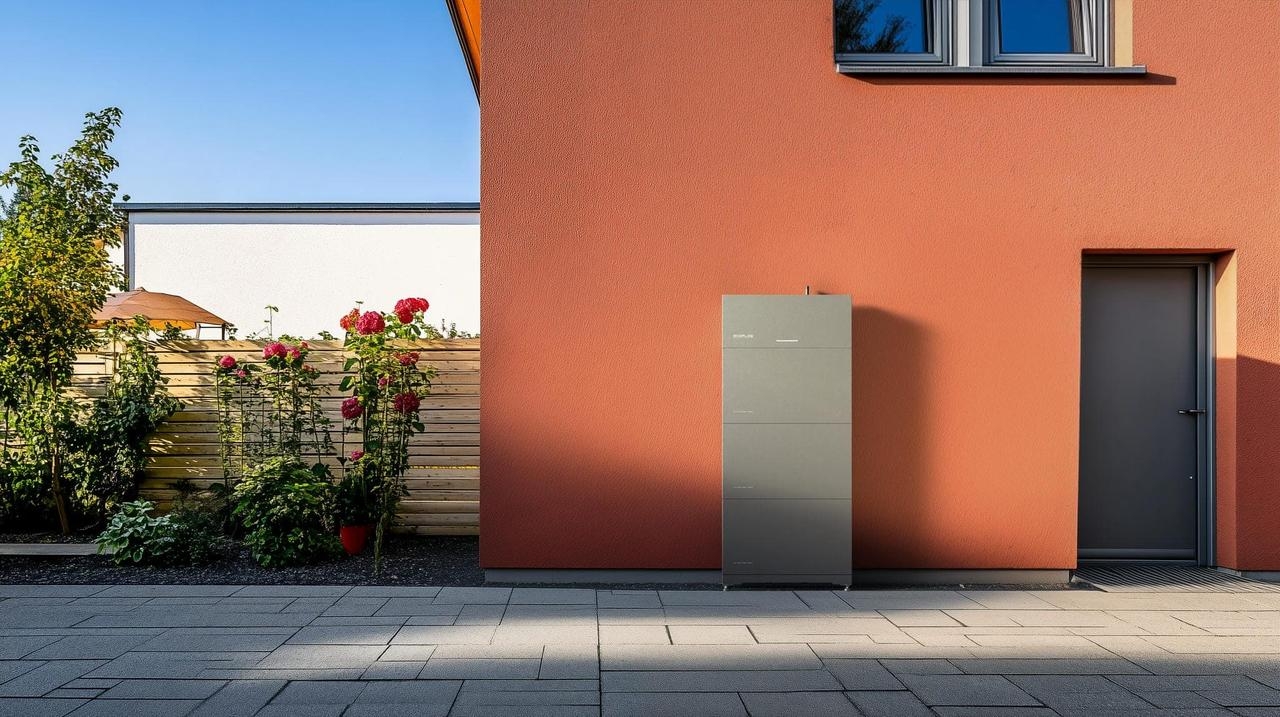
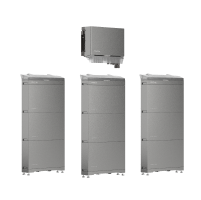
With federal energy bill subsidies no longer available, Australian households need flexible, climate-adapted storage to offset expensive evening grid power. Modular LFP home batteries can grow alongside shifting household energy demands like EVs and extra cooling loads. For standard single-phase homes, a scalable solution such as the EcoFlow PowerOcean Single-Phase Battery is a practical modular storage option to cover typical evening household power demand. Usable capacity starts from 5 kWh and expands up to 15 kWh per unit (max capacity up to 60kWh). It carries an IP65 weatherproof rating and uses LFP chemistry built for Australian climate conditions.
Schedule Your Free Consultation Today!
What kind of product or solution are you interested in?
Smart tools to track your energy and rebates
Monitoring your daily power habits
Knowing when and how the household uses power is the foundation of any bill reduction strategy. Most energy retailers provide 30-minute interval data through their apps once a smart meter is installed. Checking it weekly builds a clear picture of which hours cost the most.
High-drain appliances hiding in plain sight include old second fridges, continuously running hot water systems, and devices left on standby. Finding those loads and shifting them to cheaper off-peak hours saves money without any hardware purchase.
Automating your savings
Checking tariff windows each day and manually deciding when to run appliances is not realistic for most households. AI-driven tools remove that guesswork.
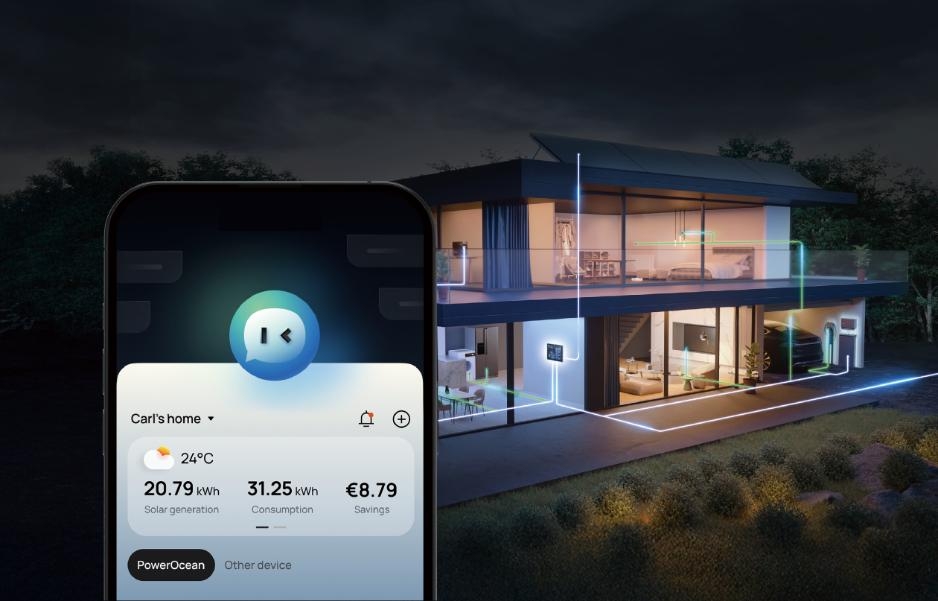
Manually tracking solar generation, battery levels and time-of-use tariff windows takes constant effort. Intelligent home energy management systems automate charge and discharge scheduling to maximise your solar savings without daily manual adjustments. Leveraging the EcoFlow intelligent HEMS gives households access to automated energy management. It tracks household energy habits and local weather patterns. It optimises battery charge and discharge cycles without manual effort. Before a cloudy stretch, it charges the battery harder while solar is still generating. During expensive evening hours, it draws from stored solar rather than the grid. The system runs continuously in the background.
Conclusion
The Australian government energy bill relief gave real short-term breathing room to millions of households. Those credits are now gone. The pressure they were softening has not gone with them.
The best defence against rising grid prices is generating and storing power on the household's own terms. A correctly sized solar and battery system cuts the most expensive evening grid purchases from the bill. That saving holds no matter what government rebates happen to be running.
Taking control of 2026 electricity bills starts now. Understand what concessions still apply. Then start the transition to independent energy before the next price cycle arrives.
Unsure of a household's solar potential? Contact our professional energy consultants for a tailored quote based on actual usage, roof space, and local tariff structure.
FAQs
Who is eligible for the energy bill relief fund?
The 2024-25 and 2025 EBRF payments went to all Australian households with an active electricity account. No concession card was required. In 2026, ongoing support requires holding a qualifying card. That includes a Pensioner Concession Card, Health Care Card, Commonwealth Seniors Health Card, or DVA Gold Card. Amounts and eligibility vary by state.
Do I need to apply for the energy rebate?
Most customers did not need to apply for the federal EBRF. Retailers applied the credit automatically. Some embedded network customers in apartments and retirement villages needed to apply through their state portal. For state concession programs in 2026, registering the concession card with the energy retailer is usually required for automatic application.
How is the relief payment applied to my bill?
The EBRF appeared as a credit on the electricity bill under "Australian Government Energy Bill Relief." It reduced the amount owed on that billing cycle. It was not paid as cash into a bank account. State concession programs work the same way.
Can renters get the energy bill relief?
Yes. Both renters and owners were eligible, provided the electricity account was in their name. Embedded network renters where the landlord manages the electricity account needed to apply through their state portal or the building operator.
What happens if I switch energy providers?
The EBRF was tied to the electricity account, not the retailer. Switching providers transferred the entitlement to the new account. For state concession programs, the concession card details need to be registered with the new retailer to ensure the discount continues after the switch.