What Is an AC-Coupled Battery and How Does It Work?
Are you looking to beat rising electricity prices in Australia? Adding a battery to your home solar setup is a great move. But if you already have solar panels on your roof, you might feel a bit stuck. How do you plug a battery into an older system? That is where an AC-coupled battery comes in handy. It is the easiest way to upgrade your home and store your own clean energy. Let's break down exactly what this technology is, how it works, and why it is so popular across Australia.
What is an AC-coupled battery?
An AC-coupled battery is an energy storage system that connects to the alternating current (AC) side of your home's electric grid.
In simple terms, it does not plug directly into your solar panels. Instead, it links up through a separate, dedicated battery inverter.
Standard solar systems convert sunlight into direct current (DC) power. Your solar inverter then changes this into AC electricity to run your fridge, TV, and lights.
This setup is incredibly popular for retrofitting batteries to existing solar installations in Australia. Millions of Australian homes already have solar panels. If you want to add storage without ripping out your current solar inverter, AC coupling is the easiest path forward.
Key components of an AC-coupled battery system
An AC-coupled battery storage system relies on a few key parts working together to keep your lights on. Each component has a specific job, turning sunlight into reliable household power.
Solar panels
Solar panels convert sunlight and turn it into DC electricity. They are the starting point of energy flow in every solar and battery system.
Solar inverter (Grid-tied)
This device converts the raw DC electricity from your panels into AC electricity. This is the standard power suitable for home use and grid export. In an AC-coupled setup, this inverter remains completely untouched. This is a massive advantage for quick retrofit installs.
Battery inverter/charger
This is the true heart of the AC-coupled system. It performs two main functions:
Charging: It takes excess AC power from your home and converts it back to DC to charge the battery cells.
Discharging: It converts the stored DC power back to AC when your home needs a power boost.
Many modern systems build this inverter directly into the battery unit. This removes the need for a separate, messy hybrid inverter.
Battery storage (cells)
This is where energy actually lives. Batteries store power in DC form and release it on demand.
Most quality AC-coupled batteries in Australia today use LFP (lithium iron phosphate) chemistry. It's safer, lasts longer, and handles Australia's heat better than older lithium chemistries.
Capacity is measured in kilowatt-hours (kWh). The more kWh, the more energy you can store. Many systems are scalable, so you can add capacity as your needs grow.
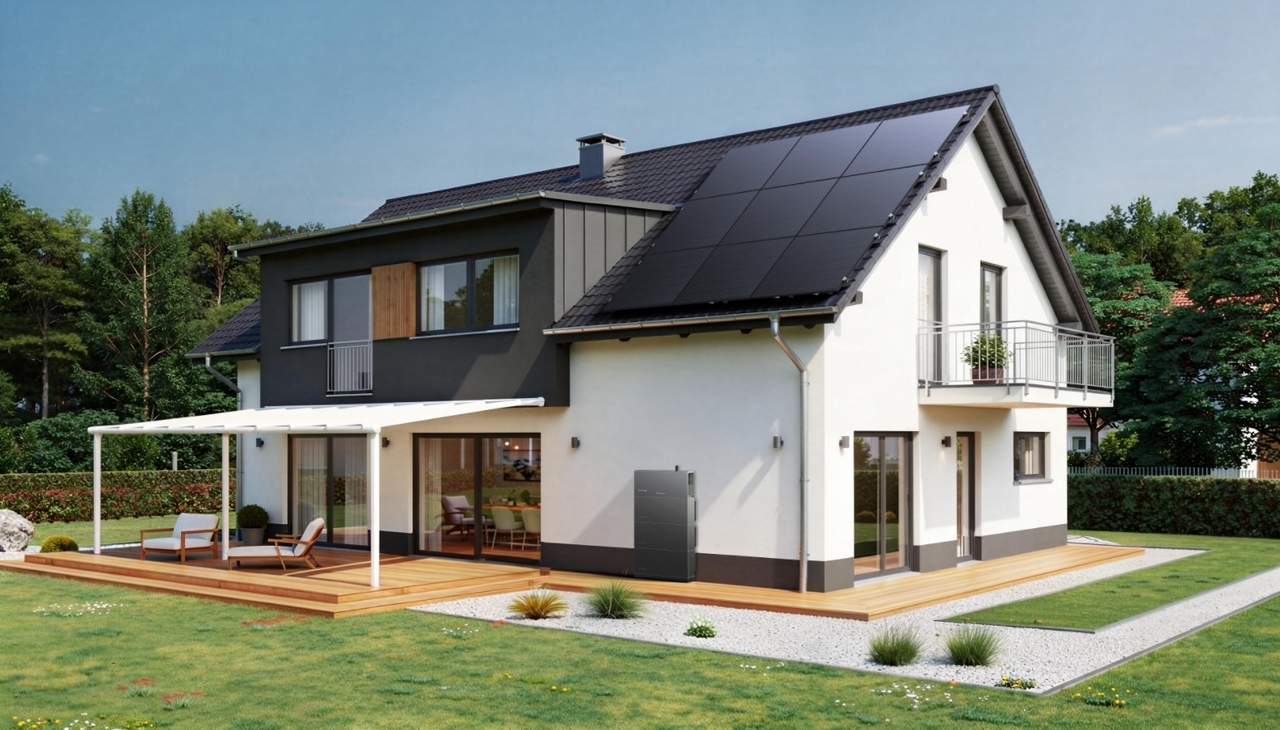
A great example is the EcoFlow OCEAN 2 Plus Single-phase. It's an all-in-one unit with a built-in inverter and LFP battery modules. You can scale it up to 60kWh per inverter — or up to 300kWh when running units in parallel. It delivers up to 24kW of output power, includes 10,000 battery cell cycles, and comes with a 15-year warranty. For Australian single-phase homes, it's a reliable and flexible option.
Energy management system/Smart controller
This is the intelligence layer of your system. It constantly decides when to charge, discharge, export power, or draw from the grid. It manages grid interactions, peak/off-peak price optimization, and emergency backup logic.
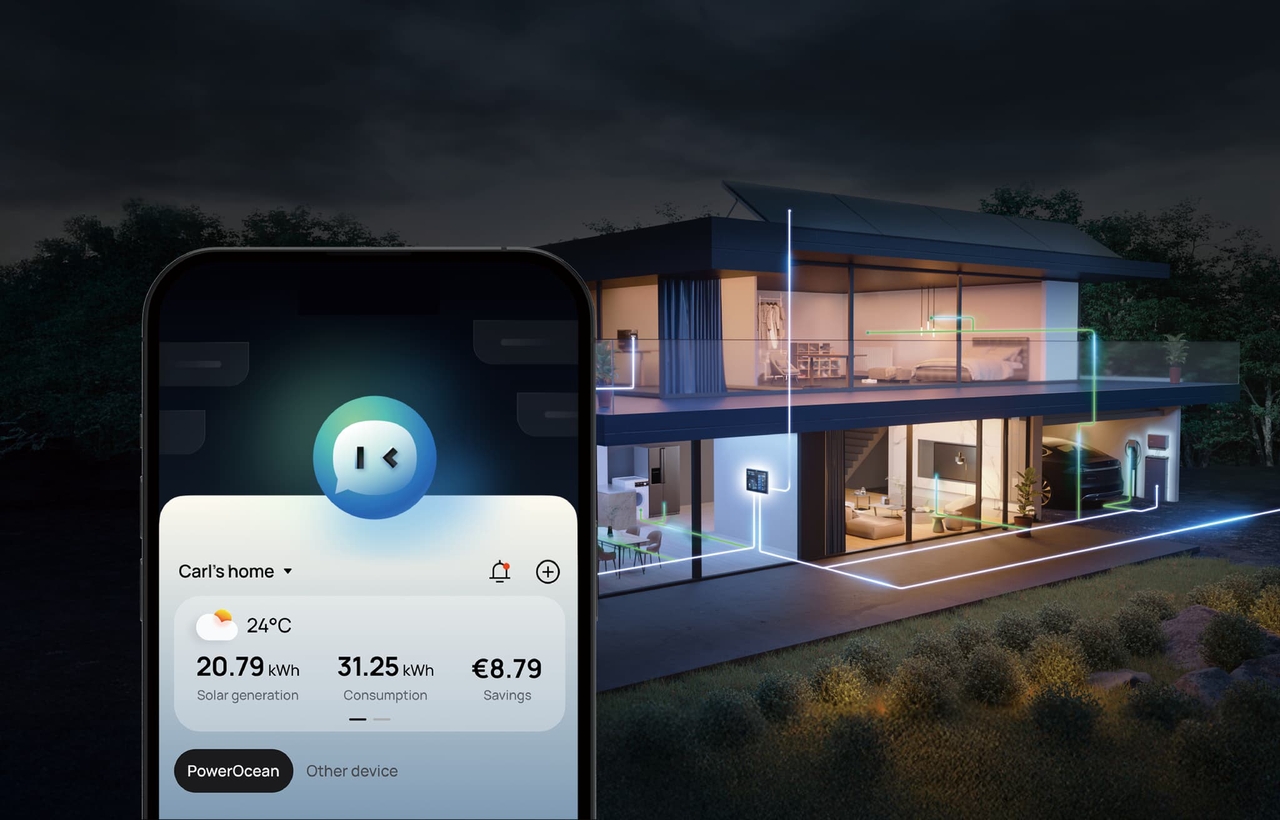
The EcoFlow Intelligent HEMS takes things further. It uses AI-powered forecasts with up to 90% accuracy for both solar generation and your home's energy use. One-click Intelligent Mode can slash electricity bills by up to 77.6% by smart charging when power is cheap and using stored energy during expensive peaks.
It also offers proactive backup protection. The system automatically tops up the battery if bad weather is forecast. You get whole-home monitoring, custom widgets, and personalized energy reports. Everything is managed through the EcoFlow app.
How AC coupling works: Step by Step
Understanding the flow of energy through your home is quite simple.
Generation: Your solar panels generate DC electricity during peak daylight hours.
First conversion: Your existing solar inverter converts that DC power into AC power for immediate home use.
Redirection: Excess AC electricity—the energy your home isn't using right now—flows toward the battery system.
Storage conversion: The dedicated battery inverter converts that excess AC back into DC to store it safely in the battery cells.
Usage: When you need power at night, during cloudy days, or during blackouts, the process reverses. The battery inverter converts the stored DC back to AC and supplies it directly to your home.
Advantages of AC-coupled batteries
AC-coupled batteries are popular in Australia because they offer flexibility and simple integration with existing solar systems. Here are the main benefits homeowners should know.
Easy retrofitting
You do not need to replace or alter your current solar inverter. It keeps your existing solar setup intact, saving you money on installation day.
System modularity and scalability
You can add more battery modules whenever your budget allows, or your energy needs grow.
System redundancy and resilience
If one part of the system has an issue, the rest can often keep running. This gives you extra reliability and peace of mind during outages.
VPP and smart grid ready
These systems easily connect to Virtual Power Plants (VPPs). This lets you sell your stored power back to the grid during peak times for extra credits.
Drawbacks of AC-coupled batteries
No energy system is absolutely perfect. Here are a few downsides to keep in mind:
Lower efficiency: Because the electricity changes back and forth between AC and DC multiple times, you lose a small amount of energy in the process.
Higher upfront equipment costs: Buying a battery with its own built-in inverter can sometimes cost more upfront than a basic DC-coupled battery module.
More components to manage: You technically have two inverters running on your property, which means one more component to monitor over time.
Common use cases for AC-coupled batteries in Australia
AC-coupled batteries are not just a technical trend. They solve real, everyday energy problems for households across the country. Here is how they fit into common Australian home setups:
Retrofitting existing solar homes
This is the most common reason Australians choose AC-coupled batteries. If you've had solar for a few years, the grid feed-in tariffs you're receiving have probably dropped significantly. Adding a battery means you store that surplus energy and use it yourself — rather than selling it cheaply and buying it back expensively.
Homes seeking energy independence
With energy prices rising across Australia, more households want to reduce their reliance on the grid. A properly sized battery system can cover your evening and overnight power needs entirely. In some cases — especially in rural or regional areas — a battery can also provide full off-grid capability when combined with enough solar.
Time-of-use tariff optimization
Many Australian electricity retailers offer time-of-use (TOU) tariffs, where electricity costs more during peak hours (typically 3–9pm) and less during off-peak times.
An AC-coupled battery with a smart EMS — like the EcoFlow Intelligent HEMS — can automatically charge during cheap periods and discharge during expensive ones, reducing your electricity bill significantly.
Backup power for blackouts
Bushfires, storms, and grid outages are a reality for many parts of Australia. An AC-coupled battery with backup capability keeps your lights, fridge, and essential appliances running when the grid goes down.
AC vs DC coupled batteries: What's the difference?
Both systems store solar energy — they just do it differently. Here's a quick comparison.
Feature | AC-Coupled Battery | DC-Coupled Battery |
System Efficiency | ~90–95% round-trip | ~97–99% round-trip |
Retrofit Ease | Excellent — no inverter change needed | Harder — often requires new hybrid inverter |
Upfront Cost | Moderate to high | Moderate |
Flexibility | High (can place battery anywhere) | Limited (must be close to solar inverter) |
Redundancy | High (two independent systems) | Lower (one inverter runs everything) |
Best For | Existing solar installations | New builds and fresh installs |
When to choose AC coupling: You already have solar installed. You want flexibility and redundancy. Retrofitting is the priority.
When to choose DC coupling: You're building a new system from scratch. Maximum efficiency is the priority. You don't mind a single integrated inverter.
Conclusion
AC-coupled batteries have become one of the most popular energy upgrades for Australian homeowners — and it's easy to see why. They retrofit onto existing solar devices without touching your current setup, scale as your needs grow, and give you real independence from a grid that keeps getting more expensive. Ready to find the right setup for your home? Explore EcoFlow's range or schedule a free consultation to speak with a CEC-accredited installer to get personalised advice on the best AC-coupled battery solution for your situation.
Schedule Your Free Consultation Today!
What kind of product or solution are you interested in?


FAQs
What is the difference between AC-coupled and DC-coupled batteries?
AC-coupled batteries connect to the AC electricity grid via a separate battery inverter. DC-coupled batteries connect straight to your solar panels before the power hits an inverter. AC is best for retrofits, while DC is ideal for new systems.
What does AC-coupled battery mean?
It means the battery connects to your home's AC power circuit — not directly to your solar panels. It uses its own built-in inverter to turn that AC back into DC power for storage.
Can you add an AC-coupled battery to an existing solar system?
Yes — and that's exactly what they're designed for. You don't need to replace your existing solar inverter. The battery is installed alongside it, making it a straightforward upgrade for most Australian solar homes.
How much does an AC-coupled battery cost in Australia?
Costs vary depending on capacity and brand. Entry-level systems start from around $5,000–$8,000 installed. Larger whole-home systems can range from $12,000–$20,000 or more. State-based rebates and VPP incentives may reduce the net cost — check what's available where you live.
Do AC-coupled batteries provide backup power during blackouts?
Yes, many modern AC-coupled batteries offer blackout protection. Systems like the EcoFlow OCEAN 2 Plus can automatically switch over (0 ms seamless switchover) during a power outage to keep your essential household appliances running safely.