Is a 15kW Solar System Right for You? The Complete 2026 Aussie Guide
Australian homeowners face a tough reality in 2026. As electricity costs climb and daily energy habits change, families are running heavy loads like ducted air conditioning and electric vehicles. These demands mean a small solar setup is no longer enough to keep bills low.
Enter the 15kW solar system. This heavy-duty option is becoming the go-to choice for large homes, generating a massive amount of power every day. It allows you to run power-hungry appliances and provides plenty of extra energy to store for the night.
This article breaks down everything you need to know, from required roof size and daily output to the current 15kW solar system price. Finally, we show you how adding smart storage can maximize your savings and give you total energy independence.
What is a 15kW solar system?
To put it simply, a 15kw solar system is a large-scale energy setup. It is built for residential homes with high power needs. It is also perfect for light-commercial buildings. This size is much larger than the standard 6.6kW systems you normally see on suburban roofs. It is designed to capture a huge amount of sunlight. It turns sunlight into usable electricity for your entire home.
Because it generates so much power, there are special electrical rules. You typically need a three-phase power supply to install a system this big. Standard single-phase homes have strict grid export limits. The local power network will not let you send huge amounts of extra electricity down a single-phase wire. Three-phase power acts like a much wider pipe. It safely handles the heavy energy flow without overloading the street's electrical grid.
If you want to upgrade your property, moving to a larger array is a smart first step. It gives you the power you need to run multiple heavy appliances at exactly the same time. You never have to worry about tripping your electrical breakers.
Panels & roof size: Will it fit your home?
Before you buy anything, you need to know if you have enough space. A massive system requires a massive physical footprint on your roof. You cannot squeeze it into a small townhouse.
Today's solar panels are very efficient. They usually offer between 400W and 440W of power each. Even with these modern panels, a 15kw solar system requires approximately 34 to 38 individual solar panels.
This translates to roughly 753 to 861 sq ft (70 to 80 sq m) of completely unobstructed roof space. You cannot have chimneys, vents, or skylights blocking the way. Shade from large trees will also cause major problems.
You also need to think about roof orientation. In Australia, facing your panels North gives you the best total output over the whole year. This captures the midday sun perfectly. However, splitting your panels between the East and West can also be very smart. We will discuss why later in this article.
Just remember, a system this size needs careful planning. Your installer will measure your roof pitch carefully. A steeper pitch catches sunlight differently than a flat roof. Your installer will design a custom layout. This layout will maximize your sun exposure. They will also avoid areas covered by shadows to keep your system working perfectly.
Average 15kW solar system output in AU
The amount of power you make depends on where you live. It also depends heavily on the season. Australia is famous for its bright sunshine. However, winter in Melbourne looks very different from summer in Brisbane.
On average, a 15kw solar system produces between 55kWh and 65kWh per day. Let's look at a quick baseline for major Australian cities.
If you live in Brisbane or Perth, expect closer to 65kWh per day. These cities have very clear skies and long summer days. If you live in Sydney or Adelaide, expect around 60kWh per day. The weather is still excellent for high solar generation. If you live in Melbourne or Hobart, expect around 55kWh per day. These southern cities experience more cloudy days in the winter months.
To understand how huge this is, look at a normal house. The average Australian household uses about 15kWh to 20kWh a day. This means a 15kW setup makes more than triple what a normal family uses. You will easily power your home during the day. You will run the washing machine, the pool pump, and the air conditioning. Even after doing all of that, you will still have plenty of electricity left over. This extra power is what makes large systems so valuable.
2026 15kW solar system price guide
Now, let's talk about the cost. Because this is a premium, large-scale setup, the upfront cost is higher than average.
In 2026, the average 15kw solar system price usually sits between $11,000 and $16,000. This price assumes a fully installed system. The final cost depends heavily on the brands you choose. Buying top-tier, highly efficient panels will cost more. Choosing a premium inverter will also push you toward the $16,000 mark. Cheaper brands will keep the price closer to $11,000.
You do not have to pay the full price yourself. The Australian federal government offers a massive discount. This is called the Small-scale Technology Certificate (STC) rebate. This acts as an upfront discount applied directly by your installer. It lowers the price you pay on the final invoice.
However, the STC scheme is slowly ending. The value of the certificates drops slightly on January 1st every single year. The entire program ends in 2030. Because a 15kW solar system is so large, it generates a lot of STCs. When the multiplier drops each New Year, it impacts big systems the hardest. You get a smaller discount every year you wait. Getting your system installed sooner rather than later locks in a better 15kw solar system price.
Payback period and expected savings
Buying a 15kw solar power system is a big investment. Naturally, you want to know when it will pay for itself.
In 2026, finding a high solar feed-in-tariff is very difficult. A feed-in tariff is the small amount of money your energy company pays you. They pay this when you send extra power back to the grid. Because these rates are so low today, sending 40kWh of excess power away yields very little money. It is no longer a smart financial strategy.
The real savings come from self-consumption. Self-consumption means using your solar power directly inside your house. Every kilowatt you use from your roof is a kilowatt you do not buy from the grid. Grid electricity often costs 30 to 40 cents per kilowatt. By using your own power, you dodge these high fees entirely.
If you have high daytime usage, your expected payback period is generally 4 to 6 years. You can speed up this payback time significantly by adding solar battery storage to your home.
Maximizing your 15kW solar power system
To truly unlock the financial benefits of a massive 60kWh+ daily output, you must be smart. You need to capture your excess power rather than exporting it for pennies. Here are the best ways to get the absolute most out of your massive solar array.
Pair with a smart solar battery
One of the most effective ways to use your daytime energy is to save it for later. You need a reliable way to store that massive generation for evening use. When the sun goes down, you want to run your oven, lights, and TV using free solar power.

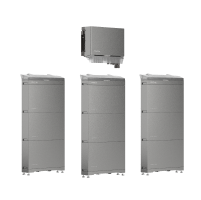
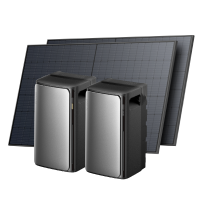
For example, pairing your array with a scalable solution like the EcoFlow PowerOcean Home Battery (three-phase) is a perfect fit. It allows you to store excess energy safely using advanced LFP chemistry. You can easily stack battery modules to increase your storage. This lets you build enough capacity to cover heavy overnight loads without relying on the grid.
If you have high energy demands but are unsure if your roof space or current electrical setup can support a massive array, EcoFlow experts can help you assess your property. You can get a solar battery quote today to find the perfect setup for your home.
Schedule Your Free Consultation Today!
What kind of product or solution are you interested in?
Optimize with intelligent HEMS
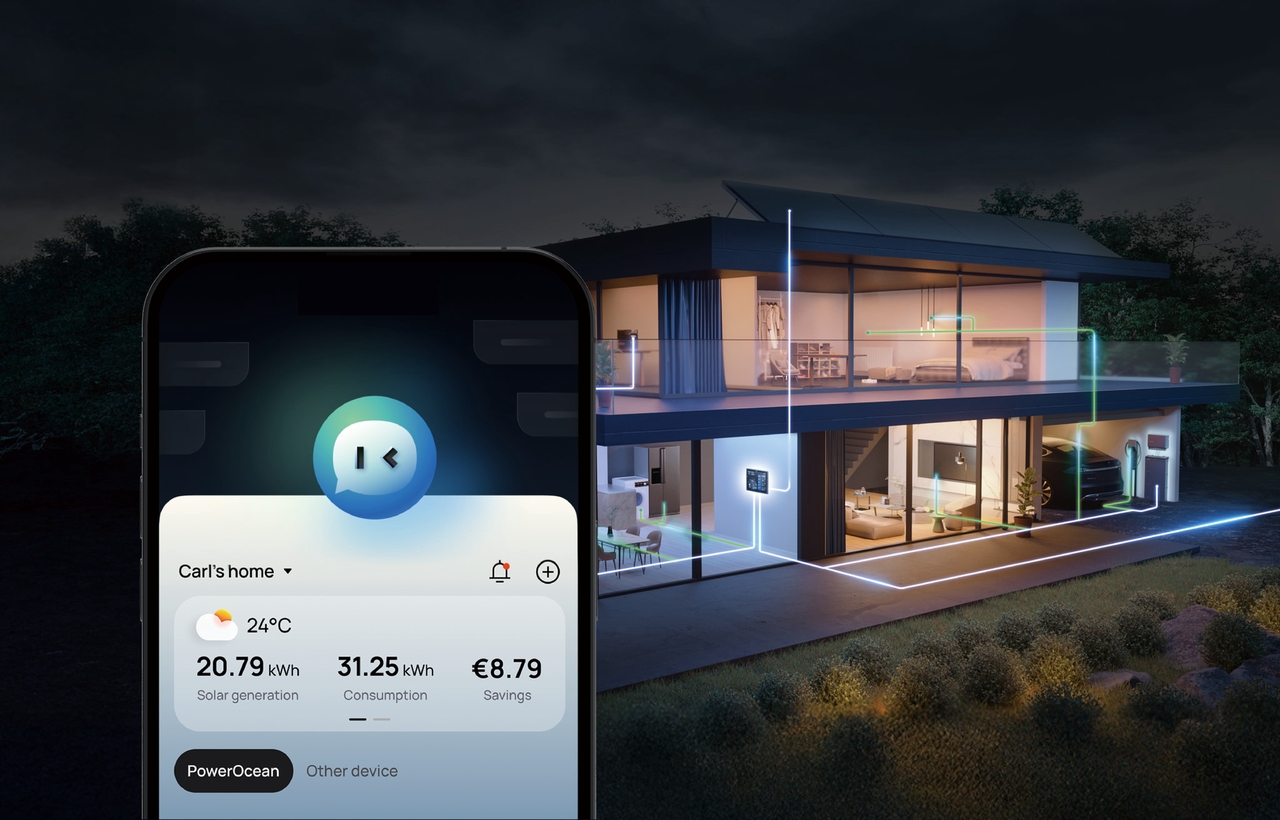
Having a big system is great. Having a smart system is even better. Smart software plays a huge role in managing high-capacity setups. Using an advanced home energy management system is key. For example, using the EcoFlow HEMS automates your daily power usage. The software acts as a brain for your house. It tracks local weather forecasts. It also tracks your specific Time-of-Use grid rates. It decides exactly when to charge your battery. It also decides when to push power to your home. This ensures that not a single kilowatt of your generated solar energy is wasted.
Upgrade to microinverters or DC optimizers
Because a 15kw solar power system requires an incredible 34 to 38 panels, it covers a lot of roof space. This makes it highly susceptible to partial shading. A tree branch, a TV antenna, or a chimney might cast a shadow. This shadow might hit just one or two panels. In a standard setup, if one panel is shaded, the whole string loses power. Advise your installer to use microinverters or DC optimizers. This technology ensures that if one panel is shaded by a passing cloud, the rest of the system continues to operate perfectly. It operates at maximum efficiency. It stops shading from bottlenecking the entire solar array.
Strategize your panel orientation (East/West split)
The physical layout of your array matters just as much as the equipment. Many people think all panels must face North. However, placing 34+ panels facing true North creates a massive midday energy spike. This huge spike often gets wasted. It can also get blocked by local grid export limits. Instead, advise your installer to split your 15kw solar power system across the East and West roof faces. This flattens the daily generation curve. You get steady, usable solar power from early in the morning right through to late in the afternoon. This perfectly aligns with typical household cooking and cleaning routines. It maximizes your direct self-consumption.
Prioritize routine physical maintenance
A large-scale array requires regular physical upkeep. With such a massive surface area on the roof, dirt builds up very quickly. Even a minor layer of dust can cause problems. Bird droppings or encroaching tree branches can cause a noticeable drop in daily output. You should recommend scheduling an annual professional cleaning. You should also perform visual inspections from the ground every few months. Keeping the glass clean ensures your system consistently operates at peak capacity all year round.
Is a 15kW solar system right for you?
This massive setup is not for everyone. If you live in a small, two-bedroom home, it is simply too big. You will waste most of the power it generates. However, it is the perfect solution for specific types of households in Australia.
It is ideal if:
You have a large family home with energy-hungry appliances. This includes a heated swimming pool, multiple fridges, and ducted air conditioning.
You own an Electric Vehicle (EV). You might also plan to buy one soon. You want to charge it at home for free using sunshine.
You already have three-phase power installed at your property.
Your electricity bills are consistently over $800 to $1000 per quarter.
You want to disconnect your gas line entirely. You want to transition to a fully electrified home.
You have the required 753 to 861 sq ft (70 to 80 sq m) of unshaded roof space.
If you check three or more of those boxes, this system size will transform your energy bills. It will protect you from future price hikes.
Conclusion
Taking control of your energy costs is vital today. A 15kw solar system is a powerful, heavy-duty investment for high-consumption Australian homes in 2026. Yes, the initial 15kw solar system price is higher than standard suburban setups. However, the long-term financial benefits far outweigh the initial costs. The massive daily output gives you incredible freedom. You can run heavy appliances without worrying about the next bill. When paired with a smart home battery, the results are amazing. You can permanently eliminate high electricity bills. You can charge your electric vehicles for free. Ultimately, you secure long-term energy independence for your entire family.
FAQs
1. Is 15 kW solar enough to run a house?
Yes, it is plenty. A 15kW solar system makes about 60kWh daily, which is triple what most homes use. To keep that power, modular systems such as the EcoFlow PowerOcean are ideal. They easily power large loads like pools, ducted AC, and EVs.
2. How many panels are in a 15kW solar system?
It depends entirely on the wattage of the panels you choose. Using modern 400W to 440W high-efficiency panels, you will need between 34 and 38 panels. This requires a large, unshaded roof space of around 753 to 861 sq ft (70 to 80 sq m).
3. How much power does a 15kW solar system produce per day?
In Australia, it produces between 55kWh and 65kWh per day. Brisbane and Perth see higher outputs due to clear skies. Melbourne and Hobart see slightly lower yields during cloudy winter months. It provides massive excess energy year-round.
4. What size battery do I need for a 15kW solar system?
For a large 15kW array, a battery capacity of 10kWh to 15kWh is best. Scalable options like the EcoFlow PowerOcean Solar Battery are ideal because you can stack 5kWh modules as your energy needs grow.
5. How long does it take to pay off a 15kW solar system?
A typical payback period is between 4 and 6 years. You achieve the fastest payback by using the power directly during the day. You can also store it in a battery. Relying on low feed-in tariffs slows down your return on investment significantly.