
Winter Preparedness Checklist - Everything You Need for a Safe Winter
The winter preparedness checklist helps to keep your home safe during power outages and extreme cold weather. Your winter storm preparedness checklist should include steps, like inspecting the heating system, sealing doors and windows, protecting pipes from freezing, preparing emergency food and water supplies, checking smoke and CO alarms, clearing outdoor hazards, preparing emergency supplies, inspecting the fireplace, and planning for power outages. Also, the home battery provides reliable backup power to keep essential appliances running smoothly during power outages. Read the article to prepare for the winter.
Winter storm preparedness checklist - Top 9 things to consider
Winter storms can strike without warning, so having a solid plan in place is essential. Below are the top 9 things to consider when preparing your home and family for the season ahead.
Inspect your heating system
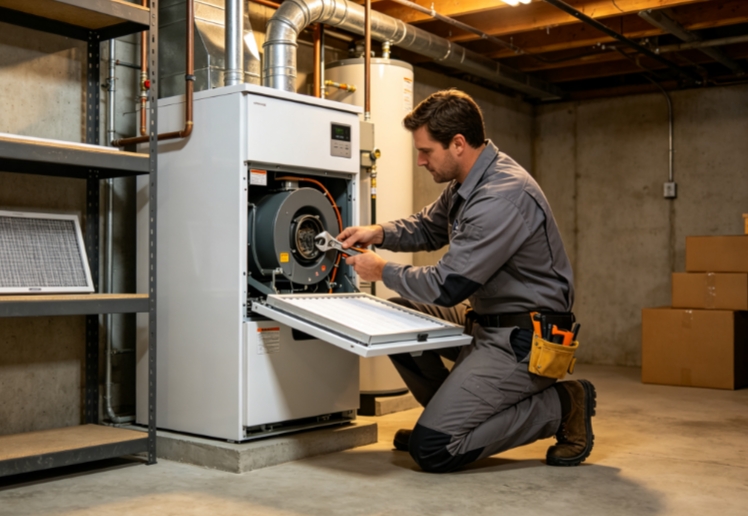
The first winter storm preparation checklist point includes preparing the heating system before the winter season to ensure it operates safely and effectively. Schedule a professional inspection to identify the maintenance needs and potential faults. Replace dirty furnace air filters to maintain proper airflow and heating performance. Test your heaters before winter to ensure that they are in good working condition. Address odors, unusual odors, or performance issues promptly. Keep the heating materials free and clear of flammable equipment.
Seal doors and windows
Inspect windows and door frames for cracks or gaps that allow cold air to enter and warm air to escape easily. Apply weatherstripping around exterior doors to reduce drafts and improve insulation. Seal small cracks around window frames and other openings. Add insulation to places that lack sufficient coverage, especially around older doors or windows.
Protect pipes from freezing
Insulate exposed water pipes, particularly those in unheated areas such as basements, crawl spaces, and garages. Seal nearby cracks and gaps where cold air can reach the plumbing. Plus, maintain a consistent indoor temperature during extremely cold weather. Know the location of your main shutoff, so you can suddenly stop the water if a pipe bursts. Your winter preparedness checklist isn't complete unless you take these precautions.
Prepare emergency food and water supplies
Stock atleast 3 days of shelf-stable food, like dried foods, canned goods, ready-to-eat meals, and drinking water for the winter emergencies. Select the type of foods that require little or no cooking during the power outages. Plus, store food and water in a clean, dry, cool, accessible location, and keep water protected from freezing temperatures. Ensure that the water purification filters and other purification supplies are readily available. Carefully check the expiration dates and replace the supplies as required. Ensure that every person in the house knows where emergency supplies are stored. Also, consider storing extra supplies for pets.
Check smoke and CO alarms
Test every smoke and carbon monoxide (CO) alarm before the winter season to ensure that it works properly. Replace dead or weak batteries promptly and keep spares on hand. Install CO detectors near sleeping areas and other suitable locations to provide early warning. Keep the alarms dust-free and don't cover or disable them. Replace malfunctioning or expired units, according to the manufacturer's recommendations. Regular alarm checks help protect your house from fire and dangerous CO buildup.
Clear outdoor winter hazards
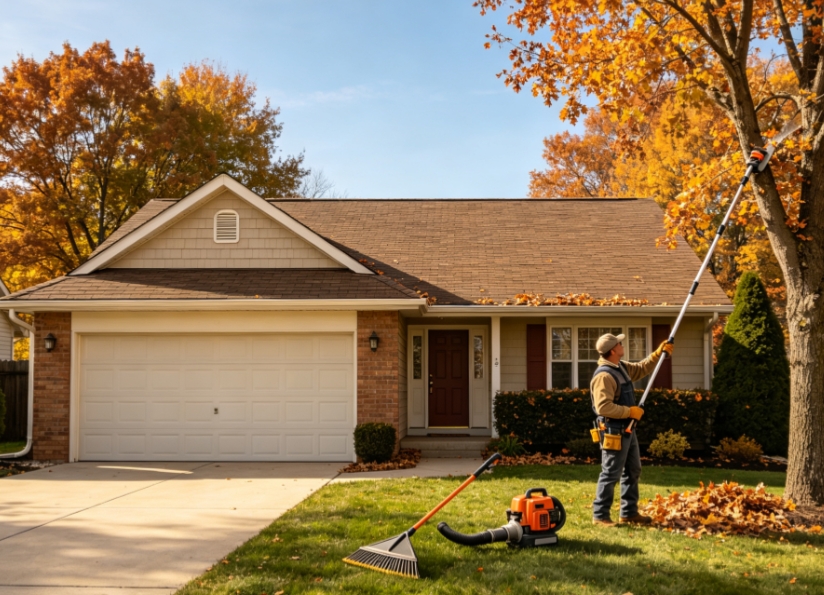
Another winter preparedness checklist is to clear outdoor winter hazards. So, trim overhanging branches near the house to eliminate the risk of falling limbs during heavy snow, winds, or ice; clear driveways, walkways, and entrances from snow, debris, leaves, or other obstacles. Remove slippery surfaces and keep the outdoor paths accessible throughout winter. Regular outdoor maintenance reduces the risk of falls and protects your home from severe water damage.
Prepare winter emergency supplies
Stock reliable flashlights and batteries to keep good visibility during power outages. Keep a warm blanket in an easily accessible location, in case the heating system doesn't work properly. Assemble a complete first-aid kit with vital medical supplies for emergencies and minor supplies. Store essential items and extra batteries where everyone can access them quickly. Being prepared makes you act efficiently when disaster strikes.
Inspect your fireplace
Another winter storm home preparedness checklist includes inspecting your fireplace. Clean the chimney before regular winter use to remove soot, creosote, and other buildup, which can increase the risk of fire. Carefully inspect the fireplace for loose components, cracks, or other signs of damage. Ensure the chimney and flue are properly ventilated. Store firewood in a dry and covered place, away from flammable materials. Avoid unseasoned or wet wood because it can create smoke and buildup. Regularly maintaining the fireplace keeps your home warmer and reduces winter fire hazards.
Prepare for power outages
To complete the winter storm checklist, keep the backup power systems ready and test them carefully before severe weather or a winter storm arrives. Ensure that essential appliances and communication devices remain powered during outages. Plan how you will maintain indoor temperatures if the outage lasts for an extended period. Don't use generators or fuel-burning equipment indoors, as they produce dangerous carbon monoxide. Keep blankets, warm clothing, and other appliances easily accessible to decrease the risk of prolonged exposure to cold weather.
How backup power can help during winter outages
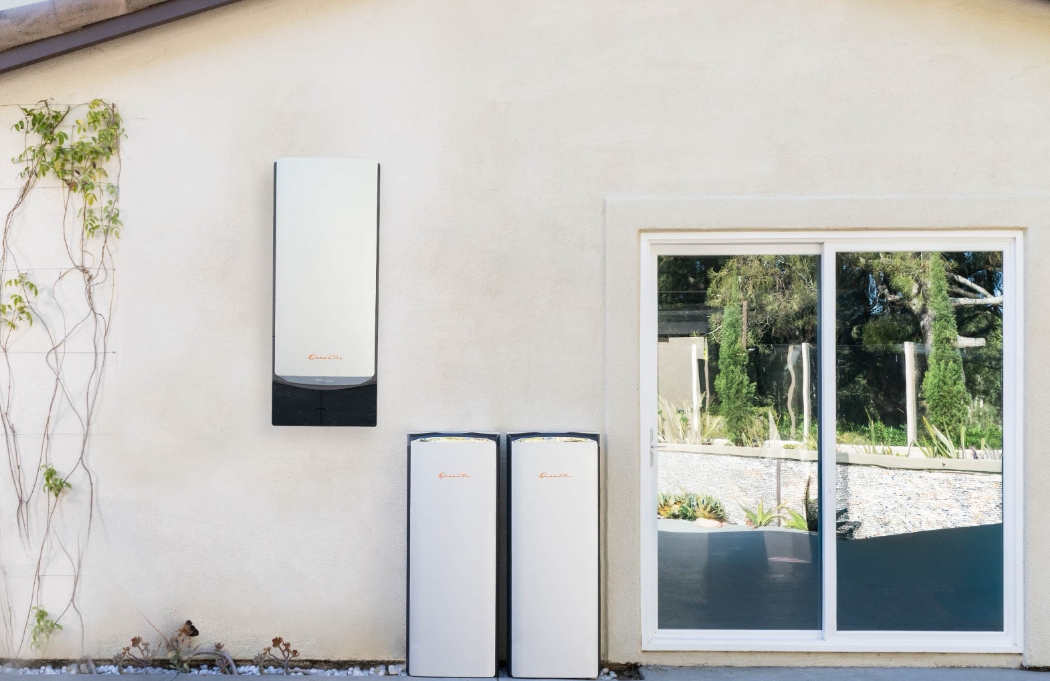
A good winter safety system accounts for power outages, which leave your home without lighting, heating, or other vital services. The EcoFlow OCEAN Pro Solar Battery System is a great option for power outages, storing energy for use when the grid goes down. It can be recharged by a solar system, providing reliable backup power during extended power outages.
Whole-home backup power
The EcoFlow OCEAN Pro Solar Battery System keeps the essential household systems operational when winter storms interrupt grid power. It offers 24kW of continuous backup power, supporting critical appliances and household systems during outages. Its storage capacity can be increased to 80kWh, providing more energy for long interruptions. By powering the heating equipment and other systems, it helps keep a more comfortable atmosphere during winter power outages.
Smart energy management
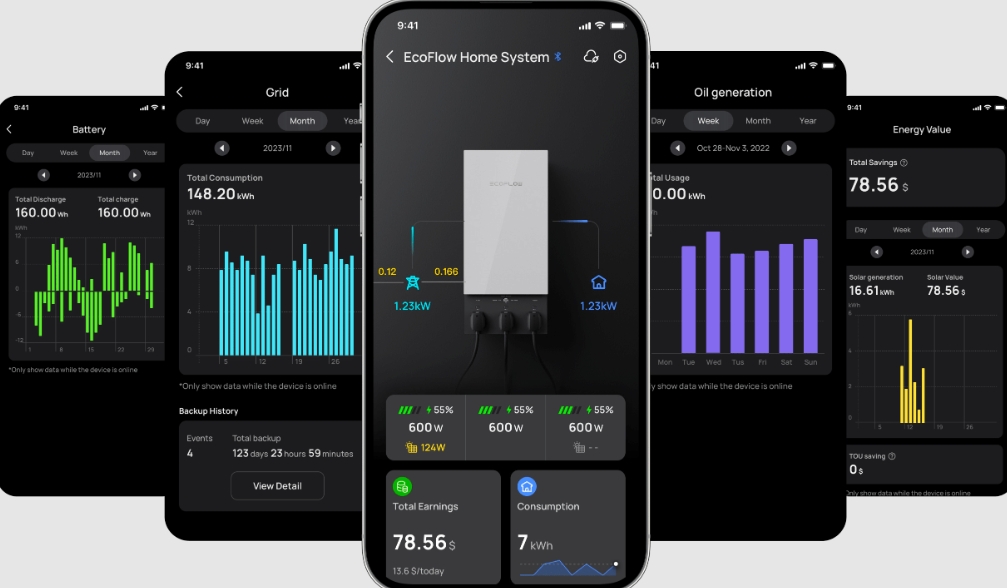
EcoFlow OCEAN's smart energy management system monitors and manages the available backup power during storms. Through the EcoFlow app, you can monitor energy usage in real-time and see how much energy remains. This makes it quite easy to prioritize essential appliances and to avoid unnecessary energy consumption during prolonged power outages. By storing and managing energy effectively, the EcoFlow OCEAN Pro Solar Battery System reduces the dependence on unstable grid electricity. So, if you are ready to try out EcoFlow OCEAN's products, schedule your free consultation today!
Get Your Free Home Energy Consultation!
Which energy solution are you interested in?

Conclusion
In conclusion, a thorough winter preparedness checklist helps in protecting your home and family from common cold-weather risks. Taking steps like inspecting the heating system, sealing doors and windows, protecting pipes, preparing emergency food and water, checking alarms, clearing outdoor hazards, and planning for outages helps you stay safe and comfortable throughout the winter season.
FAQs
What do I need to prepare for winter?
To prepare for winter, make a winter storm prep checklist. Prepare heating systems, emergency food and water, flashlights, warm clothing, first-aid supplies, and backup power. The EcoFlow OCEAN Pro Solar Battery is an efficient tool that provides reliable backup power and keeps your appliances running during winter power outages.
What to stockpile for winter?
For winter, stockpile non-perishable food, drinking water, medications, batteries, flashlights, and other emergency supplies. Aim for at least a three-days supply of food and water in case roads are blocked and stores are closed. Don't forget warm blankets, extra clothing, a first-aid kit, and a battery-powered or hand-crank radio for updates.
How to prepare for a winter storm if I live in an older home?
Carefully inspect the heating system, seal doors and windows, insulate exposed pipes, and check the roof and chimney before severe weather arrives. Consider upgrading to a modern home battery system such as EcoFlow Ocean Pro to keep essential appliances running if the power goes out.

