
How to Prepare for Long-Term Power Outage: Stay Powered During Outage
Knowing how to prepare for long-term power outage situations is becoming increasingly important as severe weather, aging electrical infrastructure, and rising energy demand continue to threaten grid reliability. Extended blackouts can deprive homes of refrigeration, heating, internet access, and communication for days or weeks. However, homeowners can stay safe, connected, and comfortable during extended outages by investing in smart backup energy systems. This guide covers everything about long-term power outages and practical ways to handle them effortlessly.
What is a long-term power outage?
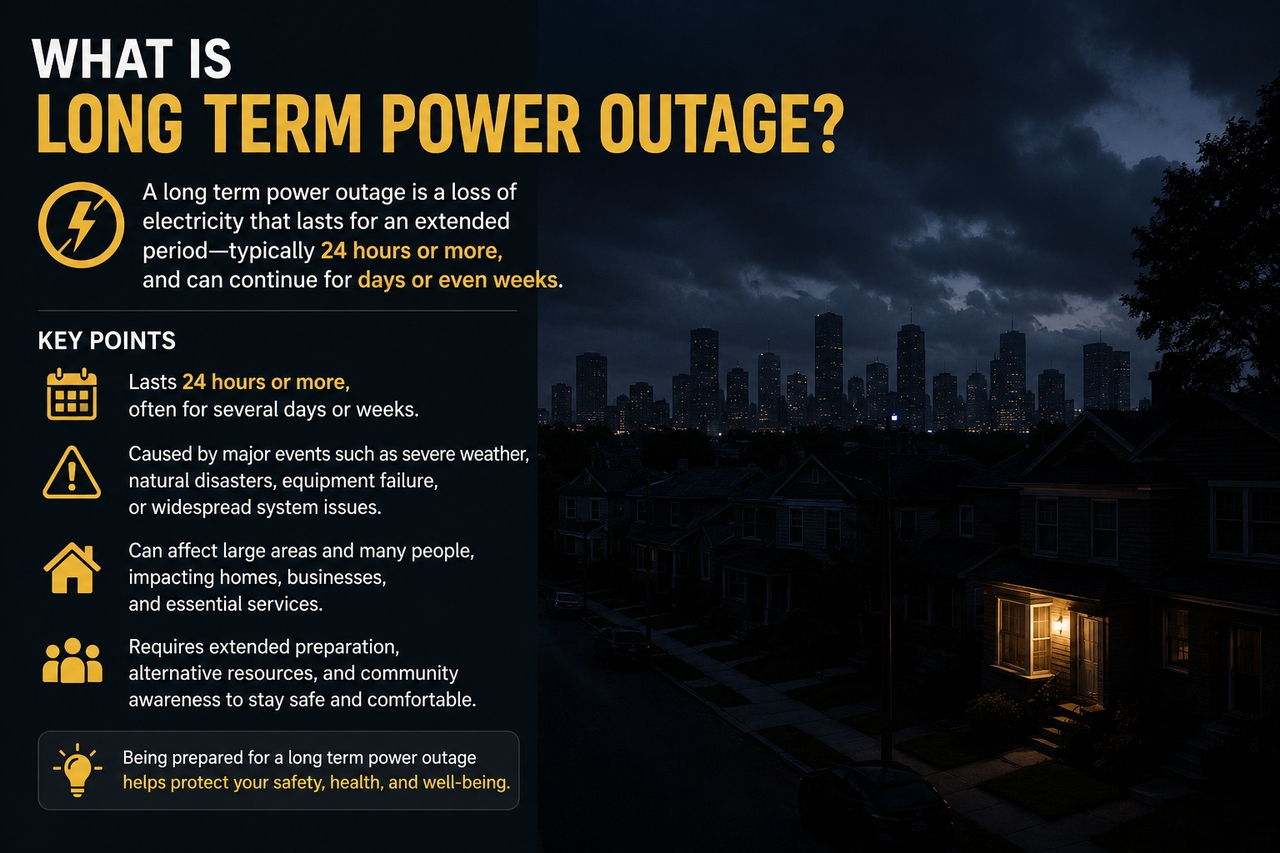
A long-term power outage is an extended interruption of electrical service that lasts way longer than your average power outage. Short ones can be of a few minutes or hours, long ones can be of several days or even weeks, depending on the severity of the event and the state of local infrastructure.
Difference between short-term and long-term power outages
Short-term outages are often caused by transient grid faults, local equipment failures, or routine maintenance. Typically, in those situations, power companies can get the electricity back on pretty quickly.
Long-term outages are much more serious and are often caused by major storms, widespread damage to infrastructure, grid failures, or large-scale emergencies. Such events require extensive repair work and coordinated emergency response efforts to restore electricity.
Areas Susceptible to Prolonged Disruptions
Some areas are more susceptible to extended outages because of climate conditions, infrastructure limitations, or high electricity demand. These are:
Coastal areas at risk of hurricanes
Wildfire-affected areas
Areas with heavy winter storms and ice build-up
Areas that are prone to high-temperature heat waves
Older cities with power infrastructure
Fast-growing electricity demand zones
Common causes of long-term power outages
Severe weather events and natural disasters
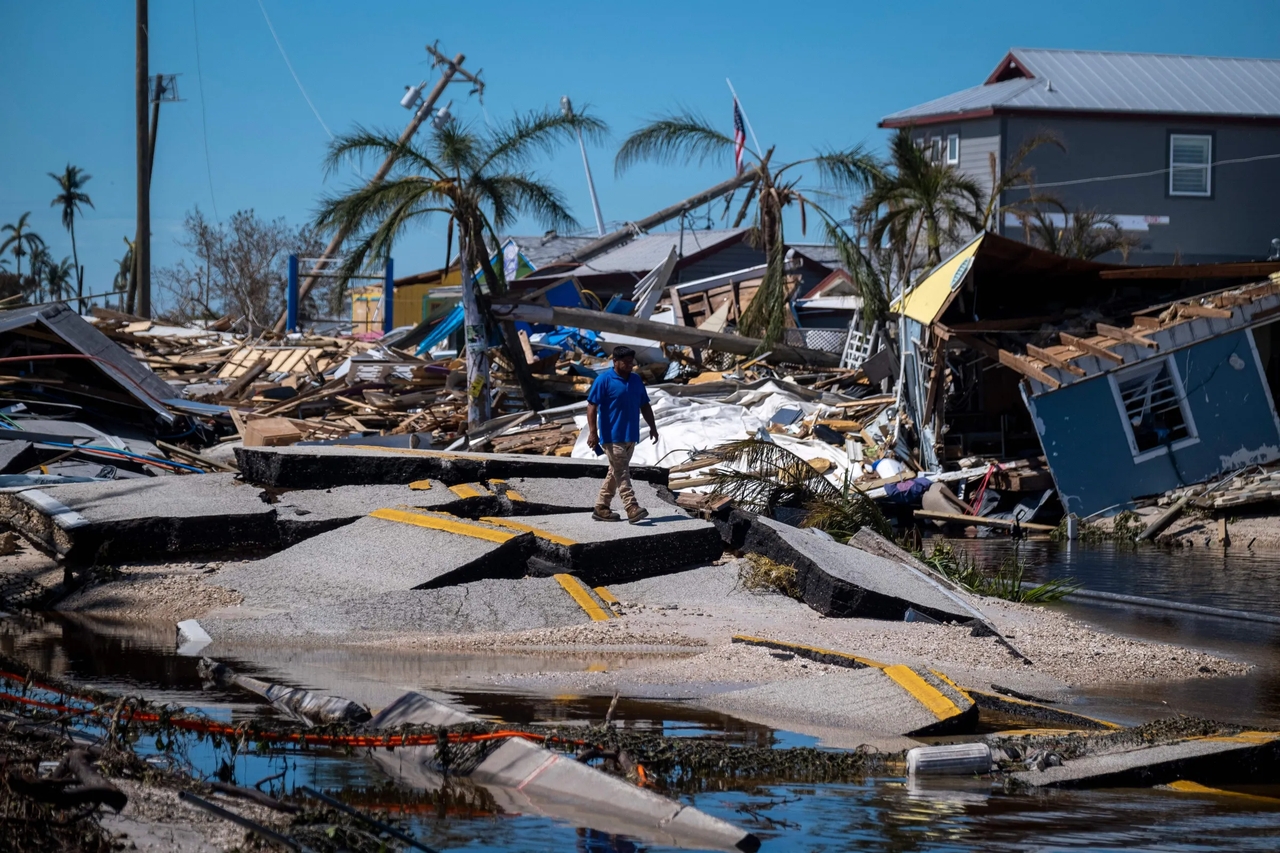
Extreme weather is one of the most common reasons for long power outages. Hurricanes, snowstorms, floods, wildfires, tornadoes, and heatwaves can all damage transmission lines, substations, transformers, and utility poles across large areas.
Bad storms often make for tough going for repair crews, especially when roads are flooded, blocked with debris, or unsafe to get to. That could mean days or even weeks before power is restored, depending on how bad the damage is.
Real-world example:
Hurricane Ian caused widespread blackouts across Florida, leaving millions of homes and businesses without electricity for extended periods.
Grid failures and infrastructure damage
Much of the electrical grid was built on old infrastructure that can't efficiently handle the demands of modern electricity. Power outages can be caused by overloaded substations, damaged power lines, deteriorating transformers and outdated equipment.
Older infrastructure is especially vulnerable to severe weather or times of high energy demand. If one part of the grid goes down, it can put more stress on the neighbouring systems, which can lead to larger-scale failures.
Real-world example
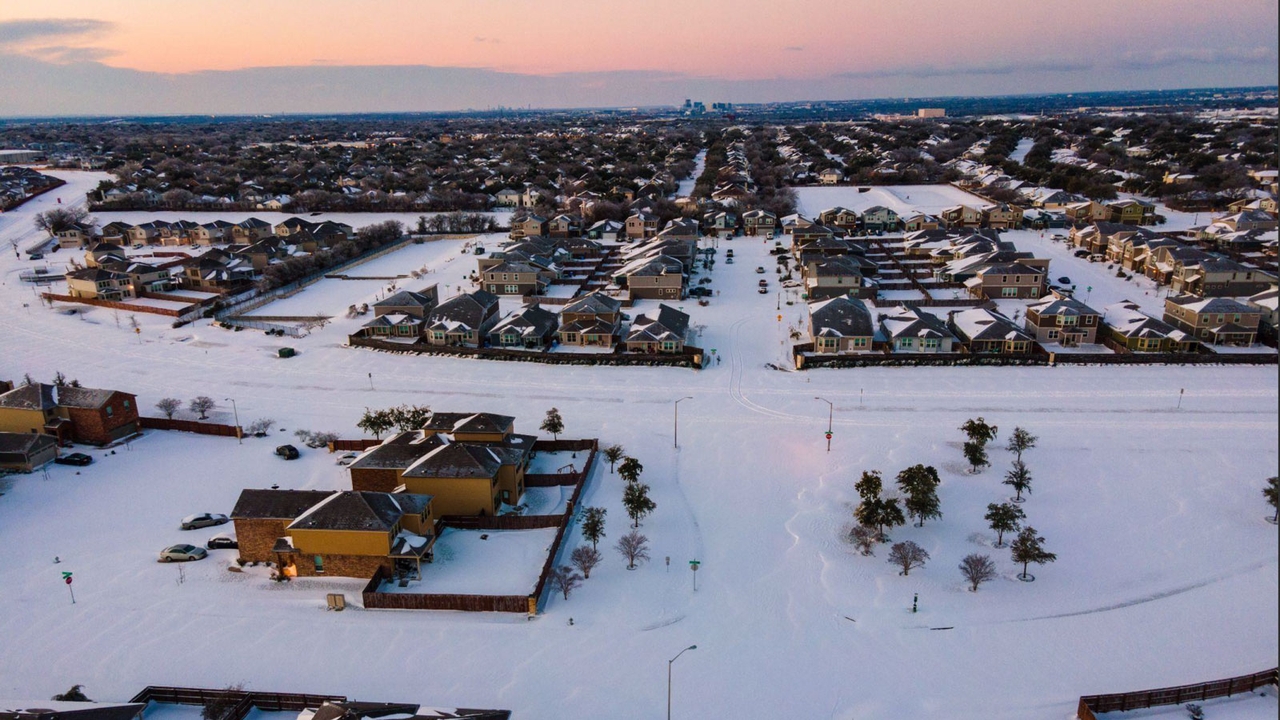
The 2021 Texas power crisis left millions of residents without power during freezing winter conditions as the grid became overwhelmed.
Cyberattacks and unexpected technical failures
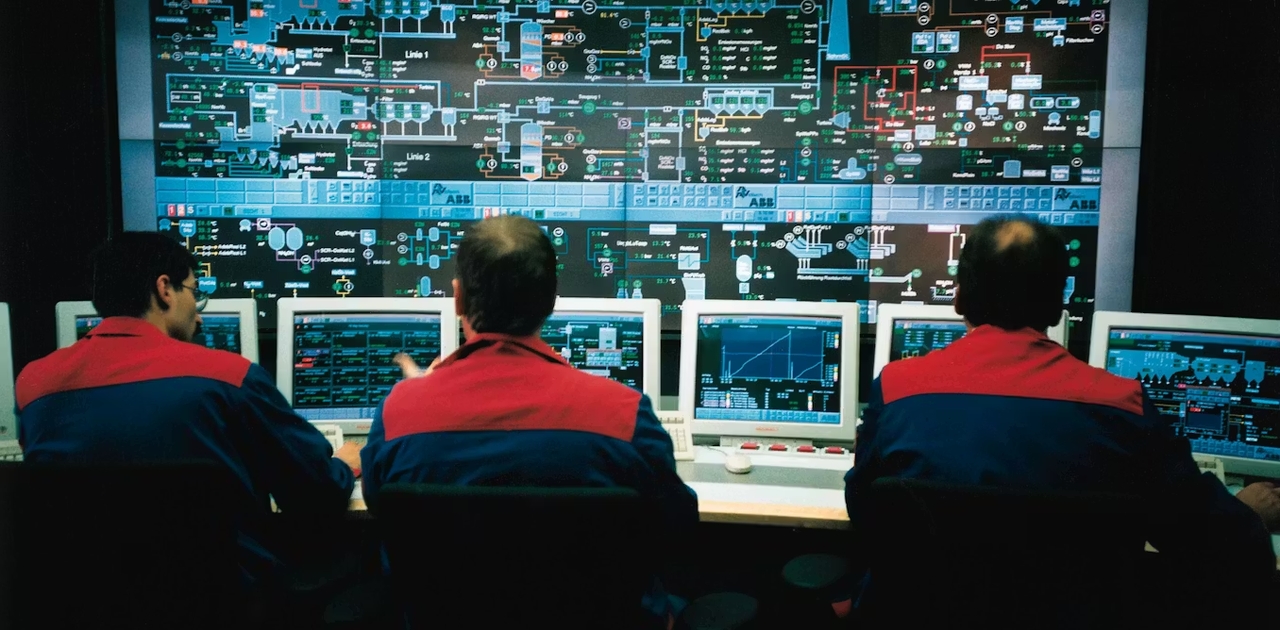
Today's utility systems depend extensively on digital technologies, automated controls, and interconnected communication networks. Power generation and distribution systems can be affected by software failures, cyberattacks, equipment failures, and operational errors.
A single technical failure can have cascading effects across several regions in the case of grid instability.
Real World Example
A high-profile example of cyber-related disruption of power was the cyberattack on Ukraine's electrical grid that caused widespread outages and disrupted electricity service for large numbers of residents.
Increasing energy demand and aging power systems
With populations rising, so is the demand for electricity to power electric cars, air conditioning, smart home devices, and other connected technologies. But many power systems were developed decades ago and aren't built to handle today's energy consumption.
The electrical grid can become overloaded and unstable when demand is high. Aging infrastructure is also challenged by heat waves, cold snaps, and peak use times.
Real-world example
California has experienced repeated rolling blackouts during extreme summer heatwaves due to grid strain and high electricity demand.

Essential safety tips during a long-term outage
Food safety and refrigeration guidelines
If the power outage goes on for a long time, food safety becomes a big problem, as fridges and freezers can't keep food safe without electricity. Perishable foods such as meat, dairy products, and leftovers can spoil within hours without refrigeration. Refrigerator and freezer doors should be closed except when absolutely necessary to keep the food as fresh as possible.
Safe use of candles, generators, and heating equipment
Portable generators, alternate heating devices, and temporary lighting are also common in homes during blackouts, but these items can be serious safety hazards when used improperly. Do not use them inside or near windows. For comfort and visibility during an outage, indoor-safe heating devices and battery-powered lighting are generally safer options.
Stay Informed: Monitor Power Outage Maps and Emergency Alerts
In extended blackouts, it is important to have access to correct information. Family members can view utility outage maps, weather warnings, and emergency announcements to determine the extent of the outage and prepare for changing conditions. Cell phones and emergency alert systems can provide critical updates when the internet is out, and households can use battery-powered radios and charged cell phones.
Preventing carbon monoxide and fire hazards
Extended power outages also increase the risk of accidental carbon monoxide poisoning and house fires by using fuel-powered equipment and open flames in inappropriate manners. Don't use grills, camp stoves, or generators inside homes, garages, or other enclosed spaces, where deadly gases can build up rapidly. Homes should have battery-powered carbon monoxide detectors and fire extinguishers for improved safety in emergencies.
Supporting vulnerable family members and neighbors
Extended outages can be especially dangerous for the elderly, young children, and people who rely on medical equipment or refrigerated medications. Families should plan for support for vulnerable family members and check on neighbors who may need help. Having extra medications, backup batteries, and emergency contact lists can help ensure that essential care is provided, even during prolonged power disruptions.
How to prepare your home before a power outage
Here's how to prepare for a power outage. Follow the instructions below and stay ready to experience extended outages.
Creating an emergency preparedness plan
An emergency preparedness plan guides families through power outages, helping them react fast and stay cool. Families should talk about emergency procedures beforehand. This includes how you will communicate , where you will evacuate to , where you will meet , and emergency contact info . If you have a plan, there is less confusion, and everyone knows what to do to stay safe if there is a sudden power outage.
Storing food, water, and medical supplies
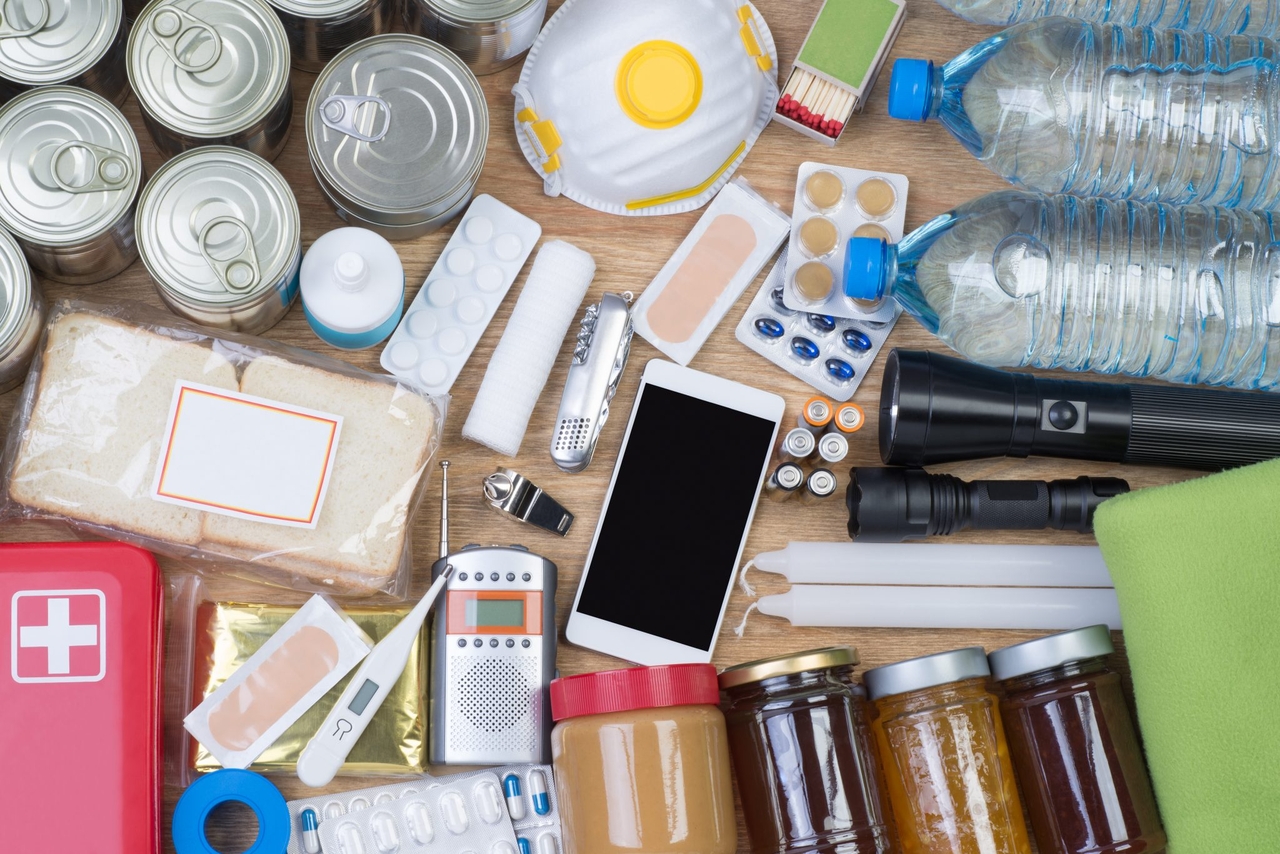
Wondering what to do when power goes out? Storing emergency supplies is key to surviving long outages comfortably and safely. Households should have enough non-perishable food, bottled water, medications, hygiene supplies, and first-aid equipment to support all family members for a number of days. Having these supplies on hand ahead of time can help reduce panic and build overall resilience in emergency situations.
Charging essential devices in advance
Charge phones, laptops, portable batteries, and emergency communication devices fully before storms or planned outages. Portable power stations and battery banks are backup charging solutions that can help ensure you have access to communication, emergency information, and essential services when the electrical grid is down.
Protecting appliances and electronics
Electrical surges and voltage fluctuations caused by power outages and sudden power restoration can damage sensitive appliances and electronics. During power outages, the use of surge protectors and unplugging key devices can help reduce the risk of expensive damage. Backing up digital files and securing home office equipment are also important steps to maintain productivity and security during extended blackouts. That's how to prepare for long-term power outage.
Installing backup power solutions for uninterrupted electricity
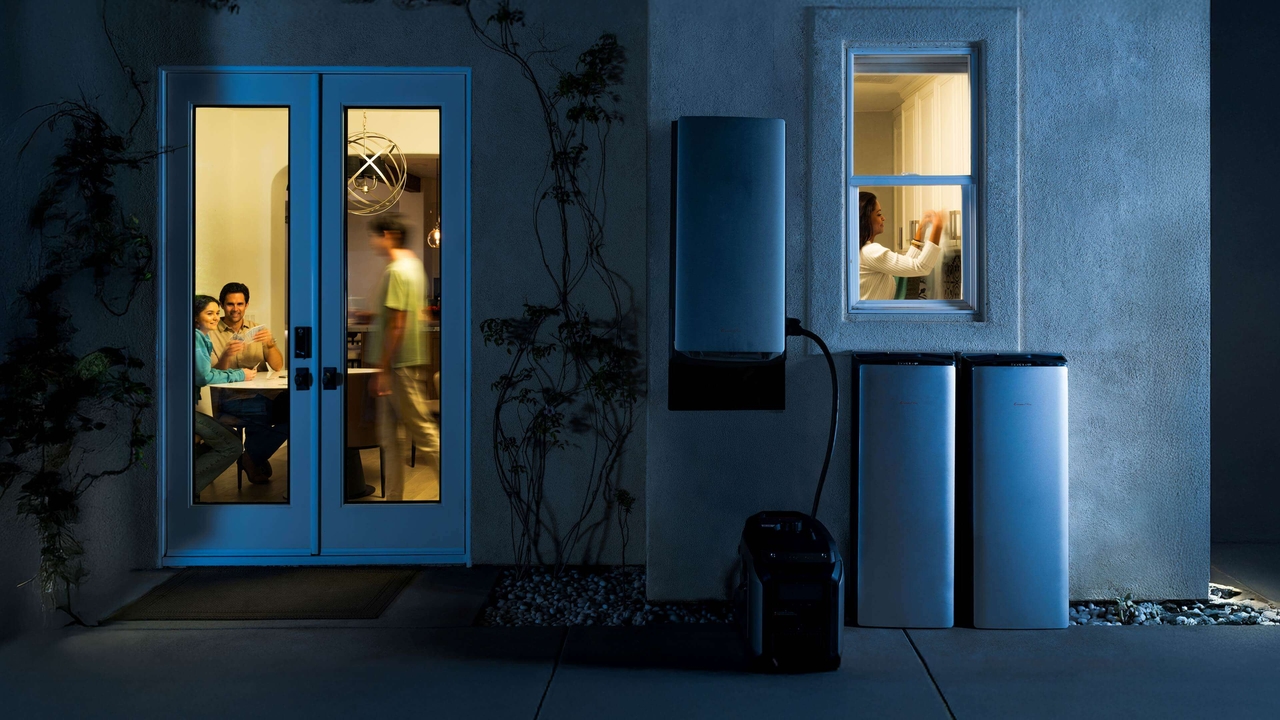
A reliable backup power system is among the best ways to stay safe and comfortable during long outages. When the utility grid goes down, modern home battery systems can provide power for essential appliances, internet equipment, lighting, refrigeration, and medical devices.
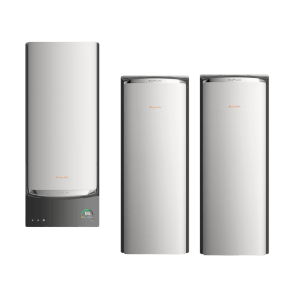
The EcoFlow Ocean Pro system provides up to 24kW continuous output, enabling homeowners to run multiple large appliances simultaneously, including air conditioning systems and EV chargers. It can accept up to 40kW of solar input, helping homes squeeze every drop of solar energy from the sun and stretch backup duration during long outages.
Conclusion
We hope you have now learned how to prepare for a long-term power outage. The impact of long-term power outages can be felt across almost all aspects of daily life, including food storage, communication, heating, cooling, medical care, and home security. As extreme weather events and energy demand increase, planning for prolonged outages is an important part of household emergency planning.
For families that want to stay powered, connected, and secure when grid outages happen, smart home energy systems like the EcoFlow Ocean Pro provide scalable whole-home backup power, intelligent energy management, and renewable energy integration. Request a consultation today and stay powered up even during long power outages.
Get Your Free Home Energy Consultation!
Which energy solution are you interested in?

FAQs
How to prepare for 72 hours without backup?
To prepare for 72 hours without power, you need to have enough food, water, medicine, lighting, batteries, and emergency supplies available to sustain your household for at least three days. Families also should charge essential devices beforehand, plan alternative ways to cook food, and set up communication plans to stay informed during emergencies.
What is the best way to prepare for a power outage?
A good preparation plan includes emergency planning, storing supplies, protecting appliances, and a good backup power solution. Solar energy storage systems and home battery systems can reduce the need for temporary fuel-powered generators and keep the lights and other essential household functions running during extended outages.
What safety precautions should be followed during a blackout?
Don't use generators indoors during a power outage and be careful about food safety. Unplug sensitive electronics, and ensure heating equipment is properly vented. Emergency lighting systems and carbon monoxide detectors can also be a safety enhancement for extended outages.
Can solar panels help during long-term power outages?
In the case of long outages, solar panels with battery storage systems can offer renewable backup electricity. These systems let homeowners keep the lights glowing, their phones charged, the refrigerator humming, and the appliances humming even when the utility grid can't.
How to stay connected during a blackout?
Before an outage, make sure your phones, laptops, and portable chargers are fully charged so you can stay connected during a power blackout. Households can also use battery-powered radios, backup internet equipment, and portable power stations to help maintain access to emergency information and communications services during prolonged disruptions.

