
When is Hurricane Season in South Carolina: Your Guide to Safety
When is hurricane season in South Carolina? Hurricanes can produce catastrophic winds, flooding, and prolonged power outages that disrupt everyday life for days or weeks. Knowing when storms are most likely to occur and preparing before they arrive can help protect your family and property.
By investing in reliable backup power and smart backup energy systems, households can stay connected and safe during long outages. This guide covers everything about the hurricane season in South Carolina, types of hurricane dangers, and preparation tips to handle the situation.
When is the hurricane season in South Carolina?
Official Hurricane Season Dates
The official Atlantic hurricane season is from June 1 to Nov. 30 each year. During this six-month period, tropical storms and hurricanes can form over the Atlantic Ocean, Caribbean Sea, and Gulf of Mexico and threaten the southeastern U.S. The National Hurricane Center issues watches and warnings, and says most tropical activity occurs in these months because of warmer ocean temperatures and a more hospitable atmosphere for storm development.
South Carolina is on the Atlantic coast and is on the direct path of storms coming north from the Caribbean and the tropical Atlantic. Coastal counties, barrier islands, and low-lying communities are particularly threatened by hurricane impacts such as storm surge, flooding, and damaging winds.
Peak Hurricane Activity
Storms can happen any time during hurricane season, but historically, the most active time for storms in South Carolina is mid-August to late October.
There are a few reasons that late summer and early fall are especially dangerous:
The highest temperatures on record in the Atlantic Ocean.
Warm water is the fuel that powers hurricanes to intensify.
The atmospheric conditions have become more conducive to tropical cyclone formation.
It is during this timeframe that storm tracks often turn toward the southeastern U.S. coast.
Historically, September and October have been months when many of the strongest hurricanes have hit the Carolinas, and are therefore months to be especially prepared for.
Why South Carolina is vulnerable to hurricanes
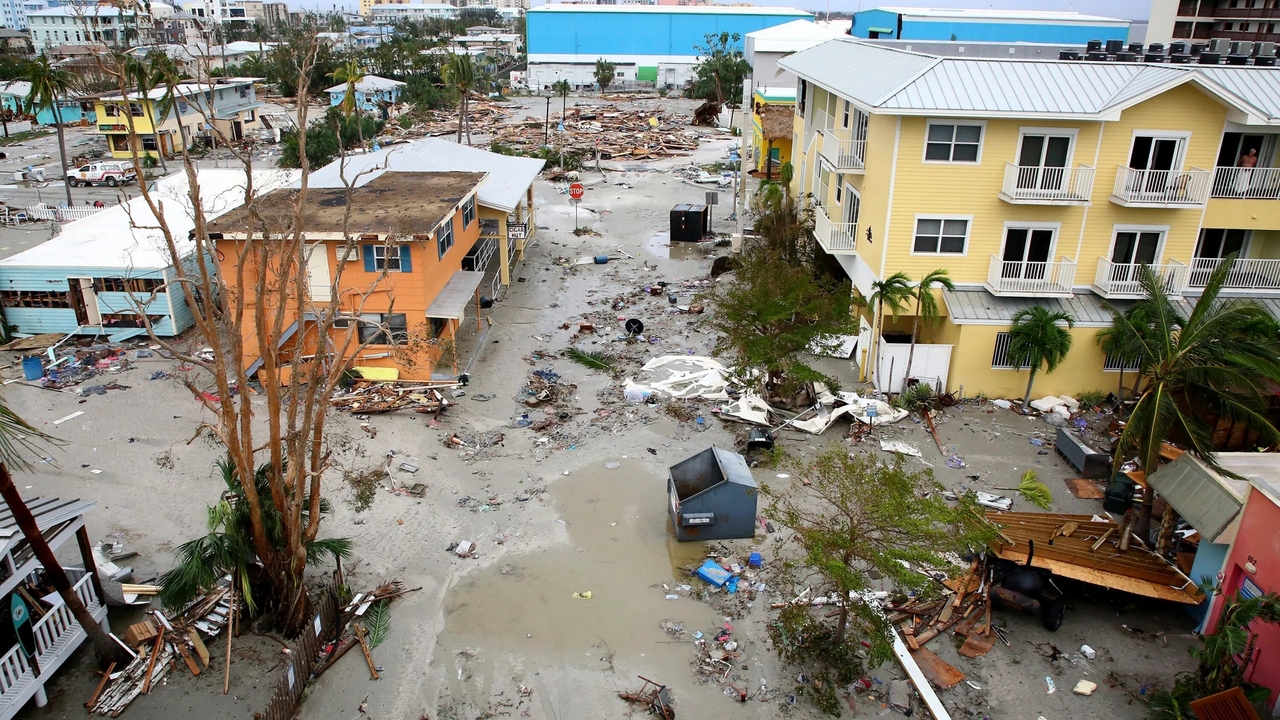
Coastal geography and Atlantic storms
South Carolina's long Atlantic coastline makes it very vulnerable to tropical storms and hurricanes. Warm waters of the Atlantic Ocean provide energy for the development of storms. Hurricanes moving over such warm waters often intensify rapidly before reaching the coast. Coastal communities are often the most vulnerable, as they are directly exposed to:
Tidal surge
Winds of hurricane force
Coastal flooding
Beach erosion
Popular coastal areas such as Charleston, Myrtle Beach, Hilton Head Island, and surrounding communities often watch tropical activity during hurricane season.
Inland impacts beyond the coast
Hurricanes are often thought of as purely coastal events, but inland communities can also suffer dire consequences. When storms track inland, they often carry:
Torrential rain
Raging floods
Flooding of rivers
Tornadoes
Downed trees
Extended power outages
Recent hurricanes in the Carolinas show that dangerous conditions can extend hundreds of miles from the coast. Inland cities and rural communities often sustain extensive flood damage and lengthy recovery efforts long after the storm makes landfall.
Types of hurricane dangers in South Carolina
Storm surge
Storm surge is often the most dangerous and deadly part of a hurricane. It happens when strong hurricane winds push large amounts of seawater toward the coast, resulting in rapid rises in water levels above normal tidal levels.
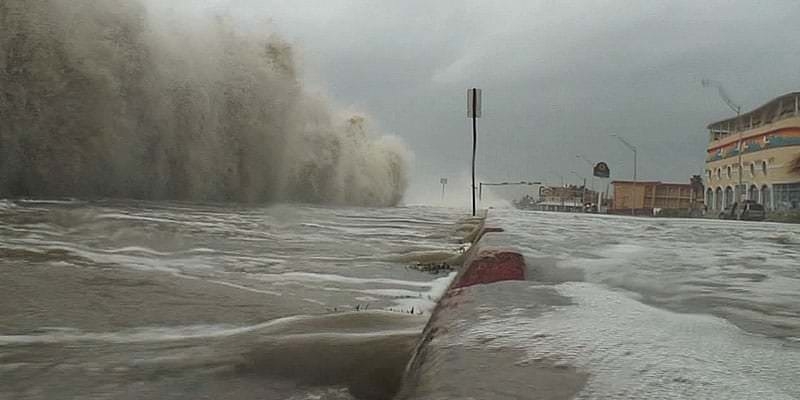
South Carolina's low-lying coastal communities are especially vulnerable, as a few more feet of water can flood homes, damage infrastructure, and block evacuation routes. The combination of storm surge and high tide can greatly increase the severity of coastal flooding and is one of the greatest threats during a hurricane.
High winds
Hurricane-force winds can cause widespread destruction along the coast and well inland. Powerful gusts and strong winds can tear off roofs, shatter windows, damage buildings, and uproot large trees. Roads are often blocked by fallen trees and debris, and vehicles can be damaged.
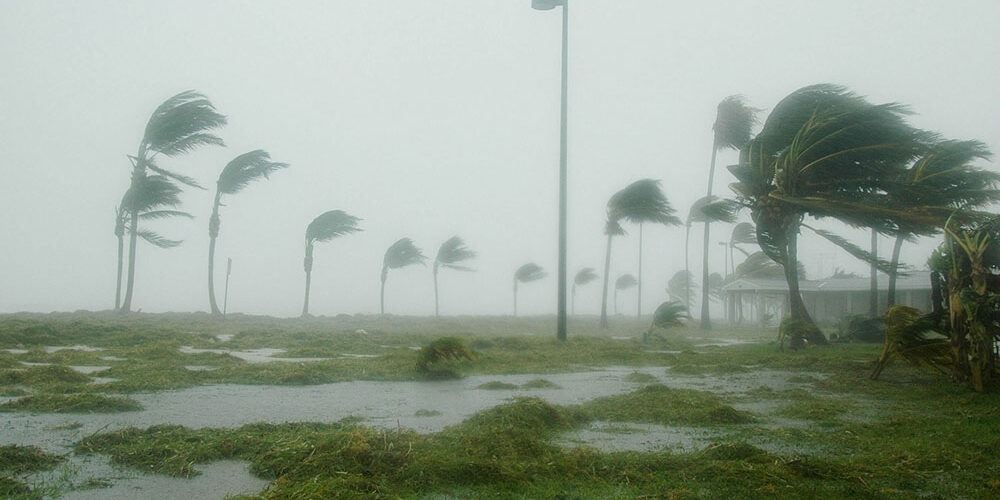
Downed power lines can cause prolonged power outages affecting entire communities. Even after a hurricane weakens after reaching land, its winds can be strong enough to cause life-threatening conditions hundreds of miles inland. Such effects of the wind often result in expensive repairs and lengthy recovery processes for both homeowners and enterprises.
Heavy rain and flooding
Heavy rain is one of the most common hazards associated with hurricanes in South Carolina and can impact areas far from the storm's landfall. Hurricanes can dump several inches of rain in hours or days, overwhelming drainage systems and resulting in flash floods, urban flooding, and river flooding.
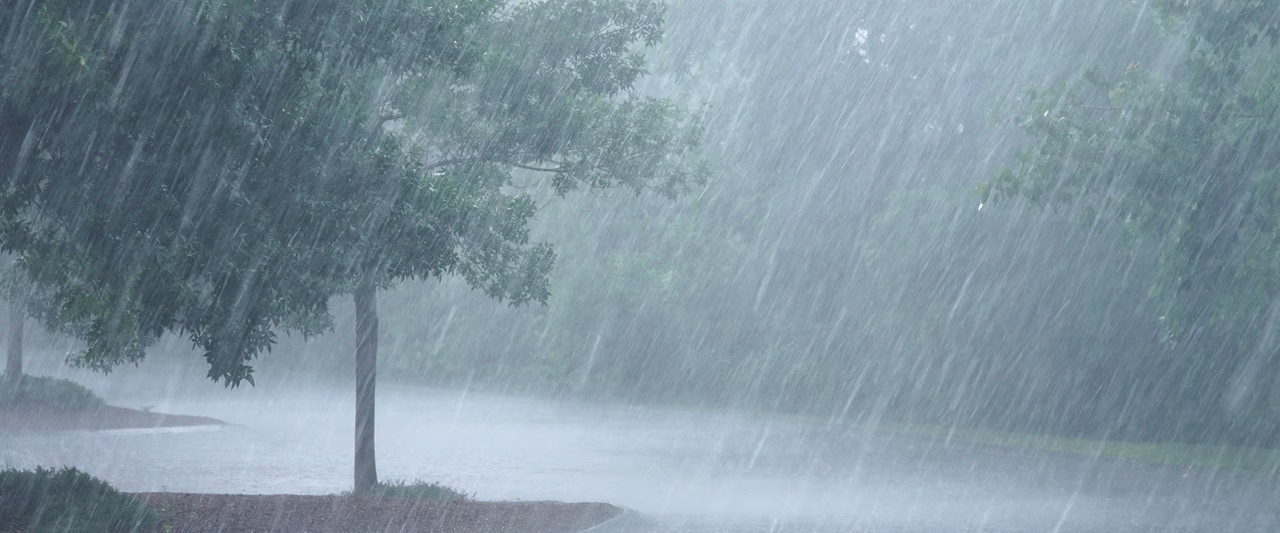
Floodwaters can destroy homes, roads, bridges, and farmland, and create hazardous travel conditions. Tropical systems also often spawn tornadoes within their outer rain bands, adding one more level of risk.
How to prepare before hurricane season starts
Build an emergency kit
One of the most important things you can do before hurricane season starts is to have an emergency kit. Severe weather can leave you cut off from grocery stores, pharmacies, and other vital services for days, so it's especially important to have supplies on hand.
Your kit should have enough water and nonperishable food for each person in your household, prescription medicines, first-aid supplies, flashlights, extra batteries, portable chargers, and a battery-powered radio. Pet food, pet medications, and important documents such as identification, insurance policies, and medical records in waterproof containers.
Create a family emergency plan
A family emergency plan ensures everyone knows where to go if a hurricane threatens your area. A plan should include evacuation routes, designated meeting places, and emergency contact information for family members, friends, and local authorities.
It is also a good idea to have alternative ways to communicate and to have out-of-state contact that you can check in with to relay information to people if local communication is not available, as communication networks can get overloaded during severe weather. Talking about and practicing the plan ahead of time helps family members respond faster and more confidently during an emergency.
Know your evacuation zone
Knowing your evacuation zone before hurricane season begins can save valuable time when officials issue evacuation orders. South Carolina has designated evacuation zones to help residents learn which areas are most at risk from storm surge and coastal flooding. Knowing your zone allows you to act quickly and eliminates last-minute confusion when an emergency strikes.
Residents are encouraged to stay informed through trusted sources such as the South Carolina Emergency Management Division (SCEMD), National Hurricane Center, and local government websites. Mobile applications, including the FEMA App, American Red Cross Emergency App, Life360, and The Weather Channel, can provide real-time alerts, evacuation information, weather updates, and communication tools to help families stay informed and connected.
Preparing for power outages
Power outages are some of the most common and disruptive effects of hurricanes. They can last anywhere from several hours to multiple days, depending on the severity of the storm. You could lose your communications, refrigeration, lights, telephone service, Internet service, and even life-support equipment. Charge devices in advance, keep backup batteries handy, and have alternative lighting sources on hand to prepare for outages.
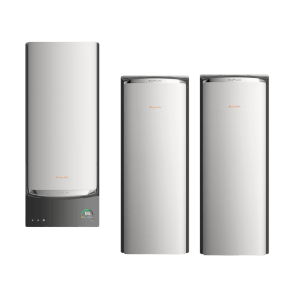
Many homeowners choose backup energy solutions like the EcoFlow Ocean Pro Home Energy System for added peace of mind. The modular battery system is expandable from 10 kWh to 80 kWh to store energy, meaning homeowners can choose the capacity they require depending on their household’s use and how long they expect outages to last. This flexibility is particularly valuable during hurricane season when power outages can last for days.

The system can provide up to 24kW of continuous power output to run vital household functions in emergencies and can run multiple vital appliances at the same time. Another key advantage is the ability to integrate with solar panels, utility power, and backup generators to provide multiple charging options before, during, and after a storm. Compatible solar panels can restore stored energy during a prolonged power outage caused by a hurricane, decreasing dependence on fuel generators.
Conclusion
The official hurricane season for South Carolina runs from June 1 to November 30, but the peak of the season is mid-August to late October. Being a coastal state and close to storms coming from the Atlantic, residents face threats such as storm surge, damaging winds, inland flooding, and long-term power outages.
The best time to prepare is before a storm forms. Taking proactive steps now can help South Carolina residents improve their safety, resilience, and peace of mind throughout the hurricane season. We hope you now know when is hurricane season in South Carolina. Make emergency kits, know the evacuation zones, and invest in smart home energy management systems to handle the power outage. So, why wait? Request a consultation today and stay powered up even during long power outages in hurricanes.
Get Your Free Home Energy Consultation!
Which energy solution are you interested in?

FAQs
What month do most hurricanes hit South Carolina?
September is typically the peak month for hurricane activity in South Carolina. That’s because Atlantic Ocean temperatures are usually at their warmest late in the summer, providing energy for tropical storms and hurricanes to form and grow. While hurricanes can occur at any point between June and November, some of the most significant storms that have affected the state have occurred in September and early October.
How often do the Carolinas get hit by hurricanes?
Tropical storms and hurricanes hit the Carolinas fairly regularly, although the frequency and severity of such storms vary from year to year. There are seasons where the storm may not have much of a direct impact, and others may have several storms that impact coastal and inland communities. Although South Carolina may not be hit directly by a hurricane, storms nearby can still bring heavy rains, coastal flooding, dangerous surf conditions, and power outages.
Do hurricanes affect inland areas of South Carolina?
Yes, hurricanes can have a major impact on inland areas of South Carolina, often causing destruction well inland from the coast. Hurricanes often bring severe rainfall, flash flooding, river flooding, strong winds, and even tornadoes as they move inland. Saturated soil makes trees more likely to topple, which can knock down power lines and block roads.
Should I evacuate during a hurricane warning?
Follow the advice of local authorities if told to evacuate. Storm surge risk, flooding potential, and expected storm strength are among the factors that influence evacuation decisions. People who live in coastal evacuation zones, low-lying areas, and mobile homes are often some of the first to be told to leave. Be familiar with your area's hurricane evacuation routes and emergency shelters before hurricane season begins, so you can act quickly if you need to evacuate.
How can I prepare for a hurricane-related power outage?
Preparing for power outages starts by having the supplies you need and backup power options you can count on before the storm arrives. Charge cell phones, portable batteries, and emergency devices. Besides, you can invest in home backup battery systems like the EcoFlow OCEAN Pro Home Energy System to be more resilient and power their critical appliances, lighting, communications, and other essential household needs until utility power is restored.

