
When is Hurricane Season in Louisiana: A Complete Survival Guide
Curious to know when is hurricane season in Louisiana? For many families, the answer means months of uncertainty, storm tracking, evacuation planning, and preparation for dangerous power outages. Hurricanes threaten homes, disrupt daily life, and leave communities without electricity for days or even weeks every year.
Knowing the ins and outs of Louisiana’s hurricane season can help you stay ahead of severe weather before storms develop in the Gulf. From emergency kits to smart backup energy systems, preparation is the key to protecting your family and property. This guide covers everything about hurricane season in Louisiana, peak months, vulnerable areas, ans how to prepare for this tough time.
When is hurricane season in Louisiana?
Louisiana's hurricane season coincides with the official Atlantic hurricane season, June 1 through November 30 each year. For these 6 months, the warm waters of the Atlantic Ocean and Gulf of Mexico provide ideal conditions for tropical storm and hurricane development.
Storms can happen any time during the season, but the most active and dangerous time for Louisiana is August through October. Late summer brings the warmest water temperatures in the Gulf, allowing storms to rapidly intensify before making landfall along the Gulf Coast.
It is also important to understand the difference between tropical storms and hurricanes.
Tropical storms have maximum sustained winds of 39 to 73 mph.
Hurricanes form when sustained winds exceed 74 mph.
Major hurricanes (Category 3 or higher) can produce devastating wind damage and deadly storm surge.
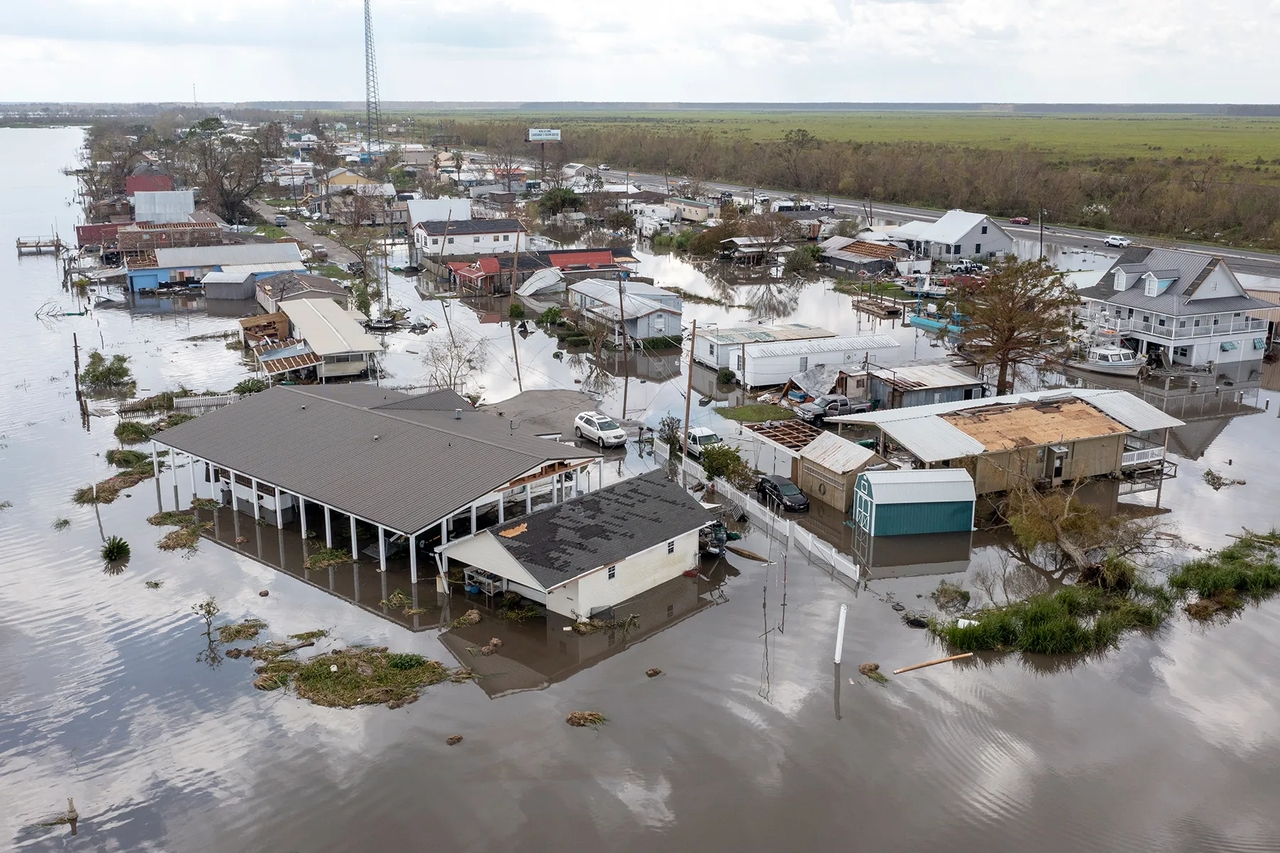
What to expect during the 2026 hurricane season
Meteorologists and climate researchers are already looking at conditions that could affect the 2026 Atlantic hurricane season. While long-range forecasts are not able to accurately predict storm tracks months in advance, they can provide information on the expected level of activity and general storm potential across the Atlantic basin and Gulf Coast regions.
Early forecasts from groups like Colorado State University (CSU) and AccuWeather indicate the 2026 season could be above average once again in terms of tropical activity. They use a range of environmental factors to make these predictions, including ocean surface temperatures, atmospheric moisture levels, wind shear patterns, and global climate conditions.
Forecasters are predicting a number of named storms in the season, with several that could become hurricanes. Some projections also indicate a greater chance of major hurricanes: Category 3, 4 or 5 storms that can devastate wide areas.
Whether El Niño conditions develop or not could be one of the biggest factors shaping the 2026 hurricane season. El Niño generally increases upper-level winds over the Atlantic, which can shear apart and weaken developing storms.
Historical examples of major Louisiana hurricanes
Louisiana has experienced many devastating hurricanes through the years, and they still influence how the people of the state prepare for hurricane season. Some hurricanes caused catastrophic flooding, while others brought destructive winds, long power outages, and billions of dollars in damage.
Katrina
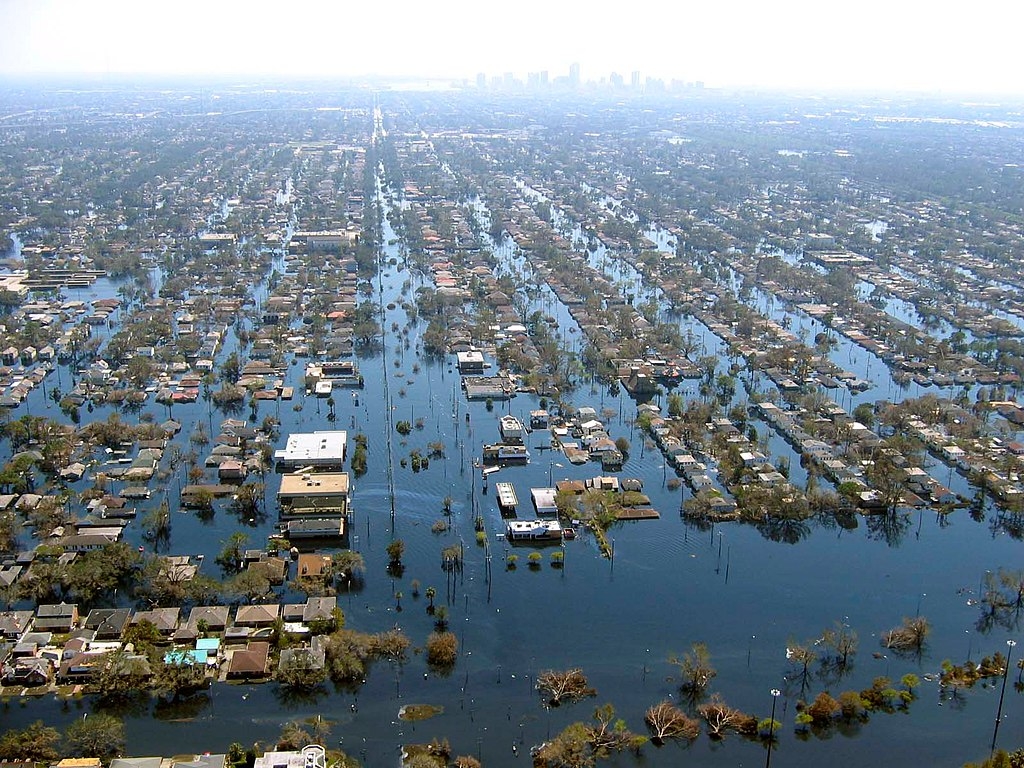
Hurricane Katrina in 2005 was one of the most infamous storms in U.S. history and hit the state of Louisiana as a Category 3 hurricane. Katrina caused devastating flooding in New Orleans when levee systems failed, leaving hundreds of thousands of residents homeless and widespread destruction in its wake. Whole neighborhoods were underwater, and many families faced long-term displacement and recovery for years after the storm.
Ida
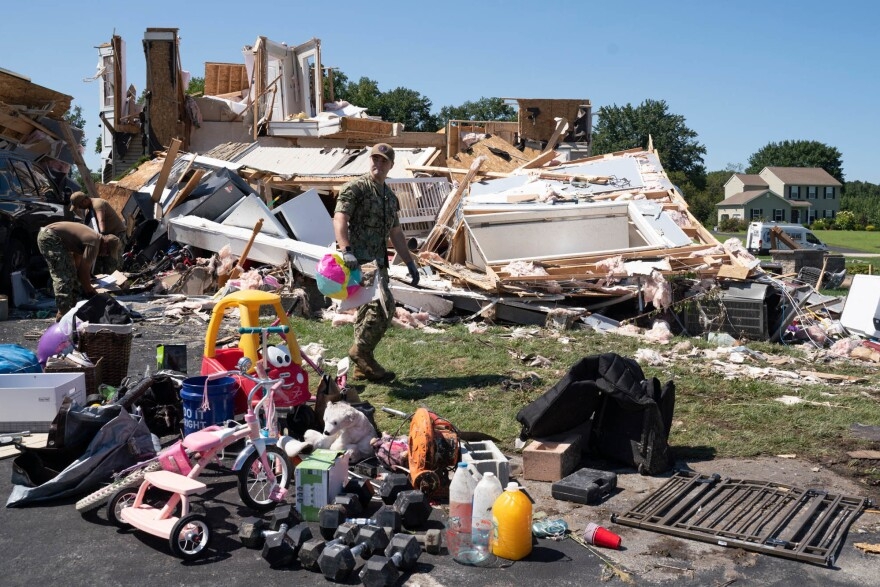
Hurricane Ida made landfall in Louisiana in 2021 as a Category 4 hurricane. Ida brought catastrophic winds that destroyed homes, businesses, and electrical infrastructure across southeastern Louisiana. Dangerous summer heat caused power outages for millions of residents, with some communities enduring extended periods of no electricity.
Laura
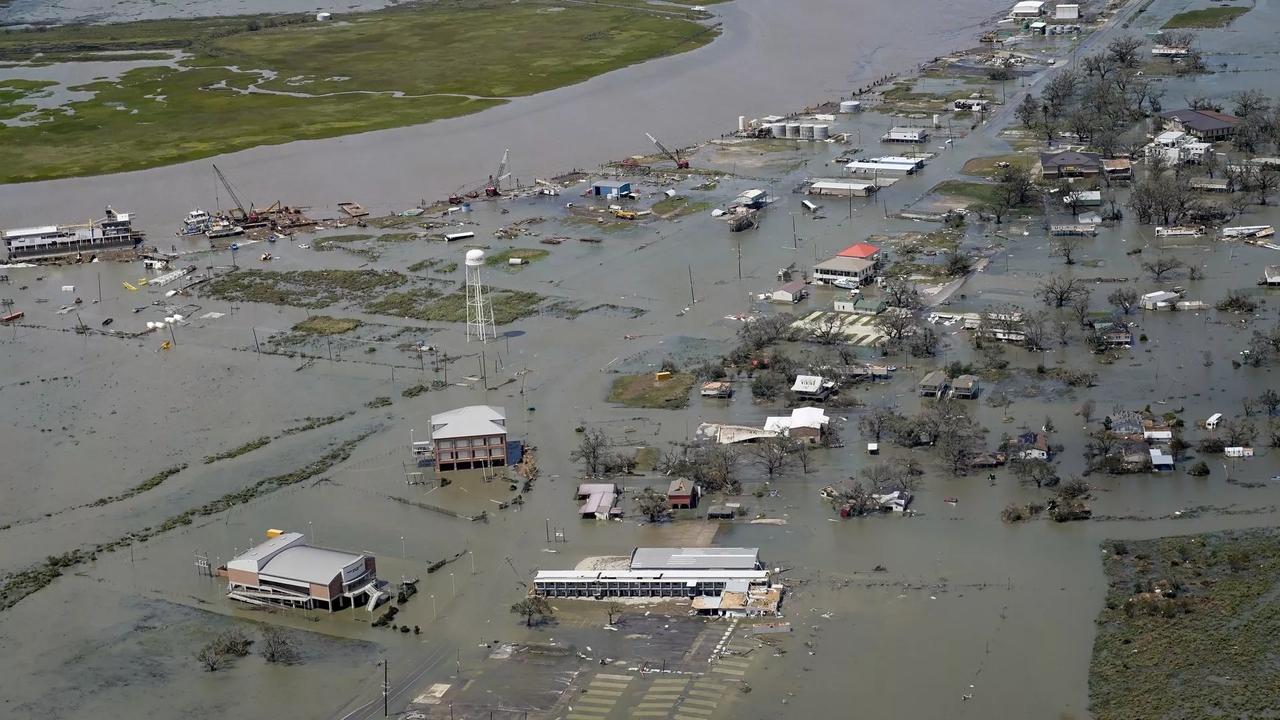
Another major storm, Hurricane Laura, slammed into southwestern Louisiana in 2020, pummeling an area near Lake Charles. Laura strengthened rapidly before landfall, bringing destructive winds, a severe storm surge, and widespread structural damage. It took months to recover as residents rebuilt homes, businesses, and public infrastructure.
Which areas of Louisiana are most vulnerable
Coastal parishes at highest risk
The geography of Louisiana makes much of the state particularly vulnerable to hurricanes, storm surge, and flooding. Coastal communities get the most direct hurricane threats, but inland cities can see heavy rain, tornadoes, and long-lasting power outages.
Flood-prone inland cities
Louisiana’s inland cities are also highly vulnerable because heavy rainfall from hurricanes can travel far inland and overwhelm drainage systems, rivers, and bayous. Even if the wind speeds decrease, the storms still can produce large amounts of rain after landfall, resulting in flash flooding and urban water buildup.
Storm surge zones
Storm surge zones are among the most dangerous places to be during hurricanes. These areas are especially important along the Louisiana coast, where flat topography allows water to travel long distances with little resistance.
Areas commonly affected:
Cities like New Orleans are still very vulnerable; they are below sea level and rely on levee systems. Even with moderate storms, flooding concerns can arise if heavy rainfall overwhelms drainage infrastructure. Storm surge is a major concern for Houma and the other coastal parishes because they border directly on the Gulf of Mexico.
Lake Charles, in western Louisiana, has repeatedly suffered damaging hurricanes and is vulnerable to both wind damage and flooding. Though farther inland, Baton Rouge often experiences heavy rain, flash floods, and long outages during major storms. Even northern cities such as Shreveport can feel the indirect effects of hurricanes, including tornadoes, heavy rain bands, and utility disruptions from weakened storm systems moving inland.
How to prepare before hurricane season starts
Build an emergency plan
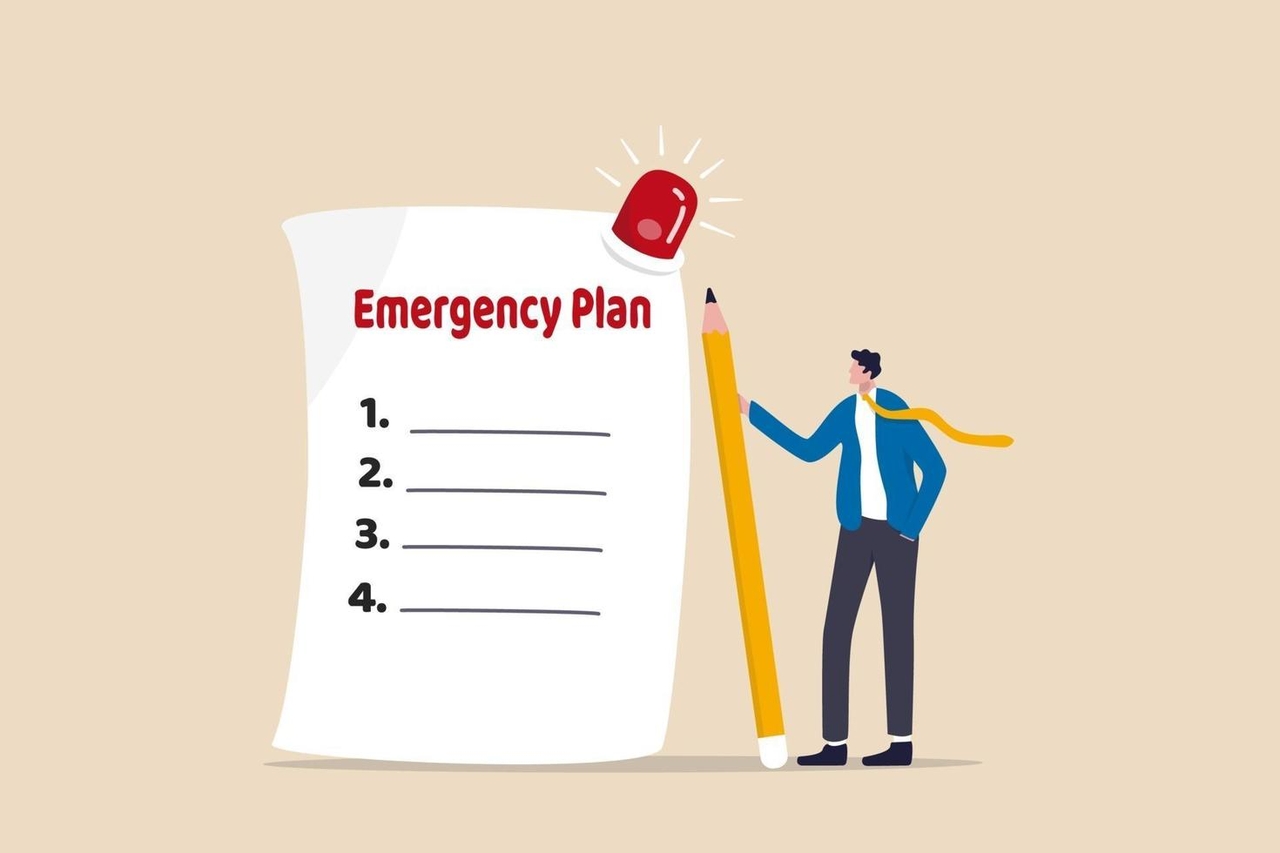
All households should have a detailed hurricane emergency plan in place long before the season starts. Families should discuss evacuation routes, emergency contacts, shelter possibilities, and communication plans in case phone service is unreliable. The children should know where to go and who to call if they get lost from family members in an emergency situation.
Emergency plans should include transportation, storage, and access to medication and medical equipment in the event of power outages. A well-thought-out plan can help ease confusion and stress during evacuation orders or severe weather warnings.
Stock essential supplies
Stock up on emergency supplies before hurricane season peaks. Families should have enough food, water, and other basic essentials to be self-sufficient for several days, or longer, if damage to infrastructure slows emergency response efforts.
Recommended supplies include bottled water, nonperishable food, flashlights and batteries, battery-powered radios, hygiene products, first aid kits, and prescription medications. Other essentials are portable phone chargers and backup batteries, as communication is crucial in emergencies.
Prepare for long power outages
One of the most disruptive effects of hurricanes in Louisiana is power outages. Strong winds, fallen trees, flooding, and damaged transmission lines can leave entire communities without electricity for days or weeks after landfall. Extended outages in extreme heat can quickly turn dangerous, especially for families with medical needs or young children.
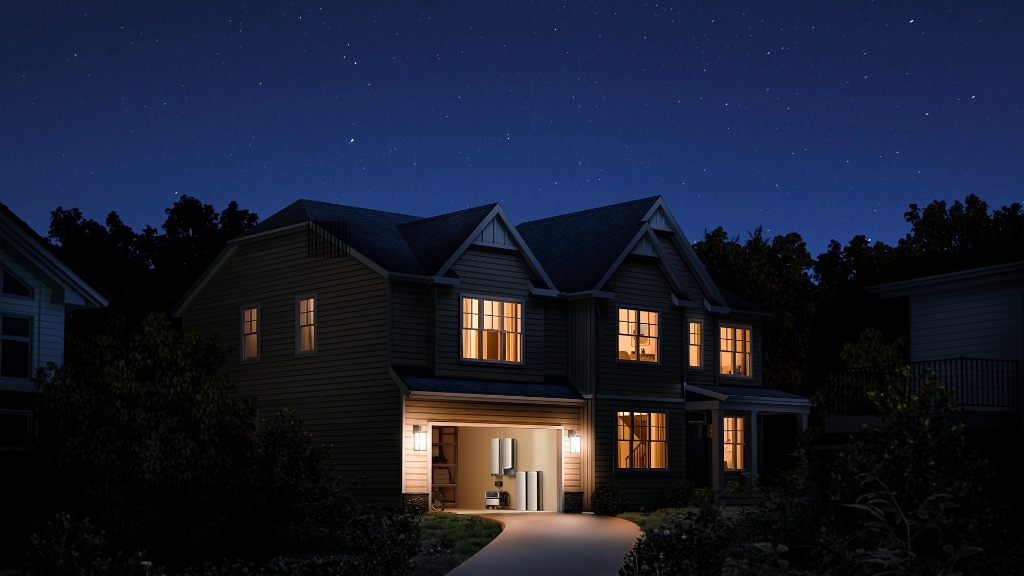
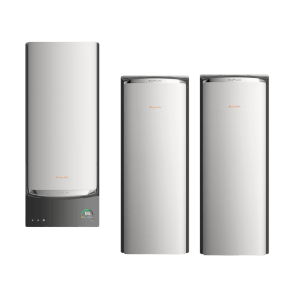
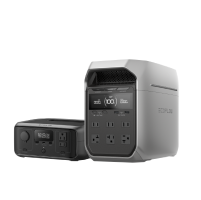
A smart battery backup power system can help households keep essential functions running during emergencies. Portable power solutions such as the EcoFlow Ocean Pro can give additional emergency support. It is a whole-home on-grid energy storage system that combines solar, grid, generators, and EV charging into one backup ecosystem. At its core, it provides an incredible 24kW of continuous AC output capable of powering an entire home at once, including heavy loads such as multiple air conditioners, EV chargers, pumps, and fridges.
On the energy storage side, the system is designed to be highly scalable, starting at about 10kWh of battery storage and expandable up to 80kWh. This modular expansion is particularly useful for Louisiana homes that may face multi-day or even week-long outages after major storms.
Conclusion
We hope you now know when is the hurricane season in Louisiana. Seasonal forecasts can tell us something about the general level of activity, but they can't tell us where the next destructive hurricane will hit.
Preparation is still the best defense for Louisiana residents against the threat of hurricanes. Families can more safely respond and recover more quickly from severe weather events by building emergency kits, reviewing evacuation plans, protecting important documents, and preparing backup power solutions before storms form. So, why wait? Request a consultation today and stay powered up even during long power outages in hurricanes.
Get Your Free Home Energy Consultation!
Which energy solution are you interested in?
FAQs
How long does hurricane season last in Louisiana?
Hurricane season in Louisiana lasts for six months, starting June 1 and ending November 30 each year. This is during the Atlantic hurricane season, when ocean temperatures become warm enough for tropical storms to form over the Gulf of Mexico and Atlantic basin.
What month has the most hurricanes in Louisiana?
September is usually the most popular month for hurricanes in Louisiana, but August is also a very active month. That is when the waters of the Gulf of Mexico are at their warmest and can provide storms with energy to intensify rapidly. And atmospheric conditions are more favorable for the development and intensification of hurricanes, which raises the chances of landfall on the Gulf Coast.
Is Louisiana at risk for hurricanes?
Yes, Louisiana is one of the most vulnerable hurricane-prone areas in the U.S., due to the state’s long Gulf of Mexico coastline and the low-lying nature of much of the state. Storms moving into the Gulf often have the chance to quickly intensify just before landfall, and the state’s flat topography leaves it especially vulnerable to storm surge and inland flooding.
Can hurricanes happen outside the official season?
Hurricanes and tropical storms are rare, but can sometimes develop outside the official June – November season when ocean temperatures and atmospheric conditions are favorable. These off-season storms are usually weaker or short-lived, but can still be dangerous if they move toward land.
How should families prepare for extended outages?
Louisiana hurricanes can take out power for days or weeks, so families should plan for the possibility of extended outages by planning for basic survival needs and long-term comfort. This means having enough food and water, flashlights, batteries, and first aid supplies on hand, and ready access to needed medications. Communication planning is also important, so family members can stay in touch if the cell service or internet access becomes unreliable.

