
When Is Hurricane Season in Georgia? Prepare Your Home for Storms
Coastal towns face unpredictable weather every single year. Because of this, residents often ask when hurricane season is in Georgia to protect their homes. Heavy rain brings sudden floods to neighborhood streets. High winds easily knock down old oak trees. These massive storms often break the local power grid.
When the grid fails, entire neighborhoods can be plunged into darkness for days on end. Before that happens, go and prepare with us. This comprehensive guide walks you through the timeline of a major storm, shares expert safety tips, and shows you exactly how to fortify your home before the dark clouds roll in.
Understanding the Hurricane Timeline in Georgia
To truly protect your house, you must know the storm calendar. The weather does not turn bad in one single day. The risk levels increase rapidly during certain months. If you know these weather patterns, you will not panic. You will not have to rush to empty grocery stores at the last minute.
The official Atlantic storm window
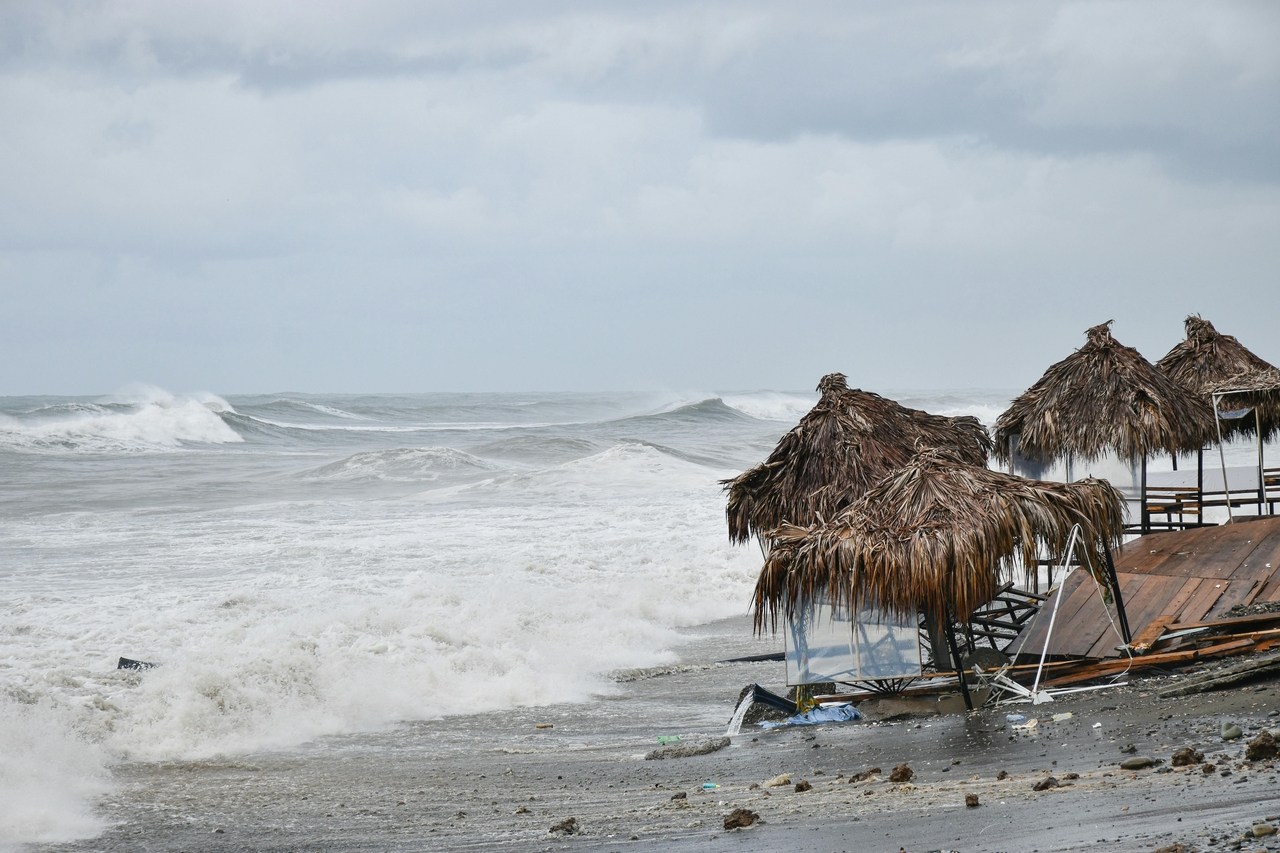
The calendar window for tropical activity across the Atlantic basin officially runs from June 1 through November 30.
During this six-month period, atmospheric criteria align to generate systems that can quickly move toward the southeastern coastline. The Atlantic basin includes the Atlantic Ocean, the Caribbean Sea, and the Gulf of Mexico. During the summer months, the water in these areas gets very warm. Warm ocean water acts like fuel for tropical storms. As the storms move across this warm water, they gather a lot of moisture and wind speed. By the time they reach coastal cities, they can become massive, destructive forces.
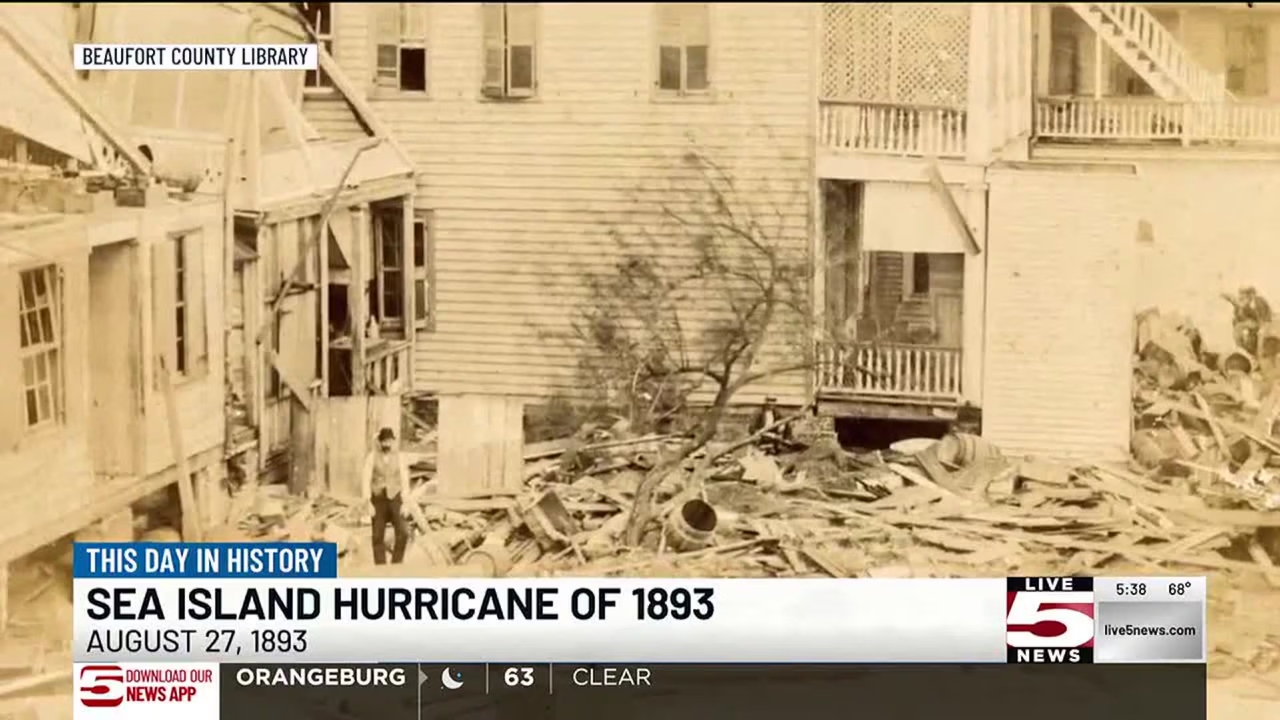
Historically, Georgia has seen some terrible storms. The 1893 Sea Islands Hurricane was a massive Category 3 storm. It pushed a 16-foot (4.9 m) storm surge right into Savannah. In 1898, a terrifying Category 4 storm hit Brunswick. These past events teach us a major lesson. You must get your house ready early in the year. Do not wait for a dark cloud to appear before gathering your power outage supplies. Your safety depends entirely on acting before the wind starts blowing.
Essential Family Emergency Planning
Waiting until the sky turns dark is a terrible idea. You need to map out your plans on a bright, sunny day. The roads are clear right now. Your mind is calm and focused. The grocery stores still have plenty of food on the shelves.
Utilizing local emergency management resources
Check the Chatham Emergency Management Agency (CEMA) website for local risk guides and emergency alerts. Knowing your specific coastal evacuation zone is essential. If officials call for an evacuation, leaving promptly prevents getting trapped in gridlocked traffic. Keeping the gas tank at least half full throughout the season is another smart habit, as fuel stations often run out of supply or lose power during a crisis.
Tracking localized paths and hurricane alerts
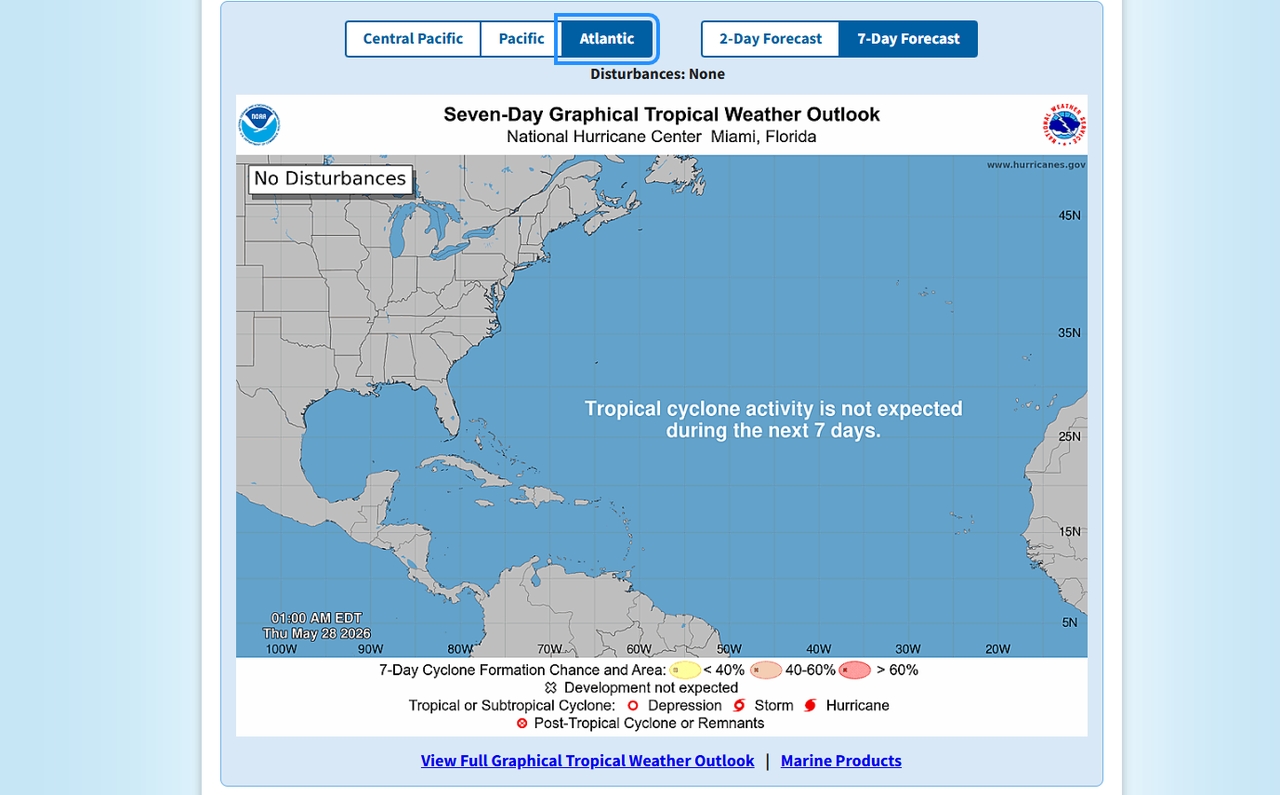
Understanding how to interpret emergency broadcasts and storm-tracking charts helps prevent confusion during sudden landfalls. Georgia residents should actively monitor localized meteorological paths through the Chatham Emergency Management Agency (CEMA) and the National Hurricane Center. Meteorologists use advanced satellite technology to track these storms. They issue important updates every few hours.
Knowing the strict difference between a hurricane watch and a hurricane warning dictates exactly when to secure the home and when to begin moving along established evacuation routes. A hurricane watch means storm conditions are possible within 48 hours. A hurricane warning means hazardous winds are expected within 36 hours. Make sure your cell phones are set to receive loud emergency alerts. A reliable weather radio powered by batteries is also a great tool to keep in your emergency kit.
Maintaining Essential Household Functions and Infrastructure
Your home is your primary shield against severe weather. Fortifying structural weak spots now prevent catastrophic roof failures during high winds, saving you from devastating damage and costly emergency repairs down the road.
Hardening structural vulnerabilities
Clean the dirt out of your gutters so rain can drain safely. If water backs up, it ruins your attic. Cut down weak branches that hang near your windows or power lines. Secure your garage door with strong metal braces to prevent the roof from tearing off. Bring outdoor chairs and trash cans inside. Never use tape on windows; use real storm shutters or thick wood boards instead.
Safeguarding critical utility operations
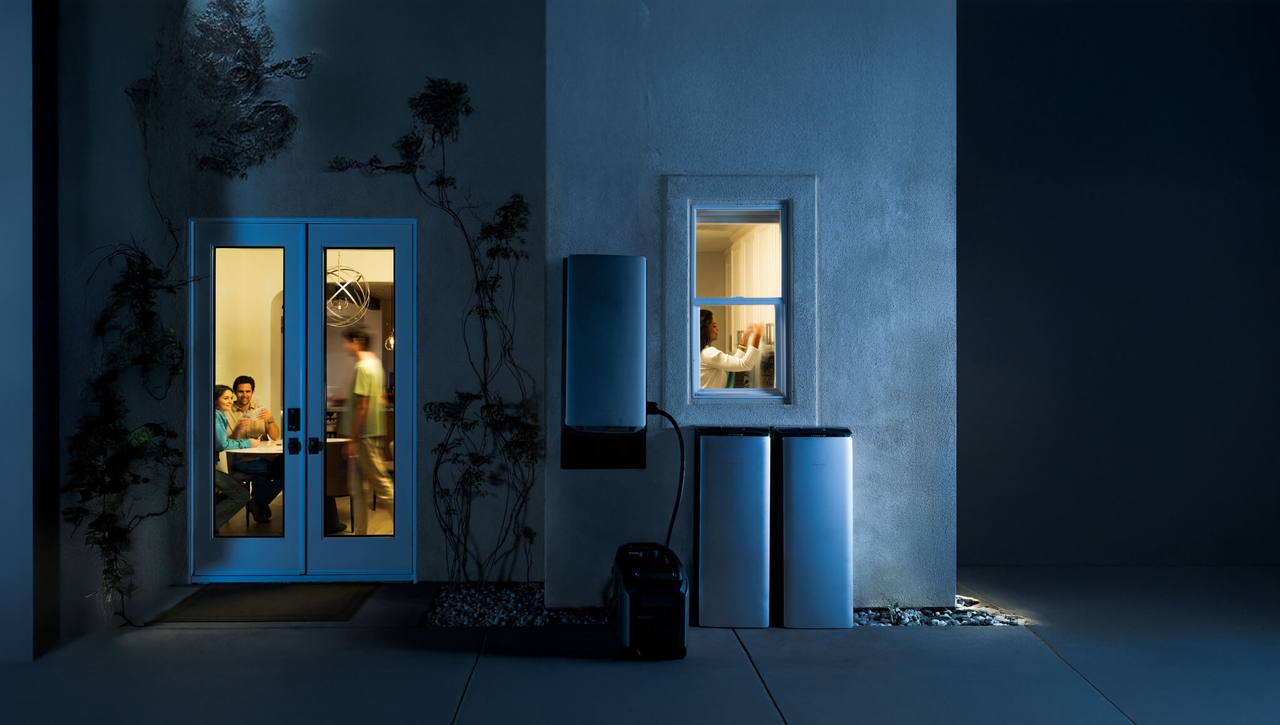
Severe weather often snaps power poles and floods underground infrastructure, leading to prolonged grid failures. To maintain essential household functions and ensure consistent power, upgrading to a clean, reliable home energy system offers the best protection against these outages. The EcoFlow OCEAN Pro helps families during bad outages. It delivers 24kW of continuous power, which is strong enough to keep heavy appliances running throughout an outage. This covers big things like deep well pumps. It easily runs electric water heaters. It even powers large central air conditioning units without struggling. The system also functions safely in harsh conditions ranging from -4°F to 140°F (-20°C to 60°C). It gives you reliable power no matter how hot or cold it gets outside. This guarantees complete safety for your family.
Managing potable water and food safety
Store at least 1 gallon of fresh drinking water per person per day for up to 2 weeks. Keep non-perishable, nutrient-dense foods like dried beans, canned vegetables, and protein bars highly accessible. During power losses, keep your refrigerators completely closed to stop food spoilage.
Uncertain about which appliances are critical to keep running during severe coastal blackouts? Request a consultation with our technical specialists today to configure an emergency power framework customized for your property.
Post-Storm Safety Protocols and Property Recovery
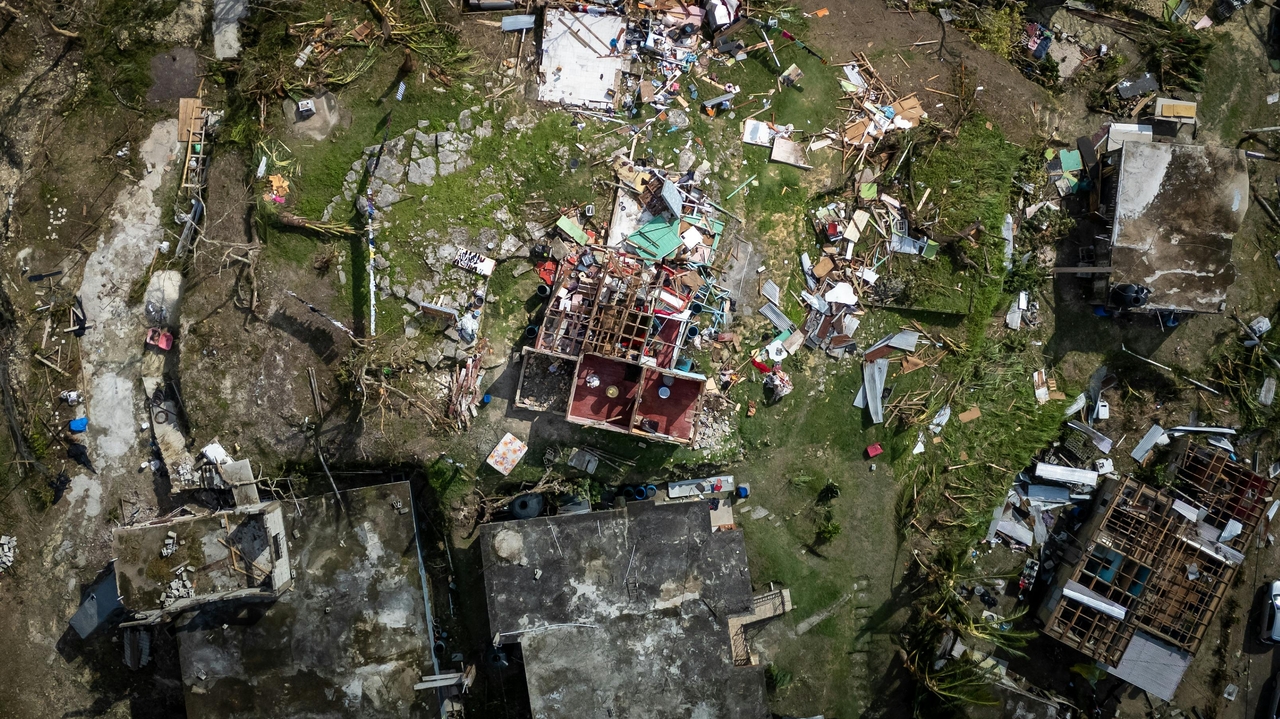
The scary storm might pass, but the danger stays behind. The days right after a hurricane are very risky. Hidden traps are everywhere in your neighborhood.
Observing official municipal clearance
Never attempt to travel back into impacted neighborhoods until emergency management teams declare the area safe. Early re-entry can block utility repair crews and endanger families due to hidden infrastructure vulnerabilities. Roads might look perfectly clear from a distance, but standing floodwaters can hide massive sinkholes or sharp metal debris. Traffic lights will likely be out, which makes intersections very dangerous. Be patient and wait for the official green light from local government officials before you pack your car to head home.
Inspecting for structural and environmental hazards
Approach damaged structures with extreme caution. When the storm finally passes, the danger is definitely not over. Many people get hurt during the cleanup process. Check exterior walls for shifts, avoid contact with standing floodwaters, and stay far away from dangling utility wires. Water left behind by a hurricane often contains toxic chemicals, raw sewage, and dangerous bacteria. Wear heavy boots and thick gloves when you walk around your property.
Report any fallen infrastructure to local emergency teams immediately. Check your house for gas leaks. If you smell something that resembles rotten eggs, leave the house immediately and call the fire department. Look at your roof from the ground to see if any shingles are missing, but never climb onto a wet or damaged roof yourself. Be very careful around fallen trees because they might be hiding active power lines.
Conclusion
Knowing when hurricane season is in Georgia is just the very first step in keeping your family safe. From the beginning of June through the end of November, the threat of severe weather requires ongoing vigilance. By preparing your property, building a robust emergency kit, and securing reliable alternative power, you can face the storm season with confidence.
Best of all, do not wait for a hurricane warning to start gathering your supplies. The stores will be empty, and panic will make it hard to think clearly. Take logical action now to ensure your home is fully ready for whatever nature brings to the southeastern coast. A well-prepared household is a safe household.
Get Your Free Home Energy Consultation!
Which energy solution are you interested in?

FAQs
When is hurricane season in Savannah Georgia?
The season in Savannah officially runs from June 1 to November 30. The highest peak risk usually happens in late August and September. Since severe storms often cause long local blackouts, installing an EcoFlow OCEAN Pro battery ensures your home's lights stay on seamlessly.
What is the best month to go to Savannah, Georgia?
The absolute best time to visit Savannah is from March to May, when the weather is warm and beautiful flowers are blooming. Visiting in the spring helps you completely avoid the intense humidity and the peak hurricane risks associated with the late summer months.
How should I prepare my home for a hurricane?
You should secure your roof, clear your gutters, and board up your large windows properly. Always have an emergency power plan in place. For instance, an EcoFlow OCEAN Pro can run your heavy HVAC systems effortlessly if high coastal winds knock out the municipal power grid.
How often do hurricanes hit Georgia?
Georgia rarely takes direct hits from massive major hurricanes compared to Florida, but it frequently experiences severe weather and heavy flooding from passing storms. Historically, the state feels the destructive impact of a tropical cyclone every few years.
What are the emergency supplies needed for a hurricane?
A solid emergency kit needs clean drinking water, non-perishable food, flashlights, a first-aid kit, and plenty of extra batteries. It is also smart to keep your phones fully charged using a reliable home backup battery system to ensure you always receive critical emergency alerts.

