
Building The Ultimate Power Outage Supplies Kit For Your Family
When the grid goes down, your home's comfort and safety depend entirely on your preparation. While some blackouts last only a few hours, severe weather can leave neighborhoods in the dark for days. Having the right power outage supplies on hand—ranging from non-perishable food to a reliable home battery—ensures your household remains secure. In this checklist, we will cover the essentials recommended by emergency management experts and seasoned preppers to help you navigate any unexpected outage with confidence.
A Few Hours – Short Outage Essentials
Most power outages are brief. They might happen due to a blown transformer or a quick summer storm. Even for a short disruption, you need immediate access to basic items. You do not want to stumble around in the dark.
Quick Snacks and Hydration
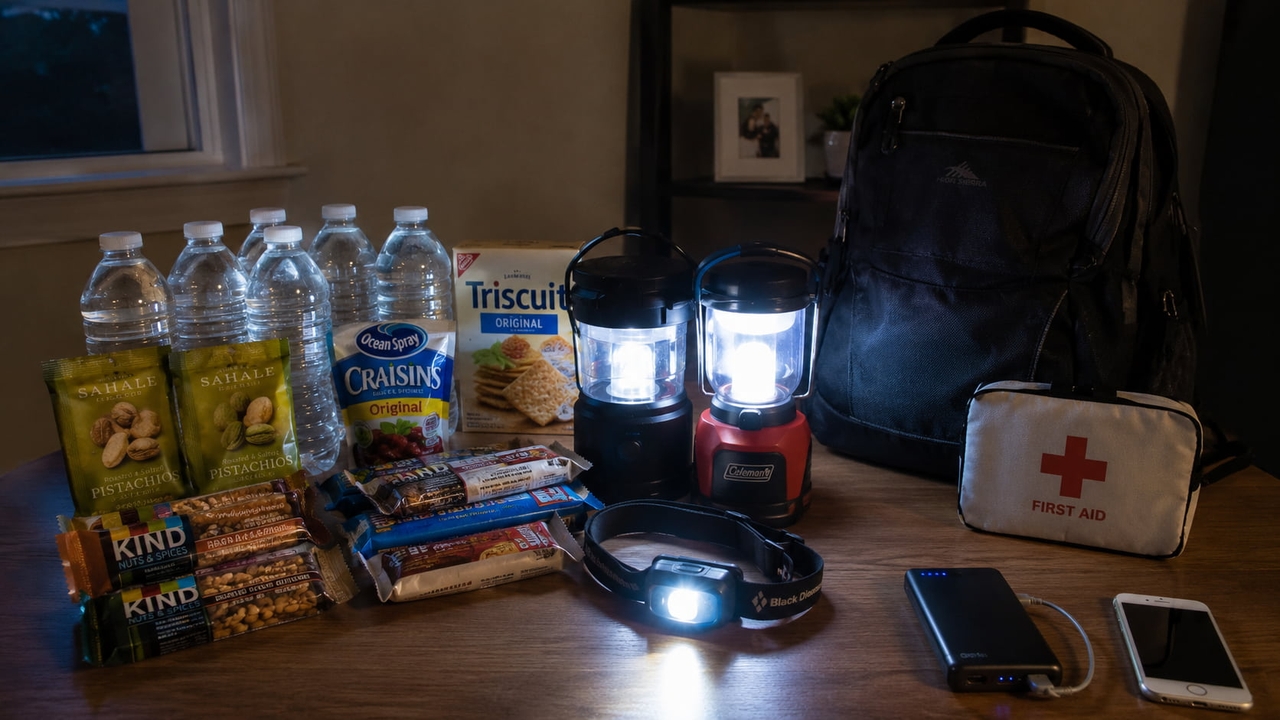
First, you need immediate access to food and water. You should not have to open the refrigerator during a short blackout. Opening the fridge lets the cold air escape.
Instead, keep a stash of bottled water right in your pantry. Pair this with ready-to-eat snacks. Great options include energy bars, mixed nuts, dried fruit, and crackers. These items require zero cooking. They are perfect emergency supplies for power outage situations. You can grab them instantly to keep everyone's energy up. Having a solid plan and knowing exactly what to do when the power goes out keeps your family calm while you wait for the utility trucks to arrive.
Safe Lighting
Next, you must address visibility. Keep LED headlamps and battery-powered lanterns easily accessible. Store them in a place where you can find them by touch. Headlamps are incredibly useful because they keep your hands free. You can safely walk down stairs, check your breaker box, or comfort your kids.
We strongly advise against using candles. Candles look cozy, but they are a massive fire risk. If a candle gets knocked over in the dark, a simple power outage can quickly become a life-threatening emergency. Stick to battery-powered LED lights.
Fridge Management
This is a critical rule: keep the refrigerator and freezer doors closed. An unopened refrigerator will keep food safely cold for about four hours. A full freezer naturally holds its temperature for a prolonged period. It can stay freezing for up to 48 hours if left completely unopened. Every time you peek inside, you lose hours of safe cooling time.
Staying Informed
Information is just as important as physical supplies. You need to know when the power will return. Highlight the importance of fully charged portable power banks. Keep one or two power banks plugged into the wall at all times. When the grid drops, these banks will charge your smartphones. This allows you to monitor local weather updates, read alerts from your utility company, and stay connected with loved ones.
72-Hour - Survival Kit
When a brutal storm hits, power lines often take a beating. Fixing them takes time. That means you need to be ready to live without grid power for at least three days. Experts call this the standard 3-day survival baseline. To get through it safely, you need a dedicated emergency supply kit for power outage events.

Water and Food Storage
Let's start with water. It is your absolute top priority. Plan to store at least 1 gallon (3.8 L) of water per person per day. This covers both drinking and basic hygiene. Got pets? They need their own daily water ration, too.
Next, look at your pantry. Stock up on easy-to-cook, non-perishable food. Think canned soups, veggies, and tuna. Peanut butter works great because it packs a lot of calories. But here is the catch. Remind yourself to pack a manual can opener. Seriously. All those cans are completely useless if you can't open them.
Health and Hygiene
Power outages often slow down emergency responders. Fallen trees or deep snow can block roads completely. Because of this, you have to be ready to handle minor health issues yourself at home. You need a mix of a comprehensive first aid kit, a solid 7-day supply of prescription medications, and basic sanitation supplies.
First Aid Kits
You need a real first aid kit. A few loose band-aids won't cut it. Stock up on proper bandages, antiseptic wipes, and burn cream. Toss in some pain relievers, too. If someone gets a minor cut or burn, you want to treat it quickly and safely while waiting for roads to clear up.
Medication Management
Always keep a 7-day backup of your essential prescription medications. Never let your pill bottles run completely empty. Also, think about how to store them. Things like insulin need to stay cold. Keep them stored safely in a closed fridge at first. If the power stays off past day one, move them straight into a small cooler packed with ice.
Dry Hygiene
Staying clean keeps everyone healthier and happier. But if well pumps fail or city water pressure drops, showering is out of the question. You don't want to waste your drinking water on washing up. Instead, buy plenty of wet wipes and hand sanitizer. You can actually take a quick "dry shower" with baby wipes to stay clean and comfortable.
Alternative Waste Disposal
Nobody likes talking about this next part. Still, it is hugely important. If the water supply stops, flushing the toilet becomes impossible. What then? You need an alternative waste disposal plan. Buy some heavy-duty garbage bags and duct tape. You can safely line your toilet bowl with a thick bag. Once it is used, tape it shut tightly. This simple trick keeps your home sanitary and stops bad odors during a prolonged crisis.
Specific Family Needs
Finally, look at your own household. Tailor your emergency supplies power outage kit to match what your family actually uses. People forget the specific, localized stuff all the time. Got a baby? Grab extra baby formula and diapers. Make sure to pack feminine hygiene products.
If you want to explore reliable energy systems that pair perfectly with a solid survival kit, check out these home battery backup power solutions.
1 Week – Power Backup Solution
Sometimes, infrastructure failures are catastrophic. A major hurricane, a massive blizzard, or a grid failure can cause outages lasting a week or more. For these rare but serious events, you must combine extended food prep with robust home energy solutions.
Deep Pantry Storage
For a one-week timeline, you need deep pantry storage. This means building a rotating stockpile of dry goods. Stock up on large bags of rice, dried beans, and pasta. Consider buying dehydrated meals or freeze-dried camping food. These meals have a shelf life of up to 25 years. They can sustain a family for weeks without grid reliance. You just need a camp stove to boil water.
Water Purification
Over a week, even a large stockpile of bottled water will run out. Also, municipal water supplies can become compromised over time. Boil-water advisories are common after severe floods. Because of this, you must own water filtration systems or purification tablets. A simple gravity water filter can clean hundreds of gallons of tap or rainwater, making it safe to drink.
Home Battery Integration
Food and water are vital, but surviving a week without electricity is incredibly tough. You lose your fridge, your heating, your cooling, and your security systems. This is where you need a true power outage supply list upgrade. For example, you might look into the EcoFlow OCEAN Pro Solar Battery System. It is designed with extended runtime compatibility. Because it is highly compatible with all kinds of generators and EcoFlow portable power stations, a setup like this can keep your home continuously powered throughout the entire week.
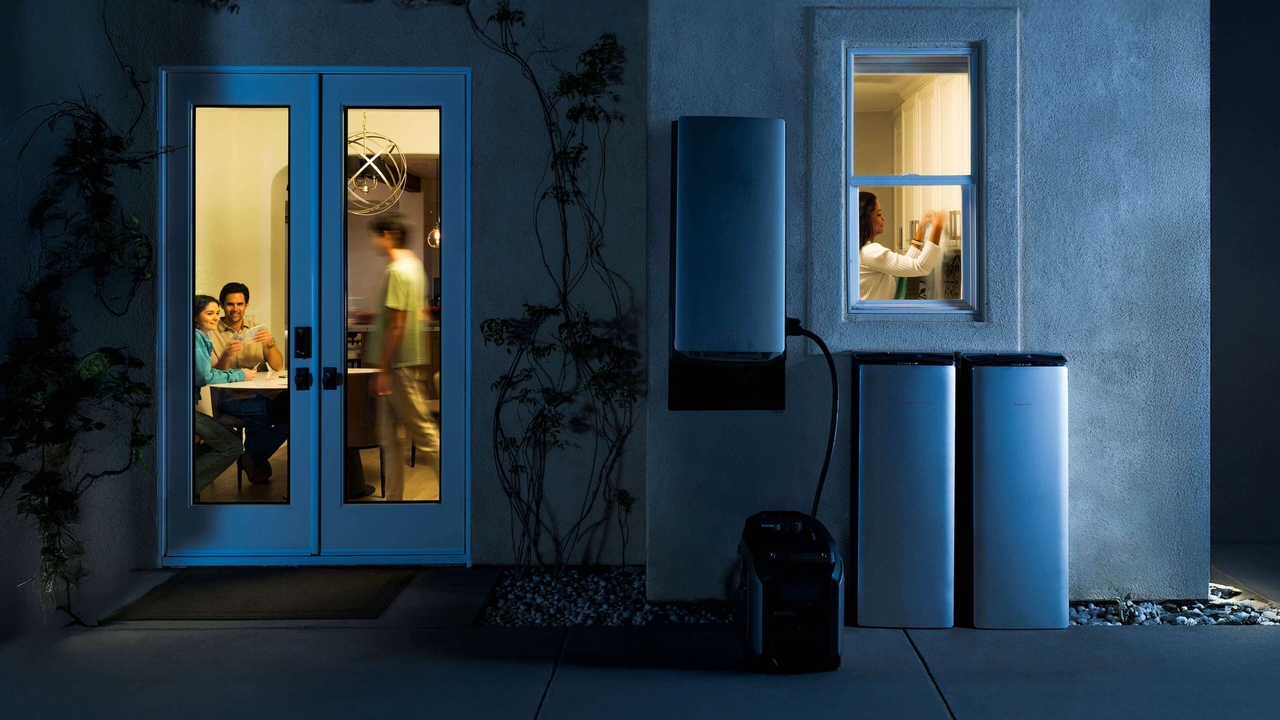
Are you ready to resolve your uncertainty about long-term backup power? We can help you protect your property and keep your family completely safe during the worst blackouts. Request a consultation today to find the perfect energy solution for your home.
Organizing and Maintaining Your Emergency Kit
You have gathered all your emergency supplies for power outages. Now, you must store them correctly. A scattered kit is a useless kit.
Accessibility
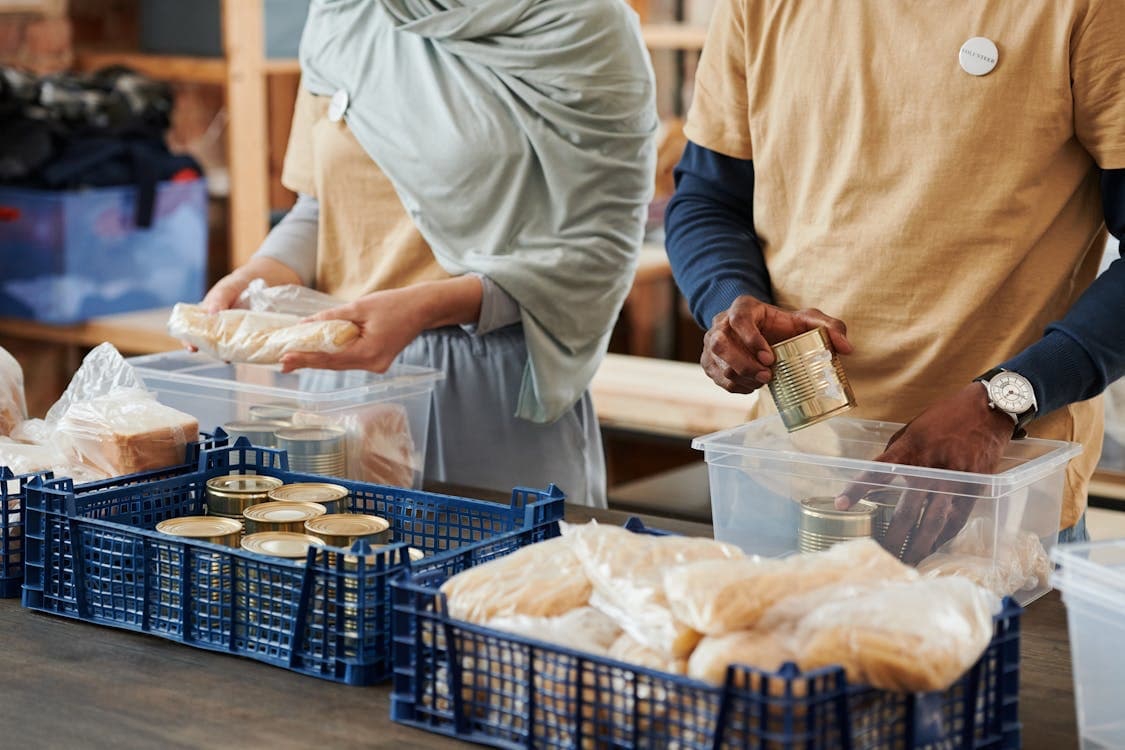
Store all your emergency supplies in a single, easily accessible location. Use heavy-duty, waterproof bins. Clear bins are excellent because you can see exactly what is inside. Keep these bins in a front closet, under the stairs, or in a dry basement. Make sure every adult and teenager in the house knows exactly where these bins are located.
Maintenance Schedule
An emergency kit is not a "set it and forget it" project. You must maintain it. We recommend checking your kit every six months. A great habit is to check your kit on the same day you change your clocks for Daylight Savings Time.
During this check, rotate out any expiring food. Eat the older canned goods for dinner and replace them with fresh ones. Swap out your stored water if it is not commercially bottled for long-term storage. Most importantly, turn on all your flashlights and radios. Test the batteries. Replace any dead batteries instantly to ensure everything functions perfectly when you actually need it.
FAQs
What should be in a 72 hour emergency kit?
A 72-hour kit must include 1 gallon of water per person daily, non-perishable food, a manual can opener, flashlights, extra batteries, a first aid kit, and essential medications. Keep everything in a waterproof bin for quick access.
How do I prepare for a 3 day power outage?
Start by grabbing plenty of water and canned food. Make sure your flashlights actually work! To avoid roughing it, consider a home battery. For instance, the EcoFlow Ocean Pro keeps your lights on and fridge cold without missing a beat.
What supplies should you have if the power goes out?
You need immediate items like LED headlamps, bottled water, and ready-to-eat snacks. For longer outages, include a first aid kit, sanitation bags, and a reliable power bank or home battery backup to keep your vital devices fully charged.
How do you stay warm when the power goes out?
Bundle up in layers and grab those heavy thermal blankets. Shut the doors to empty rooms to trap your body heat. Whatever you do, never bring a gas heater indoors! If you need real heat, a home battery can safely run a small space heater.
How can I keep my fridge running during an outage?
Keep doors closed; an unopened fridge stays cold for about 4 hours. To run it longer, you need backup power. A 10kWh home battery like the EcoFlow Ocean Pro can easily power your fridge for days, saving your groceries from spoiling.

