
When Is Florida Hurricane Season? Expert Readiness Steps To Take
Wondering when the Florida hurricane season is and how to protect your home from bad weather? With wild storms hitting the East Coast every year, early preparation remains a necessity. Waiting for an emergency warning on the local news often leaves too little time to act. Once a tropical system approaches the coastline, grocery store shelves empty out, gas stations run dry, and major highways quickly turn into parking lots.
Proactive readiness provides vital protection for families and properties. Gathering survival supplies well in advance and securing a reliable home solar battery ensure that critical household systems keep running. This article breaks down the exact timeline of the storm season, outlines practical steps for property safety, and explores methods for maintaining power during extended grid failures.
What Are the Exact Dates for Florida's Hurricane Season?
Understanding the Peak Threat Months
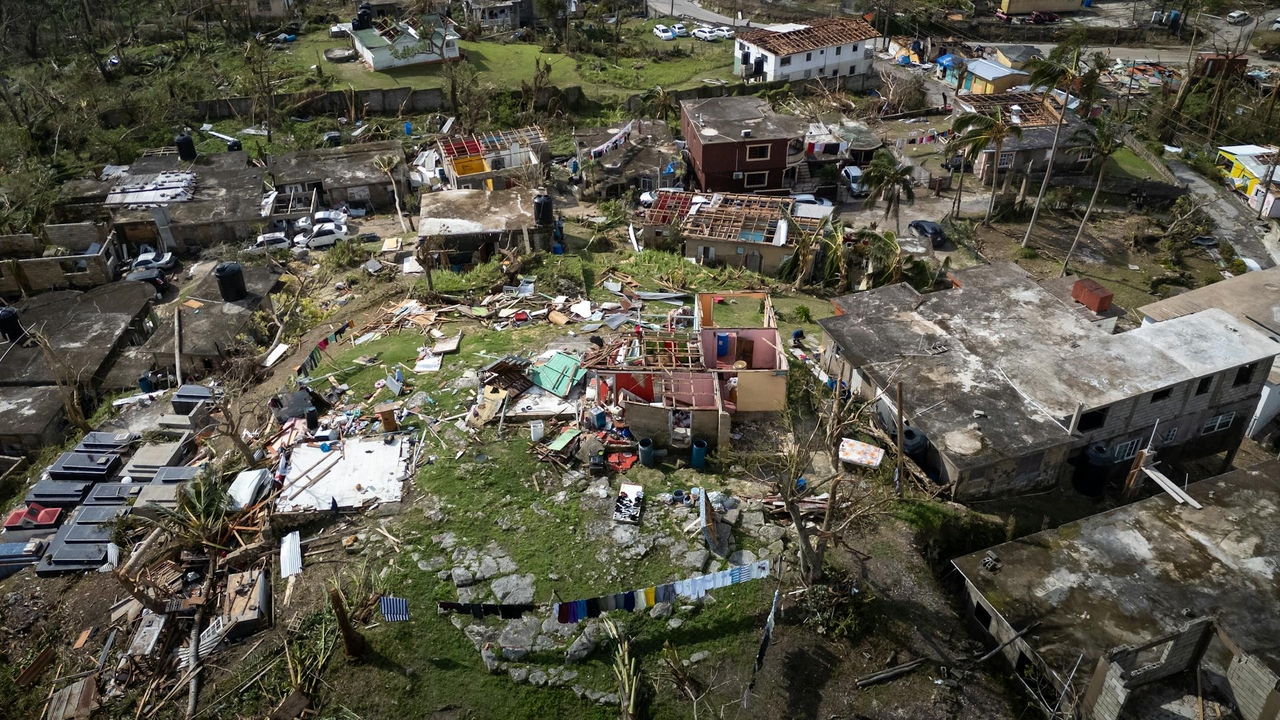
The season officially begins on June 1. It ends on November 30. Storms can form at any point during this time. However, the most dangerous period is much shorter. The most intense tropical activity happens between mid-August and late October. Ocean waters reach their top temperatures during these late summer months. This warm water acts like fuel. It allows small tropical depressions to quickly grow into huge hurricanes. Knowing this timeline helps you finish your major plans early. This ensures you never scramble to figure out what to do when the power goes out in the middle of a storm.
Worst Hurricanes in Florida History
Past storms prove why you must prepare. We must look at the past to understand the massive risks. The 1935 Labor Day Hurricane remains the strongest storm ever to hit the U.S. in terms of pressure. Years later, Hurricane Andrew struck the southern coast in 1992. It destroyed over 25,000 homes. Hurricane Michael hit the panhandle in 2018. It landed as a catastrophic Category 5 storm. These examples prove a scary fact. Intense Category 5 storms can wipe out coastal towns in just a few hours.
3 Early Preparation Strategies Before the Storm Hits
Waiting until a storm is on the evening news is a huge mistake. Authorities might issue a hurricane watch. By that time, hardware stores are sold out of plywood. You need to tackle your property defense long before the dark clouds form. You also need to finish your structural paperwork early.
Securing Your Property and Windows
Your home's exterior is the shield that protects your family. Installing storm shutters, trimming large overhanging trees, and securing outdoor furniture before high winds arrive are critical steps. Heavy tree branches can easily snap and crush your roof under intense pressure. Unsecured lawn chairs and garbage cans turn into dangerous projectiles when winds exceed 100 mph (160 km/h). If you do not have permanent storm shutters, you need to buy and pre-cut thick plywood for your windows well before a storm forms. Building a reliable home energy ecosystem and securing your physical property go hand-in-hand for total resilience.
Reviewing Homeowners Insurance Policies
Financial protection is just as critical as boarding up your windows. You should check your flood and wind coverage limits in the spring. Do this well before a named storm nears the state. Things change once a hurricane watch is officially issued. Insurance companies place a strict hold on new coverage. This means policies typically cannot be altered once a watch is active. For example, adding flood protection right before landfall is simply not an option. Contacting an insurance agent early, for instance, in May, allows plenty of time to thoroughly review deductibles and specific coverage limits, like wind damage caps.
Monitoring Real-Time Weather Alerts
Information moves very fast when a storm gets close. Downloading reliable weather apps, like the FEMA app, keeps residents informed on the go. Bookmarking official tracking websites on a smartphone, such as the National Hurricane Center and FloridaDisaster.org, provides a direct line to accurate data. Relying solely on social media for emergency updates often leads to dangerous misinformation. Having quick access to the latest warnings and tracking real-time hurricane routes allows for much smarter exit decisions as the storm grows.
Managing Household Energy Needs During Extended Outages
The most immediate result of a hurricane is the total loss of grid electricity. Widespread power failures always accompany coastal storms. Building a solid home energy management plan makes handling these long blackouts much easier. When the grid fails, daily routines shift entirely toward conservation. Managing whatever power remains inside the home quickly becomes the top priority.
Protecting Electronics from Power Surges
When the power finally comes back on, it rarely returns smoothly. Advise readers to unplug sensitive electronics, televisions, and major appliances immediately after the power goes out. This crucial step prevents expensive equipment damage from unpredictable, massive power spikes when the municipal grid is suddenly restored. Wait about ten minutes after the lights come back on before you start plugging your expensive devices back into the wall.
Maximizing Cold Storage Efficiency
Food spoils very fast in the hot Florida climate. Explain the vital importance of keeping fridge and freezer doors strictly closed during a blackout. Every single time you open the door, you let cold air escape. An unopened fridge will keep food safely cold for about four hours. Meanwhile, a tightly packed freezer can maintain its temperature for up to 48 hours. This simple habit cuts food loss without drawing any electrical power.
Sustaining Vital Communication Devices
Smartphone is the primary lifeline to rescue services. It connects you to distant family members. Highlight the need to conserve power on smartphones and emergency radios. Advise everyone to switch phones to low-power or airplane mode right away. Dim the screen brightness all the way down. Rely on small, pre-charged portable power banks or hand-crank chargers. This ensures your devices stay alive so you can get critical weather updates.
Implementing Infrastructure-Grade Backup Solutions
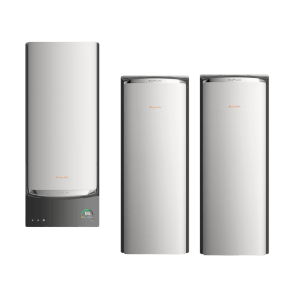
Relying solely on the weak city grid is a bad idea. Switching to a high-capacity residential battery ecosystem prevents major issues. It offers complete protection against long grid failures. For example, the EcoFlow OCEAN Pro solar battery system provides serious backup power. It delivers 24kW of continuous output and an impressive 205A LRA. This massive output can simultaneously power heavy appliances like two 5-ton HVAC units to keep your house cool.
Unsure how much backup capacity your home needs for hurricane season? Request a consultation with our energy experts to build a tailored power security plan for your household.

Get Your Free Home Energy Consultation!
Which energy solution are you interested in?
Essential Post-Storm Recovery and Safety Protocols
Surviving the high winds is only the first part of the fight. Many severe injuries actually occur in the days right after a hurricane, typically due to unsafe cleanup actions. Focusing entirely on immediate post-storm hazards and prioritizing safety above all else prevents tragic accidents.
Navigating Hazards Around Your Neighborhood
The familiar landscape outside will look totally different after a storm. Following strict safety rules regarding downed utility lines is vital. Assuming a downed wire is dead can be a fatal mistake; treating every fallen wire as if it is live and carrying high voltage saves lives. Avoiding flooded streets is equally important, as murky floodwaters often hide sharp metal, open sewer holes, and displaced wildlife. Remaining indoors and waiting for official "all-clear" signals is the safest approach.
Food Safety and Water Boiling Advisories
Hunger can lead to very poor choices regarding food consumption. Explain the rules for tossing spoiled food from unpowered fridges. The golden rule of post-storm food safety is simple. When in doubt, throw it out. Furthermore, adhering strictly to local boil-water notices acts as a lifesaver that stops severe bacterial infections. Even if the tap water looks perfectly clear, broken city pipes can still push hidden germs into the kitchen sink.
Documenting Property Damage and Assessing Structural Integrity
Do not grab a hammer and start ripping out wet drywall right away. You need to protect your financial interests first. Advise homeowners to cautiously inspect their property. Look for structural issues and natural gas leaks before beginning any major cleanup. If you smell gas, leave the property right away and call for help. Remind everyone to take clear photos and videos of all damage for insurance claims before moving debris.
Conclusion
Knowing when hurricane season is in Florida is only the starting line. True home safety requires careful planning. You must gather robust emergency supplies. You must fortify your home's power setup against grid failures. Respect the peak threat months. Establish a solid family exit plan early in the year. This helps you take total control of your family's safety. Invest your time today in securing your property. Pack your survival kits now and upgrade your energy plan so you can face the storm season bravely.
FAQs
What month is the worst for hurricanes in Florida?
September is historically the worst month for severe storms. The intense tropical activity usually spans from mid-August through late October. Always finish your safety plans well before this window.
How do you prepare for a hurricane in Florida?
Start early by securing your property with permanent storm shutters. Stock a 7-day survival kit. Install a whole-home battery, like the EcoFlow OCEAN Pro, to survive long grid outages.
What are the predictions for the 2026 hurricane season?
Meteorologists predict a highly active 2026 season due to warm ocean temperatures. Regardless of early forecasts, Florida residents must prepare early for potential Category 4 or 5 impacts, as it only takes one severe storm to cause catastrophic damage to your community.
What should be in a hurricane survival kit?
Your kit must include one gallon (3.8 L) of water per person daily, non-perishable food, flashlights, extra batteries, emergency cash, a first-aid kit, and essential physical documents sealed in a waterproof container. Keep it stored in an easy-to-reach location.
Is it safe to use a home solar battery during a storm?
Yes, top-quality home batteries are very safe indoors. The EcoFlow OCEAN Pro features an IP67 rating and handles extreme temperatures (-4°F to 140°F), offering silent power safely.

