
What is Green Energy? Examples, Types, and Benefits Explained
What is green energy and why is it becoming increasingly popular today? It offers a sustainable approach for meeting energy requirements by using replenished resources with lower environmental impact. This guide explores the main types of green energy and their key benefits. It also explains how green energy differs from clean and renewable energy, and how homeowners can use it efficiently with smart storage. A battery backup enables homeowners to store excess solar energy, manage household power, and increase energy independence.
What is green energy?
Green energy primarily refers to energy generated from natural, renewable sources that produce little to no harmful greenhouse gas emissions. Common green energy sources include solar, wind, geothermal, hydropower, and biomass. Unlike fossil fuels, these resources naturally replenish over time and have a lower environmental impact. Green energy plays a crucial role in reducing carbon emissions, leading to a more sustainable energy solution.
The usage of green energy offers practical benefits for homes and businesses. For instance, solar panels enable homeowners to produce their own electricity, whereas battery storage systems can store excess energy for later usage. As renewable technologies become more accessible, green energy is reducing the dependence on traditional power grids and fossil fuels.
How is green energy used in U.S. homes?
Green power energy is quickly becoming popular in U.S. residential homes, particularly through rooftop solar systems and energy-efficient technologies. According to the U.S. Energy Information Administration (EIA), residential small-scale solar capacity reached approximately 40.5 GW in 2025. Plus, this capacity is projected to increase to around 44.9 GW by the end of 2026. Residential small-scale solar generation also continued to grow, reaching approximately 63.3 billion kWh in 2025 and 35.6 billion kWh during the first half of 2026. This depicts the increasing adoption of renewable energy in American homes.
Why is green energy important?
Reduces greenhouse gas emissions: Green energy sources, like solar and wind, produce little to no greenhouse gas emissions. It reduces the environmental impact commonly associated with fossil fuel-based electricity generation.
Reduces dependence on fossil fuels: Renewable sources reduce reliance on traditional fuels, such as coal, oil, and natural gas, for heating and electricity. It also enhances long-term energy security by diversifying energy sources.
Improves air quality: Unlike fossil fuels, several renewable energy sources don't release harmful air pollutants when generating electricity. Thus, cleaner energy helps to decrease pollution and create a healthy living environment.
Lowers long-term energy costs: Although some renewables require upfront investment, they can reduce electricity costs over time. Technologies like solar panels can generate power for decades with relatively low operating costs.
Main types of green energy
Solar energy
Solar energy uses photovoltaic (PV) panels to convert sunlight into electricity for homes, communities, and businesses. It is one of the most widely adopted forms of energy because sunlight is readily and freely available. Excess solar energy can also be stored for use with battery systems. For instance, the EcoFlow OCEAN Pro Solar Battery enables homeowners to store solar energy and use it when required, especially during power outages.
Wind energy
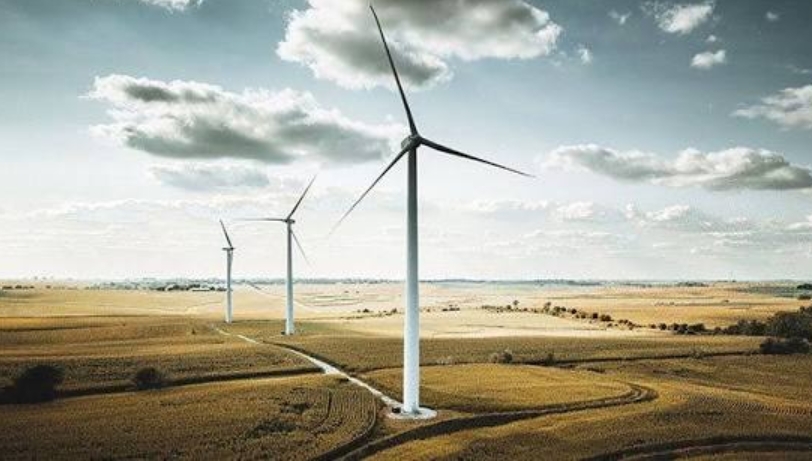
Wind energy generates electricity using turbines that capture the kinetic energy of moving air. As wind turns the turbine blades, a generator converts this mechanical energy into electricity. Wind farms usually operate onshore and offshore, supplying an extensive amount of energy to the grid. It is a great green energy solution, that generates electricity without burning fossil fuels during operation.
Geothermal energy
Geothermal energy uses heat from beneath the Earth's surface for heating, cooling, and electricity generation. Geothermal power plants transform underground heat and steam into usable electricity. In homes, geothermal heat pump systems use stable underground temperatures to provide efficient heating and cooling, making geothermal energy a reliable renewable energy option in suitable locations.
Low-impact hydropower
Low-impact hydropower produces electricity from moving water while minimizing the disruptions to the surrounding ecosystems. Unlike larger dams, smaller run-of-river and carefully designed hydropower projects reduce the adverse impact on natural water flows and wildlife. These systems also offer a consistent source of renewable energy and play a vital role in supporting grid stability.
Biomass and biogas
Biomass uses organic materials such as wood, crop residues, and agricultural waste to produce heat, electricity, or fuel. Biogas is produced when organic matter decomposes without oxygen, creating methane-rich gas that can be captured and used as energy.
Difference between green energy, clean energy, and renewable energy
Green energy: Green energy comes from renewable sources with relatively low environmental impact. Some popular examples of green energy sources include solar, wind, and geothermal energy. The main focus isn't only on renewability but also on decreasing the harmful effects on the ecosystem and environment. Now, you understand what green energy is.
Clean energy: Clean energy refers to energy sources that generate little or no harmful emissions during operation. Solar, wind, nuclear energy, and some forms of hydropower can be considered clean energy. The term mainly focuses on decreasing air pollution and greenhouse gas emissions.
Renewable energy: Renewable energy comes from natural sources that replenish themselves over time. Solar radiation, flowing water, wind, geothermal heat, and biomass are some prominent examples. A renewable source may not always be considered completely green if its adverse environmental effects are significant.
How to use green energy at home with smart storage
While generating green energy is an excellent start, the main challenge is storing and managing it for everyday usage. Solar panels generate electricity mainly during daylight hours, whereas the household energy demand can continue into the evening. Smart home management enables homeowners to make better use of renewable electricity while reducing the reliance on grid power.
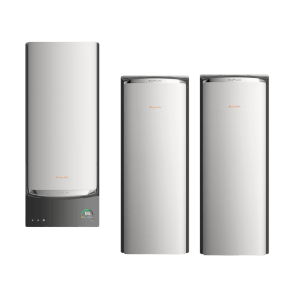
By combining solar panels with a modern home battery system, such as the EcoFlow OCEAN Pro Solar Battery System, homeowners can easily store excess solar electricity for later use. Stored energy helps to power essential household loads when solar production is low or during power outages. In this way, more of the electricity generated by the solar system can be utilized within the home.

Get Your Free Home Energy Consultation!
Which energy solution are you interested in?

Conclusion
In conclusion, this article has discussed in detail what green energy is. It is a cleaner and more sustainable way to meet ever-growing energy needs by using renewable energy sources such as solar, wind, geothermal, hydropower, and biomass. With the right green energy solutions, homeowners can also generate, store, and manage renewable electricity more effectively. For homeowners looking for a better use of solar power, the EcoFlow OCEAN Pro is the most practical energy storage solution. Thus, if you are looking for the ideal way to enjoy energy independence in your home, then be sure to request a consultation with our professional representatives today!
FAQs
What are the 7 main sources of renewable energy?
The 7 main sources of renewable energy include solar, wind, hydropower, geothermal, biomass, tidal, and wave energy. Each utilizes naturally replenished resources to produce electricity or provide heat and fuel. Sustainability and availability vary immensely, depending on the location and application. The EcoFlow OCEAN Pro complements solar energy by storing excess electricity for later use.
What are 5 disadvantages of renewable energy?
The 5 common disadvantages are higher upfront costs, location dependence, intermittent energy production, land requirements, and energy storage challenges. Solar and wind power, for instance, mainly depend on weather conditions and may require batteries to ensure consistent availability. The EcoFlow OCEAN Pro helps address storage challenges by storing excess energy for use when generation is low or during power outages.
What are the best green energy options in Texas homes?
Solar energy is one of the most practical green energy options for Texas homes due to the state's abundant sunshine. Homeowners can also consider battery storage, energy-efficient heat pumps, and other renewable technologies, depending on the property's requirements. The EcoFlow OCEAN Pro Solar Battery System can pair with a home solar setup to store excess energy and provide reliable backup power.

