
Is Solar Worth It In California? Navigating Costs And Advantages
If you live in the Golden State, you know we get plenty of sunshine and rising electricity bills. Many homeowners face monthly utility bills that shock them, prompting the question: Is solar worth it in California?
While making your own power sounds perfect, recent billing rule changes mean the old way of calculating savings no longer works. To figure out if this investment makes sense today, you must look beyond just roof hardware.
Achieving a true return on investment requires treating home energy as a complete ecosystem. For example, adding a reliable home battery backup is now a crucial step for real savings.
In this guide, we break down the real costs, explain how new state rules impact your potential savings, and explore the best ways to protect your home from blackouts.
The Impact of NEM 3.0 on California Solar
The rules for solar energy in California recently underwent a massive change. For many years, the state operated under a system called Net Energy Metering, or NEM 2.0. Under that old system, if your solar panels generated more power than your house used, you sent the excess back to the grid. The utility company would then pay you a great retail rate for it. It was like watching your electric meter spin backward.
Today, things are very different. The state transitioned to a new set of rules called the Net Billing Tariff. Most people in the industry just call this NEM 3.0. This new policy fundamentally changes how you earn credits for your solar energy.
The Shift to Self-Consumption
Under NEM 3.0, the export rates have dropped significantly. This means the utility company pays you much less for the extra power you send them during the middle of the day. The value of exported electricity has dropped by around 70–80% compared to NEM 2.0.
Because of this steep drop, building a system just to sell power back to the grid does not make financial sense anymore. Instead, the focus is now entirely on "self-consumption." This means you need to keep the power you generate on your own property. The most financially viable strategy today is to store your daytime solar power at your house so you can use it later when the sun goes down.
Analyzing the Costs vs. Long-Term Savings
When you are trying to decide if solar is a smart choice, you have to look at two main things. First, look at what you pay for electricity right now. Second, you look at how much you can save over the next ten to fifteen years.
Rising Utility Rates
California has some of the highest electricity rates in the entire country. If you get your power from major utility providers like PG&E, SCE, or SDG&E, you have seen this firsthand. These companies have passed consistent rate hikes onto consumers year after year. Maintaining the massive electrical grid is expensive, and those costs always trickle down to your monthly bill. Because grid power is getting more expensive every single year, sticking with the status quo is a costly choice.
Calculating Realistic ROI
Return on investment, or ROI, is how long it takes for your system to pay for itself. In the past, people calculated this using different incentives. However, to get a realistic number today, you must calculate your savings based on your daily habits.
The real secret to saving money today is shifting when you use your power. The goal is simple: stop pulling electricity from the grid when the utility company charges top dollar. When you cut out that expensive premium power, your investment pays off much faster. By managing energy efficiently, a typical home can usually recoup its initial costs in about 6 to 9 years.
When folks wonder, 'Is solar power worth it in California?' The answer is yes. You just need a system that is actually built to beat these new time-of-use billing rules.
Key Benefits of Going Solar in California
There are many reasons to upgrade your home's power system. The benefits go far beyond just saving a few dollars a month. Let's look at the top five reasons homeowners make the switch.
Shielding Against Volatile Utility Rate Hikes
When you rent an apartment, your landlord can raise your rent every year. Buying electricity from the grid is very similar. The utility company controls the price, and you have to pay it.
Generating your own electricity changes this relationship. It effectively locks in your energy costs for decades. When you produce your own power, you protect your household budget from unpredictable, annual utility price surges. You will know exactly what your energy costs will be this year, next year, and ten years from now. This kind of financial peace of mind is incredibly valuable for families trying to stick to a strict monthly budget.
Securing Energy Independence During Outages
California is famous for its beautiful weather, but it is also known for grid instability. During the hot summer and fall months, the state faces severe wildfire risks. To prevent power lines from starting fires, utility companies frequently use Public Safety Power Shutoffs (PSPS). They will intentionally cut power to entire neighborhoods for days at a time.
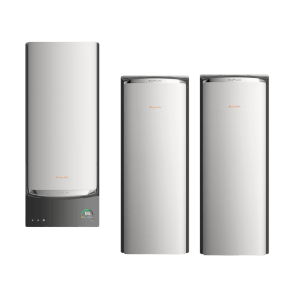
To maintain true independence during these events, you need a way to store your power. Pairing the EcoFlow OCEAN Pro + EcoFlow solar panel as a complete solution ensures your home stays online during multi-day blackouts.
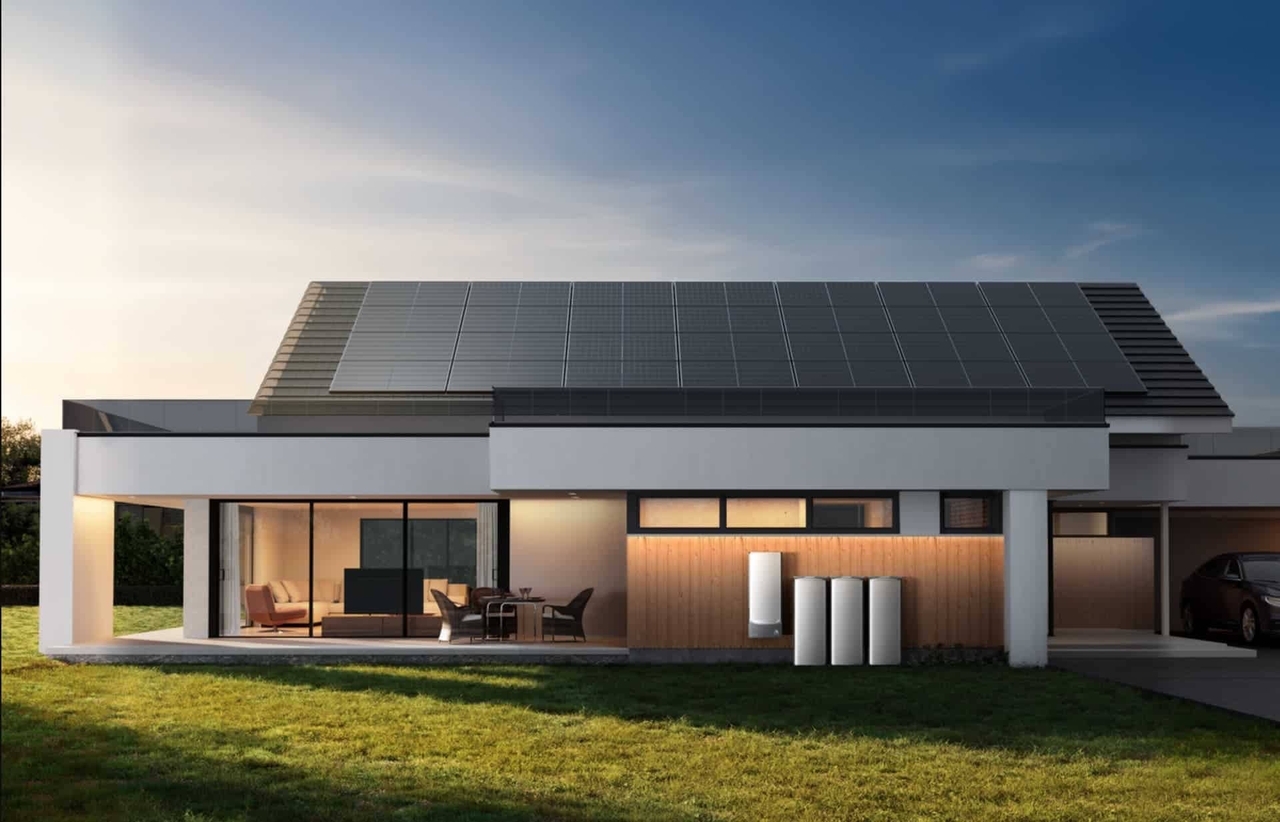
This specific system offers heavy-duty output. It delivers 24kW of continuous power, which easily supports demanding appliances like a 5-ton HVAC unit, your well pump, and your electric oven. It is also highly scalable. You can start with a robust 10kWh per battery module and expand to 80kWh as your household needs grow. Furthermore, it offers proven reliability. It is backed by a 15-year warranty and engineered to operate safely in extreme temperatures ranging from -4°F (-20°C) up to 140°F (60°C).
Are you ready to resolve your uncertainty about home battery backups and secure your home? Request a consultation today to find the perfect energy solution for your family.
Get Your Free Home Energy Consultation!
Which energy solution are you interested in?

Optimizing Time-of-Use Rates Automatically
Utility companies charge you different prices depending on the time of day. This is called Time-of-Use (TOU) billing. Usually, electricity is cheap in the morning. But between 4:00 PM and 9:00 PM, the price skyrockets. This is a massive financial drain because the evening is exactly when your family comes home, turns on the air conditioner, and starts cooking dinner.
Modern systems solve this problem. The EcoFlow setup uses Intelligent Mode to manage your power. This feature automatically shifts your stored energy consumption to off-peak hours. It releases your stored battery power during that expensive evening window, maximizing your savings without you having to push a single button. You can even watch this happen in real-time using the EcoFlow PowerInsight 2 monitor on your wall.
Increasing Permitted Property Value
Many homeowners wonder what happens to their investment if they decide to move. The good news is that home upgrades add value to your property.
When you install a fully permitted, legally recognized solar and storage system, you generally increase your home's market value. Buyers love the idea of moving into a house with low electricity bills. A modern, safe, and professional setup makes your house stand out in the real estate market and appeals strongly to future buyers.
Significantly Reducing Your Carbon Footprint
Finally, we cannot ignore the environmental impact. The traditional power grid still relies heavily on fossil fuels like coal and natural gas.
When you shift away from grid power and start generating your own clean energy, you significantly reduce your carbon footprint. You are taking a direct, personal step to help the environment. You get to run your air conditioning, charge your electric car, and wash your clothes using pure, renewable sunshine.
Final Verdict: Does Solar Make Sense for You?
After looking at all the facts, is it worth getting solar in California? The answer is a clear yes, but with a few conditions.
The days of just slapping a few panels on your roof and seeing your bill disappear are over. Today, success requires a holistic home energy approach. It requires professional installation by a certified electrician to ensure your system is safe and up to code. It also requires proper sizing based on your specific local utility rates and your family's daily habits.
If you take the time to plan your system correctly and focus on keeping the power you generate at home, the investment is absolutely worth it. You will protect yourself from rising costs, keep your lights on during shutoffs, and add lasting value to your property.
FAQs
1. Is solar still worth it in California under NEM 3.0?
Yes. While NEM 3.0 reduced export rates, the investment remains highly valuable. Storing your own energy protects your home against soaring utility rates and evening price spikes, ensuring long-term financial savings.
2. How long does it take for solar panels to pay for themselves in California?
The payback period usually ranges from 6 to 9 years. This timeline depends on your local electricity rates and how well you manage your daily power usage to avoid expensive evening utility charges.
3. Do I need a battery with my solar panels in California?
Yes, a battery is highly recommended now. Without one, you sell energy at low rates and buy it back at premium prices. A system like the EcoFlow OCEAN Pro keeps your power at home to use at night.
4. Are there hidden costs to installing solar in California?
You have to look past just the panels and the labor. Your roof might need a quick repair first, or your home's electrical panel could need an upgrade. Don't forget about local city permit fees, either. A good installer will point these extras out on day one, so you never get hit with surprise bills.
5. How much does the average solar system cost in California?
Costs vary widely based on your system size and home needs. Typically, installations range from $15,000 to $25,000 before adding storage. Always request a professional consultation for an accurate quot

