
Should I Still Get Solar for NEM 3.0? What California Homeowners Need to Know
If you own a larger home in California, solar can still make financial sense under net metering 3.0. What changed is the value of the electricity your system sends back to the grid. A roof that produces strong midday output may still leave you buying costly evening power. For many high-usage households, the better strategy now is pairing solar with home battery storage so more of that energy stays available when your home actually needs it.
Why NEM 3.0 Changes the Value of Going Solar
The biggest change under net metering 3.0 is timing. New solar customers who entered the current billing structure after the rule change now face a market where the value of exported electricity is often lower than the price of electricity pulled from the grid later in the day. For larger homes, that shift can change the entire savings profile.
A few years ago, many homeowners could install solar panels, export extra power in the middle of the day, and still see strong financial results without adding a battery. That was one of the biggest strengths of the earlier market. Today, the same roof may produce plenty of solar, yet the return depends much more on when that energy is used.
That is why the new conversation is less about total production alone and much more about load timing. If your home uses a lot of electricity in the late afternoon and evening, your system design needs to reflect that reality from the start.

NEM 2.0 Vs NEM 3.0 Rates: What Changed for Solar Exports
When homeowners compare NEM 2.0 vs NEM 3.0, they are really asking one practical question: why does the same solar system look less attractive today if it exports too much daytime power? The answer comes down to export credits and how they interact with household demand.
The simplest way to understand NEM 2.0 vs NEM 3.0 rates is to look at the role of exported electricity:
Topic | NEM 2.0 | NEM 3.0 |
Export value | Stronger bill credit for extra daytime solar | Lower and time-sensitive export credit |
Best system style | Solar-only could still work well | Solar plus storage usually has a stronger fit |
Main savings driver | High annual production | High self-consumption and better timing |
The key point in NEM 2.0 vs NEM 3.0 rates is that exported solar no longer carries the same weight it once did. For a high-usage home, this is a major difference. A large house can send cheap power out at noon, then buy expensive power back in the evening when cooling, cooking, lighting, and daily routines all peak at once.
This is also why NEM 2.0 vs NEM 3.0 matters most for families with heavier electric use. Smaller homes may still find solar-only acceptable. Larger households usually need a sharper plan.
Can Solar Still Save Money Without a Home Battery Under NEM 3.0?
Yes. Solar can still save money under net metering 3.0, but the answer depends on when your home uses electricity. If a large share of your solar production is consumed on-site during the day, solar-only can still deliver solid value. The challenge appears when most of your household demands show up after sunset.
Solar-Only Works Better With High Daytime Usage
Some larger homes have enough daytime demand to make solar-only worthwhile. This often happens when someone works from home, cooling runs for long hours, or household equipment stays active throughout the day. In these situations, more solar power is used directly inside the home, which helps preserve savings under net metering 3.0.
High Evening Usage Makes Solar-Only Less Effective
Many larger homes do not follow that daytime-heavy pattern. A big share of electricity use often arrives later in the day, when air conditioning is still running, the kitchen gets busy, laundry continues, and multiple parts of the home remain active at once. In that situation, a solar-only system may still produce plenty of energy overall, yet the home can end up selling midday power at a lower value and buying electricity back during higher-cost evening hours.
That is where solar-only becomes less attractive under net metering 3.0. The system can still reduce bills, but the savings may feel weaker than expected when too much daytime solar is exported and too much evening demand is left to the grid.
Why Self-Consumption Should Be a Priority Under NEM 3.0
For high-consumption households, net metering 3.0 makes self-consumption a top priority. In simple terms, self-consumption means your home uses the solar power it produces, either in real time or later through a battery.
That shift matters because every kilowatt-hour you use inside the home carries a stronger value than one you export at a weaker credit. For large homes, this is where better planning starts to pay off.
A strong self-consumption strategy usually follows this flow:
Solar covers active daytime loads first
Extra solar charges the home battery
Stored energy supports evening demand
Grid purchases drop during expensive hours
This is a better match for the way many large homes actually operate. Family activity rises later in the day. Cooling demand can stay high long after solar production starts to fall. A battery helps move your solar value into the hours when your house truly needs it.
Self-consumption also helps homeowners feel that their system is working in a practical way. The roof keeps producing. The home keeps benefiting. The grid plays a smaller role during the most expensive windows.
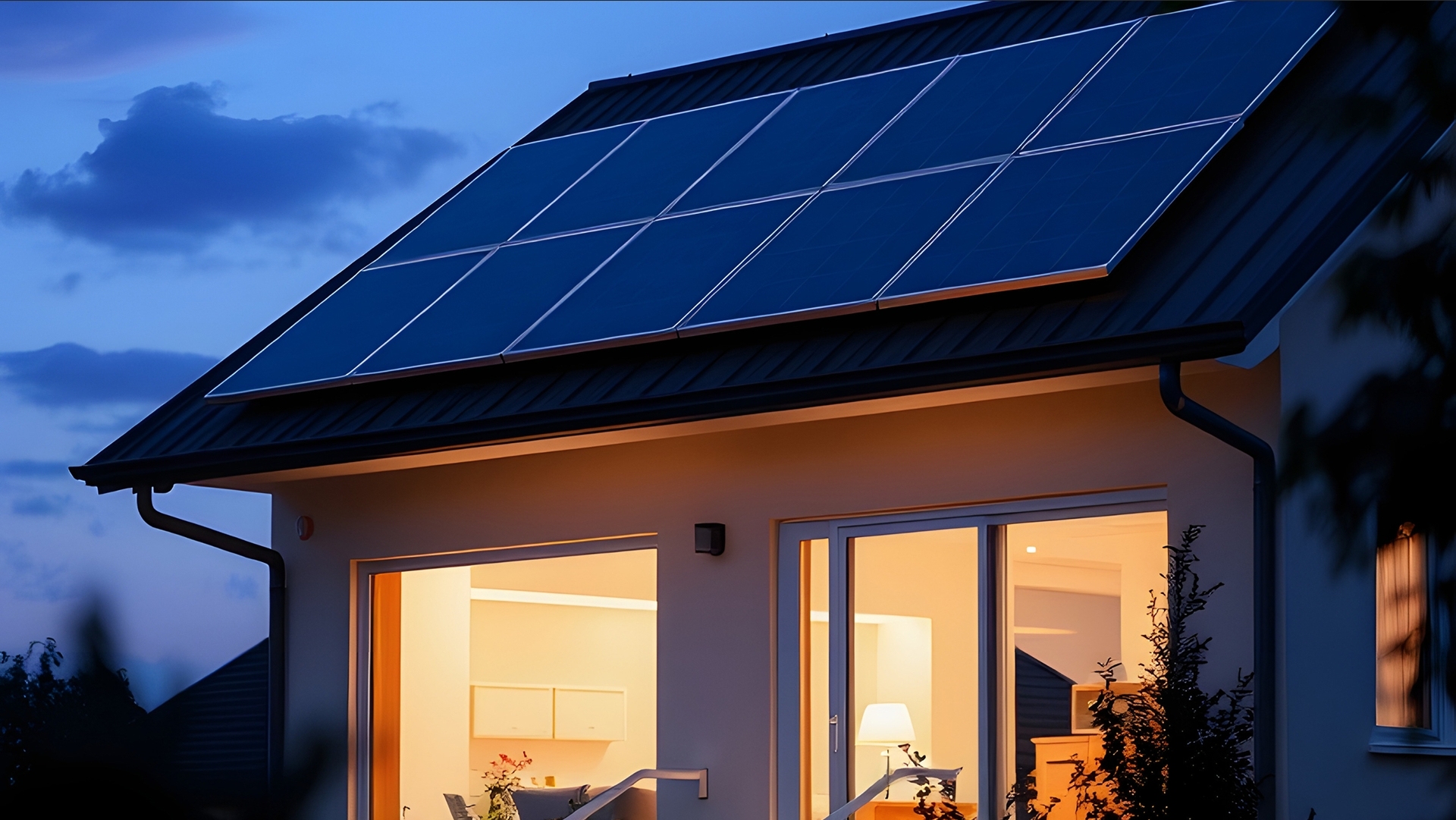
How Larger Homes Should Think About Solar and Battery Sizing Under NEM 3.0
Sizing looks different under net metering 3.0 for larger homes. Annual usage still matters, yet it should not be the only number driving the decision. A good design also needs to reflect evening demand, backup expectations, and future electric growth.
Start With Your Evening Load
Review your usage after solar production begins to fade. If your largest spikes show up in the late afternoon and evening, storage deserves close attention. Homes with strong cooling loads, larger kitchens, guest spaces, pools, home offices, or several occupied zones often fall into this group.
Define Your Backup Expectations
Large households rarely think about backup in the same way as smaller homes. Some only want essentials covered. Others want the house to stay comfortable and functional during an outage. That can include HVAC, refrigeration, internet, office equipment, lighting, security, and kitchen loads. Your battery plan should match your real expectations, not a basic template.
Leave Room for Future Demand
Many larger homes add electric load over time. That may come from a remodel, new appliances, a home addition, pool equipment, or EV charging. A system that feels adequate today may feel tight a few years later. A forward-looking design can save time, money, and frustration.
When Solar Plus Storage Makes More Sense Than Solar Alone
For many high-usage homes, net metering 3.0 pushes solar plus storage into a stronger position. If your property has heavy evening demand, frequent cooling use, backup needs, or long-term electrification plans, a battery can improve the value of every unit of solar your roof produces.
This is where the difference between NEM 2.0 vs NEM 3.0 becomes very clear in daily life. Under the old structure, homeowners could lean more heavily on daytime exports. Under the current structure, keeping energy on-site has a much bigger impact on savings.
A solar plus storage setup often makes sense for homes with these traits:
High summer air conditioning use
Consistent evening electricity demand
Whole-home or near whole-home backup goals
Plans for the added electric load in the future
For homeowners looking at a whole-home storage setup, a system like EcoFlow OCEAN Pro fits the type of planning that current California billing rules now reward. It is a smarter way to hold onto solar value across the hours when a larger home uses the most energy.
Get Your Free Home Energy Consultation!
Which energy solution are you interested in?
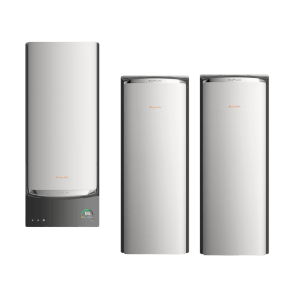

Pair Solar With Home Battery Storage to Get More Value Under NEM 3.0
If you are comparing proposals under net metering 3.0, focus on the numbers that matter most. Ask how much solar your home will use directly, how much power will flow out to the grid, and how a battery changes your evening purchases. Those answers will tell you far more than annual production alone.
Solar still makes sense for many large California homes, though the winning setup has changed. If your goal is lower bills, stronger backup, and better control over high evening demand, ask your installer about a solar plus storage design built for your load profile and choose EcoFlow OCEAN Pro for a more capable whole-home energy setup. Learn more
FAQs
Q1: Is Solar Worth It Under NEM 3?
Yes. Solar can still be worth it under net metering 3.0, especially for larger California homes with strong daytime usage or a solar plus storage setup. The biggest change is that exported power is worth less than it was under older NEM tariffs, so savings now depend more on self-consumption and shifting energy into evening hours.
Q2: Will NEM 3.0 Be Overturned in California?
No. As of March 2026, NEM 3.0 has not been overturned in California. The current rules are still in effect, so homeowners should plan around the existing framework rather than wait for a policy reversal.
Q3: What Is the 33% Rule in Solar Panels?
It usually refers to a rooftop fire code threshold, not a general solar savings rule. In many cases, it relates to how much of the roof area solar panels cover and how that affects required access pathways for fire safety. Exact requirements can vary by local code.
Q4: How Much Does NEM 3.0 Payout?
There is no single payout amount. Under NEM 3.0, export credits vary by utility, season, day type, and hour. In general, the value of exported solar is usually lower than the retail price you pay for electricity from the grid.
Q5: What Wastes the Most Electricity in a House?
Heating and cooling usually waste or use the most electricity in a house, especially air conditioning in warmer areas. For larger homes, long cooling hours often create the biggest share of the power bill, followed by water heating, dryers, and always-on appliances.

