
What About Battery Technology? A Complete Guide to Energy Storage
What about battery technology, and why should homeowners care about it right now? Simple answer: power bills are rising, outages are happening more often, and solar panels sitting idle after sunset are wasted potential. Batteries solve all three problems at once. This guide breaks down how batteries work, the main types available today, what to look for when choosing a home battery, and how modern whole-home systems have changed the game entirely.
What is a battery and how does it work?
A battery stores chemical energy and releases it as electricity when needed. Inside every battery, a chemical reaction moves electrons from one material to another, and that movement creates an electrical current.
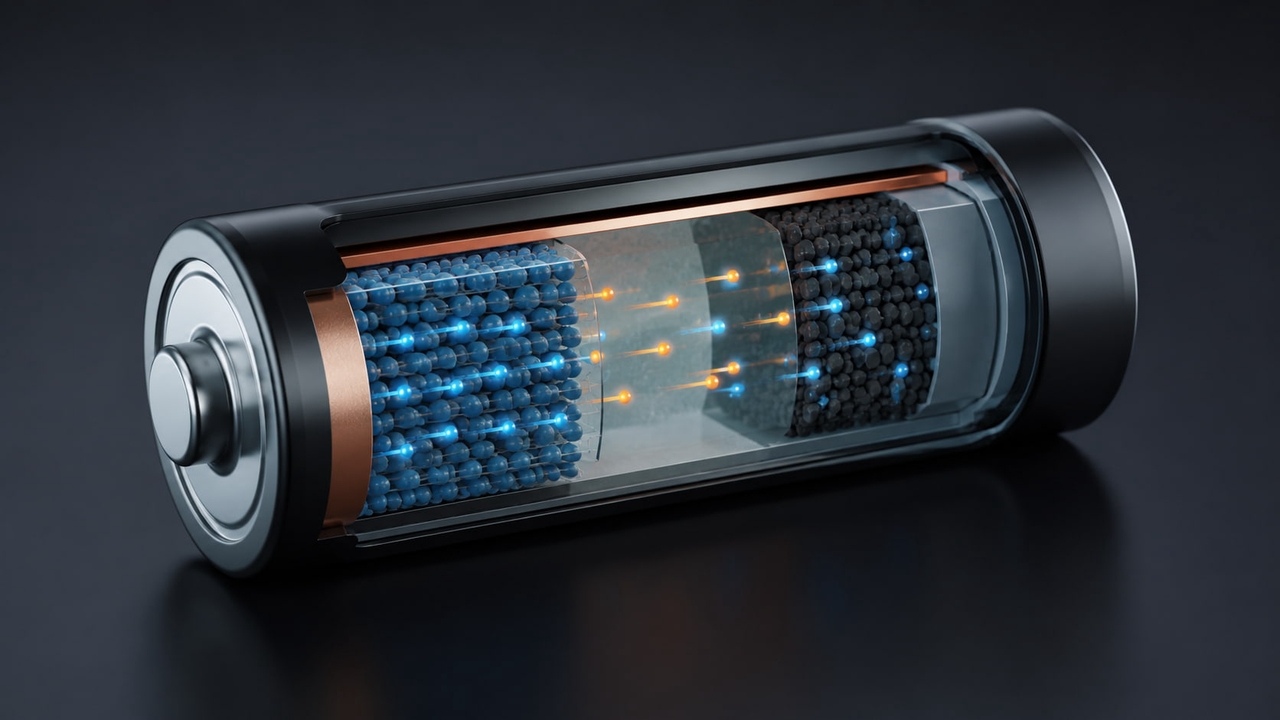
Four basic parts make this happen:
Anode: The negative side. It pushes electrons out into the circuit during discharge.
Cathode: The positive side. It pulls electrons back in to complete the circuit.
Electrolyte: A liquid, gel, or solid material sitting between the anode and cathode. It lets charged particles (ions) move between the two sides without letting electrons cross internally.
Separator: A thin physical barrier that keeps the anode and cathode from touching, which would cause a short circuit.
When a battery connects to a device, the chemical reaction starts. Electrons flow from the anode, through the device, and back into the cathode. That flow is electricity. When the chemical materials run out, the battery goes dead.
Primary vs. Rechargeable Batteries
There are two broad categories:
Single-use (primary) batteries run the reaction in one direction only. Once the materials inside are used up, they cannot be restored. Standard AA batteries in a TV remote are a familiar example. Simple and inexpensive, but not designed for repeat use.
Rechargeable (secondary) batteries work in both directions. Running electricity back through the battery reverses the chemical reaction and reloads the electrodes. This is how phones, laptops, electric vehicles, and home energy storage systems all work.
Different types of batteries and their uses
Battery chemistry has come a long way. Each type suits different needs.
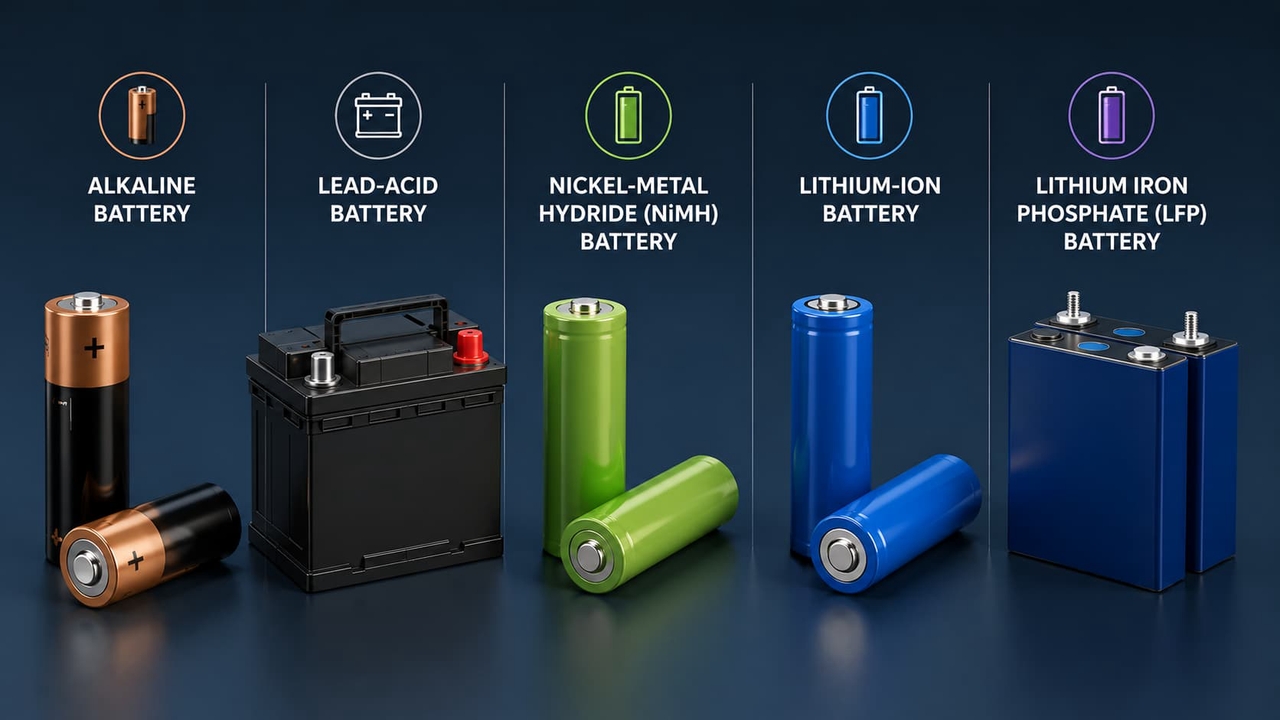
Alkaline Batteries
Alkaline batteries are the most common single-use option. They use zinc and manganese dioxide as their core materials, with a potassium hydroxide electrolyte in between.
The upside is shelf life and low cost. An unused alkaline battery can sit in a drawer for up to ten years and still work. The downside is performance under heavy load. When a device draws a lot of current quickly, alkaline batteries lose voltage fast. Best for low-drain devices like remotes, clocks, and smoke detectors.
Lead-Acid Batteries
Lead-acid batteries have been around since the 1850s. The chemistry uses lead plates and a sulfuric acid solution. Car starter batteries are the most recognizable application.
They are affordable and reliable for specific jobs, but they are also heavy and bulky. Deep discharging below 50 percent causes serious damage over time, which makes them unsuitable for daily solar storage cycling. Expect around 200 to 500 usable cycles under regular conditions.
Nickel-Metal Hydride (NiMH) Batteries
NiMH batteries came after nickel-cadmium and improved on them by removing toxic cadmium from the formula. Better energy density, more cycles, and safer materials made them the rechargeable option of choice for cameras, power tools, and early hybrid car packs.
The main drawbacks are a high self-discharge rate and lower energy density compared to lithium-ion. NiMH batteries lose charge even when sitting idle, and they store significantly less energy per unit of weight or volume than modern lithium alternatives.
Lithium-Ion Batteries
Lithium-ion changed everything. Higher energy density, lighter weight, lower self-discharge, and a much longer cycle life made it the dominant chemistry for consumer electronics and electric vehicles within a decade of commercial release.
The technology works by moving lithium ions back and forth between two electrodes through a liquid electrolyte. Each cycle does far less damage to the materials inside compared to lead-acid or NiMH chemistries.
One specific variant stands apart for home use: Lithium Iron Phosphate, or LFP. It uses iron phosphate instead of metal oxide at the cathode, which makes it more thermally stable, far less prone to fire, and capable of sustaining thousands of charge cycles without significant degradation. These are exactly the properties that home energy storage demands. LFP is now the chemistry behind the most capable residential battery systems on the market, systems that can run an entire home through an outage or a week of peak-rate evenings.
Key factors when choosing a home battery
Not every home battery is built the same. Eight specifications define how well a system fits a real household's needs.
Storage Capacity (kWh): Kilowatt-hours measure how much total energy the battery holds. One kWh runs a ceiling fan for roughly ten hours or a refrigerator for five to eight hours. Higher capacity means longer runtime during an outage or more stored solar energy to draw from each evening.
Power Output (kW): Capacity and output are two different things. Capacity tells how long the battery lasts. Output tells how many appliances it can run at the same time. A 20kWh battery with only 5kW of output cannot start a central air conditioner and a water heater simultaneously, no matter how full it is.
Round-Trip Efficiency (%): Some energy is lost as heat every time a battery charges and discharges. Round-trip efficiency measures how much comes back out compared to what went in. At 90 percent efficiency, 10kWh put in return 9kWh of usable power. Higher efficiency means less wasted solar generation and lower ongoing costs.
Cycle Life: One full charge and discharge equals one cycle. Cycle life is how many cycles the battery completes before its capacity falls below a set threshold. A system rated for 6,000 cycles, used once per day, covers roughly 15 years before hitting that point. This spec is the clearest predictor of real-world longevity.
Safety Features: Chemistry matters here. LFP cells are inherently more thermally stable than older lithium-ion formulations and do not carry the same fire risk. Built-in thermal management keeps cells from overheating during fast charging. Certifications like UL9540B confirm independent fire safety testing. These are baseline requirements, not optional extras.
Scalability: Energy needs change over time. A new EV, a heat pump, or additional solar panels can raise household demand significantly. Modular battery systems allow capacity expansion without replacing the full installation. Fixed-capacity units offer no flexibility when needs grow.
Installation Requirements: Home battery installation involves high-voltage electrical work tied to the main panel. This is never a DIY project. A licensed electrician and local building permits are required in nearly every jurisdiction. Choosing a manufacturer with a certified installer network simplifies the process considerably.
Warranty Coverage: A meaningful warranty states years of coverage, guaranteed cycle counts, and a minimum capacity retention level at end of term. A warranty that guarantees 70 percent capacity after 4,000 cycles is far more informative than one that simply says "ten years." Strong warranties signal confidence in long-term performance.
Why modern home battery storage matters today
US electricity rates have climbed around 30 percent over the past decade. Grid outages driven by extreme weather are hitting more regions, more frequently. And millions of rooftop solar systems are generating surplus power during the day, power that often flows back to utilities at low rates and gets repurchased at full price after dark.
A home battery solves all three at once. Stored solar covers evening demand instead of buying grid power at peak rates. A fully charged battery keeps essential systems running during outages, no generator required. And smart charging, drawing from the grid at off-peak low-rate hours and discharging during expensive peak windows, cuts monthly bills in ways that solar alone cannot.
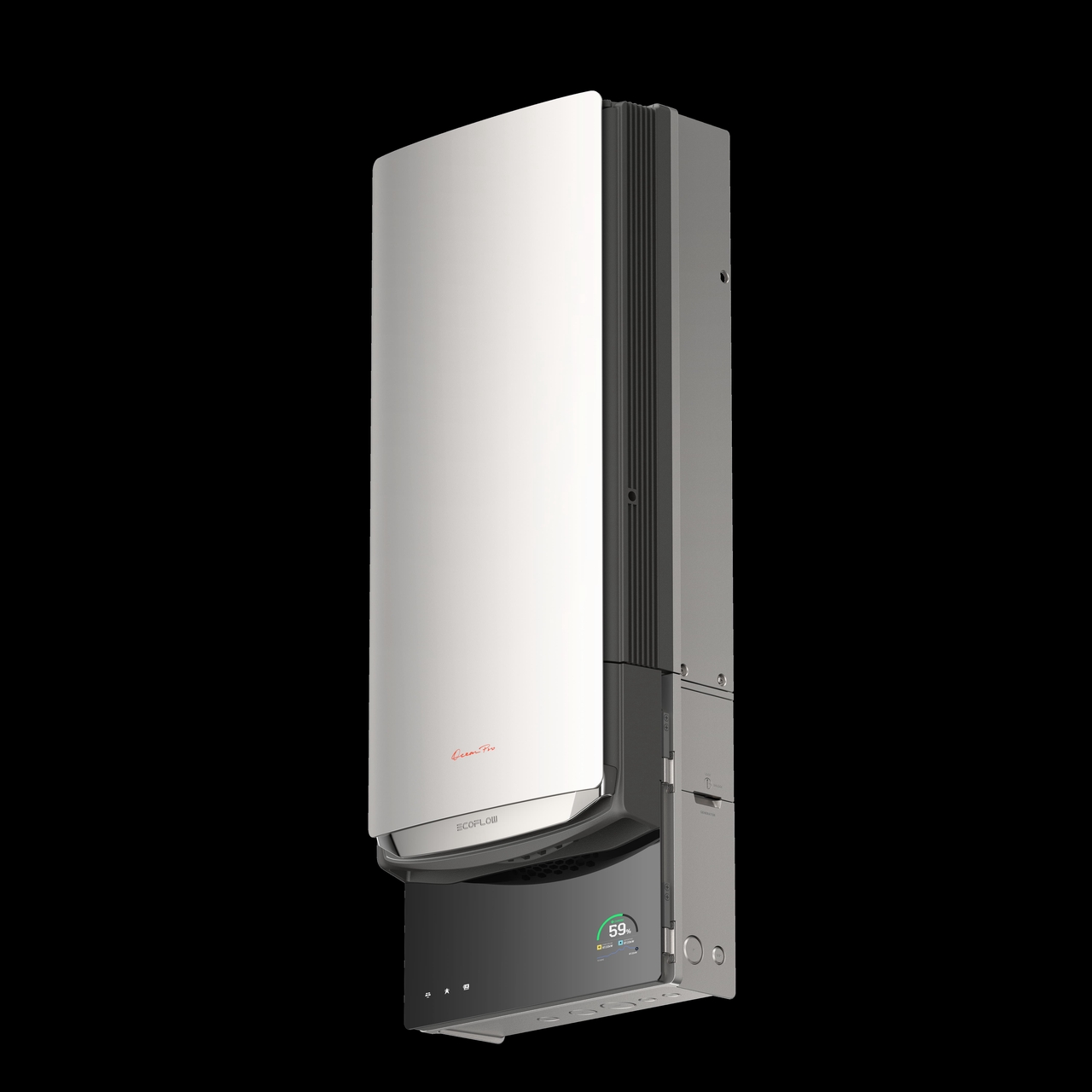
For households ready to move beyond partial protection into genuine whole-home energy independence, the EcoFlow OCEAN Pro Solar Battery System maps directly to every factor covered above.
Parameter | EcoFlow OCEAN Pro |
Storage Capacity | 10kWh to 80kWh, modular |
Power Output | 24kW continuous, 205A LRA surge |
Cycle Life | LFP longevity |
Safety | Dustproof, 360° Aerogel Insulation |
Scalability | Modular from 10kWh to 80kWh |
Installation | Certified professional installer network |
Warranty | 15-year coverage |
The system accepts up to 40kW of solar input across 8 independent MPPT channels, delivering 24kW of continuous output. It integrates with the grid, generators, EVs, and portable power stations simultaneously. Its built-in Intelligent Mode automatically shifts household energy use to off-peak hours. Operating range runs from -4°F to 140°F, covering virtually every US climate zone without additional thermal infrastructure.
Conclusion
Batteries have moved from powering remote controls to powering entire homes. The chemistry has changed dramatically along the way, but the core idea has not: store energy when it is available and use it when it is needed.
For small devices, picking the right battery is straightforward. For a home, the decision involves capacity, output, efficiency, safety, and long-term warranty backing. Getting those factors right determines whether a system delivers real value over a decade or becomes a frustrating limitation inside two years.
Start by calculating the home's actual energy load. Then match that to a system built to handle it. For homeowners ready to take that step, a whole-home backup power solution built on LFP technology is the most practical path to grid independence available today. Request a consultation with an EcoFlow energy advisor to find the right fit for the property.
Get Your Free Home Energy Consultation!
Which energy solution are you interested in?

FAQs
What is a battery in short?
A battery converts stored chemical energy into electrical energy. A chemical reaction inside the battery moves electrons through a circuit, creating current. When the active materials run out, or in rechargeable types, the cycle resets with an external charge.
What are the main components of a battery?
Every battery has four core parts: an anode (negative electrode), a cathode (positive electrode), an electrolyte that carries ions between them, and a separator that keeps the electrodes physically apart to prevent short circuits.
How long do batteries last?
It depends on the chemistry. Single-use alkaline batteries last until depleted. Lead-acid typically handles 200 to 500 cycles. NiMH reaches 500 to 1,000. Modern LFP home batteries, like EcoFlow OCEAN Pro, are rated for over 10,000 cycles when used correctly, covering 15 or more years of daily use.
How do batteries affect the environment?
Batteries contain materials that need proper disposal. Lead-acid batteries have well-established recycling programs. Lithium-based batteries require specialized facilities. LFP chemistry avoids the cobalt and nickel found in older lithium-ion cells, making it a cleaner option with a lower environmental footprint over its full lifecycle.
Which battery type is best for energy storage?
For residential home storage in 2026, LFP is the clear choice. It offers superior cycle life, strong thermal stability, low fire risk, and scalable capacity. Compared to lead-acid, NiMH, and standard lithium-ion alternatives, LFP delivers the best combination of safety, longevity, and daily performance for household energy needs.

