
South Carolina Wildfires: A Complete Preparation Guide
South Carolina wildfires can spread quickly, endangering homes, disrupting daily life, and causing prolonged power outages. Many residents are uncertain about when fire danger is at its highest, how to prepare their properties, or what to do if they are told to evacuate. Knowing the dangers of wildfires and having a good emergency plan can help keep your family and property safe. You can also stay powered during wildfire-related outages by investing in smart backup energy systems. This guide covers everything about wildfires in South Carolina and how you can prepare for them easily.
Why South Carolina faces wildfire risks
Dry winter and early spring fire season
South Carolina's most active wildfire season is usually January through mid-April. Vegetation is dormant and drier this time of year, making grasses, leaves, and forest debris easier to ignite. Rainfall can also be erratic in late winter and early spring, adding to fire danger.
Effects of drought, wind, and dead vegetation
Droughts suck the moisture out of forests, fields, and neighborhoods, increasing the chances of wildfires. When combined with strong winds, fires can quickly spread across large areas. Dead vegetation, including fallen leaves, pine needles, dead branches, and dry grasses, accumulates and becomes fuel, allowing fires to grow and spread quickly.
Human-caused fires and escaped debris burns
Most South Carolina wildfires today result from human activities. Wildfire incidents are often caused by residential debris burning, agricultural burns, the use of equipment, and accidental ignitions. Even a small fire can get out of control in dry, windy conditions.
Lightning-related wildfire risks
Although less common than human-caused fires, lightning strikes can ignite dry vegetation during thunderstorms. Lightning strikes often cause wildfires in remote wooded areas that may go unnoticed until they have already spread.
What are the wildfire statistics in South Carolina
Average wildfires annually
Learning about South Carolina's wildfire history can help residents assess their risk level and prepare accordingly. Most people think of extreme wildfires in the western states, but South Carolina has a high number of wildfire incidents each year.
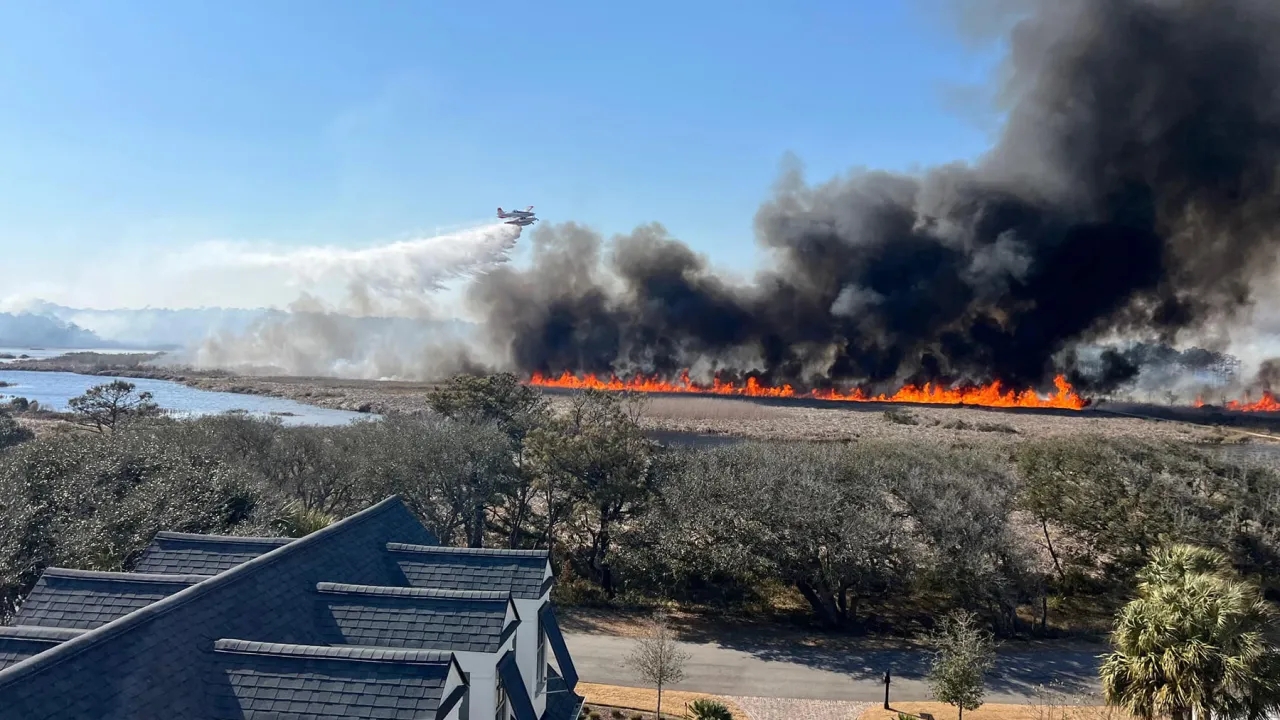
Based on recent five-year averages, the state averages about 1,398 wildfires each year, burning about 13,998 acres each year, according to the South Carolina Forestry Commission. Historical wildfire data also indicate that large, destructive fires are possible when drought, strong winds, and dry vegetation come together. Speaking of this year (July 1, 2025, to April 30, 2026), there were 1675 wildfires.
Historic wildfire events in the state
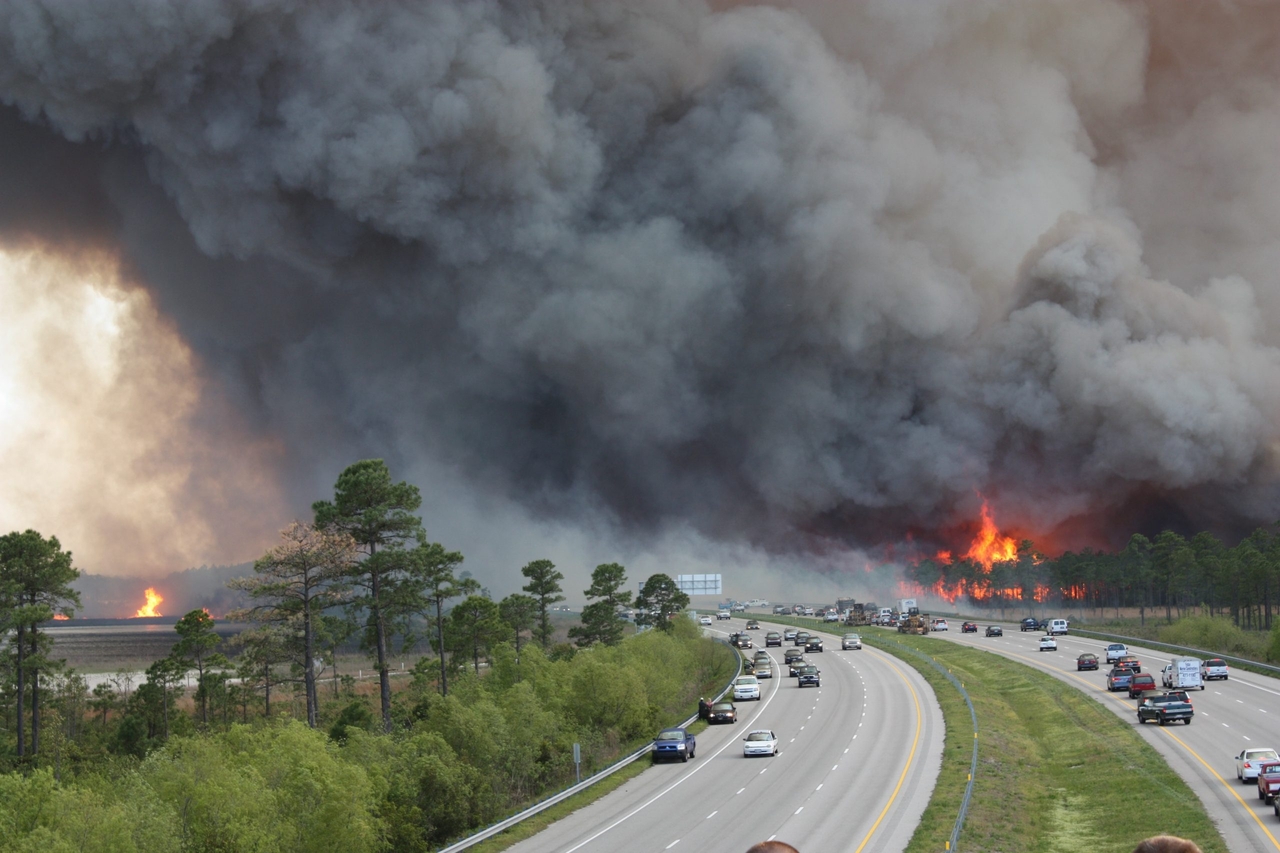
South Carolina has experienced several notable wildfires in its history. One of the most devastating modern-day incidents was the Highway 31 Fire in Horry County in 2009. The wildfire burned over 19,000 acres, destroyed 76 homes, damaged nearly 100 more structures, and caused about $50 million in losses. In 1976, Horry County experienced the state's largest wildfire, which burned approximately 30,000 acres. These cases show how quickly wildfire conditions can develop when dry vegetation, low humidity, and strong winds converge.
Counties and regions most vulnerable to wildfires
Wildfire risk exists statewide, but certain regions experience higher vulnerability:
Horry County
Georgetown County
Berkeley County
Charleston County
Dorchester County
Beaufort County
Oconee County
Pickens County
The Coastal Plain and forested Upstate areas often experience elevated wildfire activity due to vegetation density and weather conditions.
How to prepare for South Carolina wildfires
Build an emergency communication plan
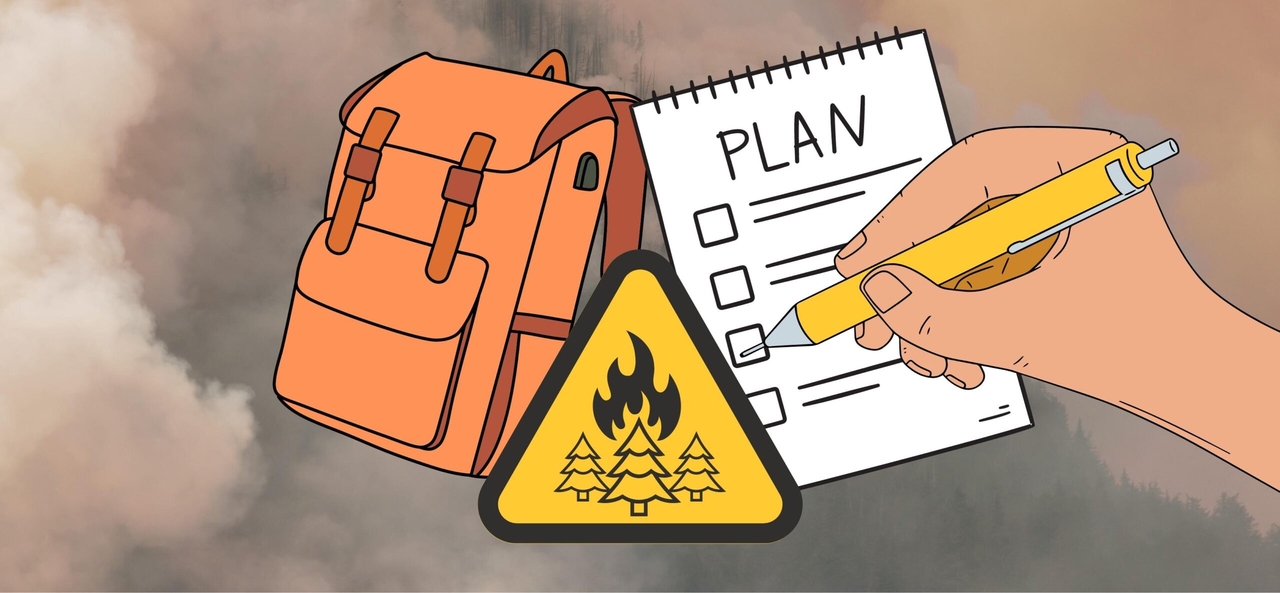
Having a solid communication plan means that each family member knows what to do in the event of a wildfire emergency. Cell service can be spotty, roads may close without warning, and evacuation orders can be issued quickly for fast-moving wildfire incidents. Setting up communication protocols in advance can help reduce confusion and allow families to respond quickly when every minute counts.
Residents should identify potential shelter locations before wildfire season. These could be community emergency shelters, hotels, friends' homes, or relatives who live outside of high-risk areas. Familiarity with shelter locations and how to access them can alleviate stress during evacuations and help families transition more smoothly if temporary relocation is needed.
Stay informed
Access to accurate, real-time information is valuable in a wildfire emergency. Conditions can change rapidly, and official alerts will provide important updates on evacuation orders, fire behavior, road closures, and weather conditions.
South Carolina Forestry Commission News Alert
The South Carolina Forestry Commission provides important wildfire information, including fire activity updates, burn restrictions, fire danger ratings, and emergency notifications.
Emergency Alerts Local
Many counties and municipalities have emergency notification systems that send alerts by text message, phone call, and mobile application. These notifications often provide evacuation instructions, shelter information, and road closure updates.
NOAA Weather Radio
NOAA weather radios transmit weather forecasts, emergency alerts, and hazard warnings 24/7 directly from the National Weather Service. Weather radios are among the most reliable sources of receiving emergency information during power outages and disaster scenarios, since they don't depend on cellular networks or internet service.
South Carolina Forestry Commission Fire Maps
The South Carolina Forestry Commission's fire map provides location-specific information about active wildfire incidents throughout the state. The map allows residents to track fires close to them, receive updates on fire status, and see where firefighters are working.
Make Fire-resistant home improvements
Spending money on fireproofing your home upgrades is a great way to reduce the risk of your home being damaged in a wildfire. Many homes are lost not so much from direct contact with flames but from wind-driven embers that travel into vulnerable areas around decks, vents, siding, and roofs. By making a home more resistant to embers, you can greatly increase the chances of surviving a wildfire.

Ember-resistant vents are designed to keep burning embers out of attics, crawl spaces, and other vulnerable areas of a home. Ember-resistant vent systems are an important component of an overall wildfire protection strategy.
Use fire-resistant roofing metal, clay tile, slate, and class A-rated asphalt shingles, as they offer a much higher degree of protection against ember ignition compared to untreated wood or combustible roofing products.
Preparing for power outages
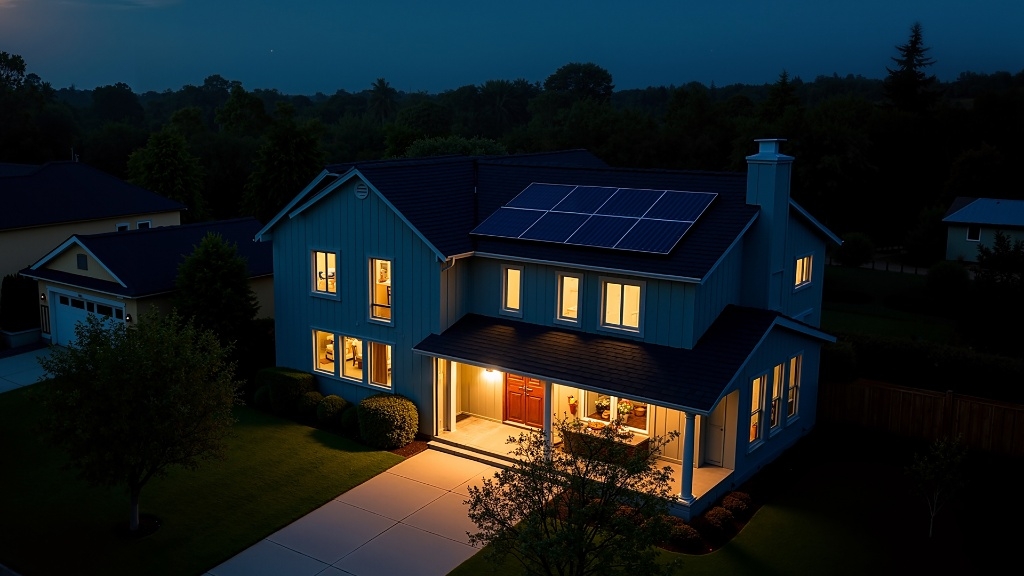
Wildfires often knock out power by damaging power lines or by causing utility companies to shut off power as a precaution. Because power outages can last for hours or even days, backup power solutions are a critical part of wildfire readiness. In the modern era, reliable backup power solutions can help households stay operational during wildfire-related outages. For example, the EcoFlow Ocean Pro provides whole-home backup power and intelligent energy management capabilities designed to support households during grid disruptions.
Its LFP (lithium iron phosphate) battery technology is designed for long service life and enhanced safety, and its ability to operate at temperatures up to 140°F (60°C) makes it especially suited for extreme heat conditions often associated with wildfires. The system is expandable to 80 kWh of storage, allowing homeowners to power critical loads for extended periods, depending on energy usage.
Ocean Pro also features a 10 ms automatic switchover during power outages to help keep critical devices and appliances running without interruption. It can be paired with solar panels and smart energy management to help families be better prepared for emergencies and more independent in their daily energy usage.
Conclusion
South Carolina wildfires remain a seasonal threat, ignited by weather, dry vegetation, drought, and human activities. Not all wildfires become major disasters, but even smaller fires can lead to evacuations, damage to property, poor air quality, and long-lasting power outages. Taking steps to prevent wildfires and knowing when wildfire risks are at their highest can go a long way toward keeping households safe.
Preparation is the best defense against wildfire emergencies. Families can better prepare for wildfires by creating evacuation plans, tracking fires through trusted sources, making home improvements to resist fire, and investing in reliable backup power solutions. They can provide additional peace of mind during power outages by keeping essential appliances and communications running. Request a consultation today and stay powered up even during wildfires.
Get Your Free Home Energy Consultation!
Which energy solution are you interested in?


FAQs
Where are the wildfires in South Carolina?
Wildfires occur in different places at different times of year, depending on the weather, vegetation, and human activities. Residents also can follow active fires through the South Carolina Forestry Commission fire map and local emergency management websites. However, the most vulnerable regions are Horry County, Georgetown County, Berkeley County, and Charleston County.
What is the biggest wildfire in South Carolina?
One of the largest wildfires in South Carolina history occurred in Horry County in 1976, burning approximately 30,000 acres. The 2009 Highway 31 Fire near Myrtle Beach was one of the most destructive wildfires in the state's history, causing extensive property damage and prompting mass evacuations.
How many wildfires are there in South Carolina?
The latest state averages show South Carolina has about 1,400 wildfires a year, but those numbers can change from year to year based on drought conditions and weather patterns. Most fires are extinguished quickly, but fire can spread fast under certain environmental conditions.
How can I protect my home from wildfires?
Homeowners can create defensible space, remove dead vegetation, install ember-resistant vents, use fire-resistant roofing materials, update combustible exterior features, and maintain emergency preparedness plans to reduce the risk of wildfires.
What should I include in a wildfire emergency kit?
A wildfire emergency kit should have enough supplies to support your household for several days. Other items to consider include water, non-perishable food, medications, first aid supplies, flashlights, batteries, phone chargers, backup power banks, important documents, N95 masks, personal hygiene products, pet supplies, and a battery or hand-crank radio.

