
Outside Home Renovation Ideas to Boost Curb Appeal
Tired of your home's faded siding, outdated exterior, or lack of curb appeal that makes it blend into the neighborhood? An outside home renovation can transform your property’s first impression while protecting it from the elements and boosting its resale value.
Many homeowners face peeling paint, mismatched additions, or aging features that demand attention. Starting with a clear plan helps avoid costly mistakes and delivers stunning results.
Whether you're refreshing the facade or tackling bigger changes, incorporating reliable home battery backup solutions supports modern outdoor living and energy needs.
What is outside home renovation? (And why it matters)
An outside home renovation (also called exterior or outdoor home renovation) involves visual and structural improvements to the exterior of your house. This includes everything from fresh paint and new siding to roof replacement, window upgrades, porch enhancements, and updated landscaping.
Your home's exterior creates the first impression for guests, neighbors, and potential buyers. A clean, cohesive facade immediately increases perceived value and makes the property look better maintained overall.
The outside of your home matters because it delivers strong curb appeal, protects against weather damage, and significantly impacts resale value.
Exterior projects consistently rank among the highest-ROI home improvements. According to the JLC 2025 Cost vs. Value Report, projects like garage door replacement, steel entry doors, manufactured stone veneer, and fiber-cement siding deliver excellent returns, often recouping 100%+ of costs in many markets.
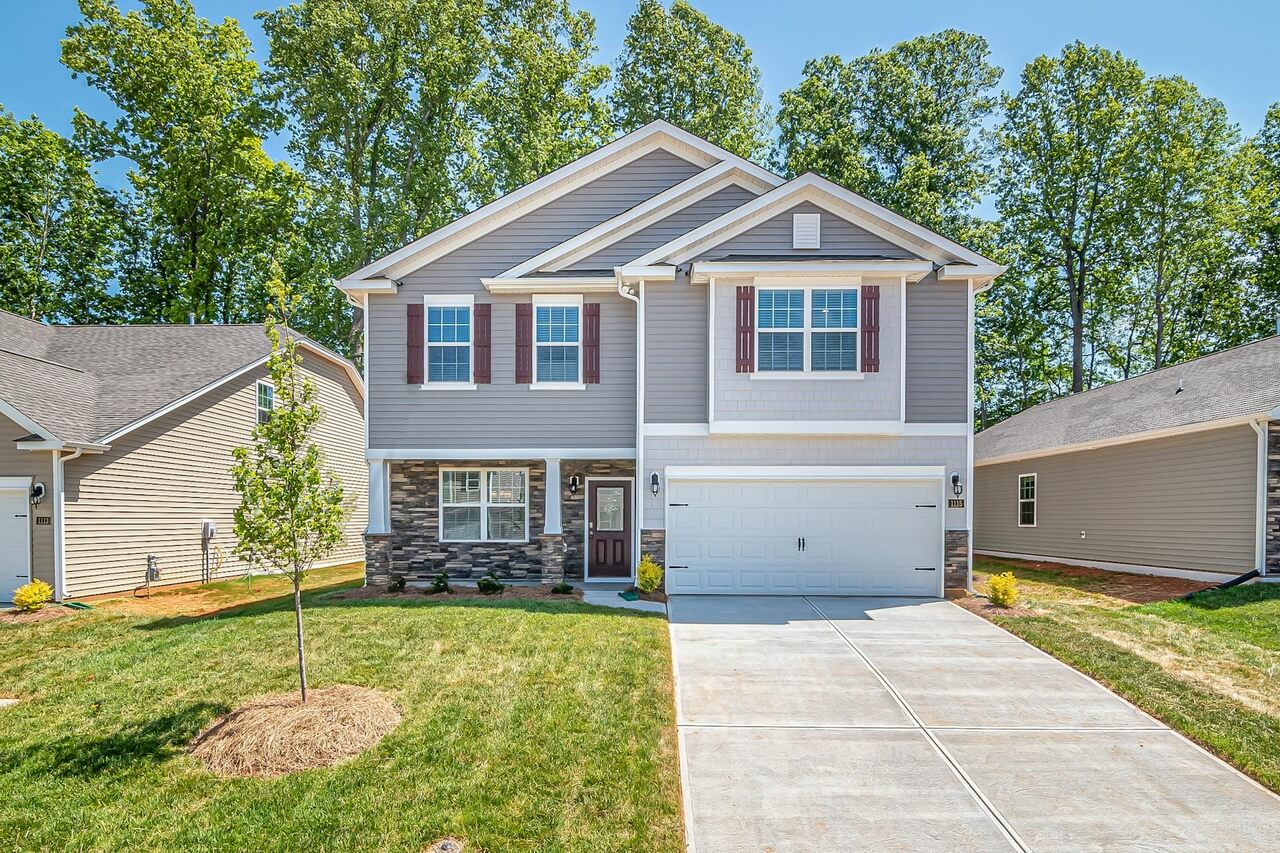
Signs your home exterior is ready for renovation
Sometimes the need for renovation is obvious. Other times, small issues gradually build up until the entire exterior starts feeling outdated or worn down.
Here are some common signs your home exterior is ready for a refresh:
Fading or peeling paint: Signs that the protective layer has failed, leaving underlying wood or materials exposed to moisture.
Cracked, warped, or mismatched siding: Compromises your home’s insulation and allows water infiltration.
Roof past its lifespan: If your roof is approaching or past its 15–20 year mark, leaks and structural degradation are just around the corner.
Outdated trim and fascia: Rotting or weathered trim detracts from the home's architectural lines.
Post-addition mismatched materials: When previous extensions or additions don't seamlessly blend with the original structure.
If you're noticing multiple issues at the same time, resist the temptation to fix them one at a time. A coordinated renovation approach ensures materials, colors, and sequences align — saving money, time, and the frustration of redoing finished work.
Top outside home renovation ideas
Transform your property with these high-impact upgrades, ranked by their visual and structural return on investment. From major facade overhauls to the perfect finishing touches, these ideas ensure a stunning, long-lasting transformation.
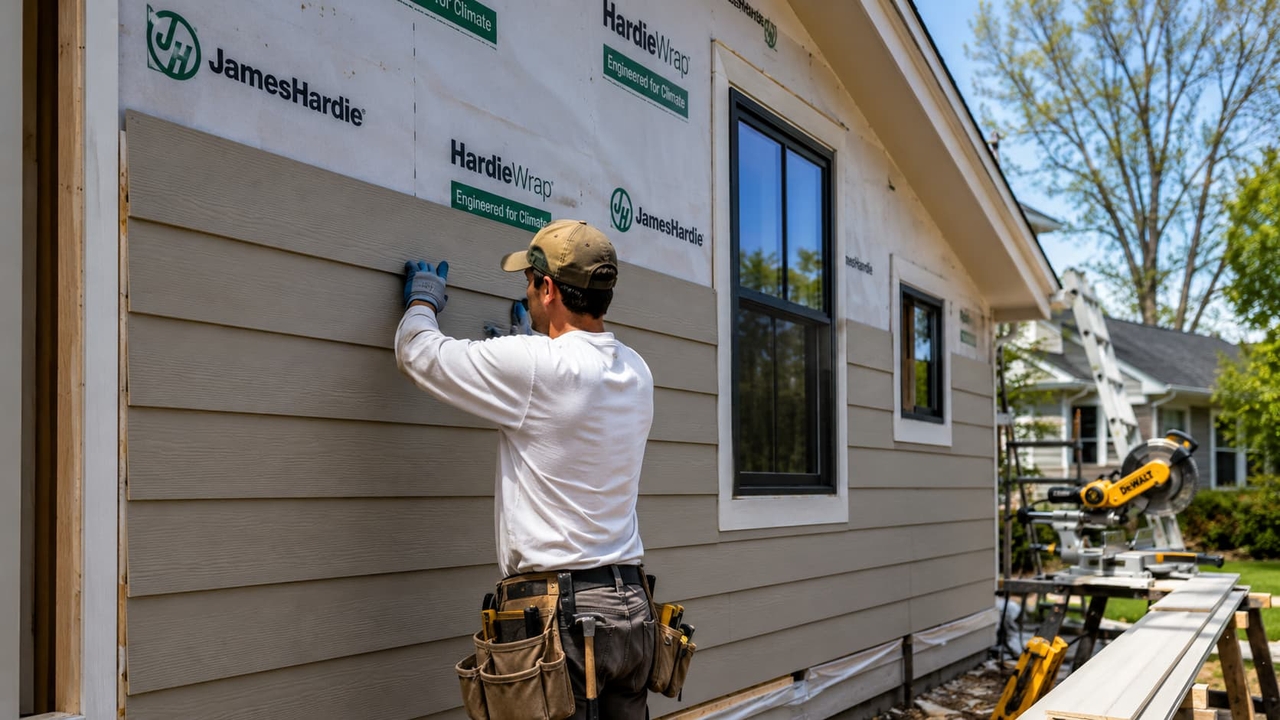
Siding replacement or refresh
Siding is the single largest visual element of your home's exterior, making it one of the most transformative upgrades you can tackle.
Popular siding materials include:
Fiber cement
Vinyl
Engineered wood
Board-and-batten systems
Modern siding instantly updates outdated architecture while improving weather resistance and insulation performance.
Cost signal: Mid to High
Tip: Coordinate siding colors with your existing or planned roof color before committing to materials. These two surfaces dominate the overall appearance of the home.
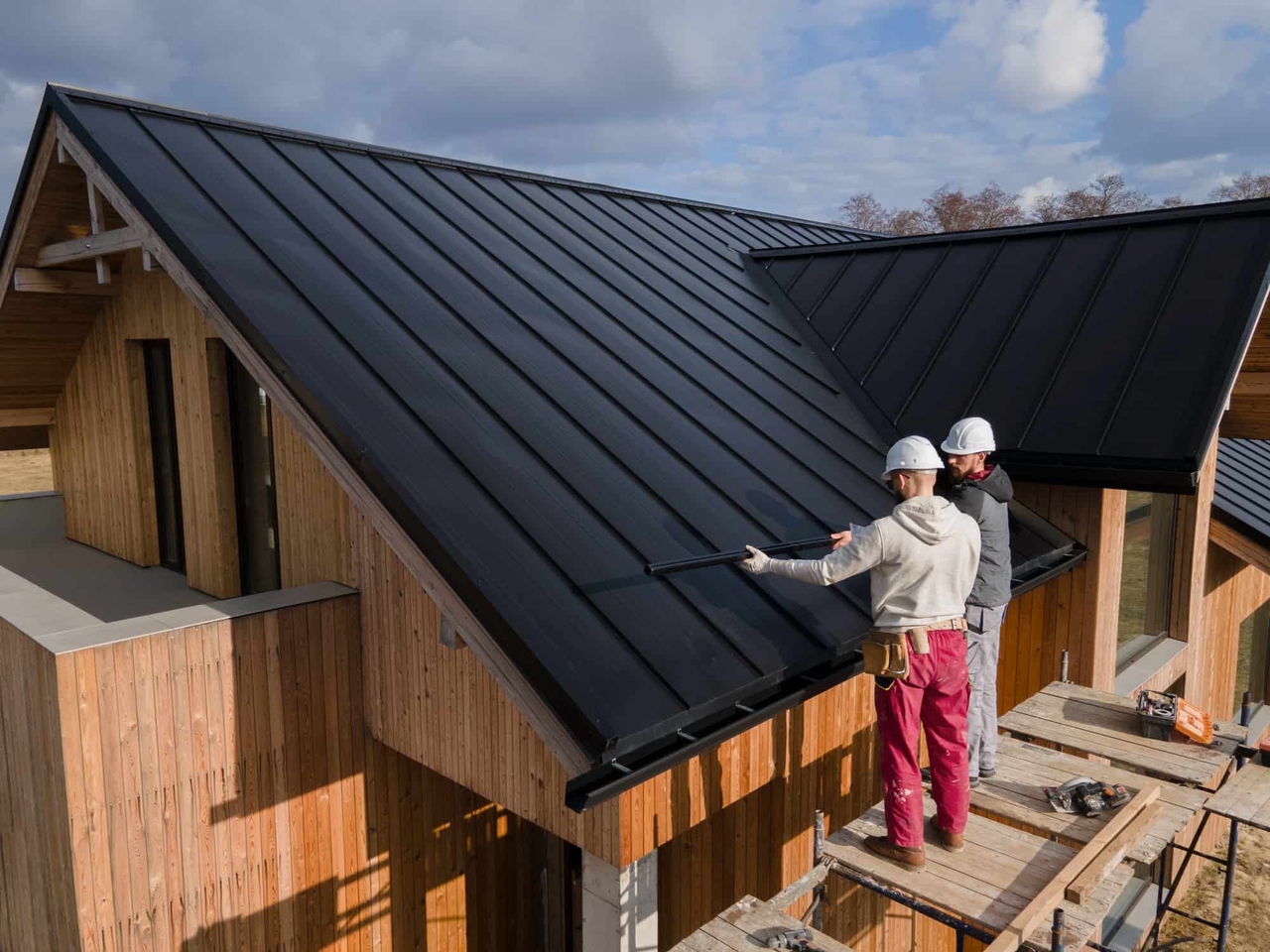
Roof upgrade
Replacing the roof alongside siding creates a cohesive "new build" appearance that dramatically improves curb appeal.
A roof upgrade should become a priority when:
The roof is over 15–20 years old
Existing shingles show visible wear
Patch repairs are noticeable
The current roof clashes with updated exterior colors
Cost signal: High. But the ROI on roof replacement remains strong, especially when bundled with siding.
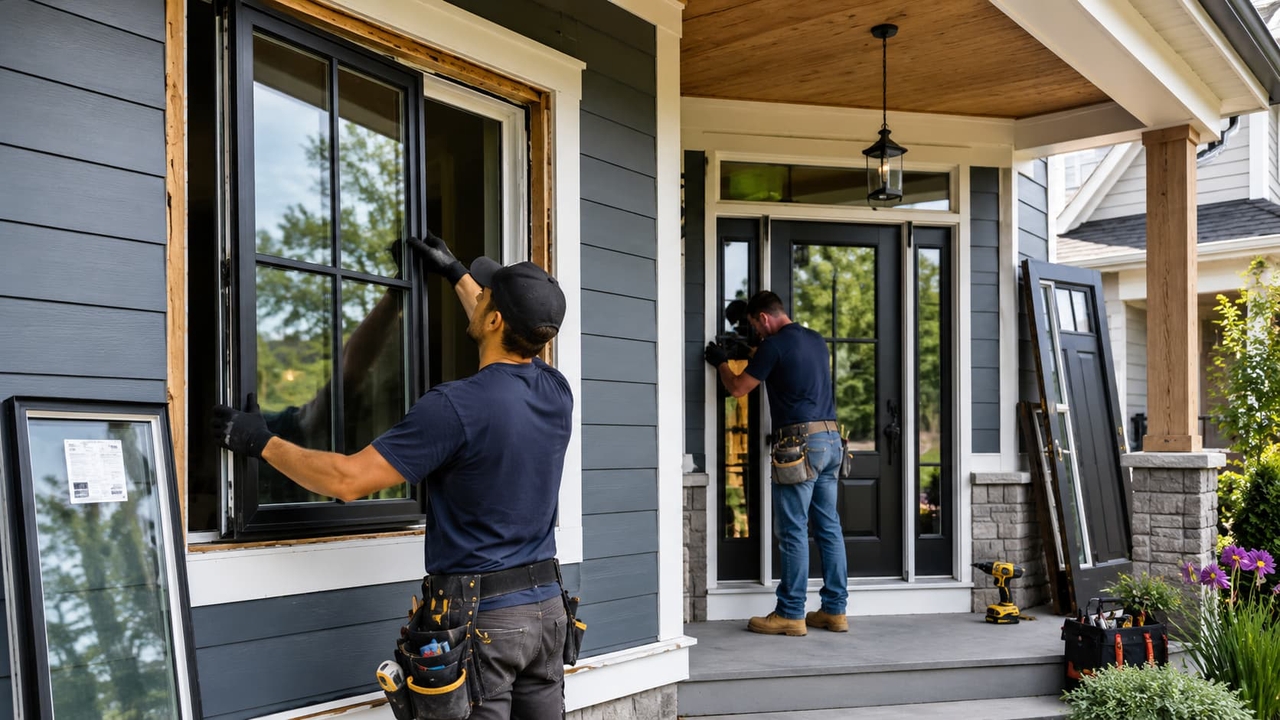
New windows and doors
New windows and doors provide a strong visual return without requiring a full exterior overhaul.
The biggest improvements usually come from updating these elements together:
Front door
Garage door
Window trim
Current trends include black or bronze window frames, oversized glass panels, natural wood accents, and statement entry doors with modern hardware.
Cost signal: Mid
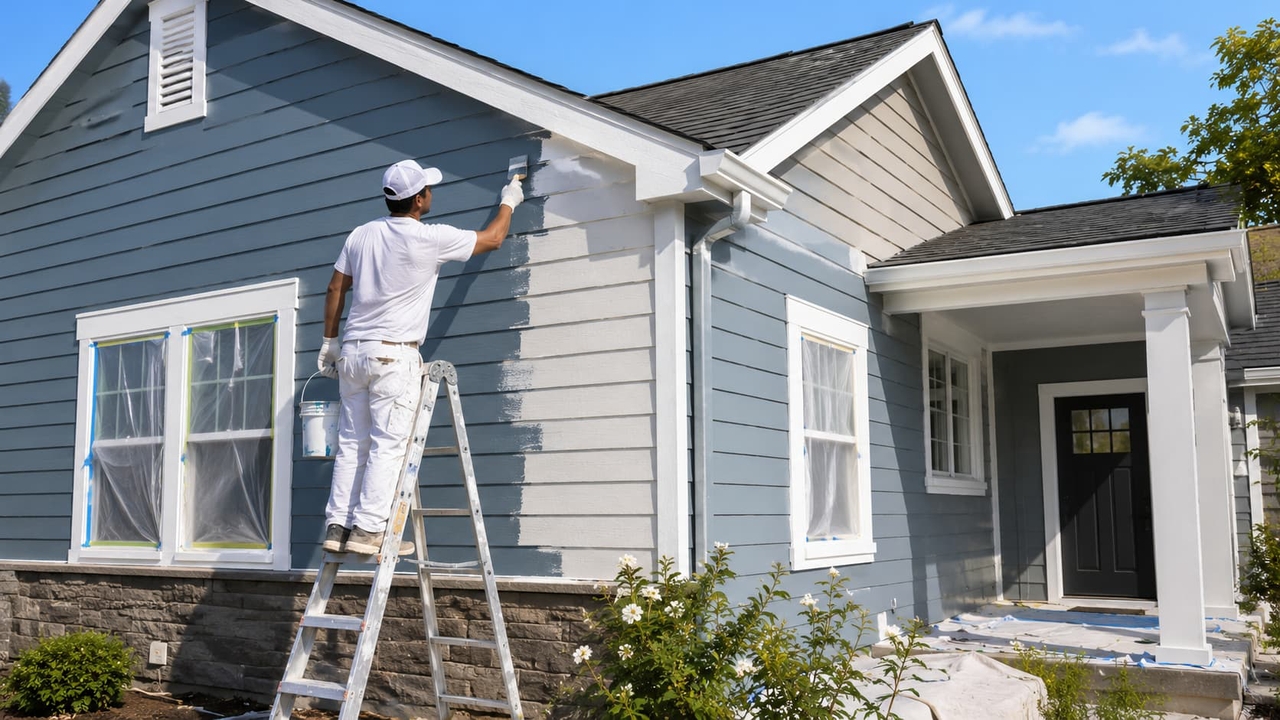
Exterior paint and trim
Fresh paint remains one of the fastest and most affordable ways to modernize a home exterior.
Popular color combinations include:
Warm white + wood tones + black accents
Greige + white trim + dark roof
Soft earth tones with natural stone textures
Two-tone designs are also increasingly common, especially with board-and-batten accents on gables or upper sections.
Cost signal: Low to Mid
Tip: Use visualization tools to test colors on your actual home.
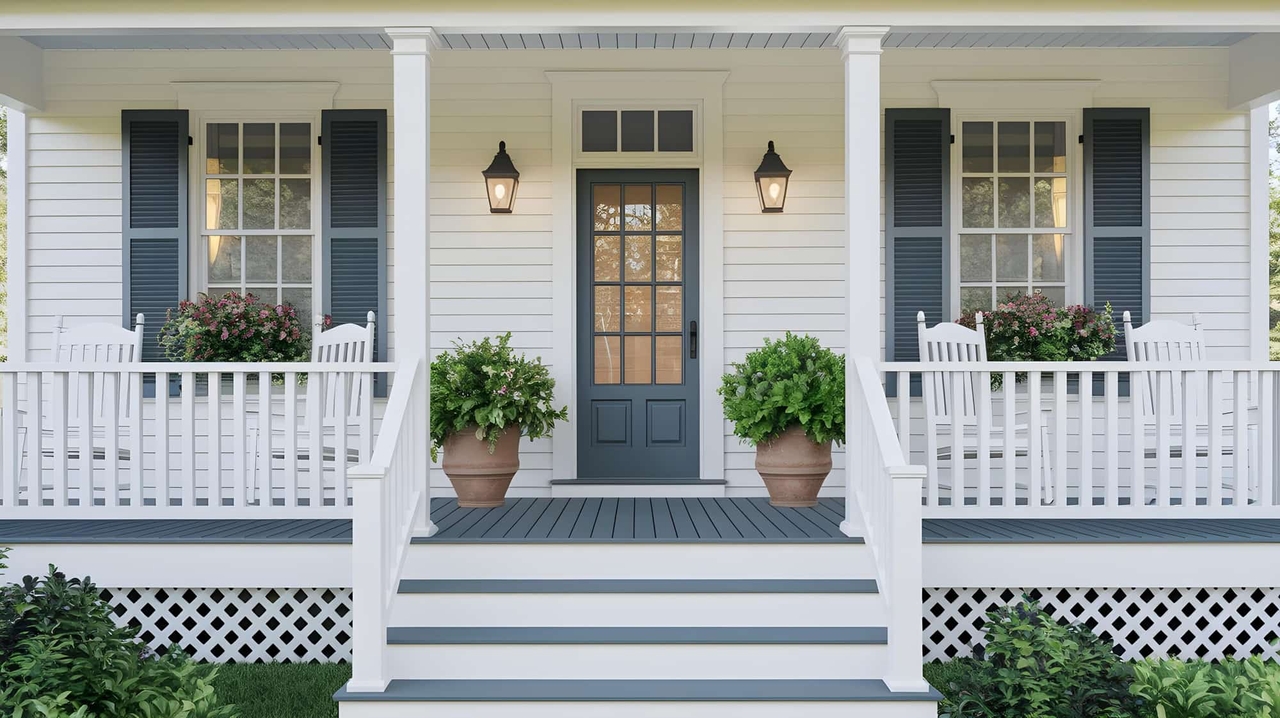
Porch, entry, and railings
Entry areas are often underestimated during renovation planning, but they heavily influence how intentional the entire exterior feels.
Simple updates can include:
Wrapped support columns
Modern railings
Wider front steps
Improved pathway lighting
Updated porch ceilings
Cost signal: Low to Mid
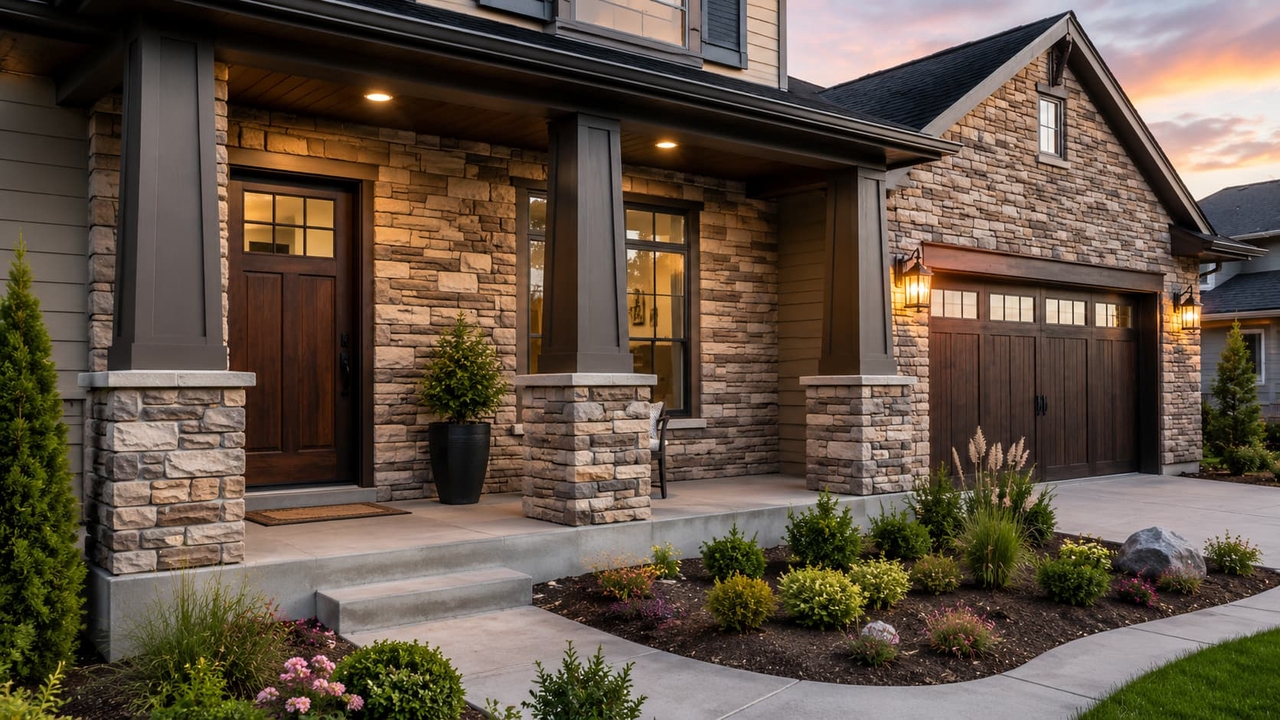
Stone veneer and accent materials
Stone veneer adds depth, texture, and visual contrast to flat exterior surfaces.
Common applications include:
Lower-third facade cladding
Chimney accents
Entryway surrounds
Foundation detailing
These accents help break up large walls while giving the home a more premium architectural appearance.
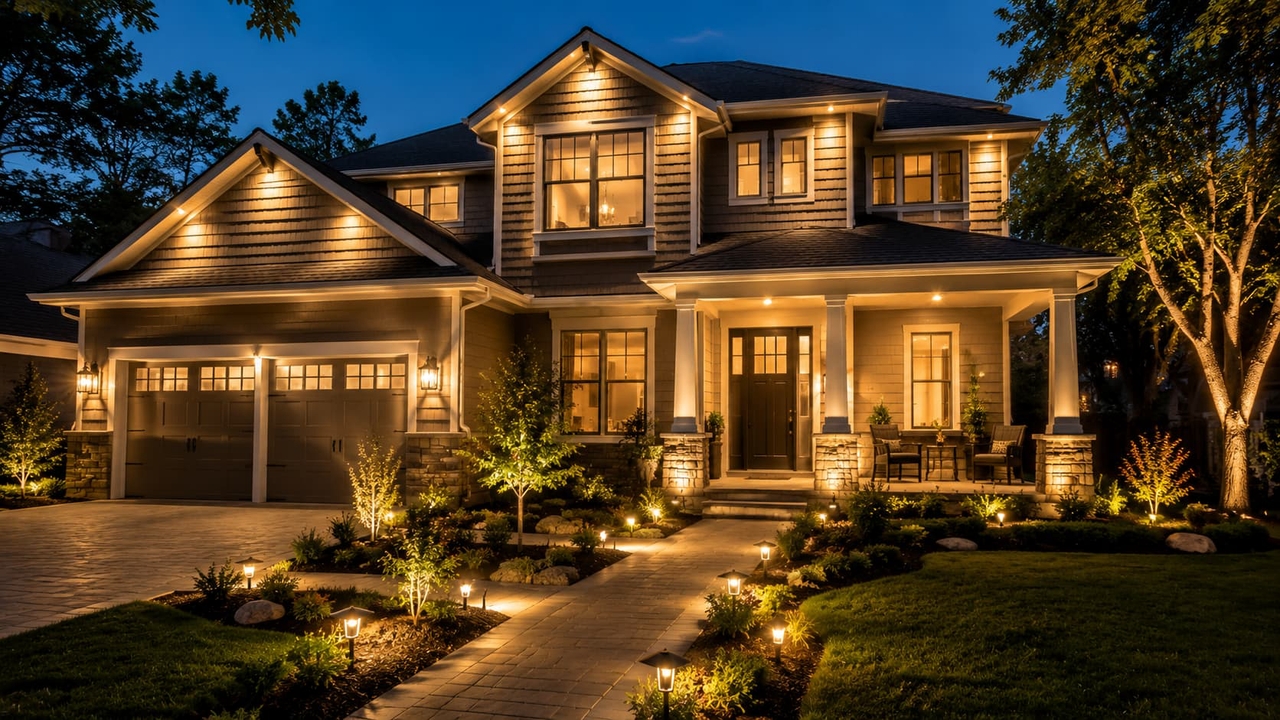
Outdoor lighting and hardware
Small finishing details often have an outsized visual impact.
Updating the following elements can dramatically improve exterior cohesion:
House numbers
Mailbox
Exterior sconces
Door handles
Garage lighting
Pathway fixtures
Choose finishes that match the overall style direction of the renovation for a cleaner, more unified look.
Cost signal: Low
Energy and electrical infrastructure
Modern exterior renovations increasingly include outdoor electrical upgrades as a baseline expectation — not an afterthought. As you plan your renovation, evaluate how new outdoor features will affect your home's total energy demand.
Landscape lighting, security cameras, EV charging stations, and outdoor kitchens all require reliable, scalable power. Planning for this infrastructure during your renovation is far less expensive than retrofitting it later.
Cost signal: Mid to High
How to plan your outside home renovation
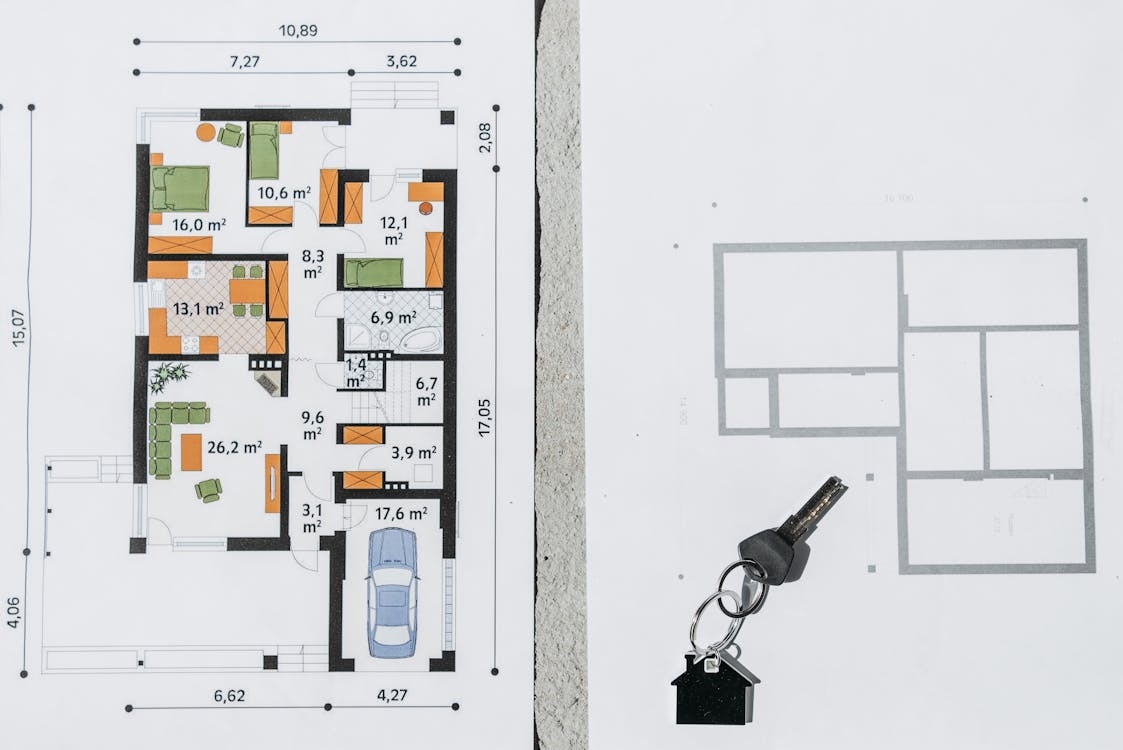
A successful outside home renovation starts with solid planning. Follow these practical steps to stay organized, control costs, and achieve a cohesive, high-impact result.
Step 1: Define the look first
Before choosing materials or requesting quotes, decide on the overall style you want your home to reflect. A clear design direction makes every decision easier throughout the renovation process.
Popular exterior styles include:
Transitional
Coastal
Decide early which elements must remain unchanged, such as brickwork, rooflines, or architectural details. Use a digital visualizer tool to test color and material combinations on a photo of your home before purchasing any materials.
Step 2: Set a realistic budget
Outside home renovation costs vary widely depending on project scope and region.
Typical budget tiers include:
Paint-only refresh: low-cost
Siding and trim upgrades: a mid-range investment
Full exterior remodel with roofing and windows: high-cost
Factor in regional labor costs, which can vary significantly. Sequencing work to protect finished surfaces — painting after siding, landscaping after painting — prevents costly do-overs.
Step 3: Follow the right work order
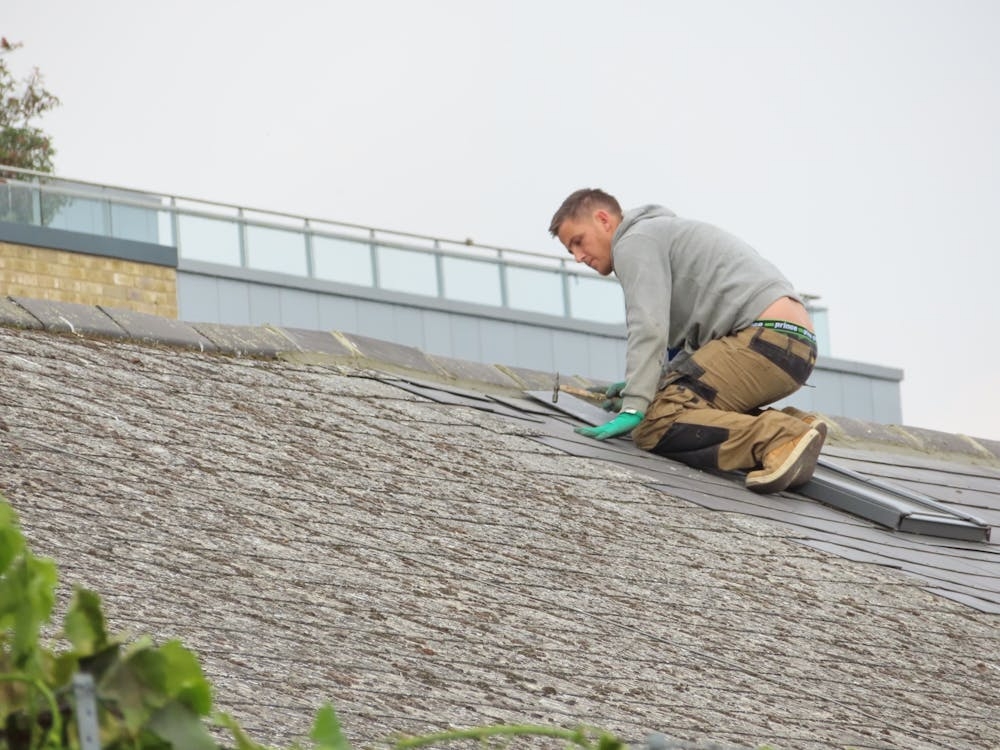
Exterior renovations work best when completed from the top down and from the outside in. This approach minimizes rework and protects newly completed surfaces.
A common renovation order includes:
Roofing repairs and underlying structural fixes
Siding installation and window replacements
Exterior paint and trim details
Porch, entryway, and railing updates
Lighting installation and hardware accessories
Landscaping (always save this for last)
Landscaping in particular should always come last. Workers, ladders, and material deliveries will damage plantings. No matter how eager you are to see the finished picture, hold off on the softscape until the hardscape is fully complete.
Step 4: Get bids with a design in hand
The single most effective way to get accurate, comparable contractor quotes is to have your material and color direction finalized before you start soliciting bids. When every contractor quotes the same scope — same siding material, same trim profile, same window style — you get numbers you can actually compare.
Without a design in hand, vague bids lead to misunderstandings, change orders, and projects that go over budget before they've really begun. A clear design brief reduces scope creep, speeds up the bidding process, and puts you in a stronger position to negotiate.
Powering your renovation and your home the smart way
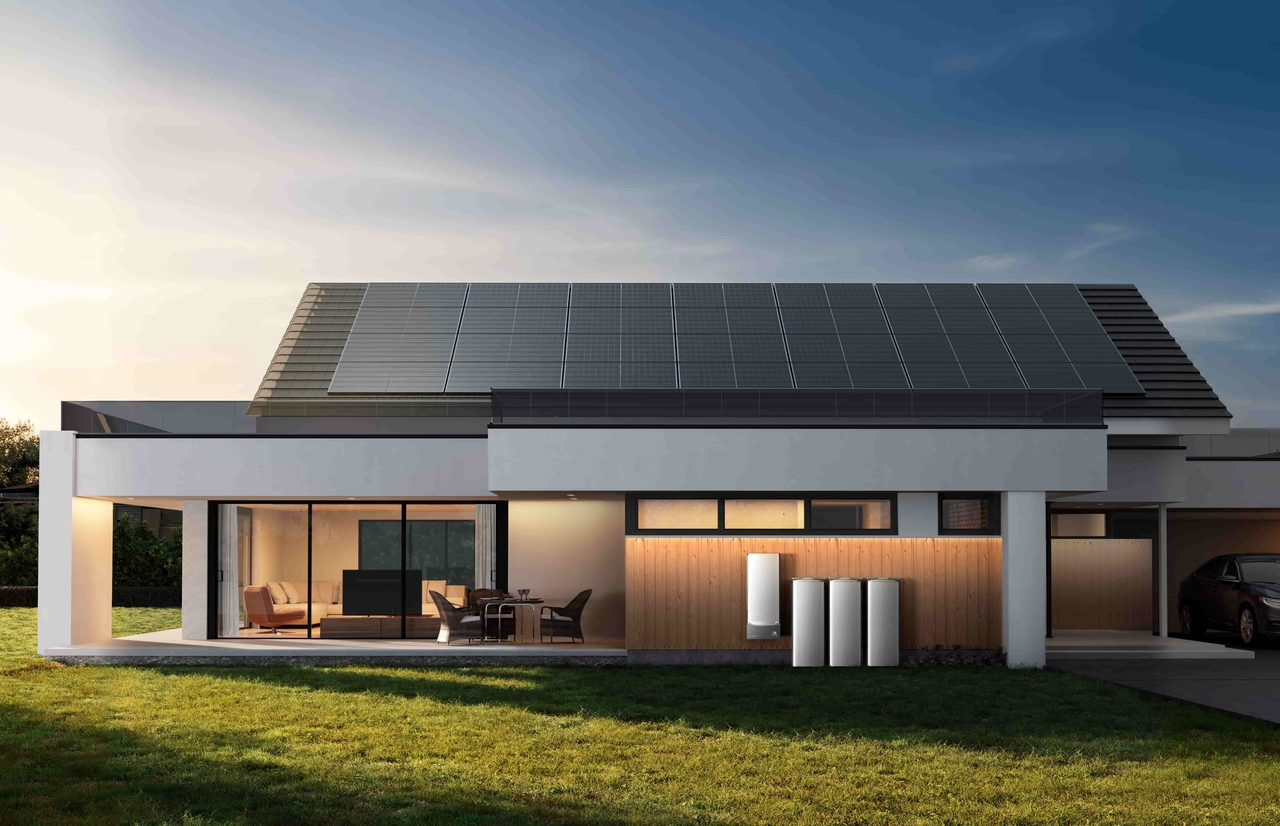
A whole-home renovation is also the right time to consider your home's energy resilience, not just its appearance. Outdoor upgrades like security cameras, smart lighting, EV chargers, and outdoor kitchen appliances all increase your home's total power demand. Planning for that demand upfront is far smarter than retrofitting solutions later.
This is where a system like the EcoFlow Ocean Pro fits naturally into the renovation conversation. Designed as a home energy ecosystem for families, the Ocean Pro scales from 10kWh to 80kWh, supports solar input up to 40kW, and works seamlessly alongside generators and portable power stations.
From keeping landscape lighting and security systems running to supporting heavy appliances during an outage, the EcoFlow Ocean Pro handles it all without disrupting your daily routine. It's a long-term investment in your home's resilience: one that works quietly in the background, so your family never has to worry about losing power again.
As you build your renovation plan, it's worth considering your home's energy readiness alongside its curb appeal. The two are more connected than most homeowners realize.
Get Your Free Home Energy Consultation!
Which energy solution are you interested in?


Common outside home renovation mistakes to avoid
Even well-intentioned projects go sideways. Here are the most frequent mistakes — and how to sidestep them:
Starting with cosmetics before fixing structural issues: New paint won't save rotting siding. Always address moisture, structural damage, and roofing problems before purely aesthetic upgrades.
Picking colors from swatches alone: Paint chips and digital renderings look nothing like actual paint on your home's specific orientation and lighting. Always test large samples on the wall.
Mismatched materials after additions: When building an addition, match the original siding, trim profile, and roofline as closely as possible — or plan a coordinated refresh of the entire exterior at the same time.
DIY-ing work that requires permits: Electrical, structural, and roofing work in most jurisdictions requires licensed contractors and inspections. Unpermitted work creates problems at resale and can void your homeowner's insurance.
Landscaping before siding and painting are complete: Workers and ladders damage plantings. Always finish the hardscape before the softscape.
Conclusion
A well-planned outside home renovation can dramatically improve your home’s appearance, protection, comfort, and long-term value. From upgrading siding and roofing to refreshing entryways and lighting, every improvement contributes to a more polished and functional exterior. The key is to start with a clear vision, prioritize structural needs first, and follow a coordinated renovation plan that keeps materials and design elements consistent. As you plan, focus on what matters most to your family's daily comfort and security. Take this opportunity to explore inspiring design ideas. If you are ready to ensure your home's infrastructure is just as modern as its new exterior, take a moment to evaluate your power readiness. Book a free consultation today to speak with our energy expert and design a seamless, backup ecosystem tailored to your remodeling goals.
FAQs
How long does an exterior renovation take?
Timelines vary by scope. A simple paint and trim project can take 1–2 weeks. A full outside home renovation (siding, windows, and roof) typically takes 4–8 weeks of active work. Planning, material ordering, and permitting can add another 2–6 weeks.
How much does it cost to remodel the outside of a home?
A minor paint and trim update ranges from $5,000 to $15,000. Comprehensive renovations—including high-quality siding, windows, and roofing—typically cost between $30,000 and $75,000+, depending on regional labor and materials.
Does exterior renovation increase home value?
Yes. Well-planned outside home renovations often deliver excellent ROI. Projects like new siding, roofing, windows, and entry upgrades frequently recoup 70–100%+ of the investment through improved curb appeal and buyer perception.
Do I need a permit for outside home renovation?
It depends on the work. Minor painting or landscaping usually doesn’t require permits, but roofing, siding replacement, windows, structural changes, or additions often do. Always check with your local building department before starting.
Should I replace the roof during my outside home renovation?
It’s highly recommended if your roof is 15+ years old or showing wear. Replacing it together with siding and windows creates a unified, high-value look and prevents having to redo scaffolding or disrupt the new exterior later.

