
Hidden Dangers of Keeping an Old Electrical Panel in Your Home Today
Your home's electrical system is its beating heart, but an old electrical panel can act like a ticking time bomb. Decades ago, households didn't require the massive power loads needed today to run modern appliances, HVAC systems, and EV chargers. Relying on an outdated setup often leads to overloaded circuits, melted wires, or devastating electrical fires. As you explore upgrading your infrastructure, incorporating a modern home battery backup can seamlessly modernize your property, ensuring both safety and energy resilience against grid failures.
The Hidden Risks of an Outdated Breaker Box
When families live in older historic homes, the electrical infrastructure usually stays out of sight in a basement or utility closet. However, keeping an older breaker box operational carries significant safety hazards for the entire household. Understanding these mechanical failures helps property owners prevent catastrophic damage before an emergency occurs.
Fire Hazards from Aging Insulation
Electrical components naturally degrade over time due to continuous thermal cycling and age. When internal wires loosen or protective insulation frays, electrical arcing occurs across the gap. This arcing generates intense heat that can ignite nearby dry wood, dust, or drywall. Homeowners often ignore early warning signs, yet understanding the common causes behind AFCI breaker tripping reveals how dangerous arcing and loose connections inside an aging enclosure create immediate fire hazards.
Lack of Proper Grounding
Many residential systems built before the 1970s lack adequate grounding pathways. Grounding wires provide a safe escape route for stray electricity whenever a short circuit happens. If a wiring fault occurs in an ungrounded setup, rogue electricity has nowhere to go except into metal appliance casings or into a person touching a switch. This design defect creates severe shock risks that modern building codes strictly forbid.
Severe Overloading Dangers
Modern families consume drastically more electricity than households did forty years ago. An obsolete 60-amp or 100-amp panel simply cannot distribute the amperage required for today's high-definition televisions, laundry machines, and home computers. When an older panel faces daily demand that exceeds its maximum rating, wires overheat continuously. This constant strain leads to frequent breaker tripping, scorched terminal bars, and dangerous voltage drops across the home.
Common Outdated Panels That Must Be Replaced
Certain brands and styles of old electrical panels have been recalled by manufacturers or blacklisted by major insurance providers due to massive failure rates. Identifying whether a residence relies on one of these obsolete hardware designs is a critical step in residential maintenance.
Panel Type | Years Installed | Primary Safety Defect | What Happens During an Overload |
|---|---|---|---|
Federal Pacific Electric (FPE) | 1950s to 1980s | Defective Stab-Lok breakers | Breakers fail to trip, causing melted wires and fires |
Zinsco Panels | 1960s to 1970s | Faulty aluminum alloy bus bars | Breakers melt onto the bus bar and cannot shut off current |
Split-Bus Panels | 1950s to 1970s | No single main disconnect switch | Up to six breakers must be thrown to cut house power |
Fuse Boxes | Pre-1960s | Ceramic fuses with low amp capacity | Fuses blow constantly under modern 200-amp living loads |
Federal Pacific Electric (FPE) Panels
Federal Pacific Electric panels were installed in millions of American homes between the 1950s and the 1980s. Independent testing later revealed that FPE Stab-Lok breakers have a notoriously high failure rate. When a circuit overloads, these breakers often fail to trip. Electricity continues pouring through wires that are too thin to handle the heat, leading directly to melted insulation and house fires.
Zinsco Panels
Zinsco panels were another popular option in residential construction decades ago, but they suffer from a dangerous internal design flaw. The internal bus bars were manufactured from an aluminum alloy that corrodes easily. Over time, poor contact between the breaker and the bus bar generates extreme heat, causing the breaker casing to melt directly onto the metal bar. Once fused together, the breaker cannot trip even during a direct short circuit.
Split-Bus Electrical Panels
Split-bus panels do not have a single main circuit breaker that shuts off electricity to the entire house. Instead, the top half of the panel holds up to six double-pole breakers for major appliances, while one of those breakers controls the bottom half for lighting and outlets. Because emergency responders cannot shut off all power with one motion, split-bus layouts no longer comply with modern safety codes.
Traditional Ceramic Fuse Boxes
Homes built before 1960 often relied on fuse boxes instead of resettable circuit breakers. While ceramic fuses can protect basic circuits if sized correctly, older fuse boxes were built for 30-amp to 60-amp total house capacity. Today, homeowners who try to run air conditioners and kitchen appliances on old fuse boxes often experience constant outages or resort to unsafe workarounds like installing oversized fuses.
Signs It's Time for a Replacement and Upgrade
Property owners do not need to be certified electricians to spot the warning signs of a failing old electrical breaker box. Paying attention to physical clues around a utility closet can prevent emergency breakdowns. When evaluating a property's total energy capacity, homeowners can explore a modern Home Energy Ecosystem to understand how upgraded wiring supports clean, uninterrupted power for every room.
Flickering or Dimming Interior Lights
When ceiling lights dim or flicker every time the refrigerator compressor or microwave turns on, the distribution panel is struggling to balance the load. This voltage drop means existing circuits cannot deliver steady current to multiple appliances simultaneously.
Persistent Burning or Ozone Smells
An ozone odor or a scent like melting plastic near the breaker box indicates a severe electrical emergency. This smell means wires or plastic breaker casings are actively scorching inside the metal enclosure. Anyone who notices a burning smell around their electrical panel should contact an emergency licensed electrician immediately.
Frequent Breaker Tripping
Circuit breakers are designed to shut off automatically when a line draws more current than the wire can handle. While tripping prevents overheating, a system that trips multiple times a week is signaling that its total capacity is dangerously maxed out. Continuous resetting wears out internal spring mechanisms and eventually causes breaker failure.
Warm Panel Covers and Discoloration
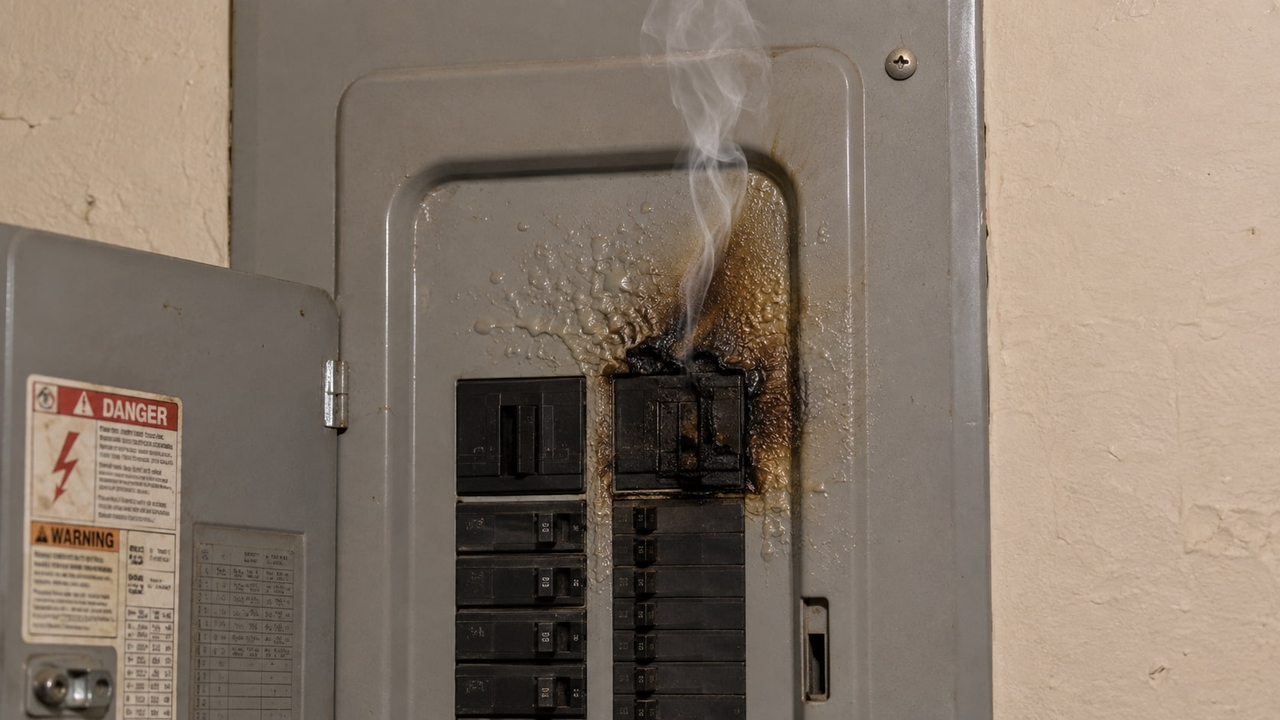
An electrical enclosure should always feel cool to the touch. If the outer metal door feels warm, or if dark scorch marks appear around switches and terminal screws, internal resistance is generating dangerous heat that requires an immediate hardware upgrade.
Modernizing Your Electrical Infrastructure
Replacing an aging breaker box does more than remove fire hazards. An electrical upgrade transforms an outdated home into a property capable of handling high-demand modern technology. Moving from a legacy 100-amp service to a modern 200-amp or 400-amp panel ensures stable voltage for computers, electric water heaters, and future solar panel arrays.
Modernizing the electrical infrastructure also protects delicate microchips inside smart appliances. Older systems often suffer from minor voltage spikes and harmonic distortion that quietly damage sensitive circuit boards. A newly installed panel equipped with whole-home surge protection provides clean, well-regulated electricity that extends the operating life of valuable household equipment.
Integrating Smart Energy Management
Upgrading an outdated electrical panel provides the perfect opportunity to introduce intelligent load management, especially for households that rely on heavy-draw appliances. Modernizing a residence with a home battery backup allows families to manage daily consumption seamlessly.
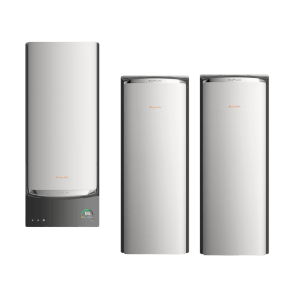
For example, integrating the EcoFlow OCEAN Pro Solar Battery System into an upgraded residential setup provides up to 24kW of continuous output. This robust power capacity easily supports demanding household loads like central HVAC systems, well pumps, and electric ranges, keeping the entire property operational during unexpected grid outages.

Beyond supplying emergency backup during storms, this advanced battery system acts as a proactive energy manager for everyday living. By utilizing Intelligent Mode, the system automatically monitors household patterns and shifts heavy energy loads to off-peak hours when utility electricity is cheapest. During a typical summer afternoon when time-of-use rates spike, the battery discharges stored low-cost energy to run the home. This automated scheduling helps property owners maximize monthly bill savings without compromising daily comfort or total power capacity.
Get Your Free Home Energy Consultation!
Which energy solution are you interested in?

Are you ready to resolve your uncertainty about home battery backups? We can help you protect your modernized historic property against power outages and rising utility rates. Request a consultation today to find the perfect energy solution for your home.
Planning Your Upgrade and Next Steps
Replacing an electrical panel is absolutely not a DIY project. The installation requires pulling local building permits, coordinating utility power shut-offs, and ensuring every connection meets the strict safety standards of the National Electrical Code (NEC).
Hire a Licensed Professional Electrician
Always work with a certified, licensed electrician who can calculate a home's total load requirements accurately. Professional installers inspect incoming service cables, verify proper grounding rods, and guarantee that all internal wiring conforms to regional safety laws.
Account for Future Appliance Additions
Homeowners should inform their electrician if they plan to add an electric vehicle charger, a swimming pool heater, or an electric heat pump in the coming years. Sizing a new breaker box with extra amperage and spare breaker slots prevents the need for another costly panel upgrade later.
Contact Your Homeowner's Insurance Provider
Property owners should notify their insurance agent as soon as an outdated breaker box replacement is complete. Removing blacklisted hardware like Federal Pacific or Zinsco panels often removes surcharge penalties and can significantly lower annual insurance premiums.
Conclusion
An old electrical panel is more than an inconvenience; it represents a serious safety hazard that threatens residential properties with fire, shock, and sudden power loss. Outdated setups like Federal Pacific, Zinsco, split-bus panels, and ceramic fuse boxes were simply never engineered to handle the electrical demands of modern households.
By spotting warning signs such as flickering lights, burning odors, and frequently tripping breakers, homeowners can address electrical weaknesses before they turn into costly emergencies. Replacing an obsolete breaker box with a modern panel and integrating intelligent energy storage creates a safer, more resilient home that protects both families and valuable electronics for decades to come.
FAQs
How much does it cost to replace an old electrical panel?
Replacing an old electrical panel usually costs between $1,500 and $4,000 depending on amperage and local permit fees. Homeowners upgrading to 200-amp service often pair their new panel with an EcoFlow OCEAN Pro to gain backup power and reduce monthly energy costs.
Are old electrical panels grandfathered in?
Old electrical panels are legally grandfathered in under local building codes until a major renovation occurs. However, insurance providers often refuse coverage for known hazards like Zinsco or Federal Pacific breaker boxes due to extreme fire risks.
What is considered an outdated electrical panel?
An electrical panel is outdated if it is over 30 years old, uses ceramic fuses, or has less than 100 amps of capacity. Obsolete brands like Federal Pacific, Zinsco, and split-bus designs also qualify as outdated due to high breaker failure rates.
Can I upgrade my electrical panel without rewiring my house?
Yes, a licensed electrician can usually replace an electrical panel without rewiring the entire house. As long as existing branch circuit wires remain in good condition, professionals simply connect them safely to newly installed modern circuit breakers.

