
Surviving Monsoon Season in Arizona: Weather Facts and Safety Strategies
The Arizona monsoon season brings a dramatic shift to the desert landscape, transforming hot, dry days into sudden, violent weather events. While the rain is vital for the ecosystem, the extreme conditions often result in flooded roadways, dangerous lightning, and sudden utility grid failures. Getting a house ready for the monsoon season Arizona faces every year takes a little bit of planning. This guide breaks down what triggers these seasonal storms and outlines the primary hazards to watch for. It also covers how adding a reliable home battery system keeps houses powered and comfortable when the local grid goes down.
What are monsoons and how do they form?
The term actually refers to a seasonal wind shift. While people commonly use the word to talk about heavy rain, it technically describes the wind patterns that pull moisture into a dry area. In the American Southwest, this wind change brings humidity into a region that stays dry for most of the year. Getting familiar with these weather changes is a smart first step for anyone exploring what to do when the power goes out before the skies darken.
Intense desert sun bakes the ground during the early summer. This surface heat warms the air directly above it, causing that air to rise quickly. This rising action forms a low-pressure zone called a thermal low. At the same time, high pressure builds over the cooler ocean waters down by Mexico. Because air naturally travels from high pressure to low pressure, winds start dragging moist air northward.
Trouble starts when that warm, wet air moves across the flat desert and hits the Southwestern mountain ranges. The rocky terrain forces the air upward into cooler atmospheric layers. As the air cools off, the trapped moisture condenses into clouds and falls as heavy rain.
When is monsoon season in Arizona?
People often ask when is monsoon season in Arizona to figure out their summer travel and property maintenance plans. The timeline follows a set pattern every year, mostly driven by rising temperatures.
The National Weather Service sets the official Arizona monsoon season dates from June 15 through September 30. Meteorologists created this fixed window for 2026 to make tracking storms and issuing public safety alerts easier. For those wondering, "When does monsoon season start in Arizona?" marking June 15 on the calendar serves as a good reminder to finish up home preparations, even if it doesn't rain that exact day.
The official season stretches for months, but the heaviest storm activity generally hits between mid-July and mid-August. Atmospheric moisture hits its highest levels during this stretch. The daily baking of the desert floor sparks isolated thunderstorms by the late afternoon. Because utility drops happen frequently during these weeks, many property owners start looking into whole-home backup power solutions to bridge the gap.
What are the main Arizona monsoon hazards?
Summer storms carry a handful of specific environmental risks. Knowing exactly what to look for helps communities handle emergencies calmly.
Powerful downdrafts hit the dirt before the rain even starts falling. These winds kick up loose, dry soil and push it forward like a massive wall. A dust storm can stretch for miles, dropping visibility to zero in just a few seconds. Drivers caught in these conditions should pull far off the highway. Turn off all vehicle lights, keep your foot off the brake pedal, and simply wait it out.
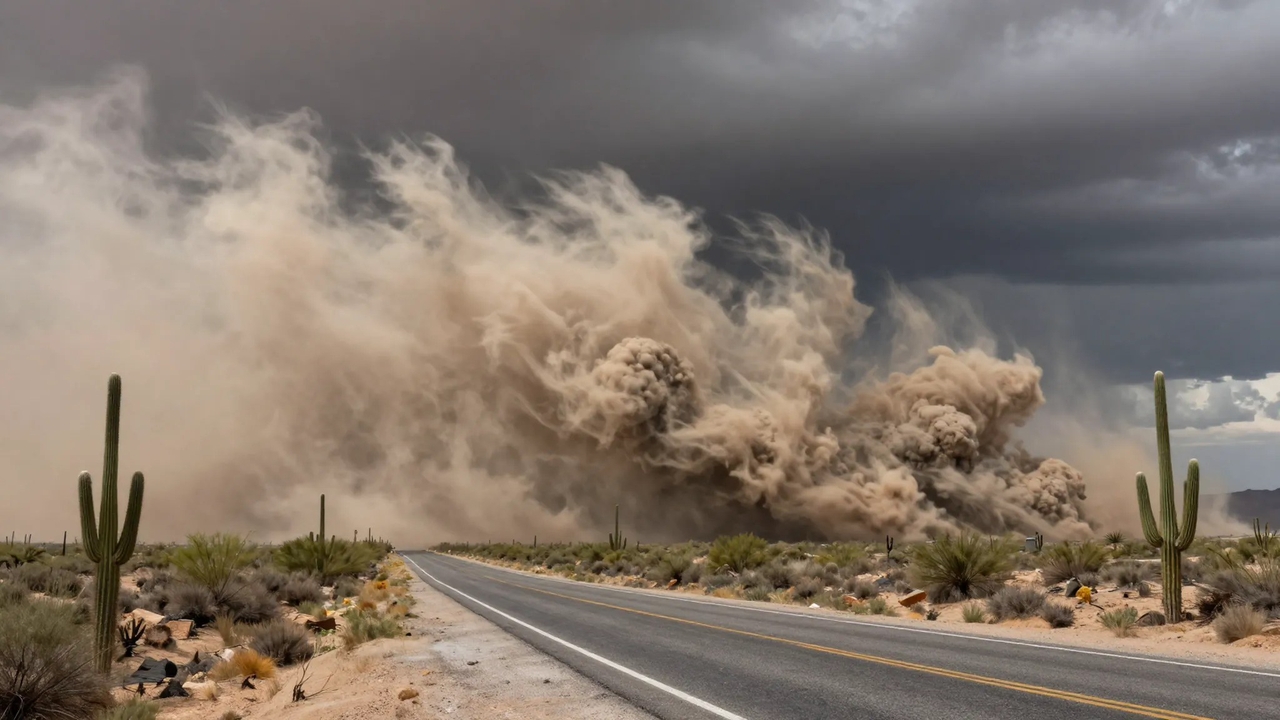
Flash flooding
Baked desert soil acts almost like concrete. It does not absorb water well at all. When heavy rain drops fast, water travels directly over the surface. Dry washes fill with rushing water in a matter of minutes. A storm miles away in the mountains can easily send a wall of water into a sunny, lower-elevation neighborhood. Just six inches of moving water holds enough force to knock a person down.
Microbursts and wind
A microburst happens when a localized column of sinking air drops out of a thunderstorm. When this heavy, rain-cooled air smacks the ground, it spreads outward violently. Wind speeds inside a microburst frequently top 100 miles per hour. That is enough force to uproot old trees and snap wooden utility poles in half.
Lightning
Summer storms throw down frequent lightning strikes. Dry brush early in the season makes these strikes a top cause of regional wildfires. They also pose a major threat to local power infrastructure. One direct hit on a neighborhood transformer can knock out electricity for hours.
How to stay safe during monsoon storms
Taking a few practical steps before the sky turns dark keeps properties and families secure.
Protect your home before the storm
Routine maintenance acts as the best defense against weather damage. Checking off a few basic tasks limits the chance of structural issues:
Check the roof for loose tiles or damaged shingles that high winds might tear off.
Trim back overgrown trees and cut away dead branches hanging near power lines.
Clear out gutters so rainwater flows easily away from the home's foundation.
Tie down patio furniture and trash cans so they don't blow away during a microburst.
Prepare for power outages
High winds and lightning make the regional power grid incredibly fragile. Neighborhoods often lose electricity right as Arizona's extreme heat monsoon storms reach their peak. Sitting in a house without air conditioning during a 110°F (43.3°C) heatwave turns uncomfortable very quickly.
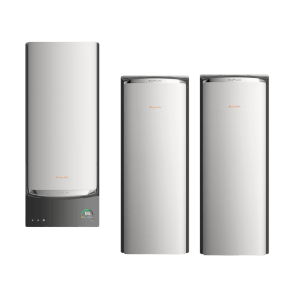
The EcoFlow OCEAN Pro Solar Battery System offers a solid energy reserve when local transmission lines fail. With a <10 ms UPS-grade switchover time, the system kicks in fast. It picks up the electrical load automatically before appliances even register the blackout.

Delivering up to 24 kW of continuous output and a 205A LRA, the Ocean Pro easily handles heavy household demands. It supports running two 5-ton HVAC units at the same time, keeping the indoor climate cool when storms knock out power. During normal daily use, its Intelligent Mode automatically shifts power usage to off-peak hours. This feature helps lower daily energy bills while keeping the system charged for sudden grid drops.
Picture a late July evening. A microburst knocks over a utility pole a few streets over. Instead of sitting in the dark waiting for repair trucks, a house with this setup just sees a quick flicker. The air conditioning keeps blowing cold air, and the refrigerator stays on. It turns a frustrating regional blackout into a quiet night indoors.
Get Your Free Home Energy Consultation!
Which energy solution are you interested in?
Dealing with an unpredictable local grid creates unnecessary stress. We help property owners evaluate backup setups built for heavy desert demands. Request a consultation today to find an energy solution that fits your specific household needs.
Conclusion
Living in the Southwest means adapting to sudden weather shifts. Knowing what triggers these summer storms helps communities stay grounded. Handling property maintenance early and keeping a reliable backup energy source on hand makes a big difference. With the right setup, learning how to stay safe during monsoon storms becomes a routine part of summer rather than a stressful ordeal.
FAQs
What is the monsoon season in Arizona?
It is a weather pattern running from June 15 to September 30 caused by a shift in wind direction. The resulting combination of intense summer heat and drawn-in humidity triggers thunderstorms and heavy rainfall across the state.
What should I do if my power goes out during a storm?
Report the outage and keep refrigerator doors closed. Homes with an EcoFlow OCEAN Pro Solar Battery System automatically switch over in under 10 milliseconds, allowing heavy appliances to continue running smoothly.
Why do dust storms happen before the rain?
Developing thunderstorms push heavy, cold air downward. When this fast downdraft hits the dry desert floor, it spreads outward quickly. This wind kicks up loose dirt, forming a massive dust wall that rolls through before the rain actually arrives.

