
Is My House Good for Solar? Key Factors Every Homeowner Must Check
Thinking about installing panels but unsure of the property's viability? A proper solar energy assessment goes far beyond just looking at the roof. It evaluates energy usage, local climate, and future household needs. Understanding these factors early helps homeowners make informed decisions. It also avoids expensive surprises and maximizes long-term savings.
If preparing for future power needs is a priority, exploring how a dependable home battery backup fits into the overall solar strategy from day one is highly recommended. It creates a clear path to lasting energy resilience.
Here is a breakdown to help evaluate the residential solar potential of any property.
What Determines Whether Your House Is Good for Solar?
Thinking about installing panels but unsure of the property's viability? A proper solar energy assessment goes far beyond just looking at the roof. It evaluates energy usage, local climate, and future household needs. Understanding these factors early helps homeowners make informed decisions. It also avoids expensive surprises and maximizes long-term savings.
If preparing for future power needs is a priority, exploring how a dependable home battery backup fits into the overall solar strategy from day one is highly recommended. It creates a clear path to lasting energy resilience.
Here is a breakdown to help evaluate the residential solar potential of any property.
What Determines Whether Your House Is Good for Solar?
The process begins with evaluating the core criteria that determine solar viability. Checking these physical characteristics early will reveal how much energy a home can realistically produce. Assessing roof compatibility is a great starting point to understand how different materials support panel installation.
The Importance of Roof Orientation and Pitch
In the United States, south-facing roofs generally yield the highest annual production. The sun tracks across the southern sky. As a result, a southern orientation captures light for the longest duration of the day. East and west orientations can still work well, especially for capturing afternoon sun during peak rate hours.
Roof pitch also matters significantly. An angle between 15 and 40 degrees provides better direct sunlight exposure throughout the year. According to the Department of Energy, residential rooftops tilted within this range perform optimally.
Assessing Shading and Local Sunlight Availability
Even a perfectly angled roof will underperform if heavily shaded by trees or neighboring buildings. Installers evaluate "sun hours." This metric refers to the amount of direct, unobstructed sunlight a roof receives daily.
A home might get 12 hours of daylight, but only 4 hours of strong, direct sunlight suitable for high power generation. Obstacles like large chimneys, nearby construction, or mature oak trees can block this light. Removing a few branches is often a simple fix. However, if a neighboring multistory building casts a permanent shadow, alternative placement on a garage might be required.
Factor | Ideal Condition | Why It Matters |
|---|---|---|
Roof Direction | South-facing (US) | Maximizes daily and annual power production. |
Roof Pitch | 15°–40° angle | Captures optimal sunlight across different seasons. |
Shade | Minimal to none | Prevents drastic drops in energy generation. |
Roof Age | 10+ years remaining | Avoids the cost of removing panels for a roof replacement. |
How to Perform a Basic Solar Energy Assessment
Homeowners do not need to wait for a professional to start evaluating their property. Taking a few actionable steps first can speed up the process. It also ensures the property is a prime candidate for solar power for your home.
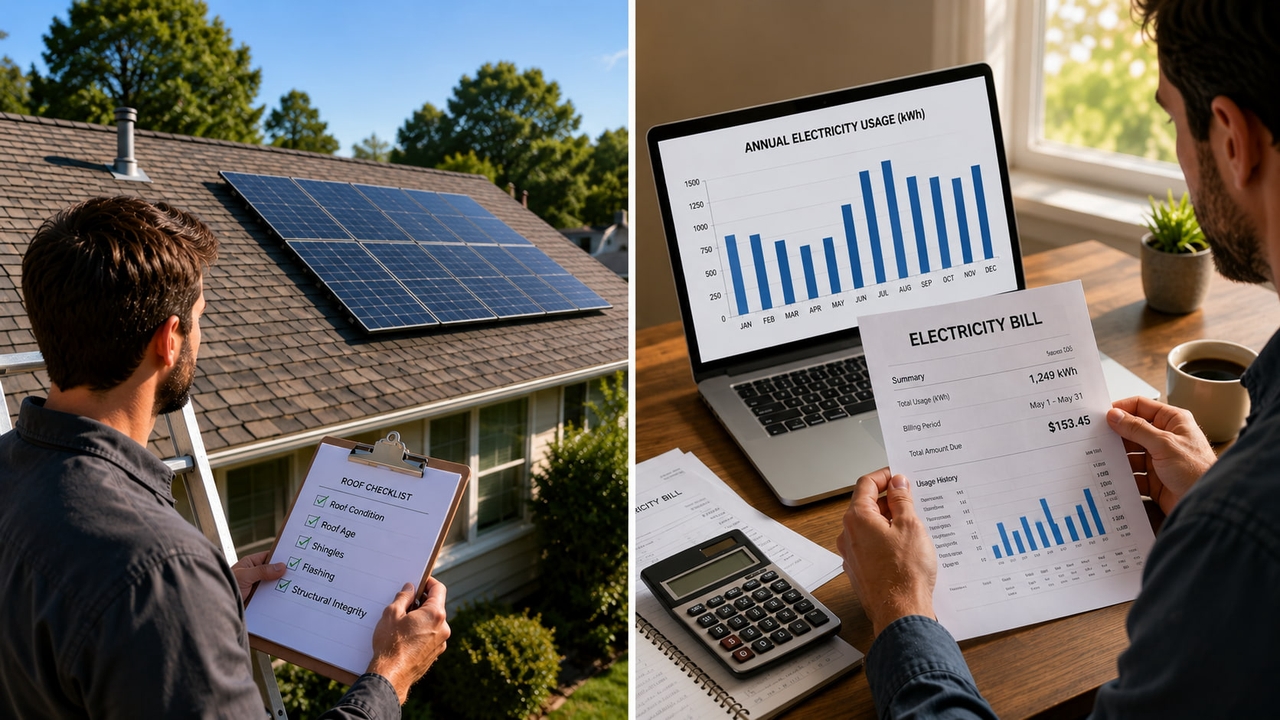
Examine Your Roof Condition and Age
Solar panels typically last 25 years or more. Because of this long lifespan, the structure holding them must be equally durable. If an asphalt composite roof is nearing the end of its lifespan, replacing it before installation is highly recommended.
Taking panels off a roof to do repairs later results in double labor costs. Contractors charge to detach the system, store the hardware, and then reinstall everything once the new shingles are down. Therefore, getting the roofing work out of the way first is always the smartest financial move.
Review Your Annual Electricity Usage
Understanding energy consumption is another critical step. Collect 12 months of utility bills to understand the average kilowatt-hour consumption. Looking at just one month is misleading. For instance, summer bills spike due to air conditioning, while spring months might show very low usage.
This baseline dictates the exact size of the solar array needed to offset electricity costs. Installers use these historical numbers to design a system that fits household habits perfectly.
Common Reasons a Home May Not Be Ideal (And Solutions)
Sometimes, a property presents immediate challenges for anyone wondering, "Is my house good for solar power." It is helpful to know these roadblocks early. Fortunately, modern technology and creative design offer practical workarounds for most situations.
Overcoming Structural and Space Limitations
A home might face challenges like excessive shading or limited square footage. A small roof simply cannot hold 20 standard panels. In these cases, a professional solar site assessment can identify alternative solutions.
For example, homeowners with small roofs often upgrade to premium, high-efficiency solar panels. These modules produce more wattage per square foot, making up for the lack of space. Similarly, if the main house is heavily shaded, contractors might suggest a ground-mounted system in the backyard. Another option is placing the array on an unshaded detached garage.
Challenge | Possible Solution |
|---|---|
Heavy shade | Tree trimming or alternative array placement on a garage. |
Small roof space | Upgrading to premium, high-efficiency solar panels. |
Older roof | Replace the roofing materials prior to solar installation. |
High energy bills | Improve home insulation and efficiency alongside solar. |
Solar Energy Assessment for a New Home
Building a new house offers a massive advantage. Designing the layout from scratch and incorporating solar strategies early saves thousands of dollars.
Planning Solar Before Construction
When building a new home, architects can optimize roof orientation, pitch, and electrical panel sizing during the design phase. They can ensure the largest roof plane faces the true south. They can also hide vent pipes on the north side, leaving a clean, unobstructed canvas for the panels.
Designing for Future Energy Needs
Forward-thinking designs always account for growing power demands. Modern households frequently adopt electric vehicles, heat pumps, and induction stoves. Anticipating these higher electrical loads prevents the system from being undersized later. Upgrading the main electrical panel upfront and pre-wiring the garage avoids expensive future headaches.
Planning Your Energy System for Long-Term Resilience
Prioritizing energy resilience early prevents costly future upgrades. Extreme weather continues to cause frequent power grid failures nationwide. During a multi-day summer blackout, a few lights are simply not enough. Families rely heavily on continuous climate control and food refrigeration to stay safe.
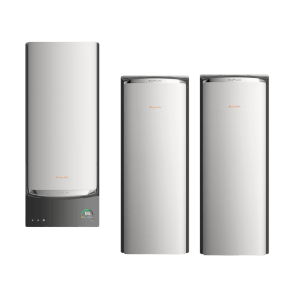
Integrating a robust backup like the EcoFlow OCEAN Pro Solar Battery System provides incredible flexibility. Its Intelligent Mode automatically shifts power consumption to off-peak hours to maximize solar returns. This smart scheduling keeps heavy-duty appliances running during unexpected outages without draining stored power too quickly.
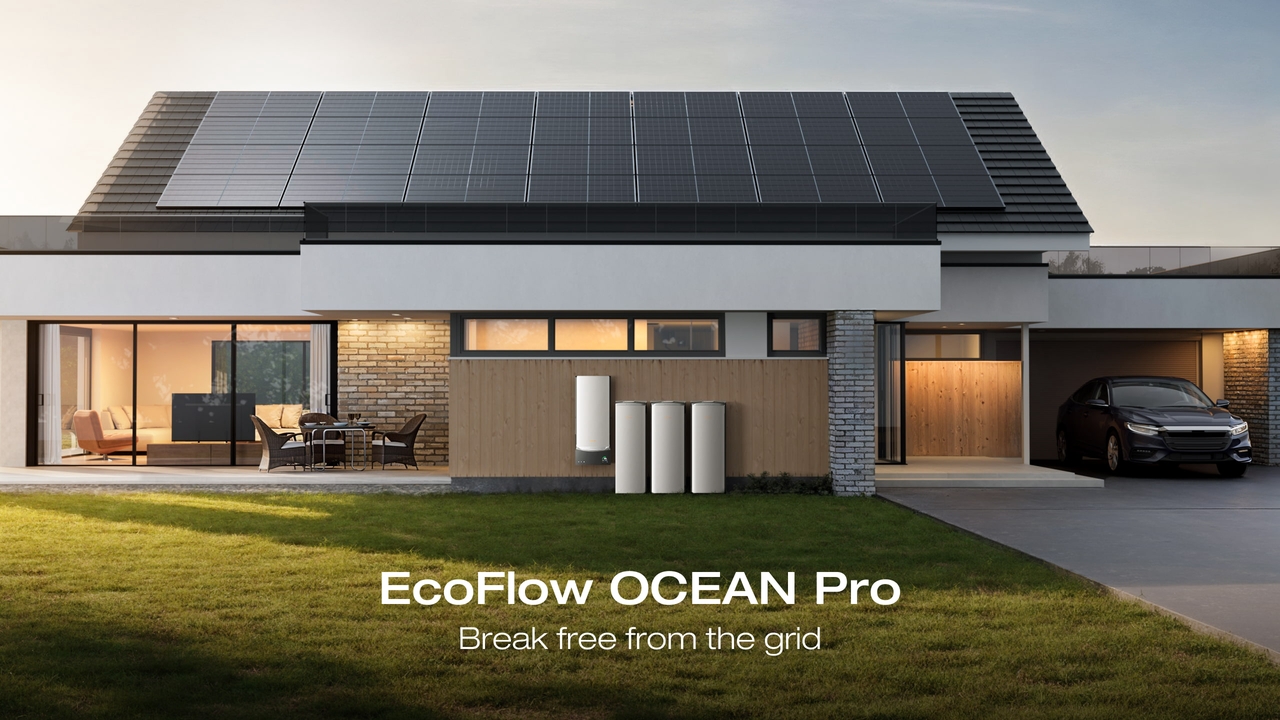
The EcoFlow Ocean Pro offers several major advantages to secure a property's energy future:
High-Capacity Solar Input: Supporting up to 40kW of PV input across 8 MPPTs allows professional installers to maximize generation across diverse roof angles.
Whole-Home Power: The 24kW EF-PCS-24 model delivers 24kW of continuous output and a 205A LRA. This easily runs demanding loads simultaneously, like two 5-ton HVAC units.
Scalable Energy Storage: Starting at a solid 10kWh baseline, the battery capacity seamlessly scales up to 80kWh as household electrical demands expand.
Get Your Free Home Energy Consultation!
Which energy solution are you interested in?
Are you ready to resolve uncertainty about home battery backups and solar compatibility? We can help you protect your modernized property. Request a consultation today to find the perfect energy solution for your home.
Navigating Local Zoning and HOA Regulations
Beyond the physical roof, legal and community rules dictate how a solar installation proceeds. Checking these regulations early keeps the project moving smoothly without legal interruptions.
Municipal Setbacks and Fire Codes
Local fire codes often require specific clearances on a roof. These rules exist for safety. According to the International Residential Code (IRC), which shapes local municipal fire standards nationwide, professional installers must leave a pathway setback of at least 36 inches (91.4 cm) from the roof edge. This empty space allows emergency access for first responders in case of a house fire. Firefighters need safe walking paths to ventilate the roof if necessary. Because of these setbacks, the usable square footage for panels is often smaller than the total roof area.
HOA Approvals and Solar Access Laws
Community rules can sometimes slow down a solar project. While many states have "solar access laws" that prevent Homeowner Associations from outright banning solar panels, they can still enforce some rules. They might dictate the aesthetic placement of electrical conduit. They may also ask that panels facing the street blend in with the roof color. It is always wise to review community bylaws and submit the system design to the architectural review board early in the solar assessment process.
Conclusion
When answering the question, "Is my house good for solar," homeowners must look at several interconnected factors. Roof orientation, shading, and local climate set the foundation for energy generation. Evaluating annual electricity usage ensures the system is sized correctly to cut monthly bills.
For older properties, updating the roof condition first is crucial. For new builds, planning for scalable energy storage creates lasting resilience. By taking a proactive approach to a solar site assessment, homeowners can secure a reliable, cost-effective energy future.
FAQs
How do I know if my house is suitable for solar?
A house is suitable if it has a structurally sound roof, preferably facing south, with minimal shading. Having enough usable surface area and a consistent electricity consumption history also guarantees a good return on the solar investment.
How to prepare for a home energy assessment?
Gather 12 months of utility bills to show historical energy usage. Ensure the attic and electrical panels are easily accessible for the inspector. Clear away any brush or debris around the exterior to make the exterior evaluation faster.
Can a house with some shade still use solar panels?
Yes, a house with partial shade can still utilize solar power effectively. Installers can use microinverters to optimize individual panels. Additionally, pairing the system with an EcoFlow Ocean Pro allows a home to store the maximum energy produced during peak sunny hours for use when the roof is shaded later.
How to do a site survey for solar?
A site survey involves measuring the roof dimensions, checking its pitch, and assessing the condition of the shingles. The inspector will also evaluate the main electrical panel's capacity, perform a shade analysis, and determine the safest path for running conduit.

