
What Roof is Best for Solar Panels? Exploring Top Material Choices
Deciding to switch to renewable energy involves evaluating your home's core structure. If you are wondering what roof is best for solar panels, you are not alone. The material, age, and angle of your rooftop directly impact system performance, installation costs, and long-term durability. Whether you are planning a complete renovation or just assessing your current layout, pairing a robust roof with a reliable home battery backup ensures your household remains fully powered during grid outages. In this breakdown, we will explore the top roofing materials and how to properly prepare your property for a successful installation.
Assessing Your Roof's Solar Potential and Structural Readiness
Before selecting individual panels, evaluating the property's physical layout is a critical first step. A house's shape and strength directly control how well it collects sunlight.
The Impact of Pitch and Azimuth
Solar panels perform best when facing the sun directly. In the Northern Hemisphere, south-facing planes capture the most light. Ideally, the roof needs a pitch between 15 and 40 degrees. This specific tilt maximizes sun exposure and allows rain to wash away dust, effectively making the system self-cleaning. Flat roofs require angled metal racking to prevent water and dirt from pooling on the glass.
Shading Analysis and Obstructions
Even the best roof cannot generate electricity in the dark. Conducting a thorough shading analysis reveals physical barriers like tall chimneys, vent pipes, and mature trees. These objects cast moving shadows, which stretch much longer during the winter. Removing or trimming these obstructions frees up valuable square footage to maximize daily energy production.
Evaluating Structural Load Capacity
Adding new hardware creates a stationary weight known as a "dead load." An average residential solar array adds 3 to 4 pounds per square foot (14.6 to 19.5 kg/sq m). Most modern homes handle this slight increase easily, but older historic properties often require closer inspection. To ensure the framing will not sag over time, scheduling a solar consultation helps verify if the building needs structural reinforcements before installation begins.
Evaluating Top Roofing Materials for Solar
Different roofing materials interact with solar hardware in unique ways. Here is a breakdown of the best type of roof options available for homeowners today.
Roof Material | Compatibility | Estimated Lifespan | Installation Ease |
|---|---|---|---|
Metal (Standing Seam) | Excellent | 40–70 years | High (Clamp-on mounts, no drilling) |
Asphalt Shingles | High | 15–30 years | High (Standard hardware and flashing) |
Clay / Concrete Tiles | Moderate | 50+ years | Low (Requires specialized bracket systems) |
Flat Roofs (TPO/EPDM) | High | 20–30 years | High (Weighted ballast systems available) |
Metal Roofs: The Unrivaled Champion
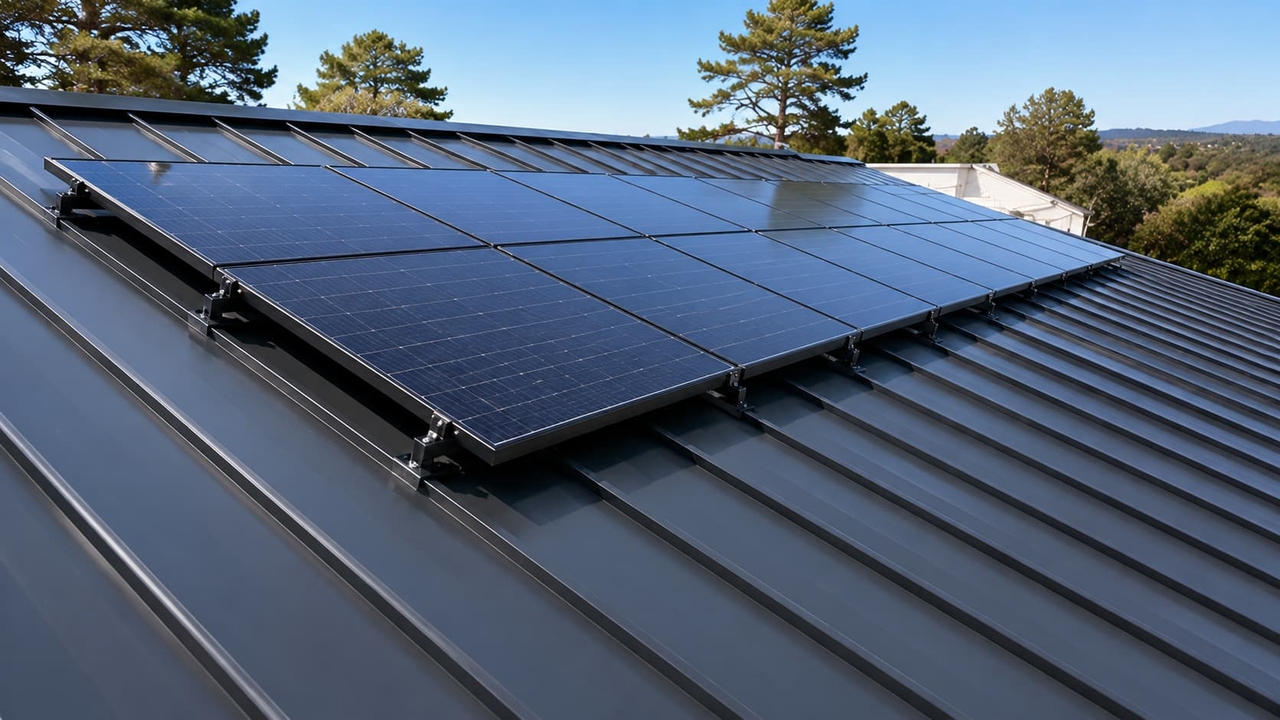
Standing seam metal is widely considered the absolute best roof for solar panels. These structures boast a remarkable lifespan of 40 to 70 years, easily outliving the 25-to-30-year lifespan of standard hardware. Installers use specialized clamps that securely grip the raised metal seams, mounting the entire system without drilling a single hole. This zero-drilling approach completely eliminates the risk of future leaks. Additionally, metal naturally reflects heat, which keeps the equipment cooler and operating efficiently during hot summers.
Asphalt Shingles: The Reliable Standard
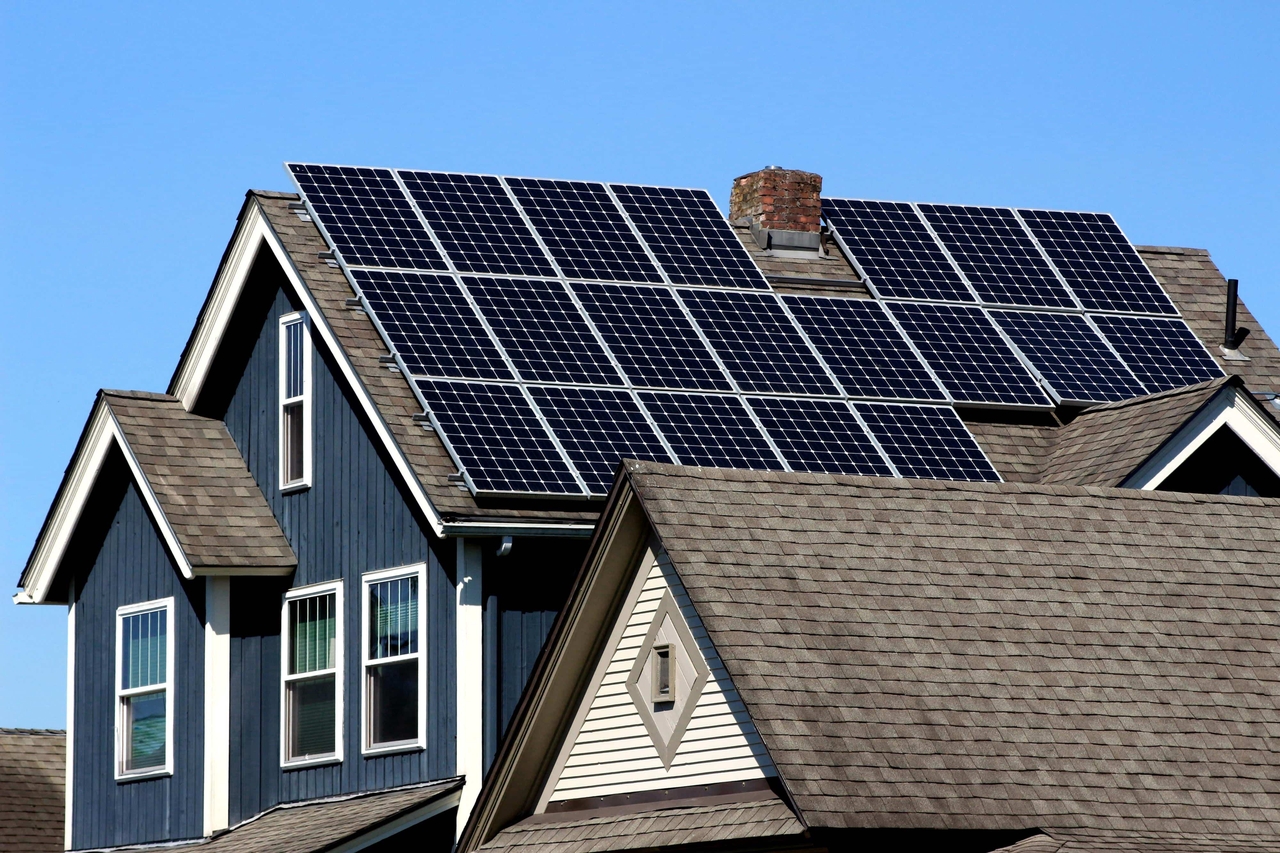
Asphalt shingles dominate the residential market. Because this material is so common, the solar industry has perfected the installation process. Crews carefully locate the underlying wooden rafters and drive lag bolts directly into the beams for secure mounting. To prevent water intrusion, they slide metal plates called flashing underneath the shingle above the hole and apply a high-grade waterproof sealant. This creates a tough, leak-proof base for decades.
Clay and Concrete Tiles: Beautiful but Complex
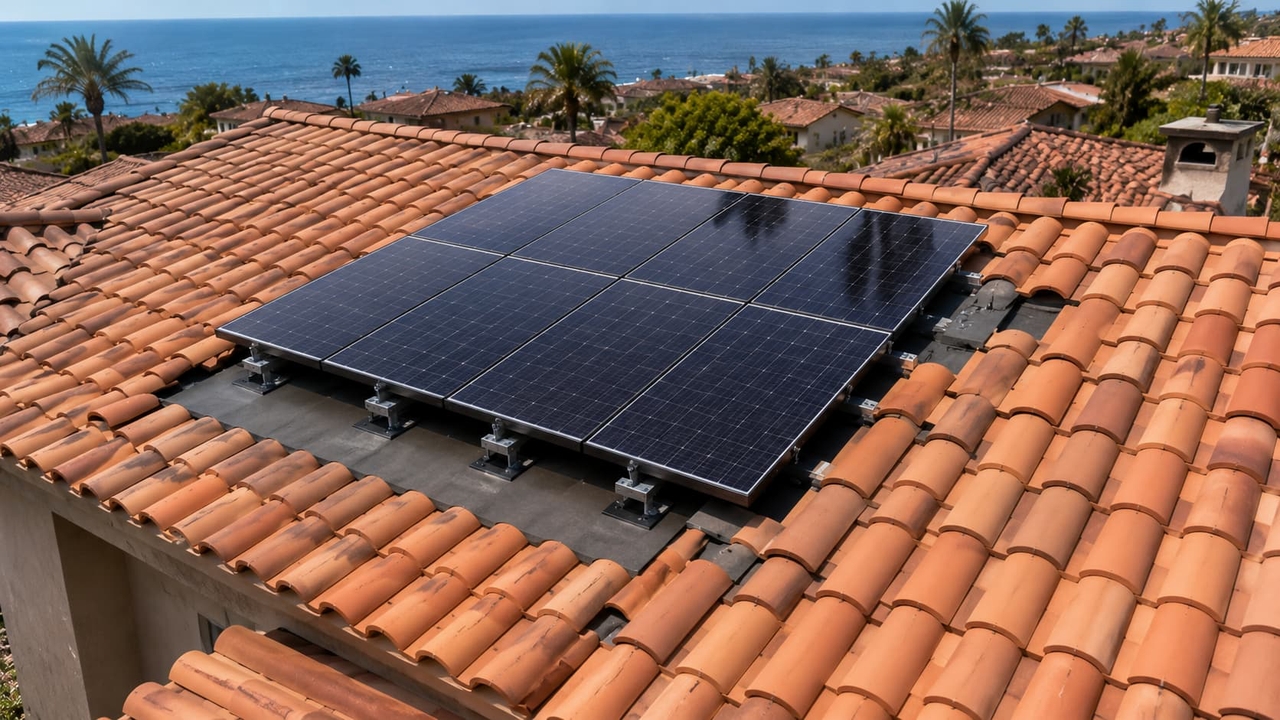
While Spanish clay and concrete tiles look beautiful and last over 50 years, they present unique challenges. Clay is naturally brittle, so walking directly on the surface often shatters the tiles. To install heavy arrays safely, professionals use the "comp-out" method. They remove a section of the brittle tiles, lay asphalt in the cleared space, secure the mounts, and carefully cover the work with specialized dummy tiles. This complex process requires highly skilled labor.
Flat and Low-Slope Roofs (TPO/EPDM)
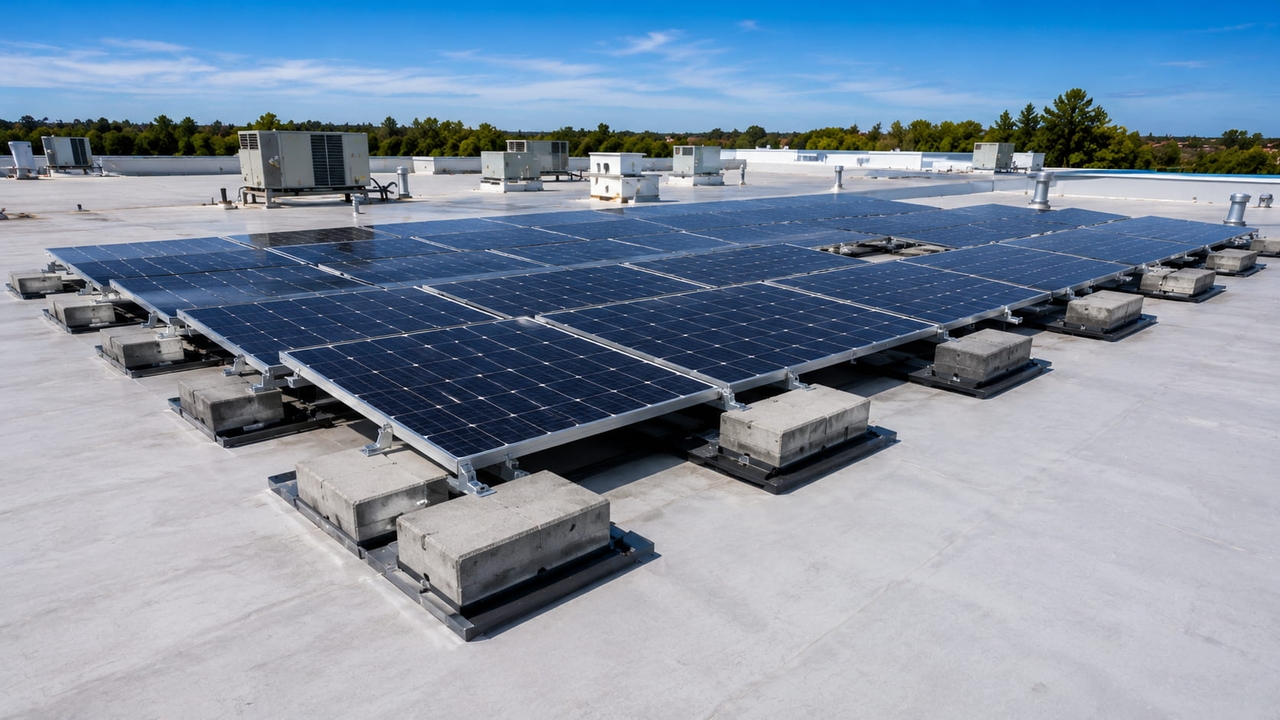
Flat and low-slope roofs typically feature rubber membranes like TPO or EPDM to create a massive waterproof seal. Instead of piercing this delicate membrane with drill bits, installers rely on weighted ballast systems. They place the hardware in metal trays and weigh the entire structure down with heavy concrete blocks. This gravity-based approach safely secures the arrays during high winds without creating any structural holes.
Preparing the Home for Solar Integration
After preparing the roof, attention must shift indoors. Generating clean rooftop electricity is only the first step. The property's existing infrastructure must safely handle this heavy new energy flow. Successfully integrating solar power for your home often means upgrading outdated electrical panels and installing solar storage systems.
Upgrading Electrical Components and Main Panels
The main breaker panel is the "brain" of a home's electrical system. It takes the power coming from the utility grid or the rooftop and safely distributes it to different rooms and appliances. Many older homes have outdated 100-amp panels. Running big modern wattages into a small older panel causes serious bottlenecks and fire hazards.
Updating this infrastructure is an important safety measure. Upgrading to a 200-amp panel or even a 250-amp panel makes sure the house is up to current electrical codes. The Department of Energy is placing a high priority on upgrading aging electrical infrastructure to meet the increasing demands of electric vehicles and renewable energy systems. A new panel will be able to handle the dual energy input from the grid and the new solar hardware just fine.
Integrating Whole-Home Power Backup
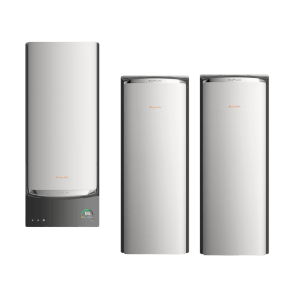
Generating electricity on a premium roof is only half the equation; storing that energy ensures the household remains resilient during grid failures. Pairing a new solar array with a robust storage system prevents stranded power during extreme weather events. Modern solutions process heavy loads and adapt seamlessly to shifting utility rates. For instance, the EcoFlow OCEAN Pro Solar Battery System features a 24kW continuous output, capable of starting demanding appliances like two 5-ton HVAC units simultaneously without straining the main panel.
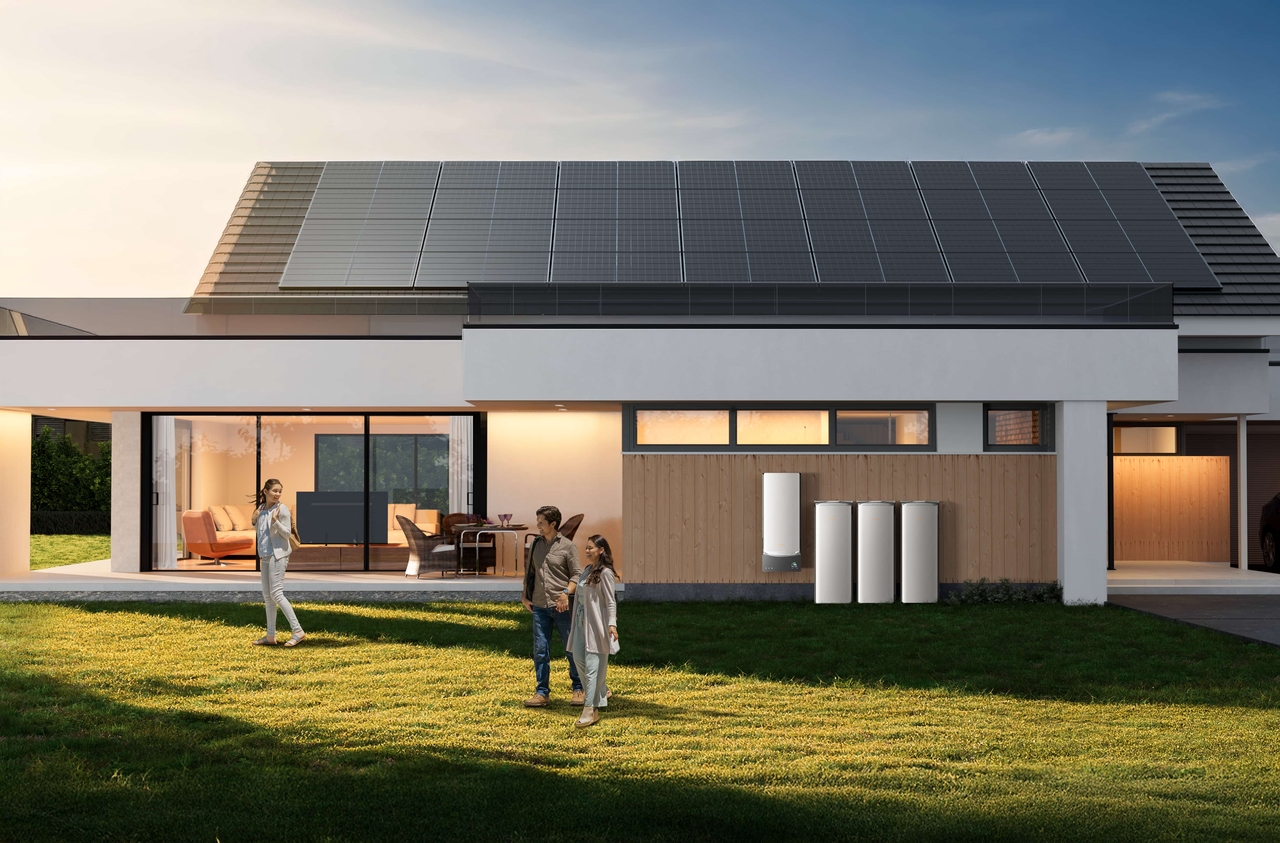
Homeowners can easily scale this capacity by linking multiple 10kWh battery modules, reaching up to 80kWh of total storage for extended off-grid independence. Furthermore, the system utilizes a built-in intelligent Mode to automatically shift household energy consumption to off-peak utility rates, actively driving down monthly costs.
Are you ready to resolve your uncertainty about home energy upgrades? We can help you navigate structural requirements and find the perfect power ecosystem for your property. Request a consultation today to secure your energy independence.
Get Your Free Home Energy Consultation!
Which energy solution are you interested in?
Navigating Costs and Long-Term Maintenance
Investment in renewable technology needs careful financial planning. Looking ahead, maximizing the return on the investment. With appropriate planning, there are no surprise costs, and the equipment will run without a hitch for decades.
Factoring in Premature Roof Replacements
Get the installation timing right, and you can save thousands of dollars. Homeowners with shingles older than 20 years should seriously consider replacing the roof before adding any new solar hardware, as most asphalt shingles have a lifespan of 20 to 30 years and replacing a roof underneath an existing solar system adds significant labor costs.
Finding the best roof for solar panels often comes down to knowing when an existing roof is approaching the end of its life. When aging shingles start leaking five years after they are installed, the homeowner has an expensive problem. An R&R (remove and reinstall) project is to remove the heavy electronic panels, store them safely, repair the underlying wood, and then reinstall the arrays. These R&R jobs are high on labor cost. If you pair a new energy system with a new surface on the outside, you'll align their useful lives nicely, and you won't have to pay the double labor costs.
Routine Upkeep for Solar Roofs
You might be surprised at how easy it is to keep a solar-enabled property. The system is free of moving parts, and physical maintenance is very minimal. Rains naturally wash away most of the dust and debris.
The physical design of the mounts also protects the structure beneath. Standard standoff mounts lift the arrays 3 to 4 inches (7.6 to 10.1 cm) above the shingles. This critical air gap lets wind flow freely underneath the glass. Good airflow doesn't allow dead leaves and moisture to be trapped against the surface, effectively eliminating the risk of mold growth and wood rot. Regular visual inspections every few years ensure that all brackets are tight and waterproof seals are in good shape.
Conclusion
Transitioning to clean, renewable electricity is a brilliant step toward a sustainable future. Answering what roof is best for solar panels ultimately comes down to understanding a property's unique structural characteristics. Standing seam metal offers unparalleled longevity and simple mounting, while asphalt shingles remain a reliable, highly compatible standard.
By carefully evaluating pitch, shading, and material integrity, property owners lay a perfect foundation. When that strong exterior is paired with intelligent, high-capacity battery systems, the home transforms into an independent powerhouse. Taking the time to properly upgrade both the roof and the internal electrical systems guarantees decades of safe, cost-effective, and uninterrupted power.
FAQs
What is the best type of roof to install solar panels on?
Standing seam metal is usually considered the best option for solar. Its lifespan is 40 to 70 years, and it has special clamp-on mounts. They are special clamps that hold the equipment tightly without the need to drill holes, eliminating any possible water leaks completely.
Can you run AC all day with solar panels?
Yes, a properly sized system handles heavy cooling demands easily. Integrating a high-capacity storage solution, like the EcoFlow OCEAN Pro, ensures those heavy HVAC loads keep running smoothly, even starting two 5-ton AC units after the sun sets.
How does the best roof for solar panels maximize energy storage?
A perfect roof is pitched at the perfect angle to the south to catch the most sun all day. This constant flow of electricity quickly recharges home battery systems, giving the household a vast reservoir of energy for the night.
Are metal roofs good for solar panels?
They are incredibly effective and efficient. Their heat-reflective nature keeps both the attic and the panels cooler, which boosts energy production. Installers can also mount the arrays seamlessly without piercing the actual material, preserving the roof's integrity.
How long do solar panels last on a roof?
Most high-quality residential panels reliably generate electricity for 25 to 30 years. Keeping the surface clear of heavy debris and performing basic visual hardware checks every few years helps the equipment reach its maximum lifespan without experiencing major performance drops.

