
How to Use Solar Panels During Power Outage
Most people think their solar panels will automatically keep working and provide electricity during a power outage, only to discover that their home still loses power when the grid goes down. This can be frustrating during severe weather, emergencies, or long-term power outages, when families rely on electricity. To build a reliable backup power solution, it's important to understand how to use solar panels during power outages. Combining solar panels with home battery backup can help homeowners build energy resilience while keeping the lights on during emergencies. Scroll through this guide and understand different solar power outage scenarios and why battery backup is essential.
Understanding three common solar power outage scenarios
Before understanding how to use solar panels during a power outage, it is important to know that not all solar systems behave the same way during blackouts. Most homeowners fall into one of these three categories:
Grid-tied solar system (without battery)
It is the most popular residential solar system. The system is grid-connected, but has no battery storage. It automatically turns off for safety reasons in case of a power outage, even if the solar panels are still producing electricity. Homeowners usually need to add backup components to their systems to use grid-tied solar panels during a power outage. The most common solution is to fit a home battery and a hybrid inverter. Under normal operation, the battery stores excess solar energy, and the hybrid inverter allows the system to safely disconnect from the grid and continue to supply power during outages.
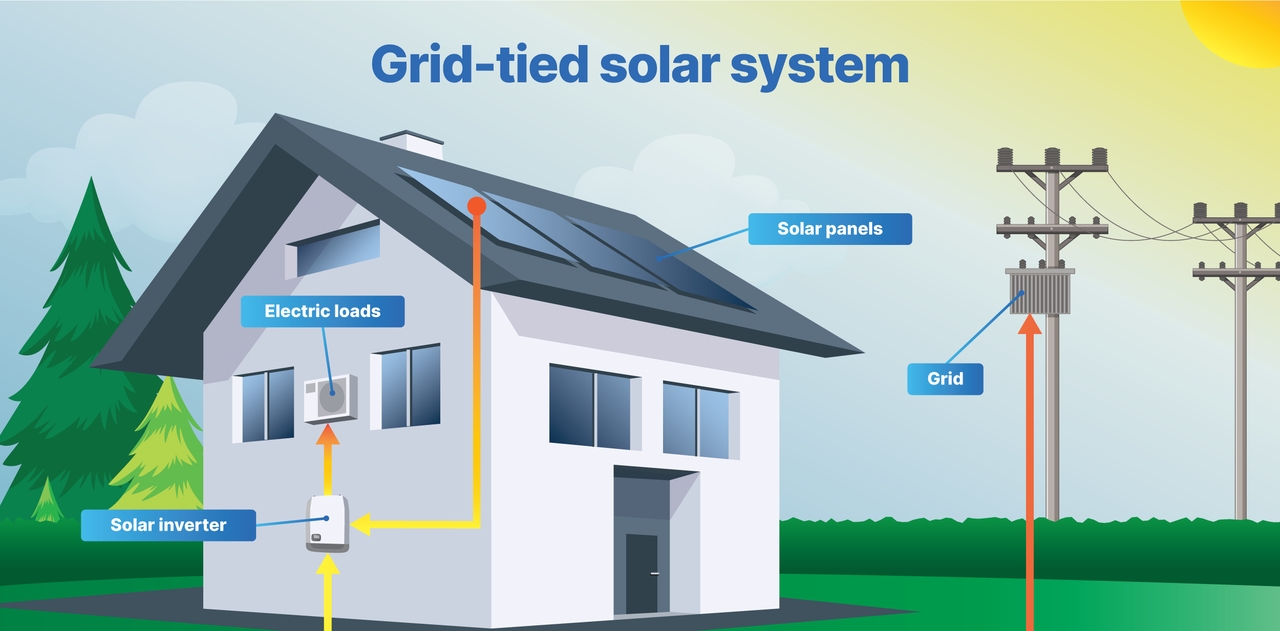
Why Grid-Tied Solar Stops Working
While there are plenty of benefits of grid-tied solar systems, here's why they stop working during an outage.
Solar panels continue to generate electricity during daylight, but conventional inverters rely on synchronization with the utility grid to work safely.
Excess electricity can't be safely stored or routed away without battery storage.
Utility companies need automatic shutdowns to prevent "backfeeding," in which electricity flows back into damaged power lines, putting repair crews at risk.
Solar + Home battery system
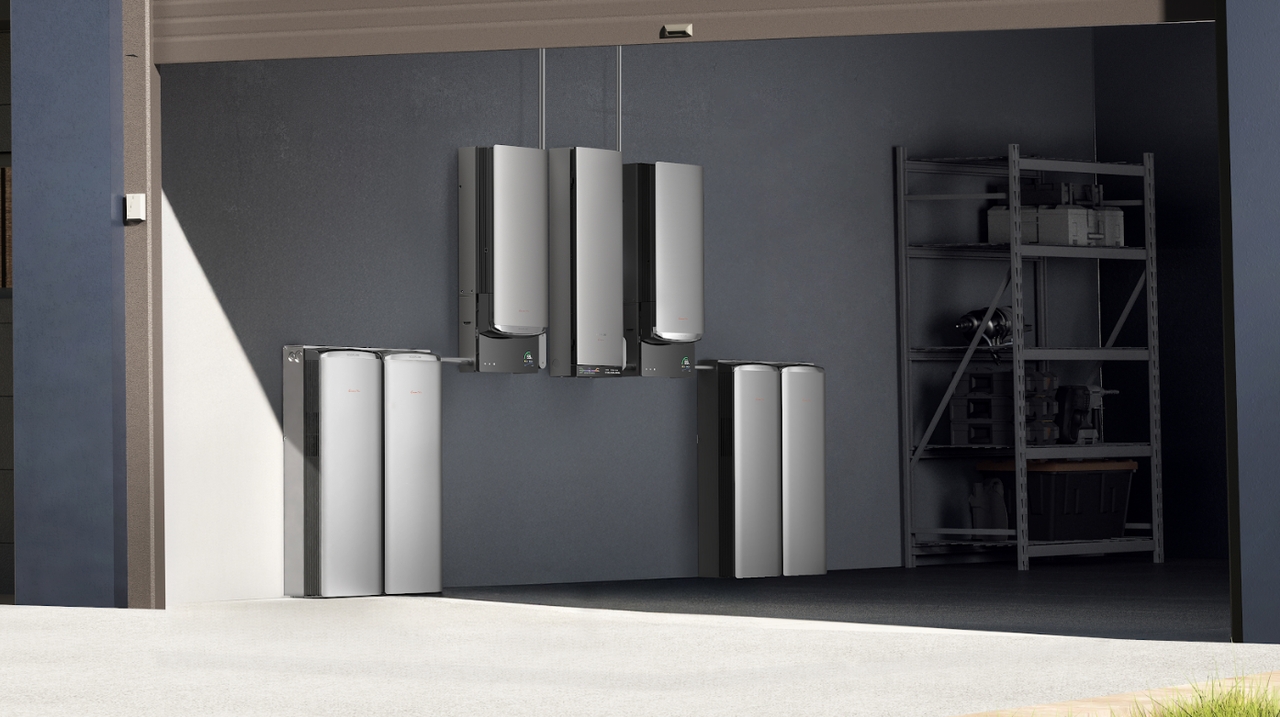
The system includes a hybrid inverter, solar panels, and home battery storage. It also stores excess solar energy and can power critical appliances during a grid outage. The setup is the best bet for home backup power over the long haul.
Solar + Home battery systems can be recharged by solar panels during the day and can deliver stored power at night or in emergencies. Many homeowners use these systems to keep refrigerators, lighting, internet routers, medical devices, and security systems up and running during blackouts.
Solar + Portable power station
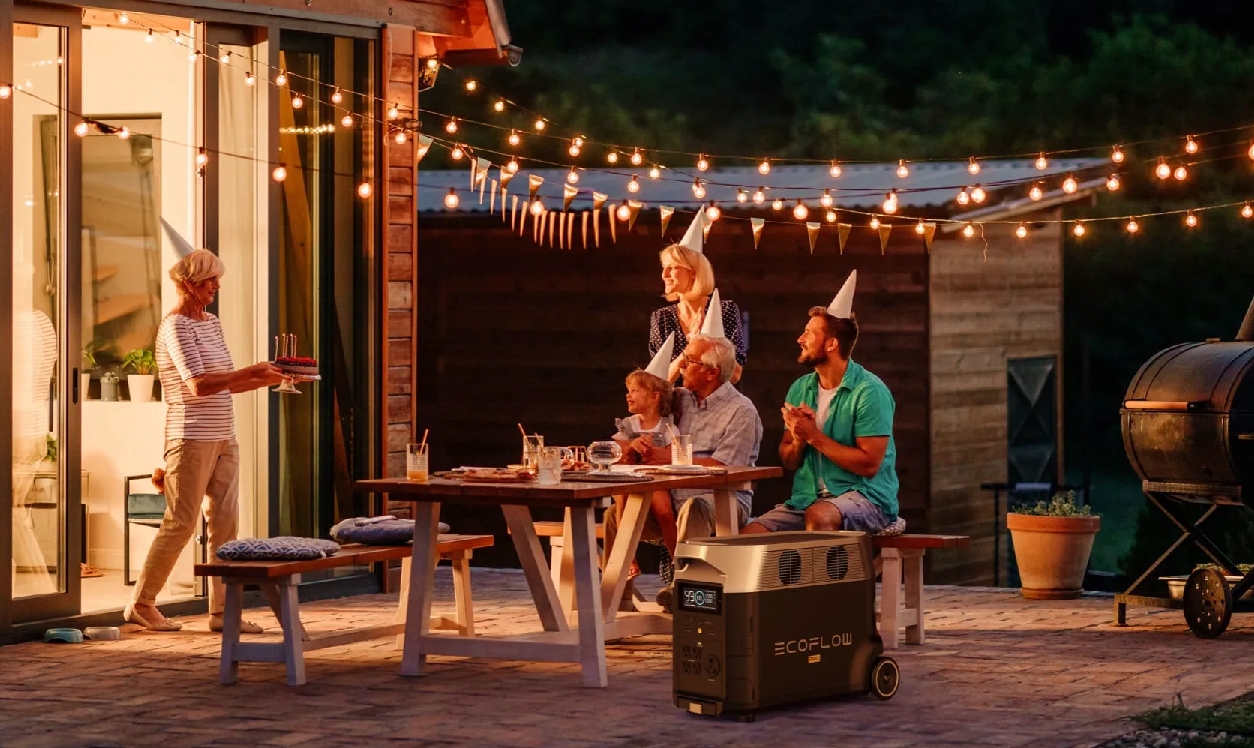
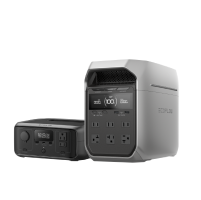
Portable power stations offer a smaller and more flexible backup choice. The solar panels recharge the portable battery that can be used to power devices like phones, laptops, lights, Wi-Fi routers, and small appliances during temporary outages.
This is a great option for apartments, camping, RVs, or short-term emergencies where a full home battery system may not be practical or affordable.
How to use Solar + Home Battery System
A solar + home battery system works by capturing energy from your solar panels, converting it through an inverter, and storing excess electricity in a battery for later use. The system can automatically switch between solar power, battery storage, and grid electricity depending on availability and demand, helping reduce utility bills and improve backup reliability.
It’s important to note that the home battery system must be installed, configured, and serviced by a licensed professional electrician or qualified solar installer. This is not a DIY project. Battery systems involve high-voltage DC electricity, grid interconnection requirements, and strict safety codes. Improper installation can create serious risks.
Step 1: Install Solar Panels
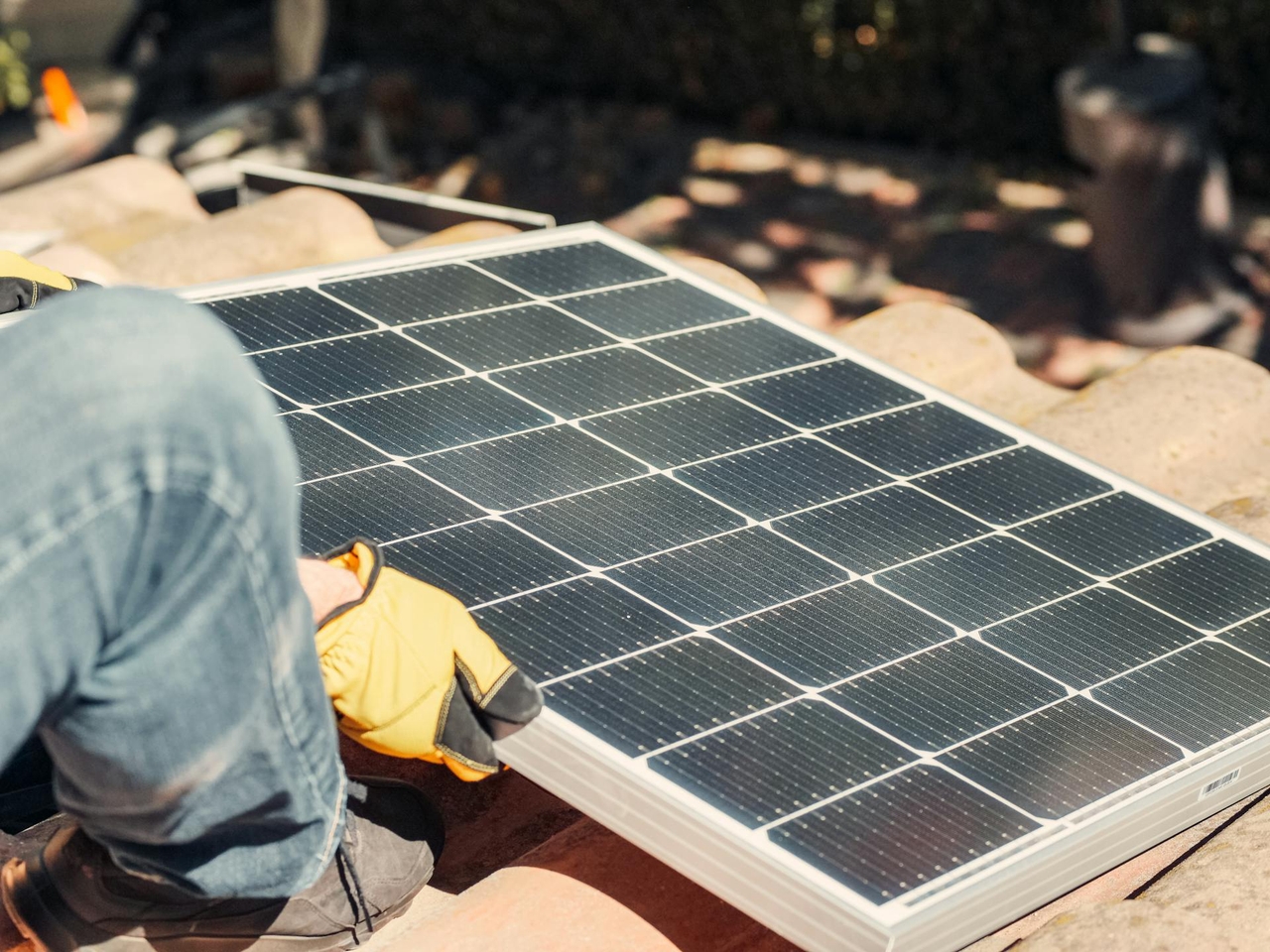
The first step is installing solar panels that can produce enough electricity to power your home. For this, you need a professional electrician with knowledge and skills to install a panel. The number of panels you need depends on the size of your home, how much energy you use each day, how much roof space you have, and the sunlight conditions in your area.
tep 2: Connect a Hybrid or Battery-Compatible Inverter
A hybrid or battery-compatible inverter is essential to allow solar panels and batteries to work together effectively. The inverter takes direct current (DC) power produced by solar panels and converts it to alternating current (AC) power used by home appliances.
Step 3: Add a Home Battery
A home battery allows you to store excess solar energy generated during the day for later use. Instead of sending all that unused electricity back to the utility grid, the battery stores energy to be used at night, during peak electricity pricing hours, or during blackouts. In case of a power failure, the battery automatically begins to supply power to selected household circuits.
Step 4: Set Up Backup Circuits
Most solar battery systems are designed to provide power only to essential circuits during outages, so you can conserve stored energy and extend battery runtime. In emergencies, what most homeowners care about are the appliances and devices that matter most. By separating these backup circuits from high-energy-consuming appliances such as central air conditioning or electric water heaters, overall efficiency is improved, and critical systems can continue to operate longer.
Step 5: Enable Automatic Backup Mode
Newer solar battery systems have auto-backup features that detect when the utility fails and switch your home to battery power in seconds. The system will automatically isolate the home from utility power lines when the grid goes down to ensure safe operation. This seamless transition keeps electricity flowing to essential appliances without any manual intervention needed by the homeowner.
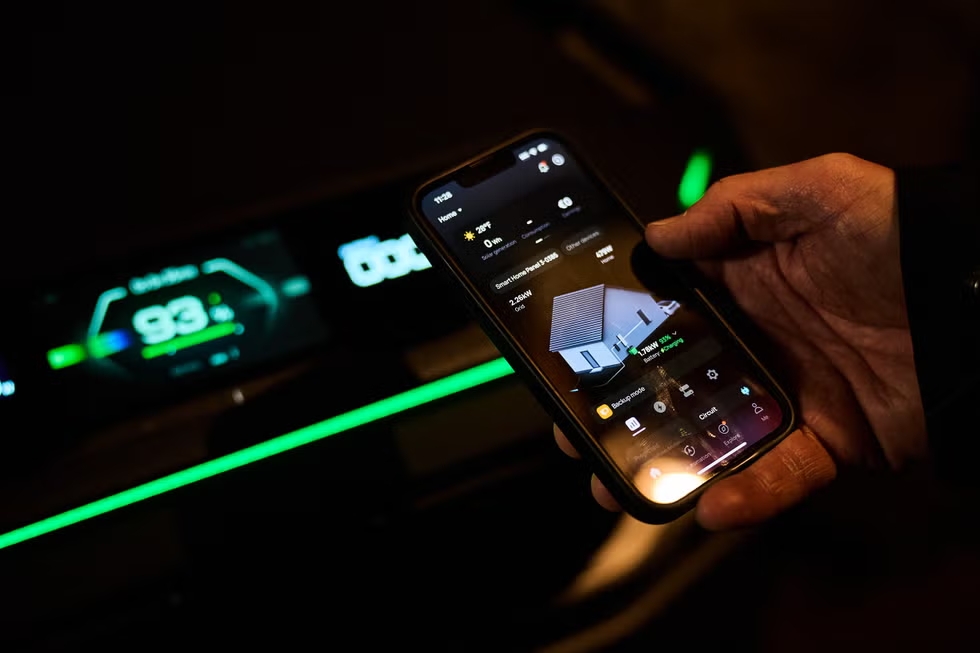
Step 6: Use Solar Power During the Outage
The solar panels still produce electricity during the day , and the battery provides electricity to run the necessary household appliances . Any excess solar energy produced during the day can be stored in the battery, increasing backup runtime and providing a greater level of energy resilience overall. Homeowners can boost efficiency during power outages by cutting back on unnecessary energy use and giving priority to essential devices. Smart home energy management systems can also monitor solar production, battery levels, and household consumption in real time to optimize performance and stretch available backup power.
Ideal for:
Backup power during blackouts
Essential home appliances
Energy savings and independence
Single-family home
How to use Solar + Portable Power Station
Step 1: Set Up the Solar Panels
The first step to using a solar-powered portable backup system is to correctly set up the solar panels in an outdoor location with maximum sunlight exposure.
Step 2: Connect Panels to the Portable Power Station
With the solar panels now in place, the next step is to connect them to the portable power station using the appropriate charging cables and input ports. Most modern portable power stations are designed to be plug-and-play, so they are easy to set up even for a beginner.
Step 3: Place Panels in Direct Sunlight
The best way to get the most electricity from solar panels is to leave them in direct sunlight for long periods of time. For the best charging performance, the panels should be set facing the sun at the best angle, without any shadows.
Step 4: Charge the Power Station Battery
When solar panels are connected and receiving sunlight, the portable power station battery starts to store the electricity generated for later. Charging times depend on the solar panel wattage, battery capacity, weather conditions, and sunlight intensity.
Step 5: Connect Essential Devices or Appliances
Once the portable power station is charged up, users can start powering critical electronics and small appliances directly from the unit. Typical devices are smartphones, laptops, Wi-Fi routers, LED lights, fans, television, CPAP and mini fridge.
Step 6: Monitor Battery and Charging Levels
Most portable power stations come with a built-in display or the option to connect to a mobile app, so you can see battery percentage, charging input, power output, and estimated remaining runtime in real time.
Ideal for:
Apartments
Camping
Temporary outages
Small appliance backup
Why battery backup is essential for solar outages
Benefits of home battery storage
Silent operation
One of the biggest advantages of home battery storage systems is their quiet operation. Unlike traditional fuel generators that produce constant engine noise during operation, battery systems run silently in the background.
Lower maintenance than fuel generators
Traditional generators often need regular oil changes, fuel refills, engine servicing, filter replacements, and periodic testing to remain operational. In contrast, battery storage systems have fewer moving parts and are designed for automatic operation with minimal upkeep.
Renewable energy usage
Battery storage systems allow homeowners to store excess solar energy generated during the day and use it later when needed. This improves the overall efficiency of renewable energy systems by reducing wasted solar production and increasing self-consumption of clean energy.
Reduced dependence on utility grids
Home battery storage helps homeowners become less dependent on utility companies by providing greater control over electricity usage and backup power availability.
Introducing EcoFlow Ocean Pro for reliable home backup
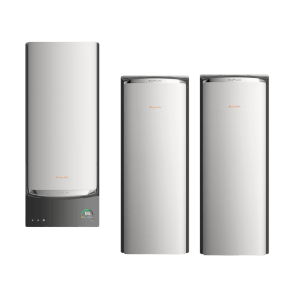
EcoFlow Ocean Pro is a modern home backup battery, providing reliable power during a utility outage and helping enable smarter home energy management. The system works with solar panels, generators, and EcoFlow portable power stations to provide a flexible and scalable backup energy solution for residential users. Homeowners can tailor the system to their energy needs, backup preferences, and desired run time during emergencies.
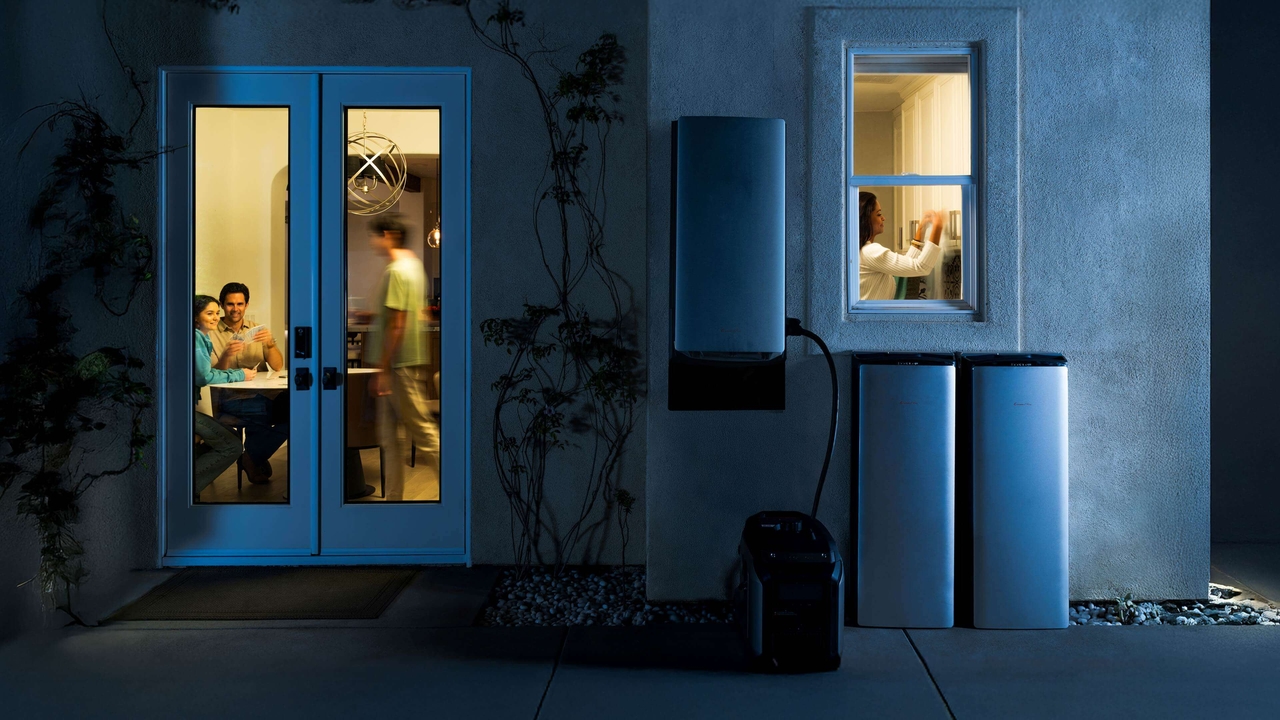
Key features
Multi-Source Integration & Extended Runtime: The system automatically switches between up to 40 kW solar input, traditional generators, and EcoFlow portable power stations. This layered integration optimizes energy consumption and extends your backup duration during prolonged outages.
Scalable Storage & Heavy-Load Support: With a modular battery capacity expanding from 10 kWh to 80 kWh, the system easily scales from essential backup to full energy independence. It can power 100% of household appliances simultaneously, including multiple heavy loads like two 5-ton HVAC units.
Instant Switchover & Outage Security: Featuring a sub-10ms automatic switchover speed, the system guarantees uninterrupted power during sudden blackouts. It keeps both sensitive electronics and high-demand appliances running smoothly without a glitch.
Conclusion
The first thing to understand about how to use solar panels in power outage situations is that most traditional solar setups cannot operate independently during a blackout unless they have backup systems installed. Battery storage systems are the key to reliable solar backup power, as they provide reliable solar backup power. Pairing solar panels with energy storage, whether it's a full home battery system or a portable power station, boosts resilience, energy independence and emergency preparedness.
Solutions like the EcoFlow Ocean Pro offer flexible, scalable backup options, thus enhancing overall energy security during unexpected power outages. Call our experts today to find the perfect energy solution for your family.
Get Your Free Home Energy Consultation!
Which energy solution are you interested in?
FAQs
Can I use my solar panels when the power is out?
Most common grid-connected solar systems automatically turn off in case of an outage, to meet utility safety rules. If you want to use solar during a blackout, homeowners typically need a hybrid inverter and battery storage system that can safely disconnect the home from the utility grid.
How can I use solar panels directly without a battery?
While some devices can be powered directly by solar panels through solar generators or direct DC connections, most residential systems require battery storage or grid support for stable operation. Solar power without a battery is entirely dependent on the sunlight available and cannot consistently offer backup power during periods of cloud cover or at night.
Can I run AC with a solar panel?
While some devices can be powered directly by solar panels through solar generators or direct DC connections, most residential systems require battery storage or grid support for stable operation. Solar power without a battery is entirely dependent on the sunlight available and cannot consistently offer backup power during periods of cloud cover or at night.
How can I keep using solar power when the grid is down?
The easiest way to keep solar power during outages is to install a hybrid inverter and battery storage system. These systems automatically isolate from the utility grid in blackout conditions, yet continue to power critical household appliances safely with solar panels and batteries.
How long can a solar battery run essential appliances?
The operating time of a solar battery depends on the storage capacity of the battery, the number of connected devices, and the total power consumption. Most home battery systems available today can power critical appliances for hours, even days, especially when paired with solar panels that can recharge the battery during the day.

