
Exploring the Benefits of a Grid Tied Solar System for Your Home
Transitioning to renewable energy through a grid tied solar system is an excellent way to gain energy independence. However, understa nding the actual hardware is the first critical step. Energy systems can seem complex at first glance. There are many parts, wires, and rules to follow. But the core ideas are actually quite simple once you break them down.
Whether you want to lower your monthly utility bills or you are looking for a reliable home backup battery to protect your family against sudden blackouts, picking the correct setup is vital. It ensures your house runs seamlessly, day and night. It also protects your wallet from rising electricity prices. This comprehensive breakdown of residential solar systems will help you make the right choice for your unique home.
What is a Grid Tied Solar System?
A grid tied solar system is exactly what it sounds like. It is a solar power setup that stays connected to your local utility grid. You do not cut the cord with your power company. Instead, you work with them.
When the sun shines brightly, your solar panels often make more electricity than your house needs. That extra power does not go to waste. Your system automatically sends it back to the public grid. Your utility company then gives you credits for this energy. This financial setup is known as net metering or feed-in tariffs.
But what happens at night? When your panels cannot make enough electricity, your house simply pulls power from the grid. It happens automatically. You never even notice the switch, and your lights stay on.
How a Grid Tied Solar System Actually Works
How does sunlight actually turn into power for your television and lights? It happens in three simple steps.
Step 1: Solar Absorption
The process starts on your roof. Your solar panels are built with special photovoltaic cells. These cells soak up raw sunlight. When sunlight hits them, it creates a steady flow of power. This raw power is called direct current (DC) electricity.
Step 2: Power Conversion
Your home cannot use DC electricity. Household appliances need alternating current (AC) electricity to run safely. Because of this, the power must change forms. The DC electricity travels from your roof down to a device called a hybrid inverter. The hybrid inverter acts as a translator. It changes the DC power into highly stable AC power.
Step 3: Distribution & Export
Now the power is ready to use. The AC electricity flows straight into your home's main electrical panel. From there, it travels through your walls to power your fridge, lights, and screens. If your system makes a surplus of power, the hybrid inverter routes that extra energy back to the public grid. As this happens, your electric meter actually spins backward.
How Energy Storage Enhances Grid-Tied Solar Systems
A standard grid-connected solar setup offers incredible advantages for any homeowner. First, it instantly lowers your daily utility bills by capturing the sun's free power. It also allows you to earn valuable bill credits by sending your extra daytime electricity back to the public grid. Plus, adding permanent solar panels is a great way to boost your home's overall market value.
However, a basic solar setup has some major shortcomings. When the sun goes down, your roof panels stop making power. Because family energy demand usually peaks in the evening, you are forced to buy expensive peak-rate electricity from the power company at night. Furthermore, if the public grid goes down during a severe storm, your solar panels must shut off completely for safety reasons. You are left entirely in the dark.
To fix these expensive problems and truly protect your family, you need to add battery storage. Building a highly reliable home energy network means prioritizing the right equipment. You cannot cut corners on hardware. Rather than looking at individual parts, it is best to view your installation as one comprehensive system working seamlessly together.
What is Energy Storage?
The true foundation of your setup relies on two main things: the solar panels that capture sunlight and the hybrid inverter that translates that power. A robust inverter is absolutely essential. It carefully manages the rapid flow of electricity between your roof, your home's breaker panel, and the outside utility grid. If your inverter is weak, the whole system suffers. You need high-efficiency components to get the most power out of your available roof space.
Smart Grid Export and Battery Benefits
A great home battery does more than just wait for a storm. It actively manages your power every day. Upgrading to an advanced system unlocks four major benefits:
Maximize Solar Self-Consumption: You can capture and store every watt your panels make. Instead of letting daytime power slip away, your battery holds onto it. Nothing goes to waste.
Save Under TOU Rates: Electricity costs the most during busy evenings. Your battery helps you beat these Time-of-Use rates. It charges up when grid power is cheap. Then, it runs your house during expensive peak hours.
Earn Extra Revenue: You can actually generate passive income. By joining Virtual Power Plant (VPP) programs, your battery connects with the local utility. When neighborhood power demand spikes, your system automatically sells its extra energy back to the grid for profit.
Unlimited Whole-Home Backup: True energy independence means you are never left in the dark. These setups work perfectly with your solar panels, electric vehicles, and standby generators. Together, they deliver endless backup power to keep your family safe.
How to Choose a Home Backup Battery
There is one major problem with basic grid-tied solar setups. Standard grid-tied setups shut down completely during a neighborhood blackout. This is a strict safety rule enforced by law. The system must shut down to stop your panels from sending live electricity into the public wires while repair crews are working on them.
To keep your lights on during a severe storm or outage, you need a grid tied solar system with battery backup.
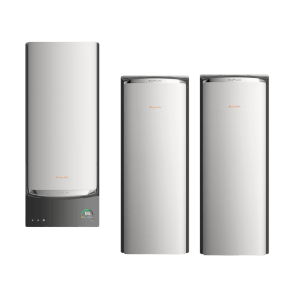
When selecting a home battery, you must prioritize storage capacity, raw power output, and physical durability. You need a system that can handle your biggest appliances without failing. For example, you can naturally integrate the EcoFlow OCEAN Pro into your home as a complete, grid-connected whole-home solution. It is explicitly designed to bridge the gap between daily grid savings and off-grid security during emergencies.
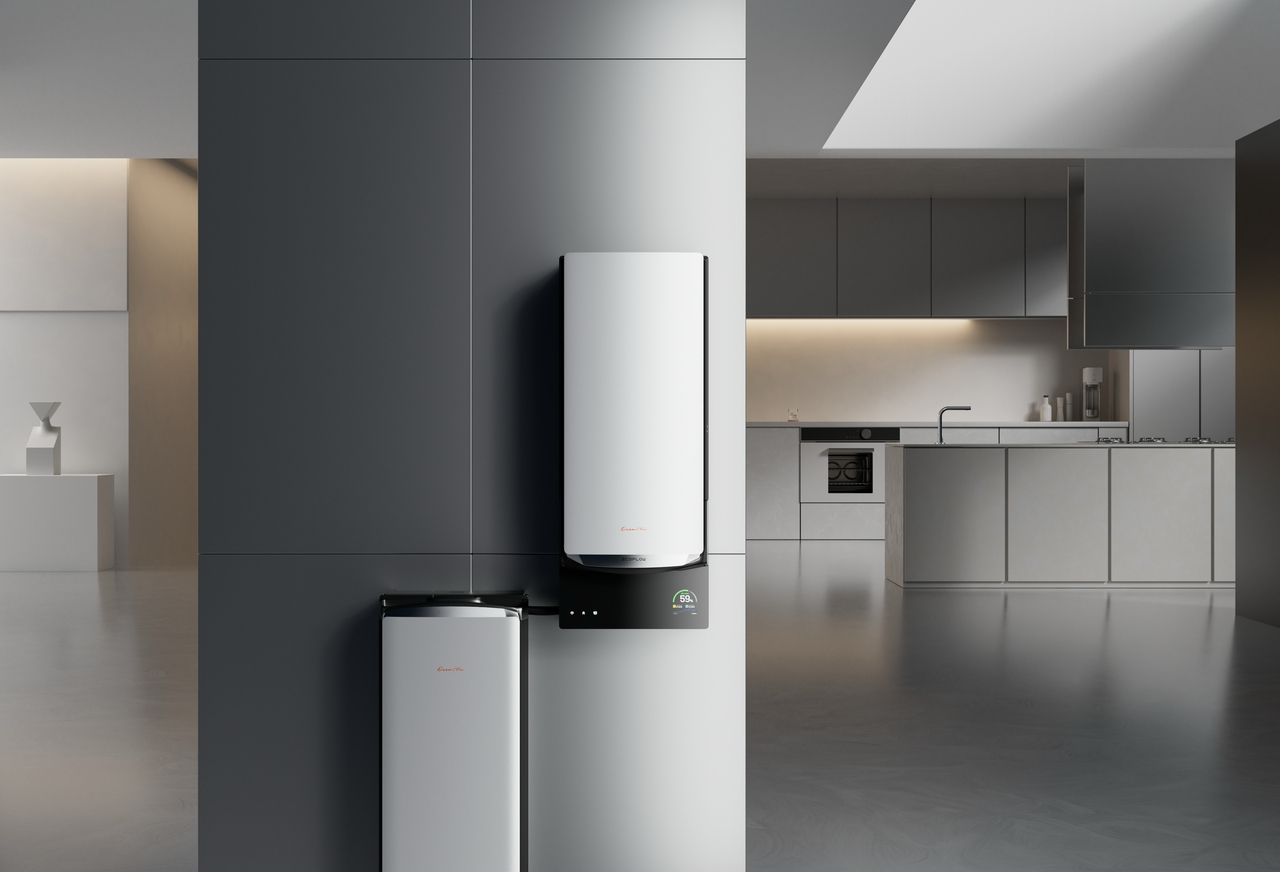
Exceptional Power: The system boasts a massive 24kW continuous output with a surge capacity of 205A LRA. In simple terms, this means it is highly capable of starting two heavy 5-ton HVAC units at the exact same time. It handles whole-home energy needs easily. Furthermore, the battery capacity is highly scalable. You can start with 10kWh and expand all the way up to 80kWh as your family's daily energy needs grow.
Automated Savings: It utilizes an advanced Intelligent Mode for optimizing your time-of-use (TOU) rates. The system learns when utility electricity is most expensive. It then shifts your heavy household appliance loads to off-peak hours automatically. This creates up to 40% more bill savings without you ever having to push a button or flip a switch.
Extreme Durability: A premium home battery is a serious investment. That is why this system is built to last. It comes completely backed by an industry-leading 15-year warranty for total peace of mind.
Conclusion
Taking full control of your home's power supply is a smart, modern choice. A grid-connected setup offers the perfect balance for most homeowners. It gives you the massive financial benefits of renewable energy while keeping the comforting safety net of the local utility grid.
However, to truly protect your home, upgrading to a grid tied solar system with battery backup is the ultimate goal. It ensures that when the rest of the neighborhood goes dark during a storm, your lights stay on, your food stays cold, and your family remains totally comfortable. By investing in smart, scalable hardware, you are securing true energy independence and financial peace of mind for decades to come.
Get Your Free Home Energy Consultation!
Which energy solution are you interested in?

Frequently Asked Questions
Is grid-tied solar worth it?
Yes, it is highly worth the investment. By generating your own power, you protect yourself from rising utility rates. You also earn credits through net metering, which slowly pays off the system over time while adding value to your property.
Do grid-tied solar systems work during a power outage?
No, a standard system will shut down during an outage to keep line workers safe. However, adding a home backup battery solves this problem. The battery disconnects your house from the grid, keeping your power on safely.
How long can a home battery backup power a house?
This depends heavily on your battery size and energy usage. A scalable whole-home system can easily run essential appliances for several days. Using Intelligent Mode to manage loads extends backup times efficiently during very long outages.
How much does a grid tied solar system save on bills?
Savings vary, but they are often substantial. You save by making your own daily power. Furthermore, smart batteries shift your heaviest appliance usage to cheaper off-peak hours, which drastically slashes your total monthly energy costs.
Can I go completely off-grid with solar panels?
Yes, you can disconnect entirely. Many off-grid setups are highly flexible and do not require complex professional installation. However, you must carefully manage your power. You will need enough battery storage to last through long weeks of bad weather.

