
How to Keep House Cool in Summer: 10 Smart Ways to Beat the Heat
Wondering how to keep house cool in summer? The hottest months can be uncomfortable and expensive, with high temperatures, sky-high electricity bills, and rooms that never seem to cool down. The good news is, you don't have to run the air conditioner all day to keep your home comfortable. By combining proven cooling techniques, energy-efficient practices, and smart home battery backups, you can stay cool and save on energy costs. The guide outlines 10 smart ways to beat the heat. Scroll down to learn more.
Why homes get hot in summer
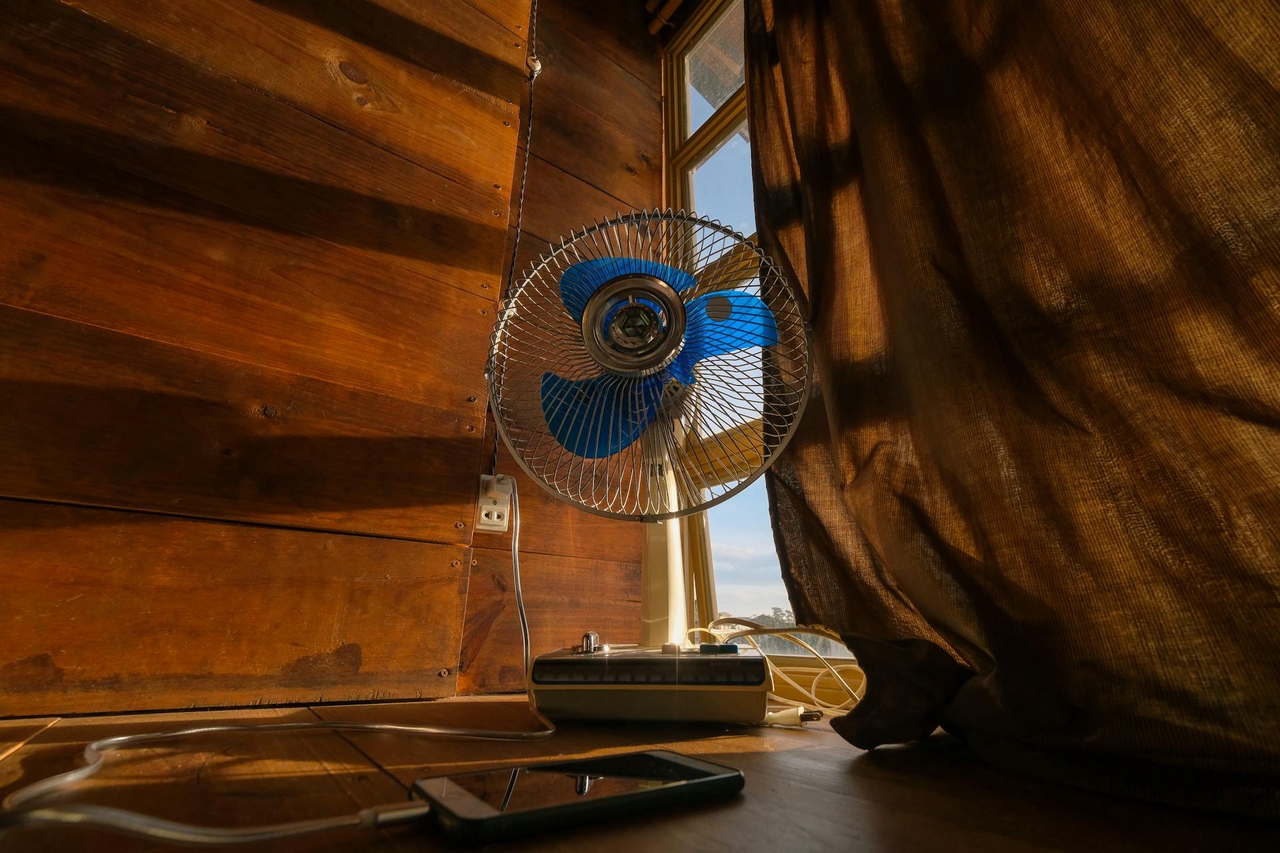
Heat enters through windows and roofs
One of the biggest reasons homes get uncomfortably hot in summer is solar heat gain through windows and roofs. Direct sunlight passing through glass can quickly raise indoor temperatures, especially in rooms with large south or west-facing windows. At the same time, the roofing materials take in solar radiation all day long and transfer that heat into the attic spaces and the living areas below.
Poor insulation and air leaks
Insulation creates a barrier that minimizes the transfer of heat from the outside to your living areas. If insulation is insufficient or damaged, heat from outside can easily penetrate the walls, ceilings, and floors. The problem is compounded by air leaks through doors, windows, vents, and ductwork, which let hot outside air in and cool inside air out.
Indoor appliances create extra heat
Many common household appliances generate heat as a by-product of their operation. Heat accumulates there from ovens, stoves, clothes dryers, dishwashers, computers, gaming systems, and even common light bulbs. If you have several heat-producing appliances running at the same time during the hottest part of the day, it will make the room hotter and make your cooling system work harder.
Lack of proper ventilation
Ventilation is an important aspect of a comfortable indoor climate. Insufficient airflow results in warm air becoming trapped within your home, leading to a stuffy feeling and inconsistent temperatures in different rooms. Poor ventilation can also make the air feel warmer than it is and can cause humidity to build up.
How to keep your house cool in the summer: 10 useful tips
Use blackout curtains and blinds
Blackout curtains and thermal blinds are one of the easiest and most effective ways to help keep the temperature down indoors during the summer months. These window coverings block the direct sunlight from coming through your windows, preventing solar heat gain from warming up your living spaces.
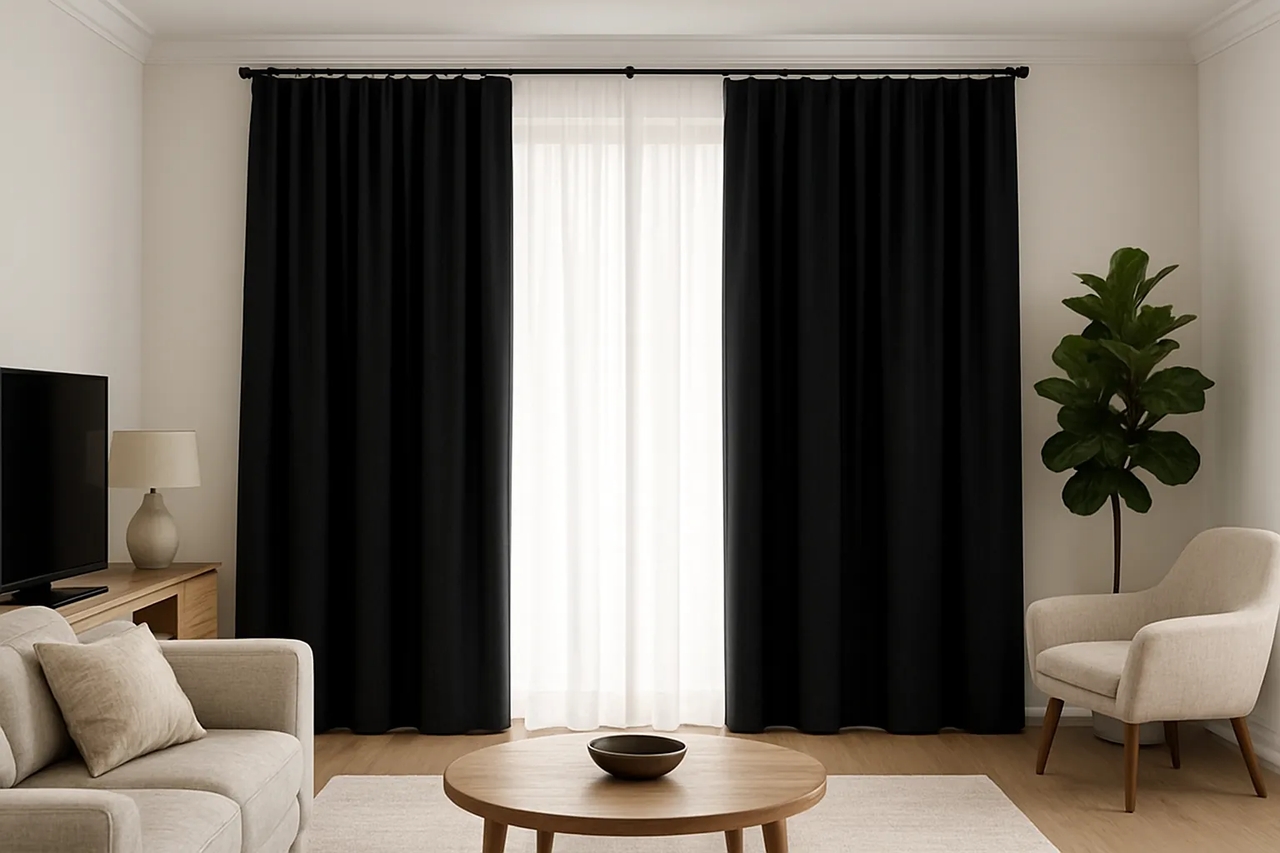
Rooms with large windows are the most likely to have the widest temperature swings throughout the day, so blackout curtains are especially useful in bedrooms, living rooms, and home offices.
Use exterior shading and awnings
Exterior shading solutions prevent heat from reaching your windows, making them more energy-efficient than many interior cooling solutions. Awnings, pergolas, shade sails, exterior shutters, and trees planted in the right places can provide protection from direct sunlight.
These solutions function by reducing the amount of solar radiation that reaches the exterior surfaces of your home, helping to naturally reduce indoor temperatures.
Improve natural airflow
Natural ventilation is an inexpensive way to cool your house without using energy. Opening the windows to cool outside air to ventilate the house helps get rid of stored heat and refresh the indoor rooms. Cross-ventilation by opening windows on opposite sides of the house provides continued air movement.
Optimize air conditioning efficiency
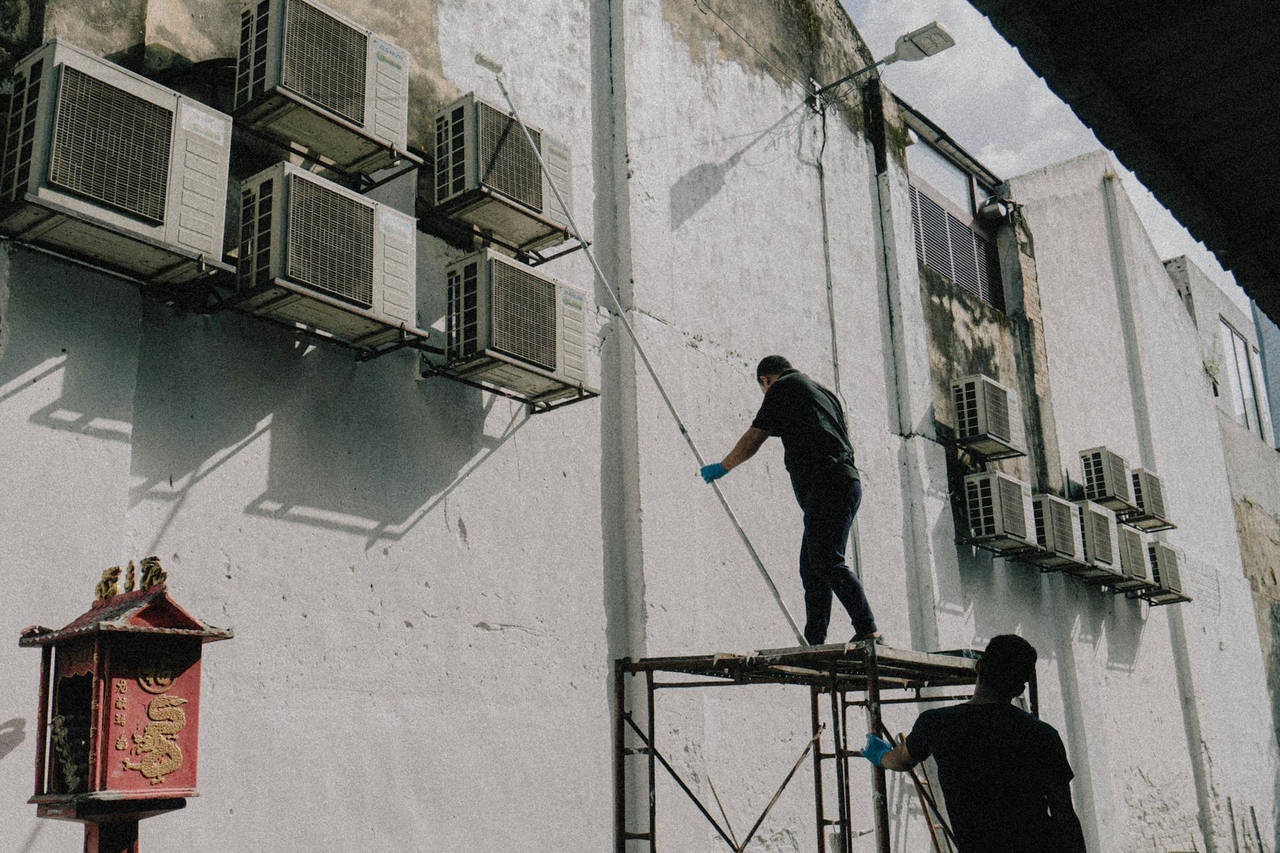
The best way to ensure air conditioning systems remain at their best is to maintain them and use them strategically. Dirty filters, blocked vents, and neglected maintenance can reduce system performance and increase energy use. A properly maintained air conditioner not only cools your home, but it also helps lower electricity bills and extend the life of your equipment.
Reduce indoor heat sources
Keeping the heat indoors to a minimum can make a big difference to summer comfort. Everyday activities like cooking, laundry, and running electronics produce heat in the home, which adds to the warmth of the rooms and puts additional stress on cooling systems.
Seal and insulate your home properly
A well-sealed and insulated home helps keep the outside heat out and allows you to maintain consistent temperatures indoors all day long. Seal the gaps around windows, doors, ducts, and utility penetrations to stop unwanted air exchange and reduce cooling loss.
Improving attic insulation and repairing poorly insulated areas can make a huge difference to thermal performance.
Use ceiling fans to circulate cool air
Ceiling fans are a great complement to air conditioning. They increase air circulation and create a cooling sensation on the skin. Fans don't actually lower the temperature of a room, but the extra air movement helps evaporate moisture.
The right way to use your ceiling fan in the summer, with blades turning counterclockwise, maximizes airflow and increases cooling efficiency overall.
Use no-heat meals
Ovens and stovetops can pump a lot of heat into the home while cooking, especially on hot summer afternoons. Opting for foods that require little or no cooking can help keep indoor temperatures down and reduce the load on your cooling system.
Great alternatives are salads, sandwiches, wraps, chilled soups, smoothies, and meals prepared on outdoor grills.
Switch to energy-efficient LED lighting
Traditional incandescent light bulbs waste a lot of energy by producing heat instead of light. LED lights, on the other hand, produce very little heat and consume far less electricity. LED bulbs emit far less heat, so replacing old bulbs with LEDs around the house can help reduce heat buildup indoors, especially in rooms where lights are on for long periods of time.
Cool your home at night with cross-ventilation
Nighttime cooling is one of the most effective natural cooling strategies in many climates. As the outdoor temperatures drop after sunset, opening windows on opposite sides of the house allows cooler air to flow through and flush out built-up heat. This process, called cross-ventilation, can significantly reduce indoor temperatures before the heat of the next day sets in.
Smart ways to save money on cooling
Shift energy use to off-peak hours
Utilities often charge different rates for electricity depending on the time of day. Electricity prices tend to be considerably higher during peak hours when demand is high. Homeowners can lower their electricity bills without sacrificing comfort by shifting energy-intensive activities such as laundry, dishwashing, electric vehicle charging, and pool pump operation to off-peak periods. Such a small change can add up to significant savings over a summer season.
Pre-cool your home strategically
Pre-cooling is a way to cool your home down before times of peak heat or peak electricity prices. You can also use thermal mass to chill your home during the cheaper hours, keeping it comfortable later in the day when the temperature and electricity rates go up. This approach cuts the need for heavy cooling during costly peak times and can lower total energy costs. Pre-cooling methods pay off particularly well in well-insulated houses.
Use smart thermostats
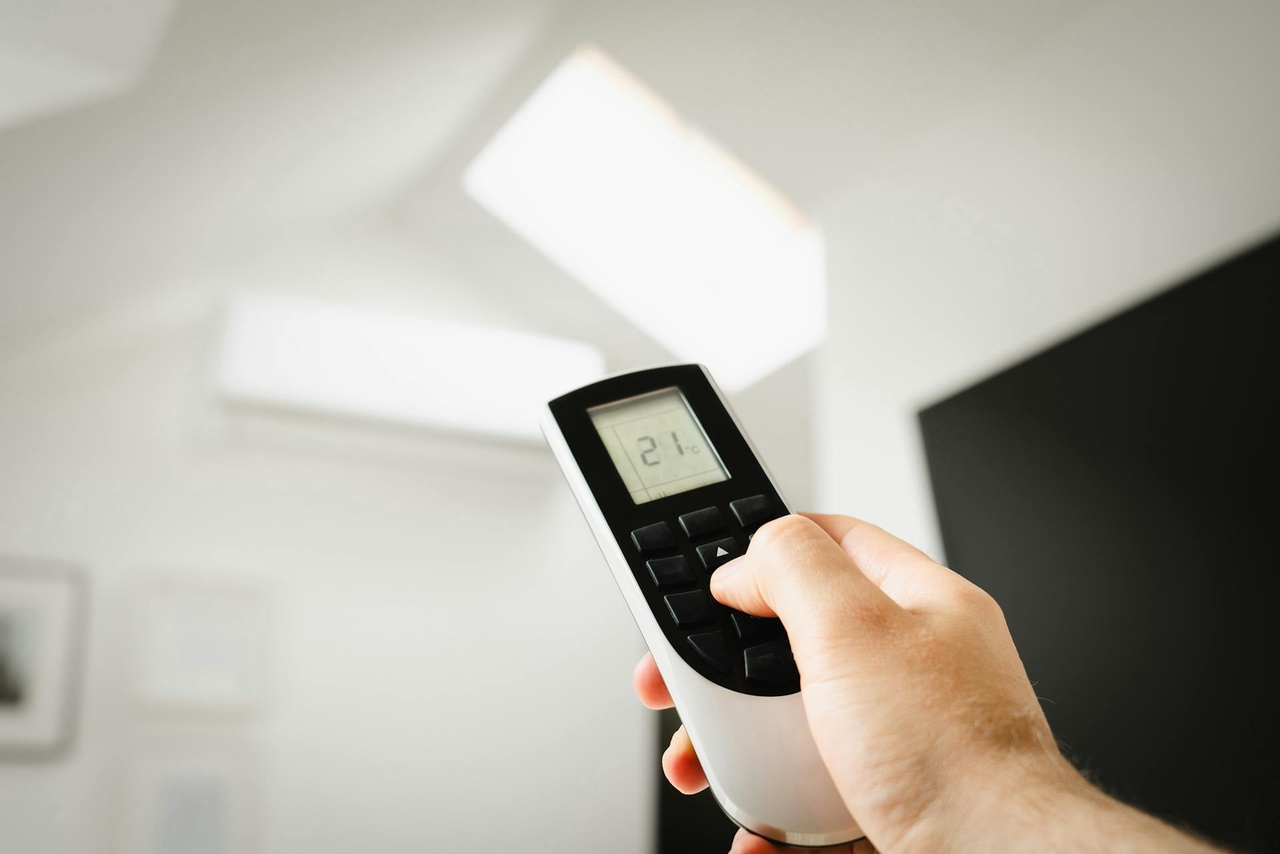
Smart thermostats enable homeowners to better manage their cooling systems by automatically adjusting temperatures according to schedules, occupancy patterns, and weather conditions. Such devices help prevent unnecessary cooling when nobody is at home and maximize comfort when people return. Many smart thermostats can also provide detailed reports on energy use to help homeowners identify other ways to save.
Understanding Time-of-Use (TOU) pricing
Think of Time-of-Use (TOU) pricing as a happy hour for the power grid—except in reverse. Instead of cheaper drinks, utility companies charge premium rates for electricity right when you need it most. Power is cheap late at night (off-peak), but the moment you get home, turn on the TV, and fire up the stove (peak hours), prices skyrocket.
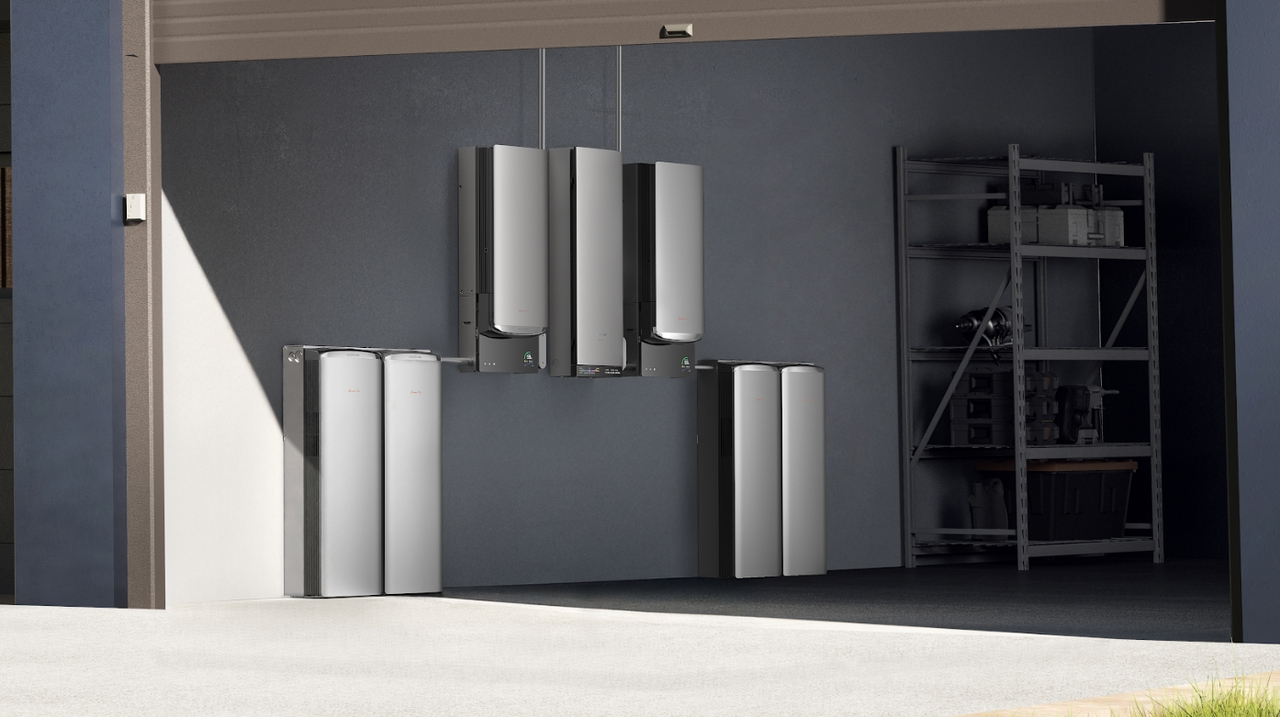
How to make the best use of TOU rules? Advanced energy solutions such as the EcoFlow Ocean Pro can help. As a smart Whole-home backup power option, it can intelligently shift your home's power source to stored energy during peak hours, automatically dodging expensive rates. With a massive storage capacity of up to 80 kWh and a beastly 24 kW continuous output, you don't have to ration your power. Go ahead and blast the central air conditioning at the absolute peak of a scorching summer afternoon.
Conclusion
Learning how to keep your house cool in summer doesn't require a single expensive solution. The best approach is to use a combination of strategies, including blocking solar heat, improving insulation, improving airflow, using efficient cooling equipment, and reducing indoor heat generation.
These real-world cooling strategies, in tandem with smart energy practices, can help homeowners achieve greater comfort while saving on energy costs. Households can take control of energy use, benefit from Time-of-Use pricing, and keep the lights on during extreme weather. Request a consultation today and choose comfort and efficiency this summer.
Get Your Free Home Energy Consultation!
Which energy solution are you interested in?

FAQs
How do I make my house cool in summer?
There are many ways to keep your house cool in summer, including reducing heat gain and improving airflow. Block direct sun with blackout curtains, blinds, or outside shading solutions. Open windows during the cooler hours of the day to increase ventilation and use ceiling fans to circulate air. Good insulation and sealing air leaks keep the hot air out and the conditioned air in.
What is the best thermostat setting for summer?
For most households, the best home temperature while at home is around 78°F (26°C) on the thermostat, which is a good compromise between comfort and energy efficiency. If you’re gone for long stretches, turn the temperature up a few degrees to help reduce cooling costs without compromising comfort when you’re home.
Do blackout curtains really reduce heat?
The answer is yes. Blackout curtains can help block a lot of heat from entering your home through the windows. These curtains are made to block out the sunlight and have thermal layers that help to insulate the room. They reduce solar heat gain, which helps lower your air conditioner's cooling demand, improving comfort and reducing energy bills in the summer months.
How can I keep my house cool without AC?
There are many effective ways to keep a house cool without relying heavily on air conditioning. You can stop heat before it enters your home by using blackout curtains, exterior shading, and window coverings that reflect heat. Cross-ventilation, achieved by opening windows on opposite sides of the house during cooler hours, facilitates natural air movement and assists in purging accumulated heat.
What is TOU pricing and how does it work?
Time-of-Use (TOU) pricing is a utility rate structure that varies the price you pay for electricity depending on the time of day. Electricity prices are typically at their highest during peak demand hours and lowest during non-peak hours (e.g., late at night or early morning). TOU pricing encourages consumers to shift energy-intensive activities to lower-cost periods, thereby reducing strain on the electrical grid.

