
A Comprehensive Guide on How to Lower Light Bill in 2026
There are few household chores as universally dreaded as opening the monthly electricity bill. You tear open the envelope or click the notification, only to be met with a number that makes your stomach drop.
Lowering your light bill isn't just a simple switch that you just turn off. Instead, it consists of a series of steps that you need to take, to be able to finally reach your ultimate objective. To learn more about how you can lower your carbon footprint, be sure to continue reading our insightful guide.
The importance of lowering your light bill
Lowering your electricity bill isn't just about saving money; it's essential for financial freedom, environmental health, and energy security.
Rising global energy costs and our growing reliance on always-connected electronic devices are driving household expenses up at an alarming rate. This is especially true during the sweltering summer months, as air conditioning transforms from a luxury into a survival necessity, and electricity bills for cooling become exceptionally expensive, often doubling or tripling normal monthly averages.
Fortunately, you don't have to choose between a comfortable home and financial stability, as this comprehensive guide will show you exactly how to lower your light bill.
From simple daily habit shifts and appliance hacks to advanced, modern home battery energy management setups that put you in total control, we will explore every proven method to help you achieve long-term, sustainable savings.
Identify and eliminate "vampire power"
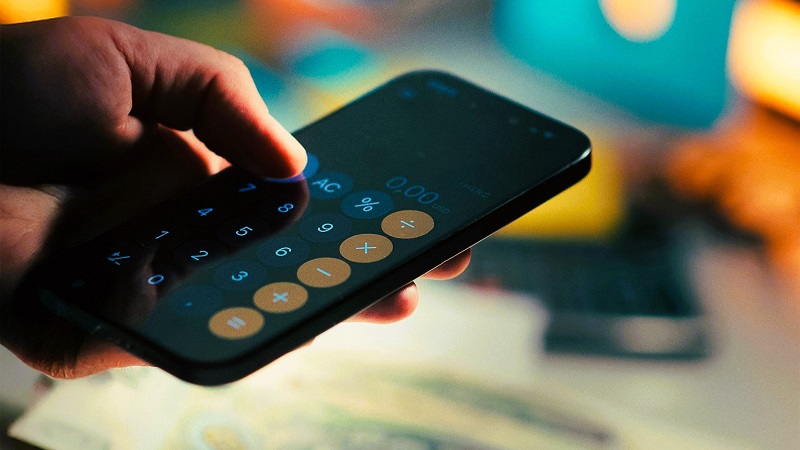
One of the most insidious drains on your home's energy budget is something you probably don't even notice: vampire power. Also known as phantom load or standby consumption, this refers to the electricity that appliances and electronics continuously draw from the grid even when they are ostensibly turned "off."
If a device has a remote control, a digital clock display, or a standby light, it is bleeding energy. While a single device might only draw a few watts, an entire household of plugged-in electronics can account for up to 10% of your total monthly electricity bill.
The most common culprits of vampire power include:
Televisions and home theater receivers.
Video game consoles (especially in "instant-on" mode).
Computers, monitors, and printers.
Microwaves and coffee makers with digital clocks.
Laptop and smartphone chargers that are left plugged into the wall.
The most actionable solution is to build a habit of unplugging devices immediately after use.
For complex setups, like an entertainment center or a home office, invest in advanced power strips with master switches. These allow you to completely sever the connection to the power grid for multiple devices with a single click, effortlessly stopping vampire power in its tracks.
Optimize your heating, cooling, and airflow
When it comes to the topic of "how to lower light bills", your Heating, Ventilation, and Air Conditioning (HVAC) system is the heavy hitter.
In most homes, climate control makes up the largest single chunk of energy consumption. As mentioned earlier, the phenomenon of the US summer AC spike, where widespread, heavy air conditioning usage causes both grid demand and utility rates to skyrocket, makes cooling optimization your number one priority for summer savings.
Here are the most effective ways to lower your HVAC costs without sacrificing comfort:
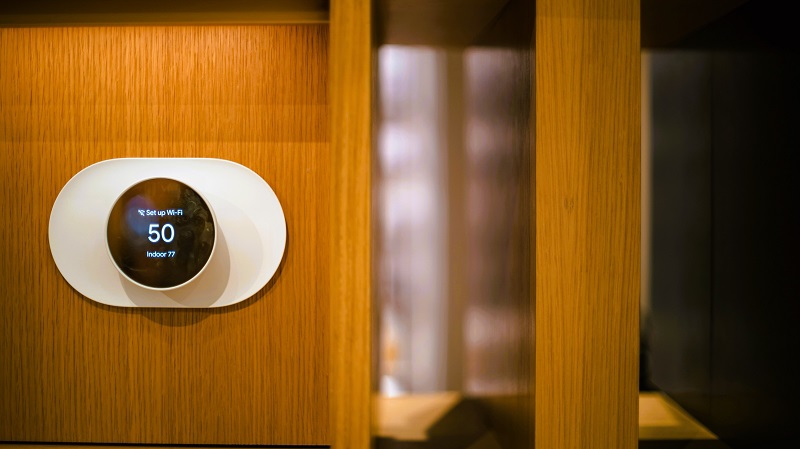
Master your thermostat: Your first line of defense is temperature management. Set your thermostat to 78°F (26°C) in the summer when you are home, and 68°F (20°C) in the winter. Every degree you raise the AC in the summer can save you up to 3% on cooling costs. Upgrading to a programmable or smart thermostat automates this process, ensuring you never waste money heating or cooling an empty house.
Be strategic with fans: Ceiling fans (especially those with energy-efficient BLDC motors) create a wind-chill effect on your skin. This allows you to raise the AC temperature by up to 4 degrees while feeling just as cool. Additionally, running exhaust fans in the kitchen and bathroom helps remove heat and humidity directly at the source.
Prioritize routine maintenance: Cleaning or replacing your AC filters every one to three months is a simple task that can improve airflow and efficiency by up to 15%.
Seal the leaks: Inspect your windows and doors for drafts. Applying inexpensive weatherstripping and caulk to seal gaps ensures that the expensive, climate-controlled air you just paid for stays inside your home.
Smart lighting and appliance upgrades
Lighting and household appliances are the next major frontiers for energy savings. If you are still using older incandescent or CFL bulbs, executing a complete "lighting swap" is the fastest return on investment you can make.
LED bulbs use up to 90% less energy than traditional incandescent bulbs and last up to 25 times longer. While the upfront cost is slightly higher, the long-term savings on your light bill make LEDs an absolute necessity. Additionally, maximize your use of natural light. Keep your curtains and blinds open during winter days to harness free solar heat, and use thick, thermal blackout curtains in the summer to block out the harsh sun and reduce the load on your AC.
When it comes time to replace major appliances like refrigerators, washing machines, or air conditioners, always prioritize efficiency. Look for appliances with high energy-efficiency ratings, such as the widely recognized ENERGY STAR certification or high-tier BEE labels. An energy-efficient refrigerator, for example, can save you hundreds of dollars over its lifespan compared to a standard model.
You can also optimize how you use your current appliances with a few simple hacks:
Wash clothes in cold water: Heating water accounts for about 90% of the energy your washing machine uses. Modern detergents work perfectly in cold water.
Run full loads: Whether it's the dishwasher or the washing machine, wait until it is full before running a cycle to maximize the energy used.
Air-dry dishes: Turn off your dishwasher's heat-dry cycle and simply open the door to let the dishes air dry, saving a significant amount of electricity.
Take advantage of off-peak utility rates
Many people don't realize that electricity isn't always the same price.
Depending on your utility provider, you may be subject to Time-of-Use (TOU) rates. This means the power company charges a premium for electricity during high-demand "peak" hours (typically late afternoon to early evening) and offers discounted rates during "off-peak" hours (usually late at night or early in the morning).
You can instantly reduce your cost per kilowatt-hour simply by shifting your chores. Find out your local utility company's TOU schedule and plan accordingly.
Schedule heavy energy-consuming tasks, like running the dishwasher, doing a massive load of laundry, or charging electric vehicles, during these cheaper off-peak windows.
This requires zero financial investment, just a minor adjustment to your daily routine, but it yields consistent, noticeable deductions on your monthly bill.

Advanced energy management: optimizing how & when you use power
As households master basic energy-saving habits, the next level of efficiency opens up. True energy management is no longer just about reducing your overall consumption; it is about strategically optimizing exactly when and how you utilize electricity.
This is where robust home battery setups enter the picture. By storing energy when it is cheap and deploying it when grid prices soar, you gain absolute control over your household economy.
A premier solution for this level of independence is the EcoFlow Ocean Pro.
Get Your Free Home Energy Consultation!
Which energy solution are you interested in?
The Ocean Pro isn't just a battery; it's a comprehensive energy ecosystem designed for exceptional longevity and peace of mind. Here is how it transforms your home's relationship with the grid:
Reliable backup power: Grid outages are becoming more common, especially during severe summer storms or winter freezes. With an ultra-fast switchover time, the Ocean Pro acts as a seamless, silent, and eco-friendly backup.
Peak shaving: By charging the unit via the grid during cheap, off-peak hours (or via solar panels for free), you can run your home's heavy appliances, like that expensive summer AC, directly from the battery during peak hours.
Consider the experience of Eric from Florida, who struggled with unpredictable weather and soaring bills from his heavy 5-ton AC unit. After installing the EcoFlow Ocean Pro, the biggest change hasn't just been peace of mind; it's the dent it's making in the monthly power bill.
Signing off
The process of "how to lower light bills" isn't about making drastic, uncomfortable sacrifices; it is about smart management. It requires a combination of breaking bad habits, performing routine home maintenance, and leveraging modern technology.
By eliminating vampire power, optimizing your heating and cooling, and investing in high-efficiency appliances and smart battery ecosystems like EcoFlow Ocean Pro, you can take permanent control of your energy costs. Start small today by unpluging that unused power strip, auditing your home's usage, or swapping out a few lightbulbs, and eventually watch how your savings grow month after month.
Frequently Asked Questions (FAQs)
How to lower light bills by 50% on a monthly basis?
Achieving a 50% reduction requires a holistic approach. You must combine strict behavioral changes (unplugging devices, optimizing thermostat settings) with high-impact appliance upgrades (switching entirely to LEDs and inverter ACs) and invest in advanced energy storage systems, like an EcoFlow battery setup, to bypass expensive peak utility rates.
Does unplugging outlets save electricity?
Yes, absolutely. Unplugging devices eliminates "phantom loads." While unplugging a single phone charger won't make you rich, unplugging a whole house's worth of idle electronics, microwaves, and entertainment systems can save you up to 10% on your monthly bill.
Which household appliances consume the most electricity?
Climate control and thermal appliances are the biggest culprits. Air conditioners, space heaters, electric water heaters (geysers), and refrigerators are consistently the largest energy consumers in a standard residential home.
Is it cheaper to turn the heat off during the day?
While you shouldn't turn it completely off, lowering your thermostat by 7 to 10 degrees when you are away during the day is much more efficient. Turning it off completely forces your HVAC system to work overtime to reheat a freezing house when you return, which can negate any potential energy savings.
How to keep light bills low without sacrificing comfort?
Efficiency does not have to mean suffering. You can maintain comfort by using smart thermostats to automate temperature changes when you leave the house, utilizing ceiling fans in tandem with your AC so you feel cooler at a higher temperature setting, and upgrading to LED lighting that provides bright light for a fraction of the cost.

