
How Long Do Wildfires Last? Comprehensive Fire Duration Insights
Wondering how long do wildfires last when you see a plume of smoke on the horizon? It is a terrifying sight. The timeline of a fire is incredibly unpredictable. This intense uncertainty leaves many homeowners extremely anxious. People worry about prolonged grid outages, property damage, and dangerously poor air quality.
While some small blazes are extinguished in mere hours, others can dominate the landscape for weeks or even months. The reality is that fire behavior changes from minute to minute. A sudden shift in the wind can turn a dying ember into a raging inferno. Because of this, it is hard to give a single answer to the question of fire duration.
In this resource, we will explore the environmental drivers behind fire duration. We will also share essential safety tips. Finally, we will show how integrating a reliable home battery backup can keep your family secure and connected when the grid goes down.
How Long Does a Wildfire Last on Average?
The burn time of a fire varies widely depending on the environment. You might ask, how long does a wildfire last on average today? Over recent decades, average durations have shifted. Climate data shows a startling trend. Individual fires used to average a lifespan of just 6 days in the 1970s. Now, they frequently burn for over 50 days.
This makes emergency preparedness more crucial than ever before. Communities face longer periods without power and essential services. Because of this longer lifespan, communities face much longer periods without reliable power and essential emergency services. This makes knowing how to prepare for a power outage more crucial than ever before. Preparedness is no longer just a helpful suggestion. It is an absolute necessity for modern living in fire-prone regions. If a fire burns for 50 days, the electrical grid in your area might be shut down preemptively for weeks to avoid sparking new flames.
Key Factors That Influence Wildfire Duration
Many elements determine how long can a wildfire last. Understanding these elements can help you predict the severity of a local fire season. Let's break down the primary drivers of fire duration based on the environment and weather.
Available Fuel Load and Vegetation Types
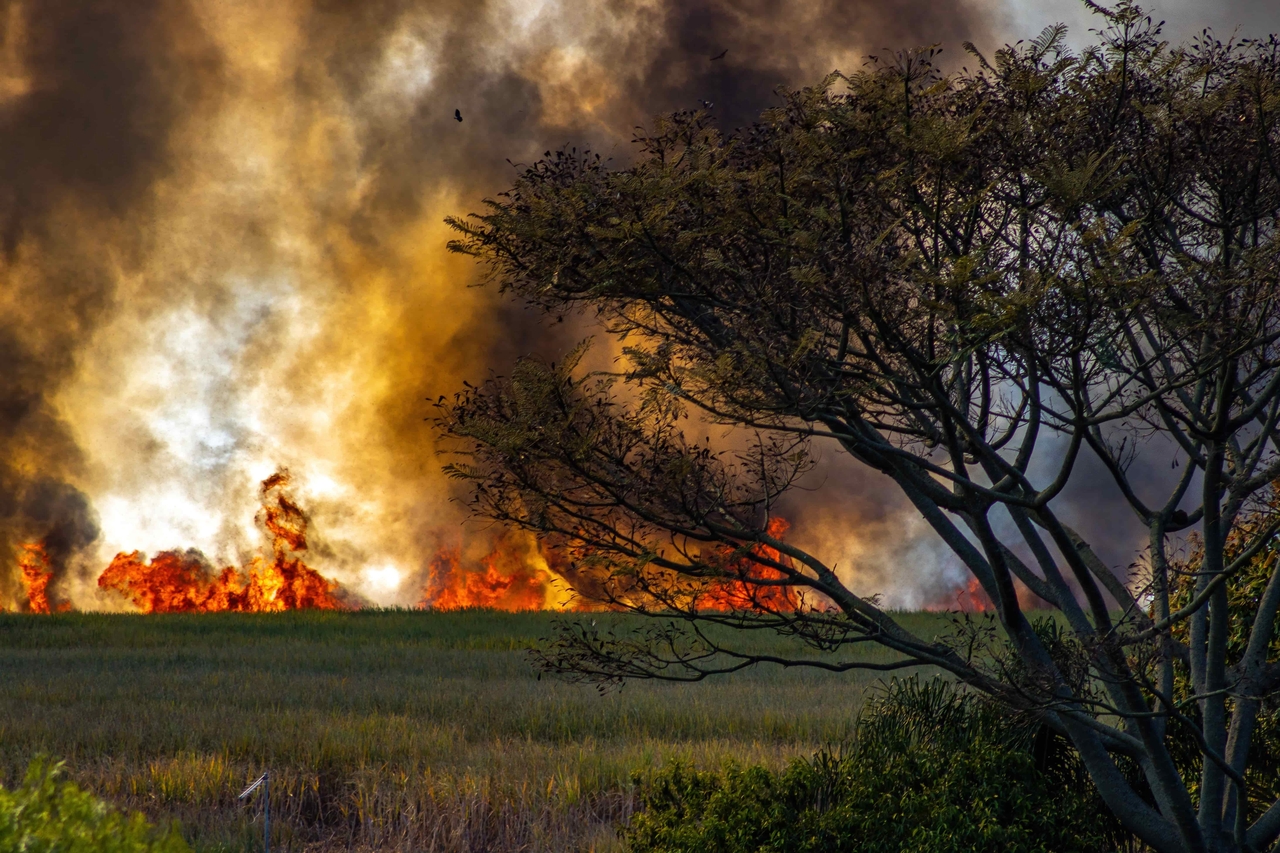
The first major driver is the available fuel load. Dead vegetation, low moisture levels, and dense brush serve as perfect tinder. However, not all fuels burn the same way.
Fast-burning "light fuels" include dry grass, pine needles, and small twigs. These items ignite quickly and burn fast. They allow a fire to sprint across an open field in minutes. On the other hand, long-burning "heavy fuels" include large logs and thick tree trunks. Heavy fuels take much longer to catch fire. But once they do ignite, they can burn for weeks. If your area has a lot of heavy fuels, you might experience much longer power cuts.
Weather Patterns and Wind Speed
The weather is the ultimate wildcard in any fire event. Wind provides a constant oxygen supply to the flames, acting like a giant fan. It also carries hot embers for miles through the air. These flying embers start new "spot fires" far ahead of the main blaze.
Furthermore, low humidity and high temperatures create the perfect environment for a fire to sustain itself. When the air is totally dry, moisture is literally sucked out of the living plants. This biological process turns green, healthy forests into giant fields of dry firewood waiting for a single spark.
The Role of Topography and Terrain
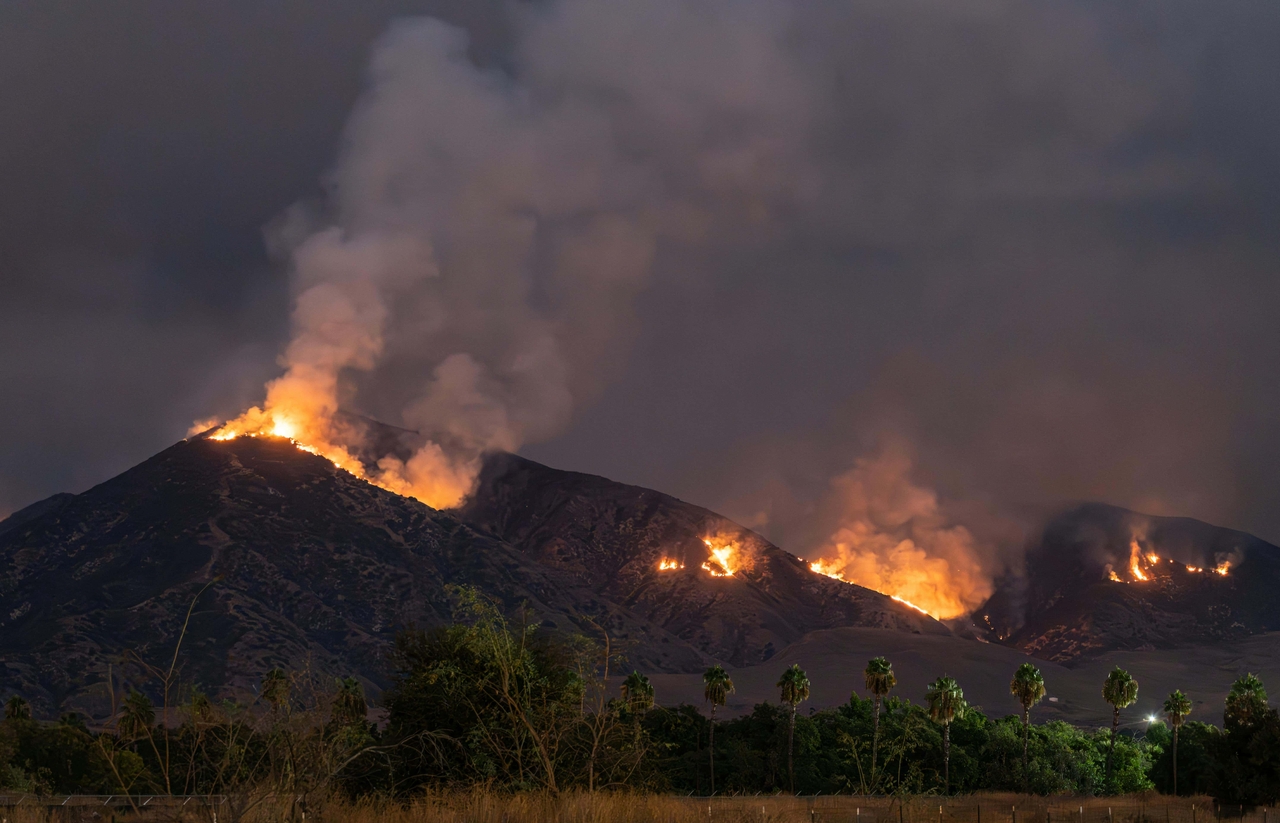
Topography means the physical shape of the land. The terrain plays a massive role in fire behavior. Steep canyons act exactly like natural chimneys. They push intense heat uphill at incredible speeds. This rising heat pre-dries the vegetation at the very top of the hill.
As a result, the fire spreads uphill much faster than it moves on flat ground. This rough, uneven terrain also prevents firefighters from safely reaching the front lines. If fire trucks and heavy bulldozers cannot drive up a steep mountain, the fire will naturally burn much longer without human intervention.
How Long Can a Forest Fire Last in Extreme Conditions?
You might wonder, how long can a forest fire last when conditions are at their absolute worst? The answer can be shocking. In extreme scenarios, a surface fire can burn continuously for several months, only stopping when seasonal shifts finally bring heavy winter snow or torrential rain. However, according to the National Interagency Fire Center, when flames travel beneath the surface, the timeline changes entirely.
Deep-Rooted and Underground Burning
Some fires do not just burn the trees above ground; they burn beneath the surface. Deep-rooted fires burning through heavy timber, dense brush, or underground peat can smolder slowly for months.
Peat is a layer of decaying plant matter in the soil that holds a lot of carbon. Once ignited, peat fires are notoriously hard to put out. These deep-rooted fires can sometimes even survive under winter snow. Scientists often refer to these as "zombie fires" because they consume organic matter beneath the soil all winter, only to rise back to the surface when the snow melts in the spring.
The Hidden Danger After the Main Front
A wildfire is not officially "out" just because the fast-moving, visible wall of flames has passed. Residual heat trapped inside large logs and root systems remains a severe threat.
This hidden heat acts like coals in a barbecue grill. It can easily reignite the forest if dry winds suddenly return. This is exactly why burn areas might look peaceful on the surface, but are actually still a major hazard underneath.
The Critical Role of Mop-Up Operations
Because of this hidden danger, firefighters must undertake a labor-intensive process. This process happens long after the main fire passes. It is known as a "Mop-Up" operation.
Crews have to physically dig out stubborn root systems with shovels. They break apart heavy logs with axes and chainsaws. Then, they manually douse hidden hotspots with endless gallons of water and dirt. This extensive mop-up operation is required to fully extinguish the area. Only then can the fire chief declare the zone 100% safe.
Emergency Preparedness During Extended Outages
When a long-lasting natural disaster threatens local infrastructure and power grids, homeowners must take practical steps. Waiting until the smell of smoke fills the air is simply too late. Here is a guide to keeping the household safe.
Assembling a Comprehensive Go-Bag
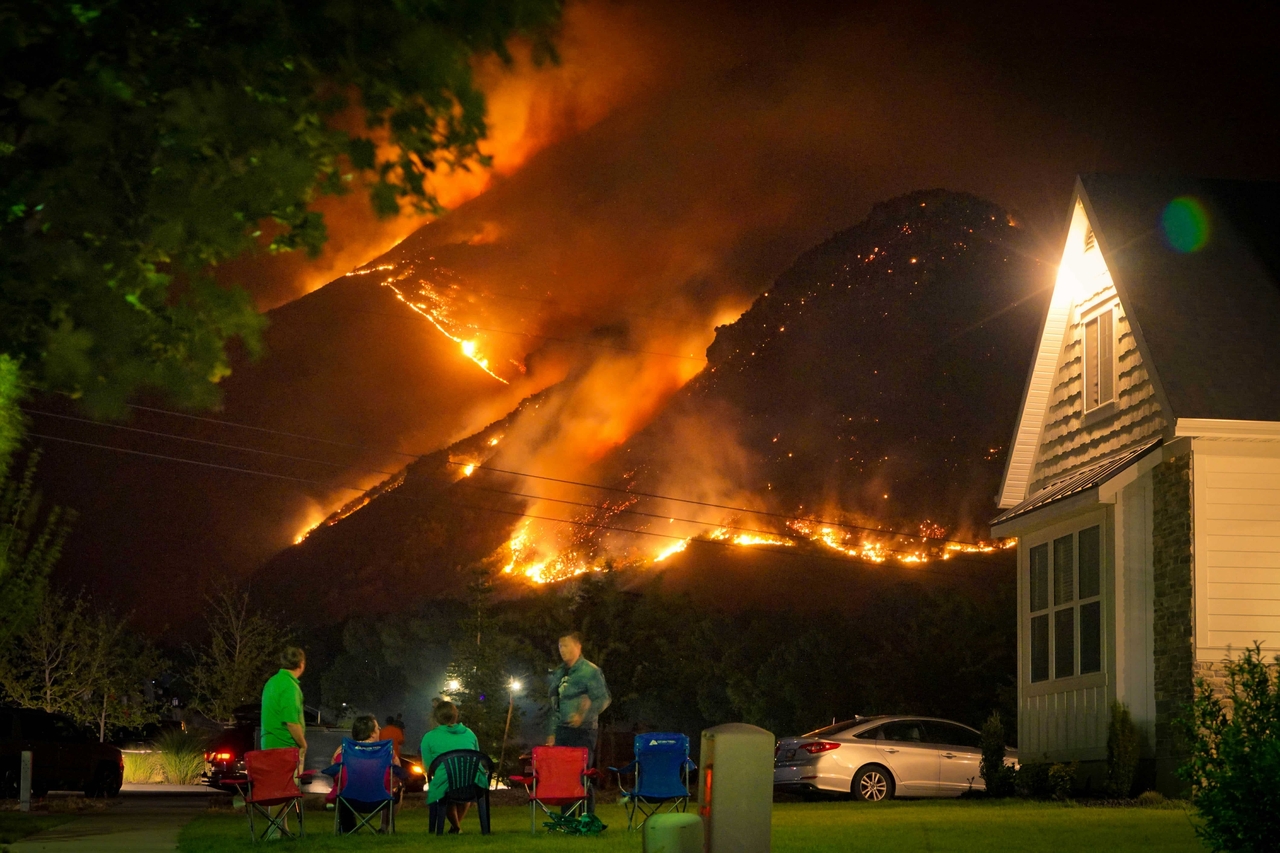
Fire paths can change unpredictably. Because of this extreme volatility, having an emergency evacuation kit ready at a moment's notice is an absolute necessity. Evacuating quickly requires a properly stocked go-bag. N95 or P100 respirator masks are vital for blocking dangerous airborne particles. Stash physical copies of important documents inside, right alongside a functional first-aid kit. Reliable flashlights make navigating the dark much safer. The final step is setting aside a minimum three-day supply of non-perishable food and water to protect your family.

Creating a Defensible Space
Creating a defensible space acts as a strong shield for the property. Clear out dry brush and dead leaves from the front and back yards, maintaining a strict 30-foot (9.1-meter) buffer zone around the perimeter. Landscaping choices matter immensely. Planting high-moisture plants and succulents can actually stop a slow-moving fire from reaching the main structure. Moving wooden patio furniture and firewood piles far away from exterior walls adds another crucial layer of protection.
Establishing a Reliable Communication Plan
Cellular network and internet failures are very common when local infrastructure burns. The power grid shutting down will also disrupt local cell towers. Keeping a battery-powered or hand-crank NOAA weather radio nearby ensures emergency broadcast alerts still come through even when the internet goes dark. Establishing a designated out-of-area family contact provides a reliable way to coordinate safety check-ins if local phone lines drop. Having everyone memorize this person's phone number guarantees a solid backup connection.
Maintaining Energy Resilience Safely
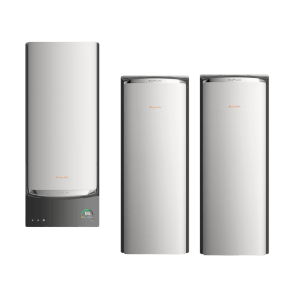
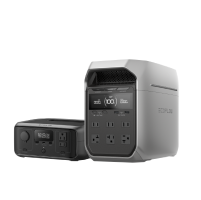
During an extended natural disaster, securing a continuous power supply is vital. You need it to ensure safety, maintain communication, and keep critical appliances running. Built specifically for emergency resilience, the EcoFlow Ocean Pro provides an uninterrupted whole-home power solution. This robust system instantly steps in to keep your household functioning smoothly the moment the grid goes down.
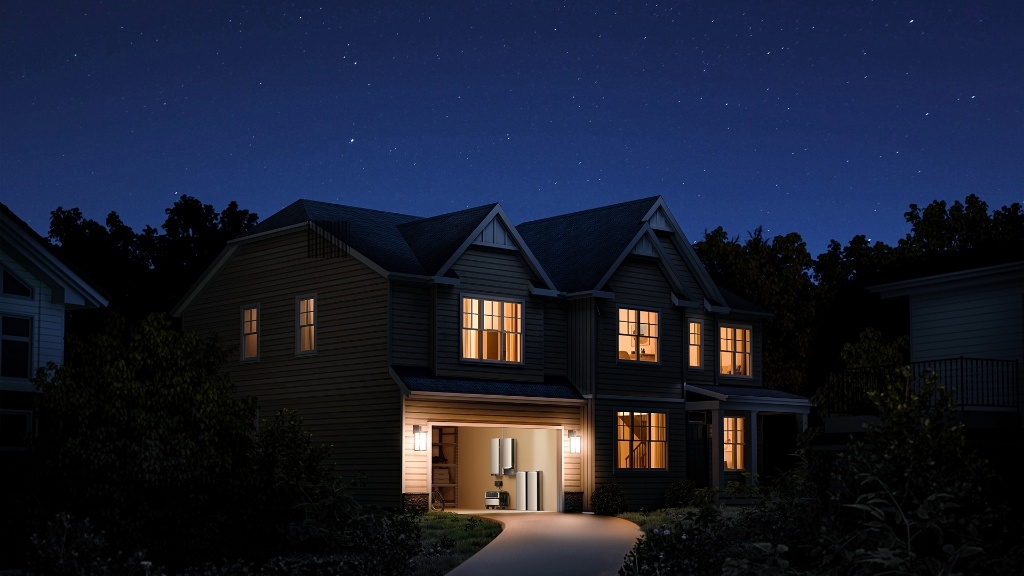
The unit is engineered to operate safely and efficiently even in extreme temperatures ranging from -4°F to 140°F. For emergencies, it offers extended runtime compatibility by integrating seamlessly with solar inputs and other backup sources. For daily use, its intelligent mode automatically shifts and optimizes your household energy usage. This process directly maximizes your remaining capacity when it matters most.
Uncertain about your home's power needs during unpredictable fire seasons? Request a consultation with our energy specialists to design a resilient backup plan for your property.
Get Your Free Home Energy Consultation!
Which energy solution are you interested in?
Essential Facts About Wildfires and Changing Seasons
Let's look at some important facts about wildfires. Shifting global climates are expanding the fire season. This is impacting our communities in severe and measurable ways.
Longer Fire Seasons: Climate-driven drought and warmer nighttime temperatures have changed the calendar. They have lengthened the fire season by more than a month in many regions compared to just 35 years ago.
Extreme Fire Behavior: Over the last two decades, the average peak growth rate of wildfires has nearly doubled. This rapid growth leads to much more frequent and intense burning events that are significantly harder for crews to stop.
The Threat of PM2.5: Wildfire smoke is highly toxic. It is composed of about 90% fine particulate matter, known in the scientific community as PM2.5. These tiny particles can travel deep into your lungs and even enter your bloodstream, causing major health issues.
Traveling Smoke: You do not have to live anywhere near a burn zone to be affected by one. High-altitude jet streams can carry toxic wildfire smoke and PM2.5 particles thousands of miles across the country. This can significantly erode local air quality in major cities far away from the actual flames.
Final Thoughts
We have zero control over the weather, the available fuel, or the steep topography that dictates how long a wildfire lasts. However, household preparedness remains entirely a matter of personal control. Taking proactive steps acts as the best defense against the unpredictable nature.
Protecting family comes down to a few critical actions. Start by clearing a defensible space around your property. You should also pack a detailed go-bag and secure a resilient home backup power plan. Getting these ready right now ensures maintaining essential communications when everything else fails. More than anything, it gives homeowners a real peace of mind during extended natural disasters. Don't wait until you actually see smoke in the air—start planning today.
FAQs
What are 5 interesting facts about wildfires?
Wildfire seasons are now a month longer than 35 years ago. Smoke contains 90% PM2.5 particles. Fires spread faster uphill due to heat rising. Humans cause almost 90% of all wildfires. Zombie fires can actually survive underground during the cold winter snow.
How long do wildfires last in drought conditions?
Drought conditions create extremely dry fuel, allowing fires to last for many months. To keep your home running safely during prolonged power outages caused by these long fires, a system like the EcoFlow Ocean Pro provides reliable steady power.
How long can a wildfire last underground?
Underground fires can smolder for several months or even years. They burn slowly through deep root systems and peat soil. During extended emergencies, a robust battery backup ensures your home stays comfortably powered and secure at all times.
Do wildfires naturally stop?
Yes, wildfires will eventually stop naturally. This happens when they finally run out of burnable fuel, encounter heavy rainfall or snow, or reach a vast natural barrier like a wide river or a rocky cliff where there is simply nothing left to burn.
How long does a wildfire last in an initial attack phase?
The initial attack phase usually lasts for the first few hours up to a few days. During this highly critical time, firefighters aggressively try to contain the small blaze before it grows into a massive and unmanageable, long-lasting disaster.

