
How Long Do Hurricanes Last: A Homeowner's Guide to Emergency Backup Power
Understanding a hurricane's lifecycle helps homeowners prepare for every stage of the event, from the days the storm spends strengthening over warm ocean waters to the weeks or even months communities may spend recovering afterward.
This guide explains how long hurricanes typically last, what happens after landfall, and how homeowners can better protect their families with reliable home battery backup energy solutions.
The lifecycle of a hurricane: how long do hurricanes last?
A hurricane's lifespan depends largely on the environmental conditions surrounding it. Some storms develop and dissipate within only a few days, while others remain active for weeks as they travel across thousands of miles of open ocean.
Open-ocean lifespans
Once a tropical disturbance develops into a hurricane, it can remain a fully organized tropical cyclone for anywhere from several days to more than two weeks. Most Atlantic hurricanes exist for approximately one to two weeks, although every storm follows its own unique path.
As hurricanes move over warm ocean waters, typically at least 80°F (26.5°C), they continuously draw heat and moisture from the sea surface. This energy fuels powerful thunderstorms surrounding the eye, allowing the storm to maintain or even increase its intensity.
Several factors influence how long a hurricane survives over the ocean, including:
Ocean temperatures
Atmospheric moisture levels
Wind shear (changes in wind speed or direction with height)
Interaction with other weather systems
The storm's forward speed
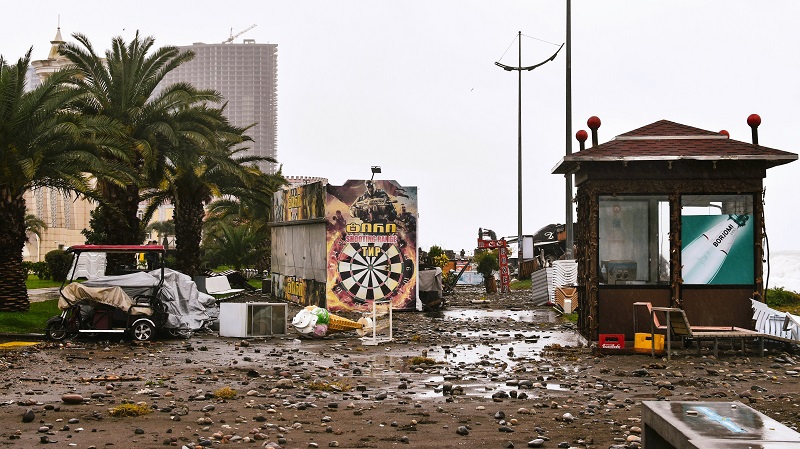
Landfall duration: how long does a hurricane last over a specific area?
Although hurricanes may spend weeks in the ocean, they typically affect any single location for a much shorter period.
The passing storm
A hurricane usually passes over one inland location within 12 to 24 hours, though this varies depending on the storm's size and forward movement.
Fast-moving hurricanes may sweep through an area in less than 12 hours, bringing a brief but intense period of destructive winds and heavy rain. Slower systems, however, can linger over the same communities for more than a day, dramatically increasing rainfall totals and flood risks.
The landfall weakening process
Once a hurricane makes landfall, it immediately begins losing the energy source that sustained it over the ocean.
Without warm seawater supplying heat and moisture, the storm's circulation gradually weakens. As a result, hurricanes often weaken rapidly after coming ashore.
Many storms lose roughly half of their maximum sustained wind intensity within about 24 hours of landfall, although the exact rate depends on factors such as storm size, forward speed, and the surrounding landscape. Large hurricanes sometimes maintain damaging winds farther inland, while smaller storms can deteriorate more quickly.
Remaining hazards
One of the biggest misconceptions about hurricanes is that danger ends once the strongest winds pass. In reality, many of the deadliest impacts occur after the storm has weakened.
Heavy rainfall can continue for several days, causing rivers to overflow and flash flooding to develop far inland. Saturated soil also increases the likelihood of fallen trees, landslides in mountainous areas, and prolonged road closures.
Additionally, hurricanes frequently produce:
Inland flooding that persists long after landfall
Tornadoes embedded within outer rainbands
Downed power lines and damaged utility infrastructure
Dangerous travel conditions caused by debris and standing water
Extended communication and transportation disruptions
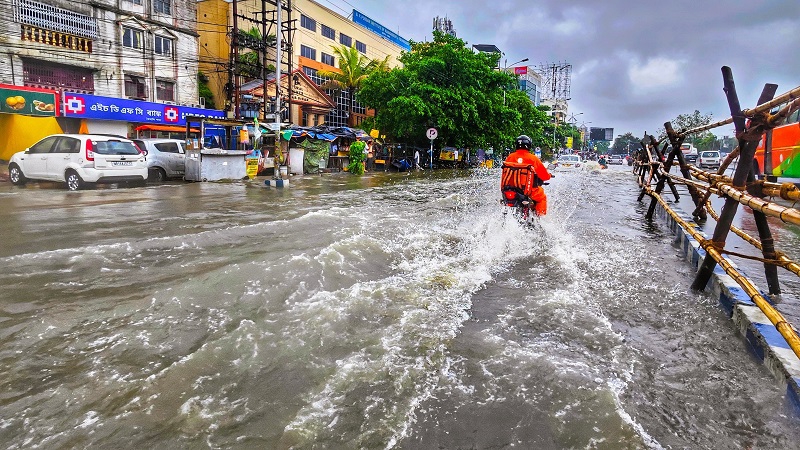
The aftermath: how long do hurricane-induced power outages last?
While destructive winds may move through within 12 to 24 hours, damaged electrical infrastructure can leave entire communities without power for days, weeks, or even months.
The duration of an outage depends largely on the storm's intensity, the extent of infrastructure damage, and how quickly utility crews can safely restore the grid.
Hurricane Category | Sustained Wind Speed | Typical Damage | Estimated Power Outage Duration |
Category 1 | 74–95 mph | Minor to moderate damage to trees, roofs, and power lines | A few hours to several days |
Category 2 | 96–110 mph | Extensive tree damage, damaged roofs, widespread utility disruptions | Several days to two weeks |
Category 3 | 111–129 mph | Major structural damage and significant grid failures | Several weeks |
Category 4 | 130–156 mph | Severe structural damage and widespread utility network destruction | Several weeks to months |
Category 5 | 157+ mph | Catastrophic damage to homes, infrastructure, and electrical systems | Several weeks to months |
Why does grid recovery take so long?
Many homeowners wonder why electricity isn't restored shortly after skies clear. The reality is that rebuilding a damaged power grid is a complex, highly coordinated process that prioritizes safety before restoration.
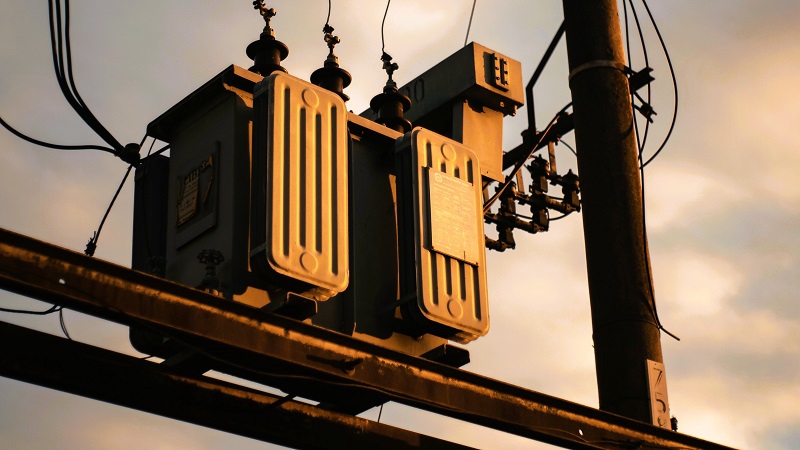
Before repairs begin, crews must first inspect the entire network to identify damaged equipment and ensure energized lines do not pose risks to workers or the public.
Common challenges include:
Clearing fallen trees and storm debris from roadways
Replacing thousands of snapped utility poles
Repairing or rebuilding damaged transmission lines
Restoring flooded substations and electrical equipment
Preparing for Long-Term Hurricane Power Outages
As hurricanes become more disruptive and prolonged power outages are increasingly common, many homeowners are rethinking how they protect their homes. A dedicated home battery backup system provides an additional layer of resilience, helping essential appliances remain operational even when the grid goes offline.
Introducing EcoFlow Ocean Pro
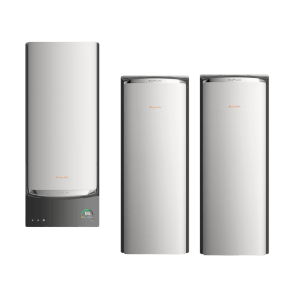
The EcoFlow Ocean Pro is a whole-home battery backup system designed to provide dependable energy during grid failures while also supporting everyday home energy management.
It integrates directly with a home's electrical system. When the grid fails, the system can automatically supply stored electricity to compatible household circuits, minimizing disruption without requiring homeowners to connect extension cords or refuel equipment.
Its scalable architecture allows homeowners to configure storage capacity based on household energy needs, making it suitable for both essential-load backup and whole-home resilience during prolonged outages.
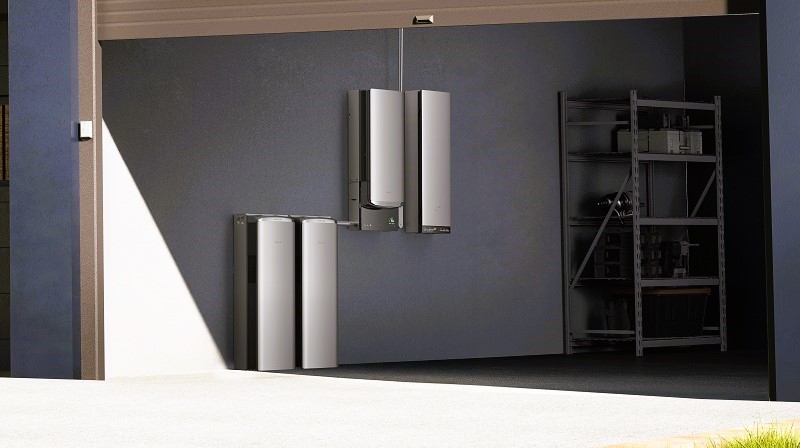
Key system features and specifications
Heavy-duty output power: Delivering up to 24 kilowatts of continuous AC output and a 205-amp Locked Rotor Amp (LRA) surge capacity. It easily starts up and runs power-hungry loads like central air conditioning units, pool pumps, and heavy appliances.
Scalable battery storage: Features a modular design starting at 10 kilowatt-hours, expandable all the way up to 80 kilowatt-hours of capacity per inverter to keep whole-house loads operating until the grid returns back to normal.
Extreme weather durability: Backup equipment intended for hurricane-prone regions must be capable of operating in challenging environmental conditions. Built with NEMA 3R weatherproofing and active thermal protection, the Ocean Pro can perform in temperatures ranging from minus 4 degrees to 140 degrees Fahrenheit.
Get Your Free Home Energy Consultation!
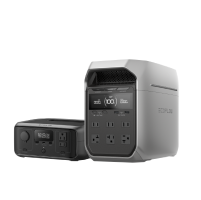
Which energy solution are you interested in?
Emergency checklist: things to keep in mind when a hurricane strikes
Preparing before a hurricane arrives can significantly reduce risks to your family and property. While no checklist can eliminate every hazard, taking these practical steps ahead of landfall helps ensure you're ready for both the storm itself and the extended recovery period that often follows.
Secure food and water supplies
Store enough essentials to support every member of your household for at least three to seven days. Don't forget infant supplies, pet food, and manual can openers if needed.
Prepare emergency power and backup systems
Charge phones, laptops, power banks, flashlights, and rechargeable batteries before the storm arrives. If your home uses a battery backup system such as the EcoFlow Ocean Pro, confirm it is fully operational.
Harden your home's exterior
Install storm shutters or reinforce windows with approved plywood panels if necessary. Trim weak tree branches, clear gutters to improve drainage, and secure patio furniture, grills, toys, and gardening equipment.
Monitor local alerts and weather radios
Conditions can change rapidly as hurricanes approach land. Keep a battery-powered or hand-crank NOAA weather radio available to receive emergency broadcasts if cellular networks fail.
Conclusion
A hurricane may spend days or even weeks on warm ocean waters, but it usually passes over any one location within about 12 to 24 hours. Unfortunately, the storm's impact doesn't end when the skies clear. Flooding, infrastructure damage, and widespread power outages often continue disrupting communities for weeks or even months, especially after major hurricanes.
Preparing for these extended disruptions requires more than stocking emergency supplies. Investing in long-term energy resilience can help homeowners maintain access to essential appliances, communications, and home comfort when the electrical grid is unavailable. Whole-home battery backup systems like the EcoFlow Ocean Pro offer an alternative to traditional fuel-powered generators by providing automatic backup power and compatibility with solar recharging during prolonged outages.
FAQs
Which month is worst for hurricanes?
For the Atlantic hurricane season, September is historically the most active month. Ocean temperatures are typically at their warmest, creating favorable conditions for tropical cyclone development and intensification. While hurricanes can occur anytime between June 1 and November 30, activity usually peaks from mid-August through late September.
How long do hurricanes last at full strength once it hits land?
Most hurricanes begin weakening immediately after landfall because they lose access to the warm ocean water that fuels them. Depending on the storm's size, speed, and terrain, many lose roughly half of their wind intensity within about 24 hours, although heavy rainfall and flooding can continue much longer.
Why do power outages last so much longer than the actual storm?
Restoring electricity involves far more than reconnecting power lines. Utility crews must clear debris, inspect damaged infrastructure, replace broken poles, repair substations, and safely rebuild portions of the electrical grid. Large hurricanes may also create equipment shortages and access challenges, extending restoration timelines for weeks or even months.
How long is hurricane season, and when is the risk of power outages highest?
In the Atlantic basin, hurricane season officially runs from June 1 through November 30, with the greatest storm activity occurring between August and October. Because stronger hurricanes are more common during this period, the likelihood of widespread and prolonged power outages is also at its highest.

