
How Long Can A Fridge Go Without Power: Essential Food Timelines
When the grid goes unexpectedly dark, the ticking clock on your groceries begins immediately. Knowing precisely how long can a fridge go without power is critical to preventing foodborne illness and saving hundreds of dollars in spoiled groceries. While simple habits can preserve your food temporarily, planning ahead with a home battery backup system is the most effective way to eliminate outage anxieties entirely. In this guide, we break down the critical timelines, temperature safety zones, and essential protocols to follow during your next blackout.
The Golden Rules of Fridge and Freezer Safety
A power outage creates immediate, stressful challenges for food storage. Adhering to a few foundational practices right when the grid fails will significantly extend the life of perishables. Proper preparation makes a major difference, transforming a potential crisis into a minor inconvenience. Having the right power outage supplies readily available ensures the household can navigate unpredictable situations safely and comfortably.
Keeping the Doors Closed
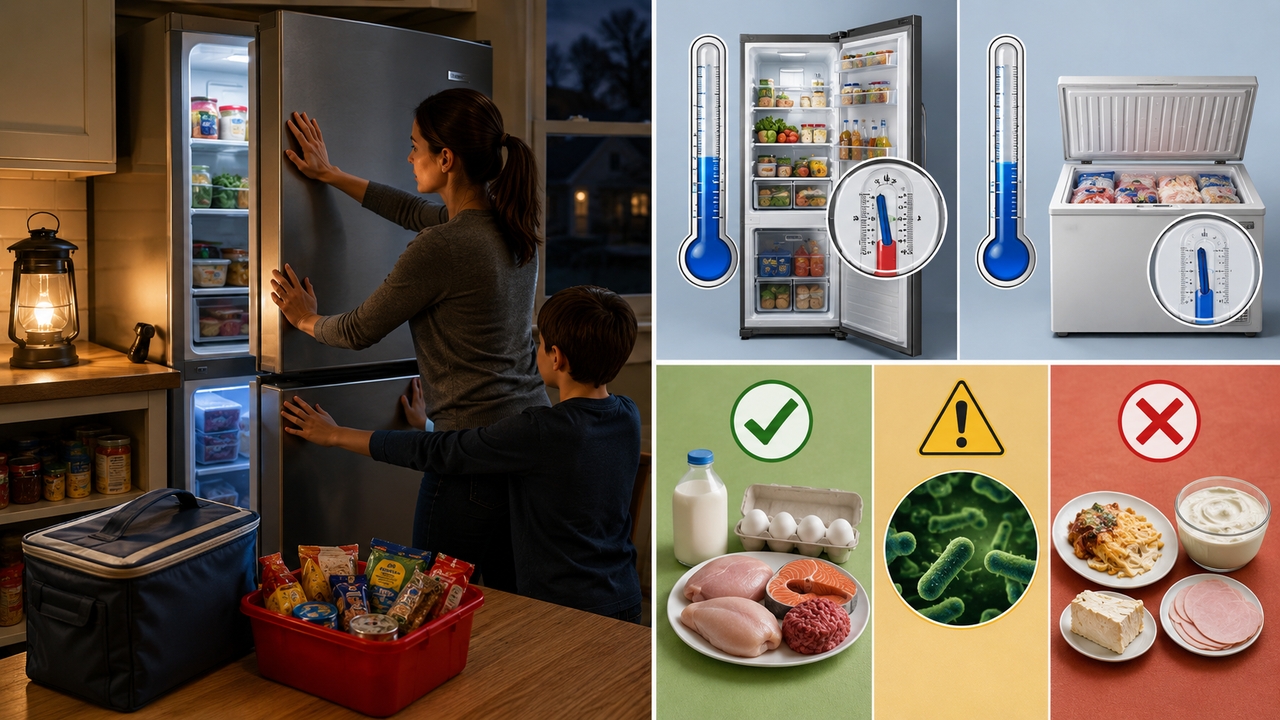
The single most critical step during an outage involves trapping the cold air inside the appliance. Every time the door opens, warm ambient air rushes in. This drastically reduces the safe timeframe for perishables. Cold air naturally sinks, spilling out the bottom the moment the seal breaks.
A smart strategy involves labeling coolers or dry pantries with non-perishable snacks. Doing this stops family members from opening the refrigerator out of habit. Treat the appliance doors as if they are locked tight. Families that successfully keep the doors closed preserve the internal temperatures for as long as physically possible.
Temperature Thresholds for Safe Food
Understanding the science of food safety helps families make better decisions. The Food and Drug Administration (FDA) provides definitive rules for handling perishables during grid failures. According to their research, food must remain at or below 40 °F (4 °C) in the refrigerator. Meanwhile, the freezer needs to stay at 0 °F (-17.7 °C).
These specific temperature thresholds naturally inhibit bacterial growth. When the internal environment rises above 40 °F, food enters the "danger zone." In this warmer state, harmful bacteria multiply rapidly. To help households understand which items carry the highest risk, the United States Department of Agriculture (USDA) offers clear guidelines detailing exactly what to keep and what to toss. Consuming items left in the danger zone leads to severe stomach issues.
Exact Timelines: How Long Do Fridges Last Without Power?
People often wonder about the specific duration limits for different appliance compartments. Figuring out exactly how long do fridges last without power depends heavily on the type of appliance, the ambient temperature, and how full the appliance is at the time the electricity drops.
Standard Refrigerators
A standard refrigerator compartment loses its cool faster than a freezer. An unopened, fully functional refrigerator will keep food safely cold for up to 4 hours. This strict timeline assumes the door stays completely shut the entire time. During the first hour, the temperature might only rise a few degrees. By hour three, the internal climate creeps dangerously close to the 40 °F threshold.
If the outage lasts less than four hours, everything inside remains perfectly safe to consume. Once the grid restores, the appliance's compressor kicks back on to cool things down.
Half-Full Freezers
Freezers operate differently because the frozen food itself acts as a cooling agent. A half-full freezer can hold its temperature for approximately 24 hours. Because there is less frozen mass to sustain the cold environment, the air inside warms up much faster. The empty space simply fills with ambient air, which does not retain cold temperatures very well.
For instance, if a freezer only contains a few boxes of waffles and some ice cream, those items will soften significantly by the end of the first day.
Fully Packed Freezers
A fully packed freezer acts like an old-fashioned icebox. Because it sits densely loaded with solid, frozen items, it can maintain safe temperatures for up to 48 hours without electricity. The large thermal mass of the frozen food helps keep everything freezing cold.
Solid blocks of meat or dense casseroles release cold air slowly, protecting the items nearby. Figuring out how long will food last in a fridge without power ultimately comes down to this balance of thermal mass. A heavily packed freezer acts as its own internal battery of cold air, providing a crucial two-day grace period.
Preparing Your Kitchen for Prolonged Power Outages
Extended grid failures require proactive problem-solving. When severe weather knocks out electricity for days, relying on basic insulation alone fails to protect a family's food supply.
Organizing with Ice Packs and Coolers
A great way to prepare involves intentionally grouping frozen items together in the freezer. Creating a larger frozen mass helps items stay cold much longer. As the 4-hour safety window for the main refrigerator compartment begins to close, transferring milk, raw meat, and cooked leftovers into pre-chilled coolers becomes absolutely necessary.
Using dry ice or heavy-duty gel packs in these coolers extends the lifespan of daily essentials significantly. Dry ice works wonderfully for long-term cooling, though it requires safe handling. Using heavy gloves prevents severe skin burns, and the cooler must stay in a well-ventilated area.
Keeping Heavy Appliances Running
For outages lasting longer than a single day, coolers and melting ice packs rarely cut it. Modern families have high energy needs, and keeping demanding kitchen appliances running smoothly requires a robust electrical solution. Maintaining continuous power safely means relying on a heavy-duty home energy system.
For example, integrating the EcoFlow OCEAN Pro Solar Battery System effortlessly handles the massive electrical draw of large refrigerators during long blackouts. The system provides an impressive 10kWh of scalable battery capacity per module and delivers 24kW of continuous output. In real-world scenarios, this immense power means homeowners do not have to nervously pick and choose which appliances to run. A large refrigerator, essential lighting, and other key appliances can all operate simultaneously without overloading the electrical panel.
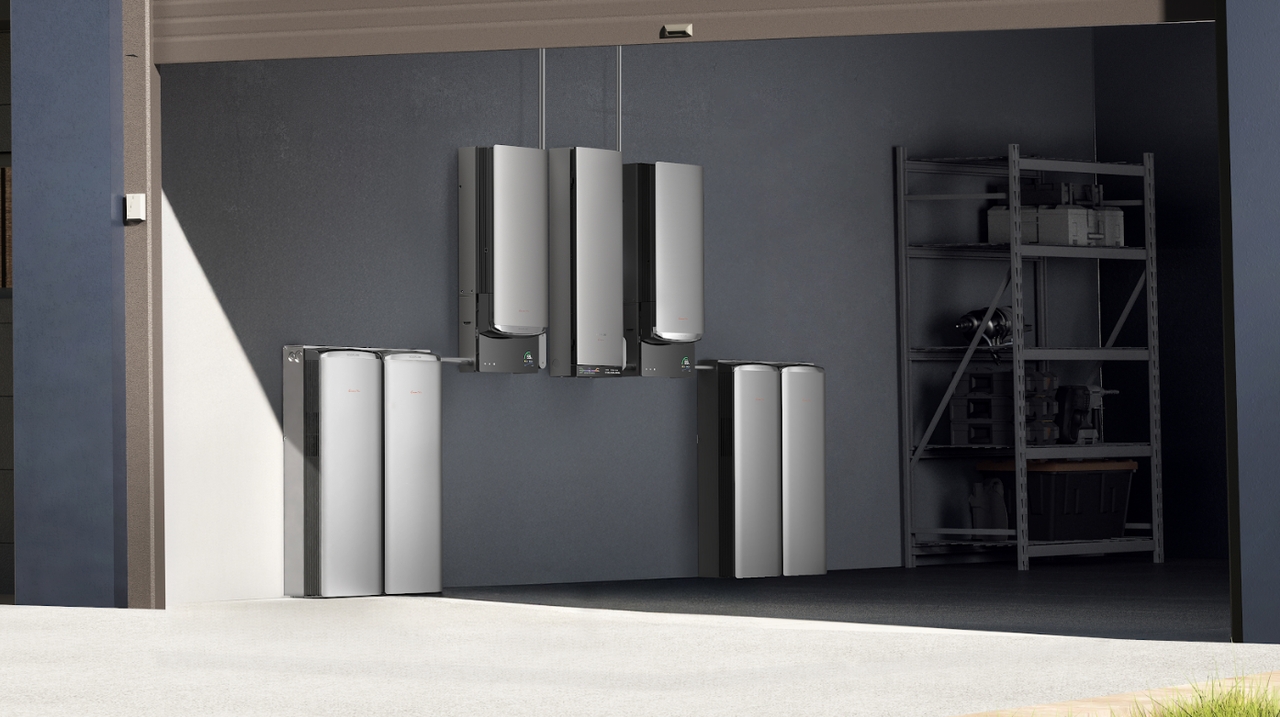
Beyond providing critical emergency backup, the Ocean Pro integrates smoothly into daily routines. During normal grid operations, its Intelligent Mode optimizes energy usage based on Time-of-Use rates. This allows the system to pull power when grid electricity is cheap and deploy it during expensive peak hours, naturally lowering utility bills. When a blackout strikes, the system detects the grid failure instantly and switches over to battery power in as little as 20 milliseconds. This automatic response means the kitchen appliances never actually lose power, completely eliminating the need to transfer food to coolers or worry about that stressful 4-hour safety window.
Are you ready to resolve your uncertainty about home battery backups? We can help you protect your modernized property and keep your groceries safe during the worst storms. Request a consultation today to find the perfect energy solution for your home.
Get Your Free Home Energy Consultation!
Which energy solution are you interested in?

Utilizing Appliance Thermometers
Relying on the digital display built into a modern appliance often leads to trouble. When the power goes out, those digital displays instantly go dark, leaving families blindly guessing about the internal climate. A highly recommended practice involves keeping standard, analog appliance thermometers permanently installed in both the fridge and freezer compartments.
These simple, inexpensive tools do not require any electricity to function. Place one near the front door of the fridge, as this is usually the warmest spot. When the grid eventually comes back online, a quick glance at the analog thermometer accurately verifies if the food actually stayed within the safe zone.
How To Tell Whether Food Is Still Safe After Power Returns
Once the neighborhood lights finally come back on, the next major challenge involves evaluating the kitchen inventory. Guessing about food safety leads to unnecessary waste or dangerous sickness.
Check Temperatures Before Checking Appearance
Smell and appearance alone act as highly unreliable indicators of food safety. The specific bacteria that cause severe food poisoning do not always alter the taste, smell, or look of the food. A piece of chicken might look perfectly normal and smell fine, yet still harbor dangerous levels of bacteria.
Using thermometer readings serves as the ultimate deciding factor. If the appliance thermometer reads 40 °F or below, the contents generally remain safe to consume.
Food-Specific Guidelines
Different foods react differently to warming temperatures. Knowing which items are sensitive and which are hardy saves valuable time during the cleanup process.
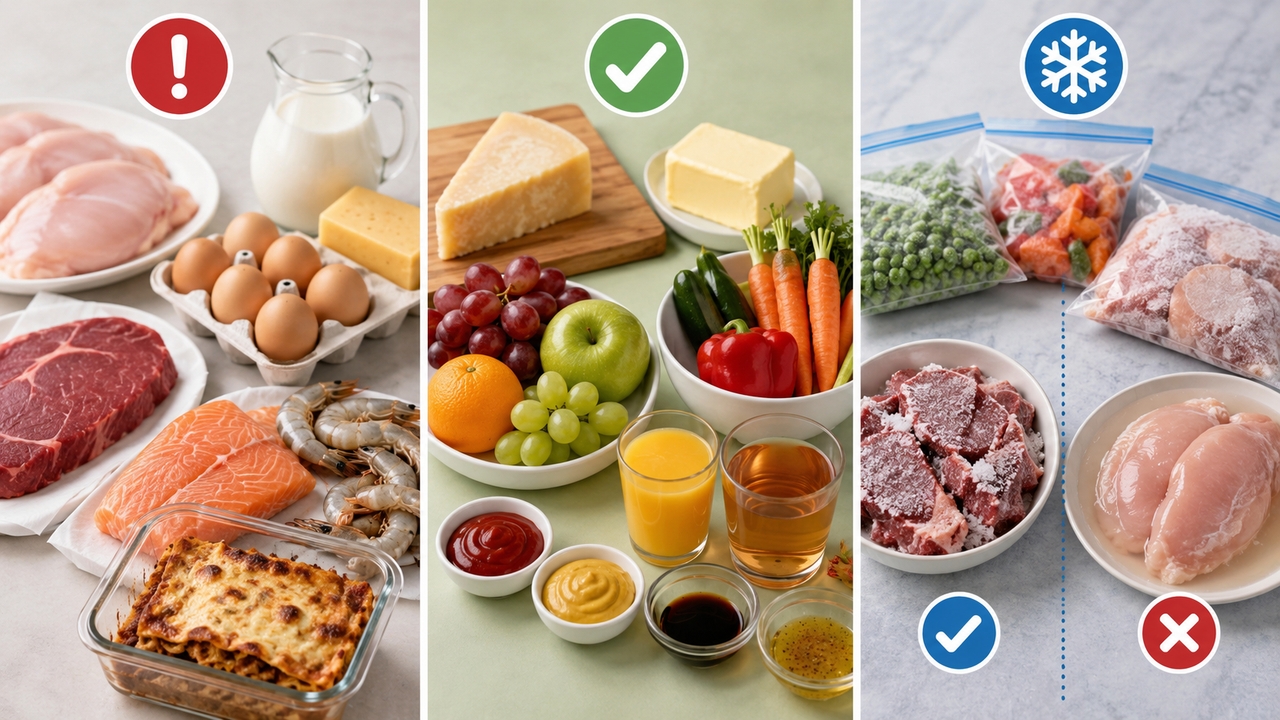
High-Risk Foods: Items like raw meats, poultry, seafood, dairy products, eggs, and cooked leftovers are highly sensitive to temperature shifts. Adhering strictly to local health guidelines prevents severe bacterial infections. If these specific items sit exposed to temperatures above 40 °F (4.4 °C) for more than two hours, discarding them immediately remains the safest choice.
More Tolerant Foods: Some everyday items hold up surprisingly well in warmer environments. Hard cheeses, butter, fresh uncut fruits, whole vegetables, and fruit juices usually survive a brief warming period without any issues. Condiments like ketchup, mustard, soy sauce, and vinegar-based dressings stay safe because their high acidity naturally limits rapid bacterial growth.
What To Do With Partially Thawed Frozen Food: Handling thawing food requires careful attention. Frozen food that still contains visible ice crystals or remains completely cold to the touch can be safely refrozen. The overall quality or texture might degrade slightly, perhaps becoming a bit mushy, but it remains safe to eat. However, if frozen meat, poultry, or fish completely thaws and sits above 40 °F for more than two hours, disposal prevents severe illness.
Common Food Safety Mistakes After a Blackout
People often make critical errors when trying to salvage their expensive groceries. Knowing what to avoid is just as important as knowing what to keep.
Refreezing unsafe food: Putting fully thawed, warm food back into the freezer does not kill the dangerous bacteria. It merely pauses their growth until the food thaws again.
Relying on smell tests: Dangerous pathogens like Salmonella or E. coli do not make food smell rotten. Trusting a quick sniff test over an actual thermometer reading brings massive health risks.
Keeping food "just in case": When in doubt, throw it out. Risking a painful trip to the emergency room over a few dollars worth of deli meat is never worth the gamble.
Conclusion
Understanding exactly how long a refrigerator can go without power empowers families to act swiftly during unexpected grid failures. By keeping appliance doors sealed incredibly tight, utilizing reliable analog thermometers, and knowing exactly which foods tolerate temperature shifts, households safely navigate minor outages.
However, relying purely on luck and bags of ice becomes highly stressful during severe weather events. For absolute peace of mind, upgrading the property's electrical infrastructure stands as the wisest, most reliable move. Exploring robust whole home backup power solutions ensures that essential appliances never stop running, expensive groceries stay perfectly fresh, and families remain completely comfortable regardless of what happens to the local power grid.
FAQs
How long can a fridge go without power before food spoils?
An unopened standard refrigerator keeps food safely cold for exactly 4 hours. After this brief window, the internal temperature naturally rises above 40 °F, causing highly perishable items like raw meat and dairy to spoil rapidly.
How long will a fridge stay cold if the power is off?
It retains its chill for up to 4 hours if kept perfectly sealed. Alternatively, homes equipped with an EcoFlow Ocean Pro keep refrigerators running seamlessly, bypassing this countdown entirely. A densely packed freezer maintains temperatures for up to 48 hours.
How long can milk last in a fridge without power?
Milk is highly sensitive to subtle temperature changes. It lasts only for the initial 4-hour window while the appliance remains off. If the outage extends beyond 4 hours and temperatures climb above 40 °F, discard the milk safely.
Should I put my perishables outside in winter during an outage?
No, putting food outside during winter is highly discouraged. Outdoor temperatures are unpredictable and uncontrolled: they may warm food into the danger zone during the day, or drop low enough to freeze and thaw perishables repeatedly, both of which compromise food safety. Furthermore, leaving food outdoors attracts wild animals and exposes perishables to unsanitary conditions.
What is the best way to monitor food temperatures?
Keep standard analog appliance thermometers permanently installed inside the unit. Because they don't rely on electricity, they provide accurate readings even during blackouts. A quick glance confirms if temperatures stayed safe, eliminating any guesswork.

