
Energy Savings: How Do Solar Panels Work With Your Electric Bill
Many homeowners invest in renewable energy expecting their monthly statements to vanish entirely, but the reality of utility billing is slightly more complex. Understanding exactly how do solar panels work with your electric bill is the first step toward maximizing your return on investment and taking control of your home's energy consumption. By analyzing your local utility policies, adjusting your daily habits, or integrating a smart home battery backup system, you can significantly alter your reliance on the grid. In this overview, we will break down the mechanics of solar billing, net metering, and time-of-use tariffs.
Understanding Your Electricity Bill with Solar Panels
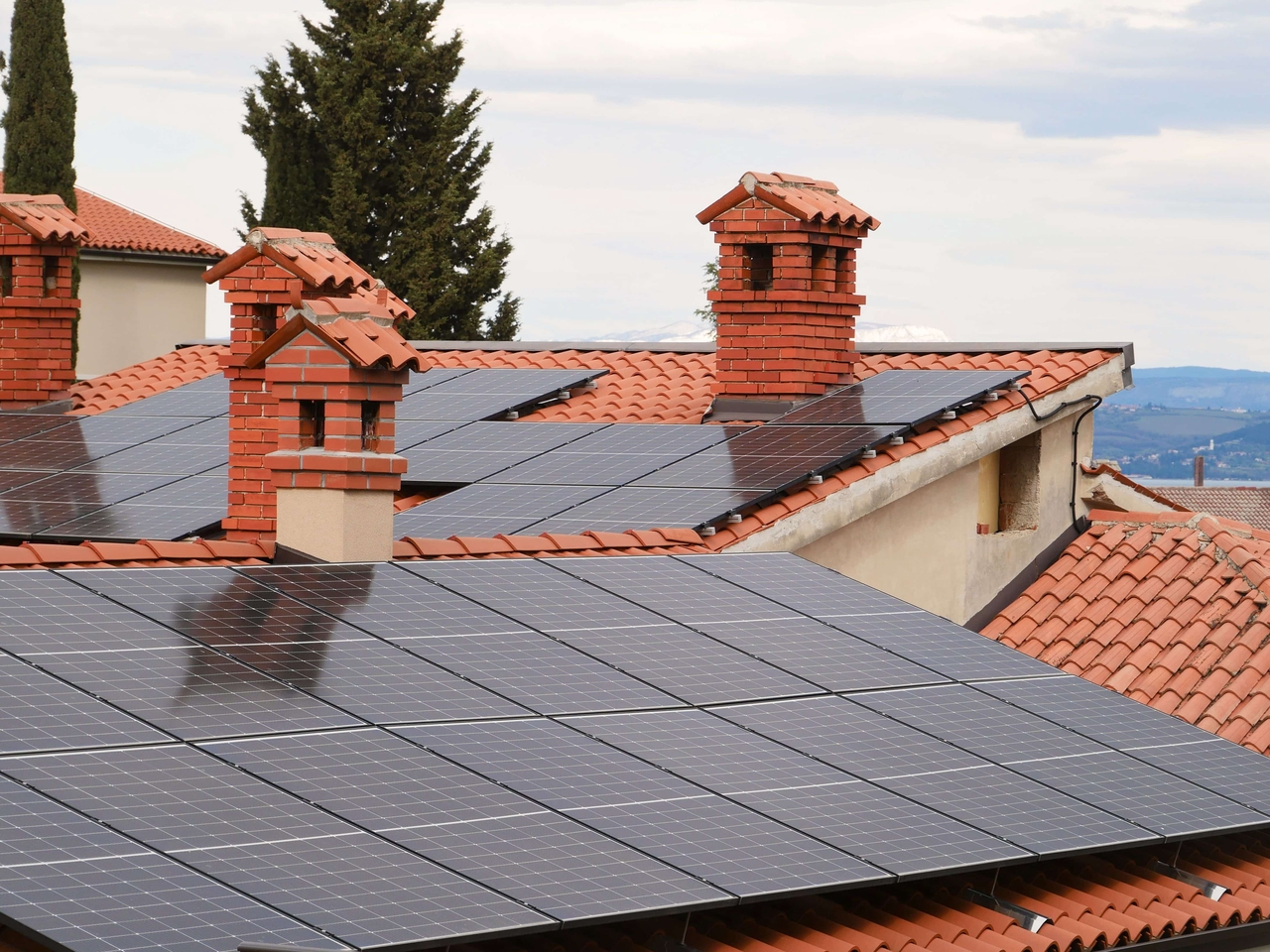
Transitioning to renewable energy changes the entire look of a standard utility statement. Companies divide these monthly documents into distinct new categories. They separate the power a property produces from the electricity drawn directly from the grid. Homeowners must learn to read these specific formats to track savings accurately. Learning about a comprehensive home solar ecosystem provides a great foundation for reading these statements clearly.
Fixed Connection Fees
Most utilities charge a fixed baseline fee to keep properties connected to the grid. This covers essential infrastructure maintenance and administrative costs. Because the grid acts as a reliable backup power source, monthly statements rarely drop to zero.
Volumetric Energy Charges
This variable charge covers electricity pulled directly from the grid. When panels underproduce at night or during heavy storms, homes must rely on utility lines. High power usage during cloudy days naturally increases this specific cost.
Energy Credits
Systems producing excess power earn valuable statement credits. These directly offset the cost of grid electricity consumed later in the month. The billing acts like a scale, balancing outgoing generation against incoming usage to highlight daily financial savings.
Net Metering: The Core of Solar Billing
Net metering stands out as the primary billing mechanism that allows residential solar systems to become financially viable. It essentially acts as a massive virtual storage system provided by the local utility company. Without this helpful policy, capturing the full financial benefit of daytime generation would be nearly impossible for most average households.
How Net Metering Credits Work
During peak daylight hours, a standard rooftop setup often generates significantly more electricity than a typical household consumes. With net metering active, this excess power pushes backward into the municipal grid. The utility company logs this export carefully. They then apply a credit to the electricity bill with solar panels. Think of it like rollover minutes on a traditional cell phone plan. The energy is banked for future use.
When a house draws power from the grid after sunset, those earned credits are applied to cover the costs. This continuous process balances out the monthly statement. Different states and utility companies handle these credits in various ways. Some offer a true one-to-one retail rate. This means every unit of energy sent to the grid equals one unit of energy pulled from the grid later. Other regions might use a wholesale rate instead. This alternative offers slightly less value for exported power. Understanding local city regulations helps families forecast their annual financial savings much more accurately.
Many states also implement a "true-up" period. This is an annual billing reconciliation. At the end of a full twelve-month cycle, the utility calculates the total energy produced versus the total energy consumed. If a household generated more than it used for the entire year, the utility might issue a small check or roll the credits into the next year.
Why Is My Electric Bill So High With Solar Panels?
Property owners are sometimes caught off guard by higher than expected statements in the mail. When someone asks, "why is my electric bill so high with solar panels?", the answer usually traces back to a few specific factors. Identifying these common variables helps in adjusting daily habits to get utility costs back on track.
Increased Household Consumption
Adding a new high-draw appliance can quickly outpace panel production. For example, installing a backyard hot tub or upgrading to an electric vehicle changes the daily math entirely. Even buying a large new refrigerator that requires 36 inches (91.4 cm) of clearance alters overall power demands. The initial system design accounted for historical household usage. It did not account for these heavy new additions.
Phantom Loads and Vampire Appliances
Many modern devices consume power even when turned off. Televisions, gaming consoles, and microwave clocks constantly draw small amounts of electricity. Over a full month, these phantom loads add up quickly. Unplugging devices or using smart power strips prevents this silent energy drain.
Seasonal Weather Changes
Winter months naturally mean much shorter days. The sun sits lower in the sky, reducing direct panel exposure. Thick cloud cover and heavy snow further diminish daily solar output. During these colder months, a house is forced to rely heavily on grid power. This seasonal dip in production is entirely normal. It does, however, cause winter utility statements to spike noticeably.
Tiered Utility Rates
Utility companies sometimes use complex tiered pricing structures. Under this specific model, electricity gets more expensive as total consumption increases. If a household consumes energy beyond their generated credits, that extra power might be billed at a premium top-tier rate. Staying within the lowest usage tier becomes essential for keeping monthly costs down.
Managing Time-of-Use (TOU) Rates to Maximize Savings
Many utility companies across the country are rapidly shifting away from standard flat-rate electricity. They are adopting Time-of-Use (TOU) pricing models instead. Under a TOU plan, the cost of electricity fluctuates based on overall regional grid demand throughout the day. This major shift requires consumers to become much more aware of exactly when they run their heavy appliances.
What Are Time-of-Use Tariffs?
Utilities charge the highest possible rates during designated peak hours. This stressful window typically stretches from late afternoon to late evening. Families return home from work or school and immediately turn on lights. They fire up televisions and start preheating ovens for dinner.
Unfortunately, this peak window perfectly aligns with the exact time solar panels stop producing energy. The sun goes down just as household power demand spikes. This timing forces households to buy grid electricity at its absolute most expensive price point of the day.
Strategies for Shifting Your Energy Consumption
To effectively combat TOU rates and successfully cut costs, heavy energy usage must align with solar production windows or off-peak nighttime hours. Simple behavioral changes make a massive difference in the long run. Running a dishwasher during the mid-day sun ensures the utilization of free solar power. Activating a pool pump or using an electric dryer at noon achieves the same great result. This avoids purchasing expensive grid electricity later in the evening.
Monitoring real-time energy flow helps identify which specific appliances drive up the monthly statement. Modern phone applications allow families to track these metrics easily. A bit of proactive planning turns an expensive evening routine into a highly efficient daytime schedule. Doing laundry on a sunny Saturday morning instead of a Tuesday evening is a perfect example of smart energy shifting.
Reducing Costs Through Smart Energy Storage
When rooftop panels stop producing at sunset, peak evening rates often kick in immediately. Integrating a smart home energy solution allows families to store their daytime solar surplus. This stored energy then safely powers the home straight through the night. Relying on stored battery power instead of grid power during peak evening hours transforms utility bills completely.

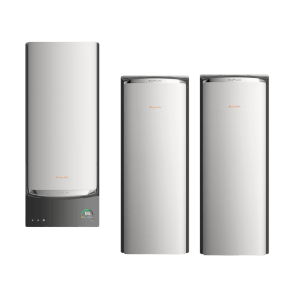
Consider a highly capable setup like the EcoFlow OCEAN Pro Solar Battery System. It steps in exactly when grid prices surge. By leveraging its Intelligent Mode, the system automatically shifts a home's energy consumption to off-peak hours. It seamlessly bypasses those expensive evening utility rates while keeping the property fully operational. This equipment relies on advanced data tracking to decide exactly when to store power and when to discharge it.
Adding a whole-home backup is a major structural upgrade that requires professional installation. Certified electricians must handle the integration to ensure local code compliance and optimal safety. Because homes require proper load management and secure wiring, this is absolutely not a project for beginners. The equipment operates behind the scenes, silently managing your daily electrical loads. For instance, families running heavy air conditioning units in the summer can draw from the battery during the late afternoon heat. This helps them avoid the highest tariff periods entirely.
Scalable Storage Capacity: The setup expands from a base 10kWh up to 80kWh. This massive range ensures a household can store enough daytime solar to significantly reduce reliance on the grid during those expensive evening hours.
Heavy Load Support: The unit delivers up to 24kW of continuous output. This capability easily runs high-draw appliances in modern homes. It can confidently power a heavy 5-ton HVAC system without needing to pull premium-priced power from the municipal grid.
Get Your Free Home Energy Consultation!
Which energy solution are you interested in?
Are you ready to resolve uncertainty about home battery backups and escape soaring evening utility rates? Modernizing a property with proper storage ensures lasting energy resilience. Request a consultation today to find the perfect energy solution tailored specifically for your household needs.
If You Have Solar Panels, Do You Pay for Electricity?
A very common misconception surrounds the transition to renewable energy. Many people believe that going solar means cutting ties with the utility company entirely. So, if you have solar panels do you pay for electricity? The short answer is usually yes. However, the total amount owed is drastically reduced compared to a standard neighborhood home.
The Minimum Connection Fee
As long as a property remains physically tied to the municipal grid, the utility will charge a fixed monthly connection fee. This charge covers essential community services. It pays for local grid maintenance, administrative billing costs, and the physical wire infrastructure.
This infrastructure is exactly what allows the property to participate in net metering programs in the first place. The grid essentially acts as a giant, communal battery for the whole town. The baseline fee is simply the cost of renting space in it. Paying this small fee guarantees that power is available on cloudy days or during maintenance periods.
Bridging the Gap
Residents will also pay for electricity if the household consumes more energy in a billing cycle than the panels produce. Unless the initial design completely offsets historical energy usage and includes adequate storage for the winter months, a small residual energy charge should always be expected.
Heavy winter snowstorms can cover panels for days. An unusually hot summer month requiring extra air conditioning can also create a large power gap. Budgeting for these minor seasonal fluctuations ensures no major financial surprises arrive in the mail. Being realistic about energy consumption patterns prevents future frustration.
Conclusion
Understanding the deep mechanics of utility billing empowers homeowners to take full advantage of their renewable energy investments. Knowing exactly how fixed fees, volumetric charges, and net metering work together clarifies the confusing monthly statement. Recognizing the financial impact of Time-of-Use rates highlights the huge importance of shifting consumption to mid-day hours. Adding scalable storage solutions further isolates a property from unpredictable grid pricing. While completely eliminating a utility bill is rare due to standard connection fees, strategic planning and smart equipment keep ongoing energy costs incredibly low for decades.
FAQs
Do solar panels really lower your electric bill?
Yes, they significantly reduce monthly utility costs. By generating free daily power, homes pull less energy from the grid. Pairing panels with an EcoFlow OCEAN Pro allows families to store daytime power, maximizing savings even at night.
How much does the average electric bill drop with solar panels?
Most households see a reduction of 50 to 90 percent on their monthly statements. The exact drop depends on local utility rates, household consumption habits, and the overall size of the installed rooftop system.
Why is my energy bill so high even with solar?
High bills usually stem from increased household energy consumption, shorter winter days reducing panel output, or time-of-use rates. Heavy power usage during expensive evening peak hours quickly drains financial savings.
If you have solar panels do you pay for electricity?
Yes, mostly for minimal connection fees. Properties connected to the grid pay small maintenance charges. However, installing a robust battery like the EcoFlow OCEAN Pro minimizes extra volumetric charges by powering a home with stored energy.
What happens to excess solar power?
Excess power flows back into the municipal grid through a process called net metering. The local utility tracks this exported energy and applies credits to the upcoming monthly statement to offset future usage.

