
What Is the Best Solar Power System for Home Energy Independence?
The way we power our homes is changing. In 2026, over 5 million U.S. homes now use solar power. However, the old strategy of just selling power back to the grid no longer works. Utility rates have reached all-time highs, averaging 19 cents per kWh. Because of these rising costs, homeowners want total energy self-sufficiency.
The most effective way to secure your financial future is to invest in a reliable solar power system for home use. You need a setup built on a robust home battery backup. This guide breaks down exactly how modern systems work. By the end, you will know how to choose the perfect setup to protect your home and lower your bills.
Understanding Solar Power Systems for Modern Homes
Choosing the right solar solution requires looking at two main things. First, you must consider System Architecture, which is how the system connects to your local utility grid. Second, you should think about your Energy Goals, which helps you decide if you need a simple backup for emergencies or a complete system for total energy independence.
Your system architecture is the foundation of your power strategy. It dictates exactly where your electricity goes during a sunny day. More importantly, it dictates what happens to your family when a severe storm knocks down the neighborhood power lines.
Grid-Tied Solar Systems: These connect to the public grid without batteries. They lower your bills while the sun shines, but they have a major flaw: if the grid goes down, your system shuts off completely. Plus, power companies now pay you very little for extra energy.
Off-Grid Solar Systems: Often built as a DIY setup, off grid solar power systems for homes have zero connection to the grid. They offer total freedom but require large, carefully sized batteries and strong inverters to survive multiple cloudy days.
Grid-Tied Solar System with Battery Backup: This is the most popular choice, offering both grid stability and battery resilience. You store solar power during the day to use at night or during power outages. A perfect example is the EcoFlow OCEAN Pro. Using a powerful hybrid inverter, it captures massive amounts of solar energy to run your home and uses Intelligent Mode to automatically lower your utility bills.
.jpg)
Exploring Off-Grid & DIY Solar Power Systems for Homes
Let us look closely at the modular approach. Many homeowners love the idea of a system that can grow right alongside their family. What if you do not have the budget for a massive system today? If you want to start small and expand your storage later, this is a fantastic path.
The Mechanics of Expansion
In the past, building a custom solar system was a nightmare. It meant dealing with highly fragmented, mismatched parts. You had to wire separate inverters, buy random batteries, and hook up messy charge controllers. It looked like a science experiment in your garage. Today, the modular path utilizes a beautifully streamlined, wireless setup. It is designed for fast deployment.
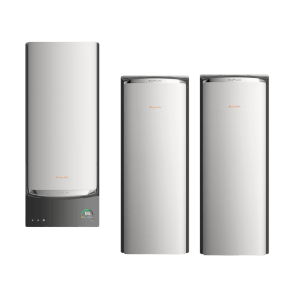
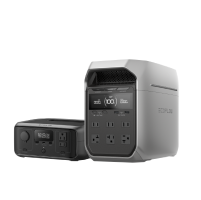
Homeowners can start simply. You buy a single base capacity unit. As your daily energy needs grow, you can physically stack additional battery modules on top of each other. Think of it like building blocks. For example, you might start with a 12kWh base battery. That runs your fridge and lights. A few years later, you buy an electric vehicle. You can simply stack more battery units to cover that huge new electrical load.
The Focus
If you are exploring Off-Grid & DIY solar power systems for homes, you get fantastic localized backup. When a severe storm hits, your essential appliances keep running smoothly. Just be aware of what they cannot do. These setups are made strictly for offline resilience. They give you emergency backup power, but they aren't meant for active, daily grid interactions.
Grid-Tied Solar System with Battery Backup
Moving beyond simple backup, this architecture is built for long-term energy savings through active grid interaction. These systems feature instantaneous 0ms switchover times. They are also designed to monetize your stored energy through automated grid sellback and VPP programs.
Example: High-demand homes require immense durability, and a permanent asset like the EcoFlow OCEAN Pro perfectly illustrates this capability. By utilizing 8 MPPT channels, it handles complex roof sections without losing efficiency. It captures a massive 40kW of solar power to run the entire estate and charge EVs. Paired with a 24kW continuous output, it executes Intelligent Time-of-Use optimization with no manual setup required to secure total estate independence.
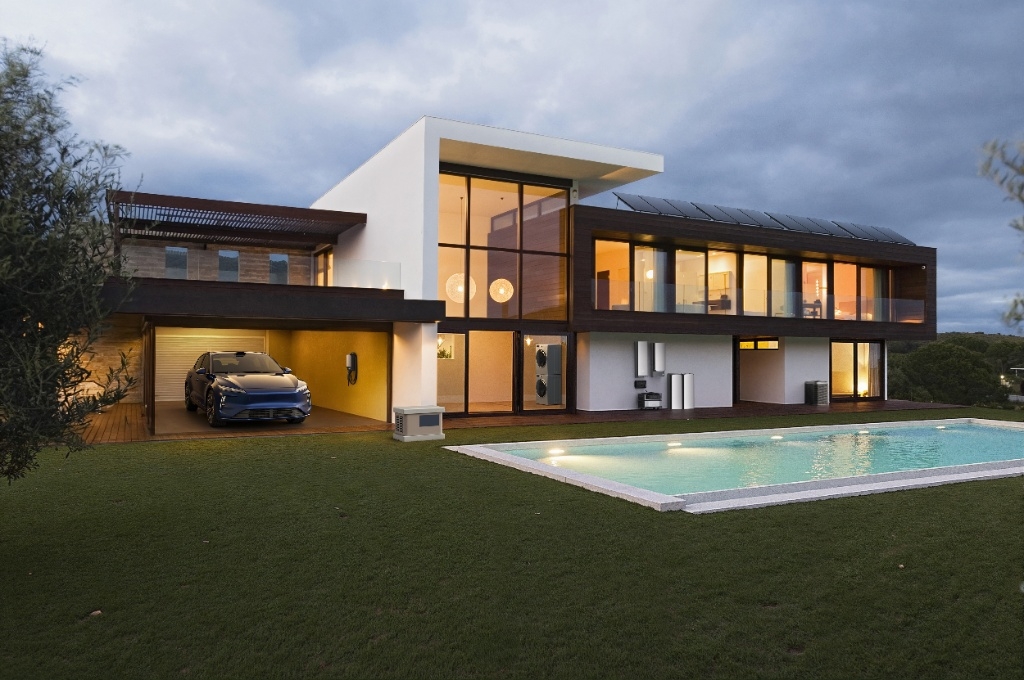
Are you ready to resolve your uncertainty about choosing the right solar setup? We can help you find the perfect energy solution for your property. Request a consultation today to speak with our experts.
Get Your Free Home Energy Consultation!
Which energy solution are you interested in?
How to Choose the Best Solar Power System for Home Metrics
How do you make the final choice? The technical specs are important, but you need to look closely at your personal lifestyle. Every family uses electricity differently. Here is a clear breakdown of how to match your daily scenario to the right solar equipment.
When to Choose an Off-Grid & DIY Solar Power System:
Budget-Conscious Buyers: This is a great choice if you want to save on initial costs. Because these systems use a modular design, you do not have to buy a massive setup all at once. You can start with a smaller base battery and add more capacity later as your budget allows.
Remote and Off-Grid Locations: This approach is highly suitable for remote areas where electricity is unstable or does not exist at all. It is perfect for places like pastures, certain suburbs, and mountain villages. For example, self-sustaining agricultural families can use these systems to get reliable power for their daily homestead operations day and night. It is also ideal for extreme wilderness residents living deep in the forests or mountains. They can achieve complete energy independence all year round by combining solar power, battery storage, and backup generators.
When to Choose an Integrated Home Battery System:
Homeowners Wanting to Optimize Bills: If you already have solar panels and want to lower your costs, this is for you. These systems provide intelligent savings by automatically managing your energy. You can also benefit from grid monetization through VPP (Virtual Power Plant) programs and automated grid sellback, turning your extra power into extra savings.
Families Requiring Seamless Backup: Do you work from home and need a reliable connection? This is essential for households that want unlimited whole-home backup. With instant 0ms switchover times, your home stays powered through anything—from routine outages to extreme weather. This keeps your daily life running completely normally without any interruptions.
Conclusion: Securing Your Energy Future
Achieving true energy independence is an important step for modern homeowners. It is no longer just about putting simple solar panels on your roof. The focus has shifted toward robust home battery backup and intelligent energy management.
Whether you choose a flexible modular setup or a permanent integrated system, the primary goal remains exactly the same. You want ultimate power resilience and financial control. By investing in a high-quality, high-capacity system today, you ensure long-term protection. You shield your family against unpredictable grid blackouts. More importantly, you lock in decades of protection against constantly rising utility costs. Take control of your power and secure your home's energy future today.
FAQs
How many solar panels are needed to power a house?
Most standard American homes require between 15 and 20 high-efficiency solar panels to achieve a complete 100% energy offset. The exact amount depends heavily on your local climate and daily electricity consumption.
Can I run my central AC on solar power?
Yes, you can easily run central AC. However, you must use a high-output battery system. Look for a unit offering a 205A LRA rating to safely handle the massive startup surge required by 5-ton HVAC units.
What is the difference between kW and kWh?
Kilowatts (kW) measure power speed, dictating how many heavy appliances you can run simultaneously. Kilowatt-hours (kWh) measure energy volume, representing your total storage capacity and runtimes.
Do solar panels work in the winter?
Yes, panels perform exceptionally well in cold temperatures. Cold actually improves electrical efficiency. Just remember that heavy snow accumulation will block sunlight and temporarily stop production until cleared.
What is the typical solar payback period?
Thanks to modern battery self-consumption software and excellent state-level incentives, the typical payback period is now 7 to 10 years. After this, your equipment provides essentially free electricity for decades.

