
Home Safety Checklist: Simple Steps for a Safer Home
Keeping your home safe requires more than just checking alarms and locking your doors. You need a home safety checklist to identify potential risks before they become really serious. This guide covers vital safety checks, child and elderly precautions, fire and electrical protection, and emergency preparedness. A home backup battery adds an extra layer of resilience by offering reliable backup power during power outages.
Essential home safety checklist
A home safety checklist helps you spot potential hazards before they become serious problems. From secure entry points and emergency supplies to fire and electrical safety, regular safety checks make your home safer and more prepared for unexpected situations.
General home safety checks
Keep emergency contacts easily accessible: Keep a list of emergency numbers, family contacts, and nearby services in a readily accessible place. Also, save important contacts on your phone.
Make your home number clearly visible: Ensure your home is easy to see from the street, especially at night. In this way, emergency responders can quickly locate your house.
Install and maintain smoke and CO detectors: Place smoke and CO detectors in key areas and regularly test them. Replace the batteries and expired units as recommended.
Keep walkways and stairways clutter-free: Remove boxes, loose cables, toys, and any other obstacles from the pathways. Repair damaged flooring and secure the rugs to prevent trips and falls.
Schedule regular appliance and chimney inspections: Have major appliances, chimneys, and heating systems inspected regularly for hazards or faults. Clean and maintain them according to recommendations.
Home safety checklist for children
Cover unused electrical outlets and secure cords: Utilize outlet covers for unused sockets, and keep electrical cords out of children's reach. Replace damaged cords as required.
Pad sharp furniture corners: Add protective covers to sharp tables, furniture, and counter edges. This helps reduce injuries from accidental bumps and falls.
Use childproof cabinets and drawer locks: Install safety latches on drawers and cabinets containing medicines, cleaning products, or sharp products. Securely store hazardous items.
Install safety gates and rail guards: Place safety gates at the top and bottom of stairs and use rail guards as needed. Ensure that they are firmly secured.
Secure furniture and TVs against tipping: Anchor dressers, bookshelves, and TVs to the wall to prevent tipping. Keep heavy objects on lower shelves or surfaces.
Home safety checklist for elderly
Arrange furniture to create clear pathways: Keep the furniture positioned to provide wide, unobstructed paths between rooms. Avoid placing chairs, tables, or other items where they could cause a trip hazard.
Install grab bars and safety devices: Add grab bars near toilets, showers, and other areas where extra support is needed, for elderly people's safety. Consider adding handrails and other mobility aids for more stability.
Use a non-skid tub or shower surface: Place a non-slip mat or install a textured surface in the tub or shower. This can significantly reduce the risk of slips on wet floors.
Remove or secure loose rugs: Remove unsecured rugs or use a non-slip backing to keep them firmly in place. Regularly check for curled or damaged edges.
Add nightlights and improve stair lighting: Install nightlights along the bedrooms, hallways, bathrooms, and stairways. Ensure the stairs are well-lit to enhance visibility.
Fire and electrical safety
Keep fire extinguishers accessible: Place fire extinguishers in easily accessible locations, particularly near the kitchen. Check them regularly to ensure that they are in excellent working condition.
Replace damaged cords: Replace electrical cords that are frayed, cracked, or have exposed wires. Avoid using damaged cords, as they increase the risk of fires and electrical shocks.
Avoid overloaded outlets: Plugging too many devices into a single outlet can cause overheating. So, use properly rated power strips and avoid connecting multiple high-power appliances to the same outlet.
Keep electrical panels unobstructed: Keep the area around your electrical panel clear and easily accessible. Never block the panel with boxes, furniture, or other household items.
Practice a fire escape plan: Create and practice a fire escape plan with everyone in the household. Identify multiple exits and select a safe outdoor meeting point.
Prepare your home for power outages and emergencies
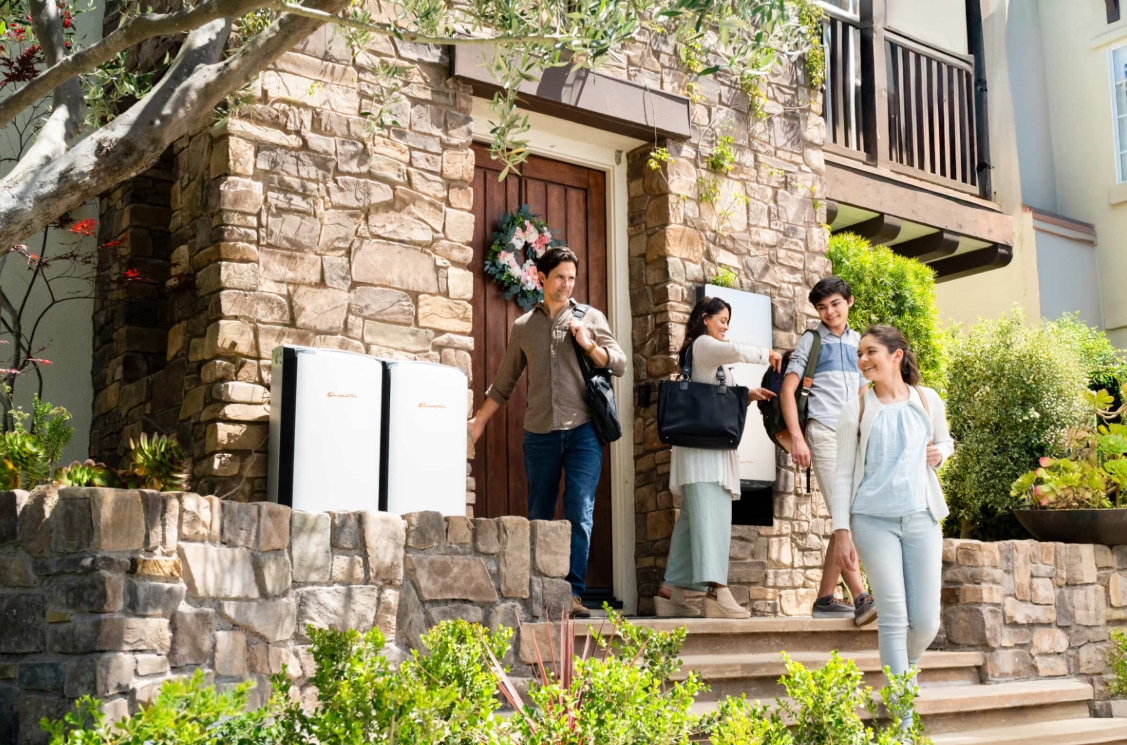
A good home safety checklist should contain a reliable plan for emergencies and power outages. Having a dependable backup power source helps keep essential household systems running when the grid goes down. The EcoFlow OCEAN Pro Solar Battery System provides reliable backup power, keeping essential household appliances and devices running. With solar charging capabilities, it supports your home during extended power outages while decreasing reliance on the grid. In this way, you stay protected when the weather or unexpected power failures disrupt normal routines.
Whole-home backup power
The EcoFlow OCEAN Pro Solar Battery System helps keep your home powered during outages, providing reliable backup power when grid electricity isn't available. It provides up to 24kW of continuous power to support essential systems and household appliances. Plus, its storage capacity can be expanded up to 80kWh, providing more backup power for extended outages. It helps to keep refrigerators, HVAC systems, lighting, and essential household equipment running during power interruptions.
Smart energy management
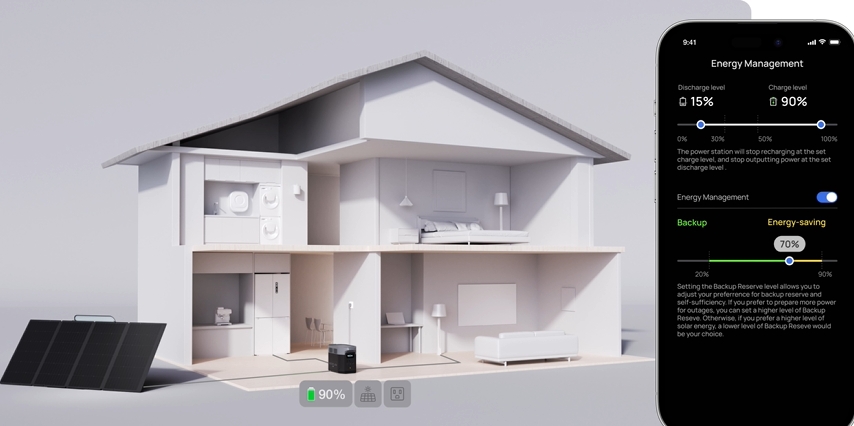
The EcoFlow OCEAN Pro Solar Battery System provides you with greater control over energy usage and storage. Smart energy management helps you distribute and utilize stored power effectively. The EcoFlow app lets you monitor energy production, consumption, and battery status on your phone. By storing energy for later use, the EcoFlow OCEAN Pro Solar Battery System can significantly reduce dependence on grid electricity, improving your home's energy resilience. So, if you want a complete home energy solution and want to try the EcoFlow OCEAN Pro Solar Battery System, schedule your free consultation today!
Get Your Free Home Energy Consultation!
Which energy solution are you interested in?

Conclusion
In conclusion, a comprehensive home safety checklist helps identify potential hazards, resulting in a safer and more prepared living environment. From securing furniture and electrical systems to improving fire safety and preparing for emergencies, regular home safety checks help protect your family and property while reducing avoidable risks.
For enhanced protection during power outages, consider the EcoFlow OCEAN Pro Solar Battery System. Offering up to 24kW of continuous output and storage of 80kWh, it helps you keep essential household systems and appliances running when the grid goes down. Its smart energy management features also provide greater control over your home's energy usage.
FAQs
What should be in a home safety checklist?
A good home safety checklist should cover the fire system, electrical systems, emergency exits, appliances, and fall hazards. It should also include childproofing, safety measures for the elderly, and preparation for power outages. Regularly reviewing these areas can help your home be better prepared for extreme situations.
What are the 20 hazards in the house?
The 20 common household hazards are electrical faults, overloaded outlets, damaged cords, gas leaks, fire risks, carbon monoxide, slippery floors, loose rugs, cluttered walkways, and unsafe stairs. Other hazards include unsecured furniture, sharp edges, hot surfaces, toxic chemicals, medications, poor lighting, broken glass, water leaks, pests, and faulty appliances.
How can lighting improve home safety for elderly people?
Good lighting makes obstacles, stairs, and changes in floor levels quite easy to see, which helps reduce the chances of trips and falls. For elderly people, install bright lighting in hallways, bathrooms, and stairways. The EcoFlow Ocean Pro Solar Battery System can also keep essential lighting powered when electricity isn't available.

